Neglecting your water heater in Metro Detroit often leads to expensive leaks and cold showers. Hard water and freezing winters put a heavy strain on your plumbing system every single year. A water heater maintenance checklist detroit homeowners follow can extend the life of their system to 12 years or more, saving hundreds of dollars in premature replacement costs.
Schedule Your Water Heater Maintenance Today
Schedule a water heater maintenance appointment with Mr. Pipey today , our licensed plumbers handle flushing, inspections, and safety checks so your system runs at peak efficiency.
Our local water contains hard minerals like calcium and magnesium that settle as sediment at the bottom of your tank and reduce efficiency. This buildup makes your heater work harder, which can add up to 18 percent to your monthly energy costs according to the U.S. Department of Energy. During a typical Michigan winter when temperatures average 20 degrees Fahrenheit, your water heater must fight against cold basement drafts and freezing intake pipes. Regular maintenance prevents an early breakdown caused by this sediment and protects your home from sudden leaks. By following a structured plan, you ensure your family has reliable hot water while keeping your energy bills as low as possible throughout the year.
You might wonder why a simple list of tasks is so important for your plumbing system. Understanding the local factors that affect your water heater is the first step toward long-term savings. The path starts by exploring the unique water and environmental conditions in Southeast Michigan.
Why Detroit Homeowners Need a Water Heater Maintenance Checklist
A water heater maintenance checklist detroit is a vital tool for your home. Many people in Metro Detroit forget their water heater until it breaks. But our local water and cold weather make regular care a must for every house. Care for your tank can help you save money and keep your hot water flowing all year.
The impact of Detroit hard water
Water in the Detroit area is often hard. It ranges from 6 to 12 grains per gallon, which is enough to cause big problems over time. This hard water leads to fast sediment buildup in the tank. This layer of minerals acts like a blanket that keeps heat away from the water. As a result, your unit has to work much harder to do its job. According to the U.S. Department of Energy, water heating makes up about 18% of your home energy use, so you want to keep it at its best.
When minerals like calcium and magnesium settle, they can cause your tank to rust. This buildup is the main reason why many units fail early. A simple water heater maintenance plan helps you flush out these minerals. By cleaning the tank once or twice a year, you can stop this sediment from stealing your energy and harming your pipes.
Challenges in older Detroit homes
Many houses in our city were built before 1980. These older homes often have basements that do not have enough insulation. During a typical Michigan winter, the air in these basements can get very cold. The average winter low in Detroit is about 20 degrees Fahrenheit, which puts a huge strain on your water heater. Cold drafts in a basement make the unit lose heat fast, forcing it to run more often to stay warm.
You can fight this heat loss by checking your tank and pipes for leaks. If your unit is in a cold spot, pipe insulation is a smart step to take. This helps keep the water in your lines warm as it moves to your taps. Protecting your system from the cold helps prevent big repairs and keeps your bills lower during the snowy months.
Seasonal shifts and energy savings
Spring thaw in March and April brings its own set of issues. As the ground warms up, sediment in city water mains can shift. This leads to more debris entering your home system during the spring months. Having a checklist helps you remember to flush your tank after the thaw to clear out this waste. Regular care like this can help you save between 7% and 16% on your yearly energy costs. It is a small time investment that pays off in lower bills and a unit that lasts.
Water Heater Maintenance Checklist: Step-by-Step Tasks
Keeping your water heater in top shape is key for a good home. A clear water heater maintenance checklist detroit helps you stay ahead of leaks and high bills. In our area, hard water and cold winters can be tough on your pipes. By doing these steps, you can help your unit last longer and work better. Most units last about 8 to 12 years, but they need steady care to reach that age.
Sediment is a major threat to tanks in Metro Detroit. The minerals in our water settle at the bottom of the tank over time. This makes the unit run too hot and can cause the tank to leak. Taking time to care for your system now prevents a cold shower later. You do not need many tools to keep your tank clean and safe. A simple plan each year is all it takes to protect your home.
Safety and tank care
Testing your safety valves is the most vital part of any check. The temperature and pressure relief valve, or TPR valve, keeps your tank from building too much pressure. You should test this valve once each year to make sure it works. If it stays stuck, the tank could become a safety risk. A quick test makes sure your home stays safe from high-pressure failures.
Flushing the tank is also a must for local homes. Because Detroit has hard water, we think you should drain your tank twice a year. This clear out removes the sand and minerals that build up at the base. Clearing this waste helps the heat reach the water faster. It also stops the tank from rusting from the inside out. A clean tank is a quiet tank that uses less gas or power.
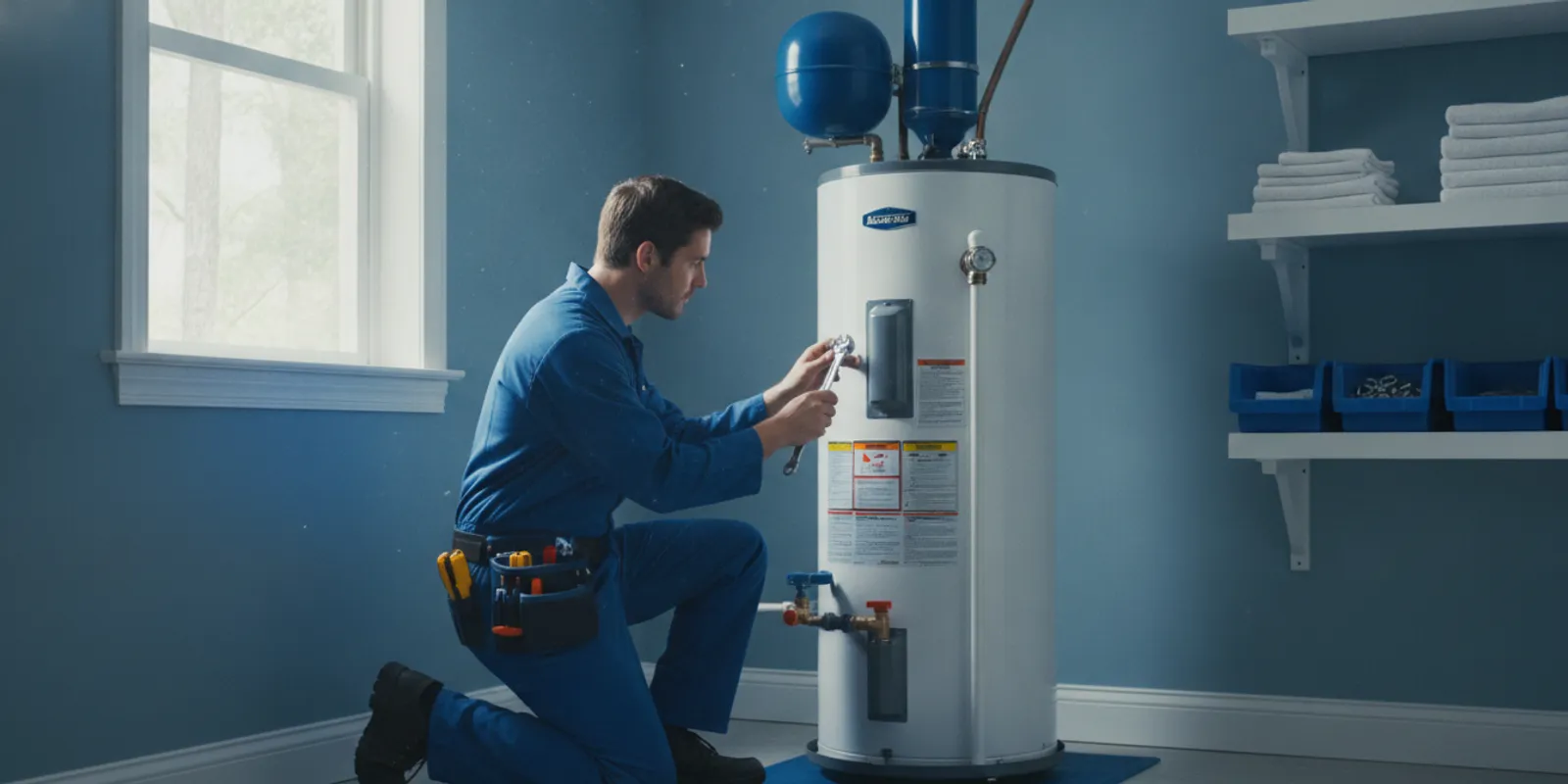
- Flush the tank to clear sediment. Turn off the power or gas first. Attach a hose to the drain valve and let 5 to 15 gallons of water flow out into a floor drain. In hard water areas, you should do this twice each year.
- Test the TPR valve for safety. Lift the lever on the valve to let a burst of water out into the drain pipe. If water flows and then stops when you release the lever, the valve is in good shape. Do this at least once a year.
- Check the anode rod every 4 to 5 years. This rod is a special metal part that keeps your tank from rusting. A new anode rod costs about $30 to $60 and can add many years to the life of your unit.
- Set the thermostat to 120 degrees Fahrenheit. Many units are set too high at the factory. Lowering the heat to 120 degrees prevents burns and helps you save on your monthly energy bills.
- Insulate the tank with a jacket. Wrapping your unit in a blanket can reduce heat loss by 25% to 40%. This is a smart move for units kept in chilly Detroit basements.
- Wrap the hot water pipes. Use foam sleeves to insulate the first 6 feet of hot water pipe leaving the tank. This keeps the water hot as it travels to your sinks and showers.
Use insulation to save money
Many Detroit homes have water heaters in basements that can get very cold. During the winter, the unit has to work harder just to keep the water warm. Adding an insulation jacket is a cheap way to fix this problem. The Department of Energy says this step can save you 7% to 16% on costs each year. It keeps the heat inside the tank where it belongs.
You should also look at the pipes that lead away from your heater. The first few feet of pipe lose the most heat. Wrapping them helps the water stay at the right temperature until you turn on the tap. This means you do not have to wait as long for hot water, which saves both time and water. It is a small change that makes a big difference in how well your system works.
Check the rod and heat
The anode rod is one of the most missed parts of a water heater. Its job is to rust so your tank does not. In homes with hard water, these rods can wear out fast. If you do not check them every few years, the tank will start to rust. Swapping a rod is much cheaper than buying a whole new water heater. It is a vital step for any homeowner who wants to get the most out of their unit.
At last, check your heat settings to make sure they are safe. A setting of 120 degrees Fahrenheit is hot enough for most families. It kills germs but will not cause deep burns in seconds. High heat also speeds up the buildup of lime and scale in your tank. By keeping the heat at a safe level, you protect both your family and your plumbing system. Regular checks like these keep your water flowing and your home running well.
Michigan Seasonal Maintenance Tips for Your Water Heater
Your water heater needs care to handle the shifting weather in Metro Detroit. The harsh cold and quick thaws can stress your pipes. Using a local water heater maintenance checklist detroit people can trust will help you stay ahead of these changes. If you follow a plan for each season, you can help your unit last longer and keep your bills low.
Fall and winter prep
Fall is the best time to get your home ready for the freezing months ahead. In Detroit, the average winter low is about 20 degrees. This deep cold can put your unit at risk if it sits in an unheated space. Many older homes in the city were built before 1980. These houses often have basements that are not sealed, which allows cold drafts to reach your pipes. Checking for these drafts now can prevent a big bill later.
To protect your system, check the area around your tank for any cold air leaks. Sealing these drafts will help keep the air warm in your basement. You can also use pipe insulation to wrap the first six feet of your hot water lines. This simple step helps reduce heat loss and saves you money. Keeping your pipes warm is a key part of avoiding a sudden breakdown when the snow falls. You should also check your thermostat to make sure it is set to 120 degrees for the cold days.
Spring post-thaw check
As the ground thaws in March and April, your plumbing faces a new set of tests. The spring thaw often causes sediment to move around in the city water mains. This can lead to more grit and minerals entering your home tank. This grit can settle at the bottom and cause your unit to work harder. If you do not flush the tank, the buildup can damage the lining and lead to rust or leaks.
Checking your unit after a long freeze is a smart move. You should look for any signs of water on the floor or around the valves. Small leaks can happen after a winter of heavy use or if pipes shifted during the freeze. If you find any damage or have concerns about frozen pipes from the winter, call a pro. A quick check now can save you from a major mess later. It is better to find a small drip today than a big flood tomorrow.
Summer and annual care
Summer is a busy time for many local families. Higher water use for cleaning and extra guests can put a lot of demand on your system. Before the peak of the summer usage, you should test your safety valves. You can also flush the tank one more time to clear out any spring sediment. This ensures your unit is ready for high demand so you avoid a cold shower when you least expect it.
The best way to keep your unit running is to join an annual maintenance program. These plans include full checks of your plumbing system and help find issues before they become big leaks. A pro can check your anode rod and test your valves to make sure they are safe. By staying on top of seasonal care, you can save money and keep your home safe all year long. Mr. Pipey offers annual maintenance plans across Wayne, Oakland, Macomb, Washtenaw, and Livingston counties to keep your hot water flowing.
Signs Your Water Heater Needs Professional Repair
A water heater often gives clear signals before it stops working. Catching these early signs can save you from a cold shower or a wet basement. In Metro Detroit, hard water and cold winters put extra stress on your tank. If you notice any of these issues, it is time to call a pro for water heater repair. Mr. Pipey offers free estimates and 24/7 help to keep your hot water flowing.
Visible leaks and water pooling
Water pooling around the base of your tank is a major red flag. It often points to a crack in the inner tank or a loose valve. Even small drips can lead to mold or wood rot in your basement. If the tank itself is leaking, you usually need a new one. Our team can find the leak fast and tell you if a fix is possible. We offer a 100% satisfaction guarantee on every job we do.
Rusty water and strange noises
If your hot water looks brown or rusty, your tank may be rusting on the inside. This often happens when the anode rod fails. You might also hear popping or rumbling sounds. These noises come from grit buildup at the bottom of the tank. The grit traps heat and causes the water to bubble. Hard water in Detroit makes this problem very common for local homeowners. A pro can often flush this out before it ruins the unit.
Inconsistent heat and old units
You should not have to wait a long time for hot water or deal with sudden cold bursts. These issues often mean the heating part or thermostat is failing. Most tanks last about 8 to 12 years. According to the U.S. Department of Energy, water heating accounts for roughly 18% of a home’s energy use. If your unit is over 10 years old, a repair may only be a short fix. In these cases, we may suggest a new model to save you money on bills.
Call Mr. Pipey at (313) 900-0700 or schedule online for a professional water heater inspection and maintenance check. Our licensed plumbers provide upfront flat-rate pricing with no overtime charges, 24/7.
When you have a plumbing crisis, you need help right away. We provide emergency plumbing services in 30 areas with a 45-minute average response time. Best of all, we never charge extra fees for nights or weekends. You can call us any time at (313) 900-0700 for expert service you can trust.
Frequently Asked Questions
How much does it cost to replace a water heater anode rod?
A new anode rod is a low-cost part that can save you from a full tank failure. These rods usually cost between $30 and $60. Since Detroit water is hard, checking this rod every few years is a good idea. A new rod stops your tank from rusting and helps it last for many years.
Does hard water in Detroit mean I should flush my tank more often?
Yes, most homes in Metro Detroit have hard water that leads to fast buildup. While the standard rule is to flush once a year, local pros suggest doing it twice a year if you see white flakes. Clearing this dirt stops the bottom of your tank from getting too hot. Regular flushing keeps your heater running well and stops debris from clogging your taps.
Can my water heater freeze during a cold Detroit winter?
Yes, water heaters in cold basements are at risk when it gets colder than 20 degrees in Detroit. The water in the tank is hot, but the intake pipes can freeze and burst if they have no cover. You should seal any air leaks in your basement walls to block cold drafts. Adding foam pipe wrap to the first six feet of pipe also helps stop heat loss and freezing.
Is it worth insulating my water heater tank?
If you have an older unit in a cold room, adding an insulation jacket is a smart move. Per the U.S. Department of Energy, this can cut heat loss by 25 to 40 percent. This simple step can lower your yearly heating bills by up to 16 percent. For owners in Metro Detroit with basement units, this is one of the easiest ways to save money.
How often should I have a professional inspect my water heater?
Professional inspection once a year is recommended for most homeowners in Metro Detroit. During an annual check, a licensed plumber can flush the tank, test the TPR valve. Inspect the anode rod, and check for early signs of corrosion or leaks that a DIY inspection might miss. Mr. Pipey offers comprehensive annual maintenance plans for homeowners across Wayne, Oakland, Macomb, Washtenaw, and Livingston counties.
Ready to Keep Your Water Heater Running Smoothly?
While a DIY water heater maintenance checklist can help you keep an eye on your system, nothing replaces the expertise of a licensed professional. At Mr. Pipey, our team of licensed and insured Michigan plumbers is ready to handle your annual water heater flush. Anode rod inspection, and safety checks to ensure your home has reliable hot water all year long. We proudly serve homeowners across Wayne, Oakland, Macomb, Washtenaw, and Livingston counties with our signature upfront flat-rate pricing and absolutely no overtime charges, 24/7. Whether you need a routine maintenance tune-up or urgent water heater repair, we are here to help. Contact Mr. Pipey online or call us today at (313) 900-0700 to schedule your service check.