

For generations, the term “sewer repair” was synonymous with a backhoe and a giant, muddy trench across the lawn. It was messy, time-consuming, and disruptive, but it was the only way. Technology has finally caught up to this age-old problem. Trenchless sewer repair offers a modern, minimally invasive solution that can fix your pipes from the inside out, often in a single day. This innovation has created a crucial decision point for homeowners. Understanding the pros and cons of trenchless sewer repair vs traditional digging is key to protecting your property and your budget. This guide compares the two methods head-to-head on what matters most.
Key Takeaways
- Know when to go trenchless: This modern method saves your yard by repairing pipes internally and is perfect for cracks or root damage, but traditional digging is required for completely collapsed or severely bellied pipes.
- Look beyond the initial quote for true cost: Traditional digging seems cheaper upfront but requires expensive landscape restoration later; trenchless repair often proves more cost-effective because it leaves your yard and driveway intact.
- Always start with a camera inspection: Don’t guess what’s wrong with your sewer line. A professional camera inspection provides a clear diagnosis, showing the exact problem and helping you and your plumber choose the most effective repair method.
What Is Trenchless Sewer Repair?
When you hear “sewer repair,” you probably picture a giant trench cutting through your lawn, destroying flowerbeds and maybe even your driveway. For a long time, that was the only way. But now, there’s a much less disruptive option. Trenchless sewer repair is a modern method for fixing underground pipes without extensive digging. It’s a game-changer for homeowners because it causes less mess, is often faster, and protects your landscaping. Instead of excavating the entire length of the pipe, our team can perform the entire repair through a couple of small access points as part of our trenchless sewer repair services. This approach is just one of the many expert plumbing solutions we offer to make your life easier.
How Does Trenchless Sewer Repair Work?
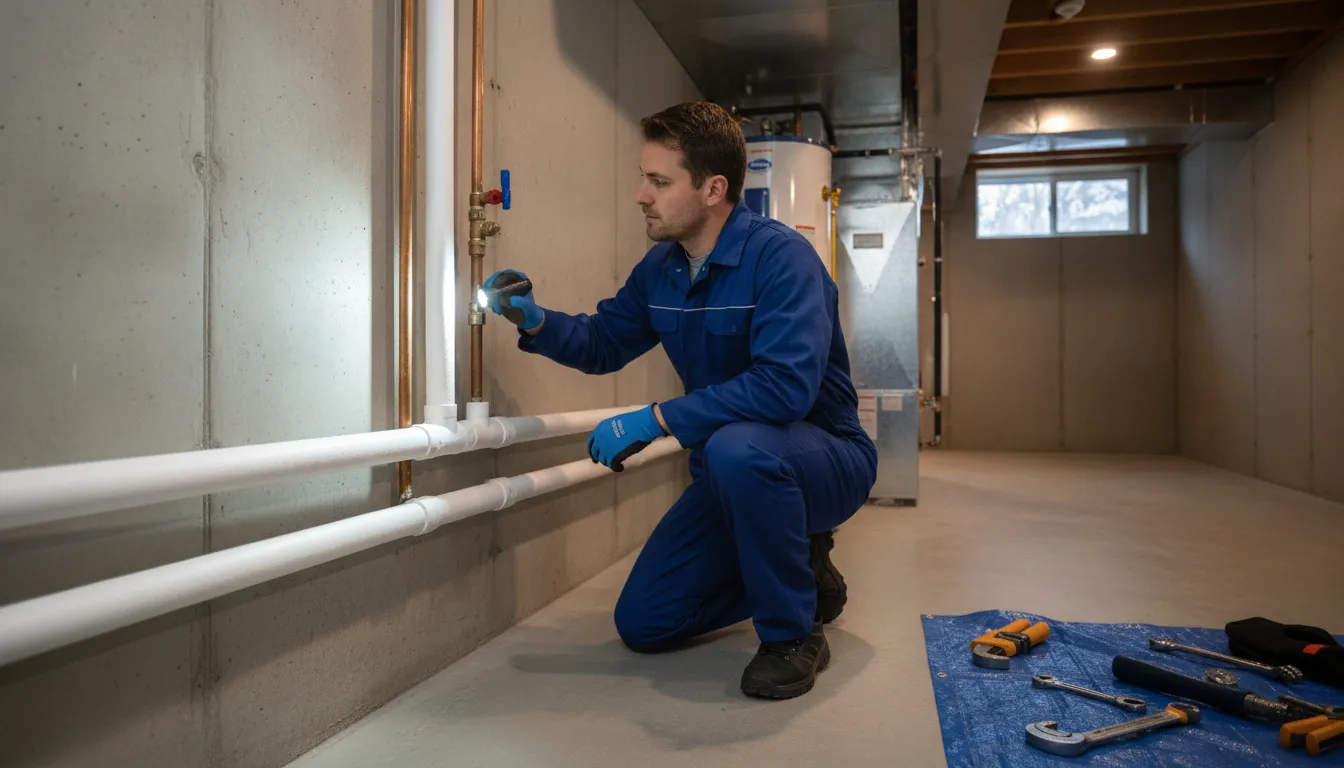
The process is pretty neat and starts with a bit of detective work. First, a plumber sends a high-resolution camera into the pipe to get a clear look at the problem, whether it’s a crack, corrosion, or invading tree roots. Once we’ve identified the issue, the pipe is thoroughly cleaned to remove any blockages or debris. From there, we use one of two main techniques: either inserting a new lining inside the existing pipe or pulling a brand-new pipe through the old one. Both methods are done underground, meaning your yard stays intact.
Pipe Lining vs. Pipe Bursting: What’s the Difference?
Pipe lining and pipe bursting are the two primary types of trenchless repair. With pipe lining, also called Cured-in-Place Pipe or CIPP, we insert a flexible tube coated in a special epoxy resin into the damaged pipe. This tube is inflated, pressing the resin against the walls of the old pipe. After a few hours, the resin hardens, creating a brand-new, seamless pipe inside the old one. Pipe bursting is a bit different. A powerful tool is pulled through the old pipe, breaking it apart while simultaneously pulling a new, high-density polyethylene pipe into its place. This method completely replaces the old line.
What Makes Trenchless Repairs So Durable?
It’s natural to wonder if a repair that doesn’t involve digging is truly built to last. The answer is a resounding yes. The materials used in trenchless repairs are incredibly strong and resistant to the very problems that plague older pipes, like corrosion and root intrusion. The seamless liners prevent leaks and stop roots from finding a way in. In fact, a properly installed trenchless repair can last for 50 years or even longer. It’s a long-term solution that reflects our commitment to providing reliable, lasting workmanship, a promise we stand by as a family-owned business.
What Is Traditional Sewer Repair?
When you picture a major sewer line repair, you probably imagine a big trench running through a yard. That, in a nutshell, is traditional sewer repair. It’s the classic, time-tested method that involves physically digging up the ground to access and replace a damaged pipe. For generations, this was the only way to fix serious underground plumbing problems. While newer, trenchless methods have changed the game, traditional sewer line repair still has its place.
Think of it as major surgery for your plumbing system: it’s invasive and requires significant recovery time for your yard, but sometimes it’s the only way to address a critical problem. This method gives plumbers direct, hands-on access to the entire sewer line, allowing them to remove it completely and install a brand-new pipe. It’s a comprehensive fix for the most severe issues. Understanding how it works and when it’s necessary can help you make an informed decision if you’re facing a sewer line crisis. It’s about knowing all your options before you commit to a plan.
The Traditional Excavation Process
The traditional process is very hands-on and exactly what it sounds like. A team of plumbers uses heavy machinery, like a backhoe, to dig a long, deep trench along the path of your existing sewer line. This gives them direct access to the damaged pipe. Once the pipe is exposed, they can remove the broken sections and install a brand-new, durable pipe. After the new line is in place and tested, the crew fills the trench back in.
This method is effective, but it’s also disruptive. The digging process can tear up your lawn, garden, driveway, or patio. It’s a noisy and messy affair that can take several days, which can be stressful when you’re already dealing with a major plumbing issue. A serious sewer problem often requires emergency plumbing services to get the situation under control quickly.
When Is Traditional Repair Necessary?
While trenchless repairs are great for many situations, traditional excavation is sometimes the only viable option. If a sewer line has completely collapsed, is severely bellied (sunk), or was installed improperly to begin with, a full replacement is often required. In these cases, the pipe is too damaged for a liner or bursting to work effectively. Digging a trench allows the plumbing team to see the full extent of the damage and install an entirely new line with the correct slope.
Although it’s more invasive and generally more time-consuming, this method guarantees a complete fix for the most severe sewer problems. A professional plumber will always conduct a thorough inspection, usually with a camera, to determine the best course of action for your specific situation, drawing from a full range of expert plumbing solutions.
Trenchless vs. Traditional: A Head-to-Head Comparison
When you’re facing a major sewer line problem, the thought of digging up your entire yard can be daunting. For years, traditional excavation was the only way to fix underground pipes. It involved digging a large trench to expose the damaged section, making the repair, and then filling it all back in. Thankfully, technology has given us a less disruptive alternative: trenchless sewer repair. This modern method allows plumbers to repair or replace pipes with minimal digging, saving your lawn, driveway, and sanity.
But how do you know which one is right for you? Both methods have their place, and the best choice depends on the specific issue with your pipes, your property’s layout, and your budget. To help you make a clear-headed decision, we’re breaking down the key differences between trenchless and traditional sewer repair. We’ll compare them on the factors that matter most to homeowners: cost, time, property impact, durability, and environmental footprint. Understanding these pros and cons will equip you to have a productive conversation with your plumber and choose the best long-term solution for your home.
Comparing the Costs
At first glance, the upfront quote for a trenchless repair might seem higher than a traditional one. This is because it requires specialized equipment and materials. However, it’s important to look at the total cost of the project from start to finish. Traditional excavation comes with a lot of secondary expenses that aren’t part of the plumbing bill. You’ll have to pay for re-sodding your lawn, repairing your flower beds, and possibly even repaving a driveway or walkway.
When you factor in these restoration costs, trenchless repair often ends up being cheaper overall. By avoiding the big dig, you also avoid the big bill for putting your yard back together.
How Long Does Each Method Take?
Time is another huge difference between the two methods. A traditional sewer repair is a major project that can turn your property into a construction zone for a week or even longer. The process involves excavation, pipe repair, city inspections, and backfilling, all before the landscape restoration can even begin.
In contrast, most trenchless repair projects are completed within a single day, sometimes in just a few hours. This means less disruption to your daily routine and a faster return to normalcy, which is especially critical in an emergency plumbing situation.
Impact on Your Yard and Landscaping
This is where trenchless repair truly shines. Traditional excavation requires digging a long, wide trench directly over the damaged pipe. This process inevitably tears up your yard, destroying grass, gardens, and any other landscaping in its path. If the pipe runs under a driveway, patio, or mature tree, the damage can be extensive and costly to fix.
Trenchless methods, on the other hand, are designed to be minimally invasive. The repair is performed through one or two small access points, leaving the rest of your property completely untouched. You get a fully restored sewer line without sacrificing the beautiful yard you’ve worked so hard to maintain.
Which Repair Lasts Longer?
You might think that a repair that’s faster and less invasive would be less durable, but the opposite is true. Trenchless pipe lining creates a brand-new, seamless pipe inside of your old one. This new pipe is made from a tough epoxy resin that is resistant to corrosion, cracks, and tree root intrusion.
Because of these high-quality materials, a trenchless repair is a permanent solution, not a temporary patch. These modern repairs are incredibly durable and are expected to last 50 years or more. It’s a long-term investment that provides peace of mind and protects your property for decades to come.
Environmental Impact
If you’re concerned about your environmental footprint, trenchless repair is the clear winner. The heavy machinery and extensive digging involved in traditional methods disrupt the local ecosystem. It displaces large amounts of soil, can damage the root systems of nearby trees, and has a larger carbon footprint.
Because trenchless repair leaves the ground largely undisturbed, it’s a much more eco-friendly approach. It protects the soil structure, preserves your landscaping, and helps maintain the natural environment around your home. By choosing trenchless, you’re not just protecting your yard; you’re also making a greener choice for your community.
When to Choose Trenchless Sewer Repair
Deciding on a sewer repair method can feel overwhelming, but certain situations make trenchless repair the clear winner. This no-dig approach is a game-changer for many common sewer line issues, offering a modern solution that avoids the major disruption of traditional excavation. If your goal is to fix your pipes efficiently while preserving your property and peace of mind, trenchless is often the smartest path forward. It’s particularly well-suited for pipes that are still mostly intact but need serious reinforcement. Let’s look at the specific scenarios where going trenchless makes the most sense for your Metro Detroit home.
For Cracked, Corroded, or Root-Damaged Pipes
If your sewer camera inspection reveals cracks, corrosion from age, or pesky tree roots that have worked their way inside, trenchless repair is an excellent choice. This method is perfect for fixing pipes that have been compromised but haven’t completely collapsed. Techniques like pipe lining essentially create a brand-new, durable pipe within the old one. This seamless liner seals off cracks, stops leaks, and prevents future root intrusion without needing to dig up the old pipe. It’s a way to address common signs of wear and tear and extend the life of your sewer system for decades. Our team can assess if your pipes are good candidates for these kinds of expert plumbing solutions.
To Protect Your Landscaping and Driveway
The last thing you want is for a sewer repair to destroy the yard you’ve worked so hard on. Traditional repairs require digging a long, deep trench from your house to the street, which means tearing up your lawn, flower beds, walkways, and even your driveway. Trenchless methods, on the other hand, only require one or two small access points. This minimal digging keeps your landscape intact and saves you the significant cost and headache of restoration work. If preserving your property is a top priority, choosing a trenchless repair is a no-brainer. We treat your home with care, just like we would our own.
For Properties with Limited Access
Trenchless repair is a lifesaver for properties where excavation is difficult or impossible. Think of homes in tightly packed Detroit neighborhoods, or houses with large decks, patios, or detached garages built over the sewer line. Digging in these areas would be a logistical nightmare and could risk damage to your structures. Because trenchless methods only need small entry points, our technicians can repair your pipes even in the most challenging locations. This makes it the ideal solution for fixing otherwise inaccessible sewer lines with minimal fuss and disruption to your property’s layout.
When You Need a Fast, Low-Impact Fix
When a sewer problem strikes, you want it fixed quickly. A traditional sewer excavation can take several days, turning your yard into a construction zone and disrupting your daily life. In contrast, most trenchless repairs can be completed in less than a day. This incredible speed means your plumbing is back to normal faster and with far less intrusion. This efficiency is especially critical in an emergency plumbing situation. The faster turnaround also means lower labor costs, helping to make this advanced repair method a cost-effective and convenient choice for busy homeowners.
When Traditional Sewer Repair Is the Only Option
Trenchless technology is a fantastic solution for many sewer line problems, but it isn’t a silver bullet for every situation. Sometimes, the classic, hands-on approach of traditional excavation is the only way to get the job done right. This is especially true when the damage is too extensive for a liner or bursting, or when the pipe’s condition makes a trenchless repair unreliable. A professional plumber will always assess the unique factors of your property before recommending the best path forward. It’s not about one method being “better” than the other in all cases; it’s about choosing the right tool for the specific job your home needs.
For Collapsed or Severely Damaged Lines
If your sewer line has completely collapsed or has large sections missing, trenchless methods are off the table. Pipe lining and bursting both rely on the existing pipe to act as a host or guide for the new material. When a pipe is crushed, there’s nothing left to work with. In these severe cases, traditional excavation is necessary because it allows a plumber to get full access to the pipe. We can then remove the destroyed sections and install a brand-new, stable pipe. A collapsed line is a serious issue, so it’s important to call for emergency plumbing services right away to prevent further damage.
For Older Pipes and Complex Layouts
Traditional repair is often the best choice for older plumbing systems that are severely misaligned or were installed incorrectly from the start. Over time, pipes made from materials like clay or cast iron can shift, creating “bellies” or offsets that trenchless methods can’t fix. If we were to simply line a misaligned pipe, the new liner would just follow the same incorrect path. Excavation allows our team to get a complete visual of the pipe’s layout, correct any grading issues, and ensure the new line has the proper slope for effective drainage. This approach lets us fix the root cause of the problem, not just the symptoms.
When Site Conditions Rule Out Trenchless Methods
Sometimes, the decision comes down to the conditions of your property. Trenchless repairs require specific access points to insert the equipment and materials. If your home’s layout, soil conditions, or the location of other underground utilities make it impossible to use the trenchless machinery safely, excavation is the default solution. For example, extremely rocky soil or a pipe that is badly damaged right below a sensitive structure might require digging. The only way to know for sure is to have a professional assess your property and determine the safest, most effective repair strategy for your specific situation.
Does Trenchless Repair Really Cost More?
When you’re facing a major sewer line problem, one of the first questions on your mind is probably, “How much is this going to cost?” It’s a fair question, and the answer isn’t always straightforward. While traditional sewer repair might seem cheaper at first glance, it’s important to look at the total investment before making a decision. The initial quote rarely tells the whole story.
Upfront Costs vs. The Total Picture
Let’s talk about the price tag. Trenchless sewer repair can sometimes have a higher upfront cost than traditional digging. But that initial number is just one piece of the puzzle. The quote for a traditional repair often only covers the excavation and pipe replacement. It doesn’t account for the extensive restoration work your property will need afterward. To make an informed choice, you have to compare the total project cost from start to finish. Understanding the full scope of our plumbing solutions helps you see why looking at the big picture is so important for your budget and your property.
The Hidden Costs of Traditional Digging
So, what are these “hidden” costs of traditional repair? The biggest one is property restoration. Traditional excavation requires digging a large trench across your yard, which can mean destroying your lawn, flower beds, and even mature trees. If the pipe runs under a driveway, patio, or walkway, that concrete or pavement will be torn up and will need to be replaced. All of this restoration work adds significant expense and time to the project. These aren’t just minor inconveniences; they are real costs that can quickly make a “cheaper” traditional repair much more expensive, especially when you’re already dealing with an emergency plumbing situation.
How Trenchless Methods Save You Money Long-Term
This is where trenchless repair really shines. Because it avoids major excavation, you also avoid the high costs of putting your yard back together. Your landscaping, driveway, and patio remain intact. The project is completed much faster, saving you time and hassle. When you factor in the money saved on restoration, trenchless methods are often the more cost-effective solution overall. Plus, the durable materials used in
Debunking Trenchless Sewer Repair Myths
Trenchless sewer repair is a fantastic option for many homeowners, but since it’s a newer technology, it’s surrounded by a few misconceptions. It’s completely normal to be skeptical of a method that promises a major pipe repair without turning your yard into a construction zone. We believe in giving you clear, honest information so you can choose the right solution for your home with confidence. Let’s tackle some of the most common myths about trenchless repairs head-on.
Myth: “Trenchless repairs aren’t as durable.”
This is one of the biggest worries we hear, but it’s one we can happily put to rest. The truth is, trenchless repairs are incredibly strong and built to last. Using methods like pipe lining, we essentially create a brand-new, seamless pipe inside of your old one. The epoxy resin used in these liners is resistant to corrosion, cracks, and root intrusion. In fact, these modern repairs often have a lifespan of 50 years or more. The high-quality materials and advanced techniques used mean you’re not just getting a patch; you’re getting a long-term, reliable solution that can easily outperform older, traditional pipe materials.
Myth: “Trenchless can fix any sewer problem.”
While trenchless technology is a game-changer for many issues, it’s not a one-size-fits-all solution. For trenchless methods like pipe lining to work, the existing pipe needs to be relatively intact. If a sewer line has completely collapsed, is severely broken, or was installed improperly with major sags (known as “bellies”), trenchless repair might not be an option. That’s why a thorough camera inspection is always our first step. It allows us to see exactly what’s going on in your pipes and determine if trenchless is the right approach or if a traditional repair is necessary to solve the problem correctly.
Myth: “Traditional digging is always a safer bet.”
It’s easy to assume the old-fashioned way is the most reliable, but that’s not always the case. Traditional excavation can be highly disruptive, tearing up your lawn, garden, driveway, or patio. Sometimes, the digging can be more extensive than needed just to locate the exact point of damage. Trenchless methods, on the other hand, are far more precise and minimize disruption to your property. By requiring only small access points, we can fix the pipe without destroying your landscaping. Choosing the “safer” bet means considering the overall impact on your home, your time, and your wallet, and often, trenchless comes out ahead.
How to Choose the Right Repair for Your Home
Figuring out the best way to fix a sewer line can feel like a huge decision, but you don’t have to make it alone. The right choice between trenchless and traditional methods isn’t a guess; it’s a conclusion reached after a thorough, professional evaluation of your specific problem. A qualified plumber will walk you through the pros and cons as they relate to your home, your budget, and your property’s layout.
The entire process starts with getting a clear picture of what’s happening underground. From there, an expert can assess the damage and recommend a solution that makes the most sense for you. Ultimately, the goal is to find a durable, cost-effective fix that restores your plumbing and gives you peace of mind.
Why a Sewer Camera Inspection Is the First Step
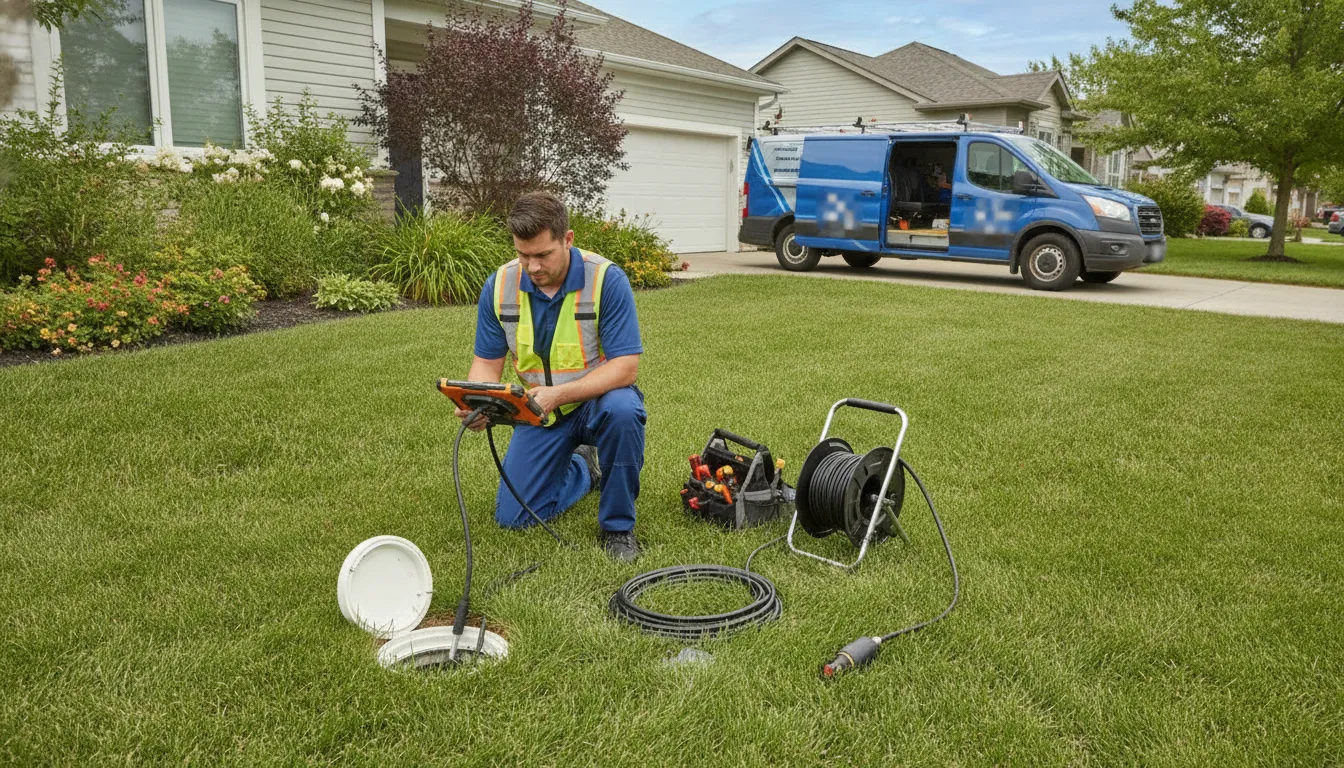
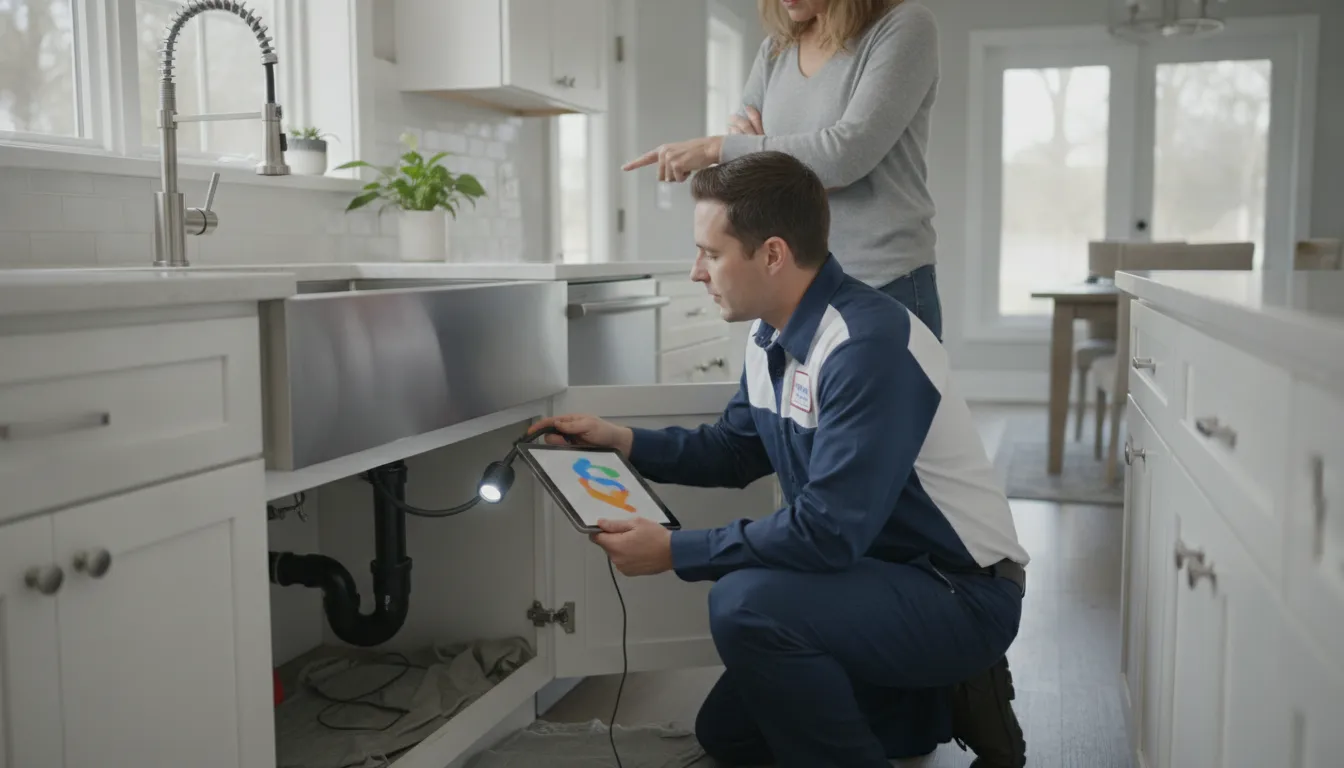
You can’t fix a problem you can’t see. That’s why a sewer camera inspection is always the first and most important step. A plumber feeds a high-resolution, waterproof camera into your sewer line to get a real-time look at its condition. This eliminates all guesswork, showing the exact location and nature of the damage, whether it’s cracks, corrosion, tree root intrusion, or a full collapse.
This inside view is critical because it helps determine if the pipe is structurally sound enough for a trenchless repair. Without this diagnostic step, you’d be flying blind. A camera inspection provides the hard evidence needed to recommend the most effective and lasting emergency plumbing solution, ensuring you don’t pay for a fix that won’t work.
What a Plumber Assesses Before Making a Recommendation
Once the camera inspection is complete, a professional plumber will analyze several key factors before suggesting a repair method. The best choice always depends on how bad the damage is and what makes the most sense for your property. Your plumber will consider the type and severity of the damage, the pipe’s material and age, and its depth and location.
They will also evaluate your property’s layout, including landscaping, driveways, and any other structures that might be in the way. By looking at the complete picture, an expert can explain your options, outline the scope of the job, and provide a clear cost estimate. We believe in this transparent, customer-first approach, so you can feel confident you’re making a well-informed decision for your home.
Key Questions to Ask Your Plumbing Pro
When your plumber presents their findings, you should feel empowered to ask questions. This is your home, and you deserve to understand the “why” behind any recommendation.
Here are a few key questions to get the conversation started:
- Based on the camera inspection, what is the exact problem with my sewer line?
- Which repair method do you recommend, and why is it the best fit for this situation?
- What are the total estimated costs for each option, including any potential restoration work?
- How long will the repair take, and what level of disruption should I expect?
A trustworthy professional will be happy to answer your questions and explain why, for example, a trenchless repair is ideal for cracks or why a collapsed line requires traditional excavation. When you’re ready for a clear diagnosis, contact our team to schedule an inspection.
Expert Sewer Repair for Your Metro Detroit Home
Dealing with a sewer line issue is probably the last thing you want on your to-do list. It’s stressful, messy, and the thought of digging up your beautiful yard can be overwhelming. Deciding between a modern trenchless repair and a traditional one adds another layer of complexity. But you don’t have to sort through it all by yourself. Having a trusted local plumber who can clearly explain your options makes all the difference.
As a family-owned company, we understand how much your home means to you. At Mr. Pipey, our goal is to provide the right solution for your specific problem, not just a one-size-fits-all fix. Our experienced technicians will carefully assess your sewer line to determine the best course of action, whether it’s a modern trenchless repair or a necessary traditional excavation. We pride ourselves on our honest recommendations and our commitment to treating every client like family.
We know that sewer problems often happen at the worst possible times, which is why we offer reliable emergency plumbing services across the Metro Detroit area. From the initial inspection to the final repair, we focus on providing cost-effective, long-lasting workmanship that you can depend on for years to come. We stand behind our work with a 100% customer satisfaction guarantee, giving you peace of mind. If you’re facing sewer troubles, let our family help yours. Contact us today, and we’ll get your home’s plumbing back on track.
Related Articles
- Trenchless Sewer Replacement: A Complete Guide
- Trenchless Sewer Line Repair: The No-Dig Guide
- Trenchless Pipe Repair: The Ultimate Guide
- Trenchless Sewer Line Replacement Cost: A 2026 Guide
Frequently Asked Questions
How do I know which repair method is right for my home? The only way to know for sure is with a professional sewer camera inspection. The best method depends entirely on the specific problem inside your pipe. For instance, if the pipe has cracks or root intrusion but is still structurally sound, trenchless is often a great fit. If the pipe has completely collapsed, traditional excavation is usually the only way to fix it. A thorough inspection removes the guesswork and lets us recommend the most effective, long-lasting solution for your situation.
Is a trenchless repair really as strong as a traditional replacement? Yes, absolutely. It’s a common concern, but the materials used in trenchless repairs are incredibly durable. The epoxy resin used in pipe lining creates a new, seamless pipe that is resistant to corrosion and root intrusion. This new pipe is designed to last for 50 years or even longer, often outperforming the materials used in older, traditional pipes. You are getting a permanent solution, not just a temporary patch.
Why is trenchless repair sometimes cheaper if the initial quote is higher? This comes down to looking at the total project cost, not just the initial plumbing bill. A traditional repair quote typically doesn’t include the money you’ll have to spend afterward to fix your property. Restoring your lawn, repaving a driveway, or rebuilding a patio can add thousands of dollars to the final price. Since trenchless repair leaves your yard intact, you avoid all those secondary restoration costs, often making it the more cost-effective choice overall.
Can trenchless methods fix every type of sewer problem? While trenchless technology is a fantastic solution for many issues, it cannot fix everything. For the repair to work, the original pipe needs to serve as a host for the new lining. If a pipe is completely crushed or has severe sags (called “bellies”), there is nothing for the liner to bond to. In these cases, traditional excavation is necessary to remove the old pipe and properly install a new one.
What happens during the sewer camera inspection? It’s a straightforward and non-invasive process. A trained technician will feed a small, high-resolution waterproof camera attached to a flexible rod into your sewer line through an accessible cleanout point. We can then watch a live video feed on a monitor that shows us the exact condition of your pipe from the inside. This allows us to pinpoint the precise location and nature of any cracks, blockages, or breaks without any guesswork.