
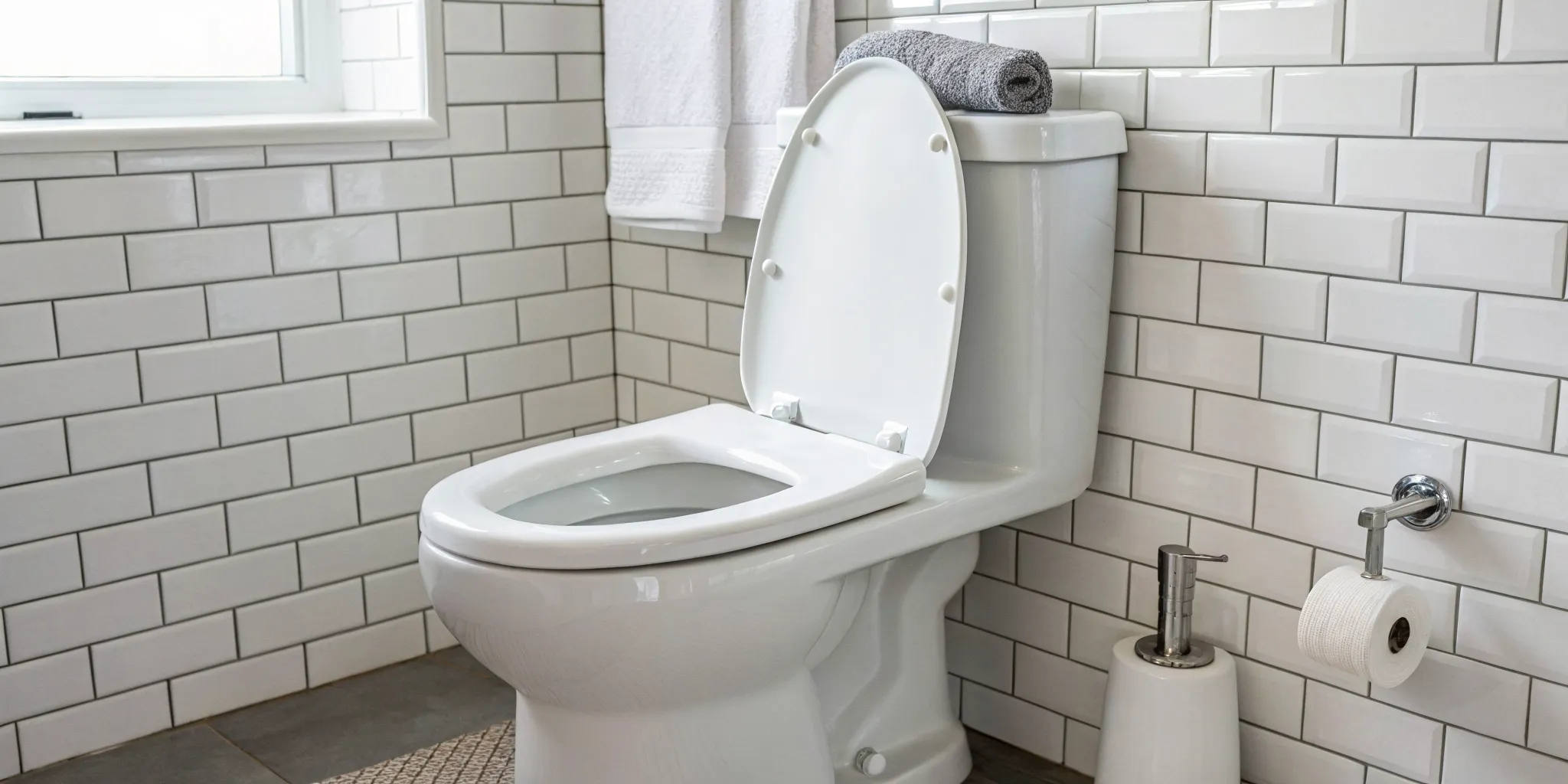
Here in Metro Detroit, hard water can be tough on our home’s plumbing fixtures. Over time, mineral buildup can cause components inside your toilet tank to stick or degrade, which is a common reason a toilet keeps running after flush push button activation. A faulty seal or a stuck float might be the simple culprit behind that constant hissing. As your local plumbing experts, we want to empower you with the knowledge to handle these common issues. This guide offers practical advice tailored for homeowners like you, walking you through the simple checks and fixes that can solve the problem and prevent it from happening again.
Key Takeaways
- Start with a simple visual check: Most running toilets stem from a few common issues inside the tank. Look for a worn-out seal at the bottom, a water level that is too high, or a float that is caught on another part.
- Try cleaning and adjusting first: Before buying new parts, shut off the water and clean the flush valve seal to remove any debris. You can also adjust the float to lower the water level, which often solves the problem without any cost.
- Recognize when to call a professional: If basic fixes do not work, the problem persists, or you have a complex dual-flush model, calling a plumber is the most effective solution. It saves time and prevents a small issue from becoming a bigger one.
Why Won’t My Push-Button Toilet Stop Running?
That constant, faint sound of running water from your push-button toilet is more than just a minor annoyance; it’s a sign that water and money are literally going down the drain. While it might seem like a complex issue, the cause is usually a simple mechanical problem inside the toilet tank. Push-button toilets, including dual-flush models, operate with a few key components that can wear out or get knocked out of alignment over time. Figuring out the root cause is the first step toward a quiet bathroom and a lower water bill.
Most of the time, the problem lies with the flush valve, the fill valve, or the float mechanism. These parts work together to control the flow of water into and out of the tank. When one of them isn’t doing its job correctly, the toilet can’t tell when to stop refilling, leading to that endless running sound. Before you start thinking about a full toilet replacement, let’s walk through the most common reasons your push-button toilet won’t stop running. Pinpointing the exact issue will help you find the right solution.
A Faulty Flush Valve or Worn Seal
The flush valve seal is a rubber or silicone ring at the bottom of your toilet tank. Its job is to create a watertight barrier, holding water in the tank until you press the flush button. Over time, this seal can degrade, warp, or accumulate grime, preventing it from closing properly. When this happens, water continuously trickles from the tank into the bowl. Your toilet’s fill valve senses the dropping water level and keeps turning on to refill the tank, creating a constant cycle. A worn-out seal is one of the most frequent causes of a running toilet and, thankfully, one of the easiest to fix.
An Incorrect Water Level
Inside your toilet tank, there’s an overflow tube that acts as a safety measure to prevent the tank from overflowing. The water level in the tank should always sit just below the top of this tube. If the water level is set too high, it will constantly spill into the overflow tube and drain into the bowl. This signals the fill valve to keep running because the tank never technically reaches its “full” point. You can often correct this by simply adjusting a screw on the fill valve mechanism to lower the point at which the water stops filling, a simple fix that requires no replacement parts.
A Stuck Float
The float is a device that rises with the water level in the tank. Once it reaches a certain height, it triggers the fill valve to shut off. In some push-button toilets, this float can get caught on other components inside the tank, like the flush mechanism or the tank wall itself. If the float is stuck in a low position, it can’t rise with the water, so it never signals the fill valve to stop. The result is a toilet that runs nonstop. Gently jiggling the components can sometimes free a stuck float, but it may indicate that an adjustment is needed.
Mineral Buildup
If you live in an area with hard water, like many parts of Metro Detroit, mineral buildup can be a persistent problem for your plumbing fixtures. Over time, calcium and lime deposits can accumulate on the moving parts inside your toilet tank. This buildup can cause components like the flush valve or the float mechanism to stick in the “up” position, preventing them from sealing properly after a flush. A thorough cleaning of the internal parts can often solve the problem and restore your toilet to proper working order. Regular maintenance can help keep this issue from coming back.
A Malfunctioning Fill Valve
The fill valve is the component responsible for refilling the tank with water after you flush. Like any mechanical part, it can wear out over time. An old or faulty fill valve might fail to shut off completely, even when the float has reached the correct height. This results in a slow, steady leak that keeps the toilet running. If you’ve checked the seal, water level, and float and everything seems fine, the fill valve itself is the likely culprit. Replacing the fill valve is a common toilet repair and is often the most effective long-term solution for a persistent running toilet.
How to Pinpoint the Problem
Before you can fix your running toilet, you need to do a little detective work. That constant sound of water is a symptom, and your job is to find the cause. The good news is that most issues hide inside the toilet tank, and you can often spot them with a quick visual inspection. By systematically checking a few key components, you can narrow down the culprit and figure out your next steps. Don’t worry, you don’t need to be a plumbing expert to take a look.
We’ll walk through checking the most common problem areas: the water level, the flush valve and its seal, the float, the fill valve, and any sneaky debris that might be causing trouble. Taking a few minutes to properly identify the issue will save you time, frustration, and money in the long run. It’s the difference between a simple, five-minute adjustment and buying a part you don’t actually need. So, let’s lift the lid off that tank and see what’s going on inside.
Check the Water Level
First, take the lid off the tank and look inside. You’ll see a vertical overflow tube in the middle. The water level should sit about an inch below the top of this tube. If the water is spilling over into the tube, it’s too high. This forces the fill valve to run constantly to replace the water that’s draining away. Most fill valves have an adjustment screw or clip that allows you to lower the float, which in turn lowers the water level. This is often one of the easiest fixes for a running toilet.
Inspect the Flush Valve and Seal
The most common cause of a running toilet is a faulty flush valve seal. This is the large rubber or silicone gasket at the bottom of the tank that lifts when you flush, allowing water to rush into the bowl. Over time, this seal can degrade, warp, or crack, preventing it from creating a watertight seal. When this happens, water slowly leaks from the tank into the bowl, triggering the fill valve to constantly refill the tank. You can check its condition by turning off the water, flushing the toilet to empty the tank, and examining the seal for any visible signs of wear and tear.
Test the Float
The float is the part that senses the water level in the tank. It can be a large ball or a cup-like device that moves up and down a vertical pipe. Its job is to tell the fill valve when to shut off once the tank is full. Sometimes, the float can get stuck or snagged on other components, preventing it from rising properly with the water. If the float doesn’t rise, the fill valve never gets the signal to stop. You can test this by gently lifting the float arm yourself. If the water stops running when you lift it, you’ve found your problem: a stuck or misaligned float.
Examine the Fill Valve
What if you lift the float arm and the water doesn’t stop running? This points to a problem with the fill valve itself. The fill valve is the mechanism that lets water into the tank, and it has internal parts that can wear out. If the valve no longer shuts off even when the float tells it to, it has failed. At this point, the entire fill valve assembly usually needs to be replaced. While it’s a manageable DIY project for some, a faulty valve can be tricky, so this is often a good time to call for professional toilet repair and replacement to ensure it’s done right.
Look for Debris
Sometimes, the problem isn’t a broken part but simply a bit of gunk in the wrong place. Small particles of rust, mineral buildup from hard water, or even residue from drop-in cleaning tablets can get lodged under the flush valve seal. This tiny bit of debris is enough to prevent the seal from closing completely, creating a slow, constant leak into the bowl. After turning off the water and emptying the tank, carefully run your finger along the flush valve seal and the surface it rests on to feel for any grit or rough patches. A simple cleaning might be all you need.
What You’ll Need for the Repair
Good news: you probably won’t need to run out and buy a bunch of specialized equipment for this job. Fixing a running push-button toilet is one of the more accessible home repairs, and it usually requires just a few basic items. Before you get started, it’s helpful to gather everything you might need so you don’t have to stop midway through.
Think of this as your pre-repair checklist. We’ll cover the simple tools you’ll want on hand, the parts you might need to replace, and the most important safety step to take before you even lift the tank lid. Getting organized now will make the entire process smoother and help you get your toilet back in working order without any extra stress.
Essential Tools
You can put away the heavy-duty toolbox for this one. To fix a running push-button toilet, the main tools you’ll need are your own two hands. Most of the components inside the tank are designed to be adjusted, removed, and replaced by hand. In some cases, you might find a small screwdriver helpful for tweaking an adjustment screw on the fill valve or float, but it’s not always a necessity. The simplicity of the tool list is what makes this a great DIY project for most homeowners. It’s all about getting familiar with the parts inside the tank, not about wrestling with complicated equipment.
Potential Replacement Parts
When your toilet keeps running, the problem often comes down to a small, worn-out part. The most common issues are a faulty flush valve seal, an incorrect water level that causes water to spill into the overflow tube, or a float that’s stuck or misadjusted. Take a close look at the rubber seal at the bottom of the tank. If it looks torn, cracked, or warped, it’s time for a new one. Luckily, these replacement parts are very affordable and easy to find at most hardware or plumbing supply stores. If you’re having trouble identifying the issue or finding the right part, our team is always ready to help with professional toilet repair.
Safety First
Before you do anything else, you need to turn off the water supply to the toilet. This is the most critical step to prevent a simple repair from turning into a watery mess. Look for the small shut-off valve, which is usually located on the wall or floor behind the toilet, connected to a water line that runs up to the tank. Turn the handle clockwise until it stops. This will stop more water from entering the tank while you work. Taking this simple precaution protects your bathroom from accidental flooding and water damage. If you ever run into a bigger issue, you can always count on us for emergency plumbing help.
A Step-by-Step Guide to Fixing Your Running Toilet
Ready to roll up your sleeves and silence that running toilet? It might seem intimidating, but most of the time, this is a fix you can handle yourself with a little guidance. We’ll walk through the process together, from shutting off the water to testing your handiwork. Following these steps in order will help you diagnose and solve the problem without any guesswork. Remember to work slowly and carefully. If at any point you feel unsure or the issue seems more complicated than you expected, don’t hesitate to reach out for a professional toilet repair. Our team is always here to help get your bathroom back in working order. Let’s get started.
Step 1: Turn Off the Water and Empty the Tank
Before you do anything else, you need to stop water from flowing into the toilet. Look for a small valve on the wall or floor behind the toilet, connected to a supply line that runs to the tank. Turn this valve clockwise until it stops. This shuts off the water supply. Next, take the lid off the tank and flush the toilet, holding the button down until the tank is as empty as possible. This gives you a clear, dry-ish space to work in and prevents any unexpected spills while you investigate the toilet’s inner workings.
Step 2: Clean the Flush Valve and Seal
With the tank empty, take a look at the flush valve mechanism in the center. This is the part the push button operates. At its base, you’ll find a rubber or silicone seal. Over time, this seal can get covered in mineral buildup or small bits of debris, preventing it from closing properly. Gently wipe the seal and the valve opening with a damp cloth or sponge. Sometimes, simply cleaning away this gunk is enough to create a tight seal and stop the leak. A clean surface is crucial for a proper fit.
Step 3: Replace Worn Parts
While you’re cleaning the seal, inspect it closely for any signs of wear and tear. Is it cracked, warped, brittle, or stretched out? If the seal looks damaged, cleaning it won’t be enough. A worn-out seal can’t create the watertight barrier needed to keep water from trickling into the bowl. Luckily, replacement seals are inexpensive and available at most hardware stores. Just be sure to get the right size and shape for your specific toilet model. Carefully remove the old one and fit the new one securely in its place.
Step 4: Adjust the Water Level and Float
If the seal looks fine, the problem might be the water level in the tank. The water should sit about an inch below the top of the overflow tube (the large vertical pipe in the middle of the tank). If it’s too high, water will constantly spill into the tube and run into the bowl. You can adjust this by locating the float, which is the part that rises with the water. There’s usually an adjustment screw on the fill valve that you can turn to lower the float, which in turn lowers the fill level.
Step 5: Replace the Fill Valve (If Needed)
Have you cleaned the seal, checked the water level, and the toilet is still running? The issue might be the fill valve itself. This is the mechanism that refills the tank after you flush. If it’s faulty, it may not shut off properly, causing the tank to overfill or run continuously. Replacing a fill valve is a more involved task, but it’s a common solution for a persistent running toilet. If you’re not comfortable with this step, it’s a great time to call in a professional for a quick and reliable plumbing service.
Step 6: Test Your Work
Once you’ve made your adjustments or replaced a part, it’s time for the moment of truth. Turn the water supply valve counter-clockwise to turn the water back on. Let the tank fill up completely. Listen carefully. Do you still hear the sound of running water? Look at the water in the bowl. Is it still, or can you see ripples from water trickling in? If everything is quiet and still, give the toilet a test flush to make sure it operates correctly. Congratulations, you’ve just fixed your running toilet.
Should You Repair or Replace the Parts?
After you’ve identified the source of the running water, you’re faced with a classic DIY question: is it better to repair the specific component or replace it entirely? Sometimes, a good cleaning or a minor adjustment is all it takes. But in other cases, you might be putting a temporary band-aid on a bigger problem. Making the right choice can save you from future headaches and repeat repairs.
Deciding whether to fix a single part or opt for a full replacement comes down to a few key factors. You’ll want to look for clear signs of wear and tear, compare the costs of each option, and consider the age of your toilet and the availability of compatible parts. Thinking through these points will help you find the most effective and lasting solution for your home.
Signs It’s Time for a Replacement
Some toilet parts simply wear out over time and can’t be salvaged with a simple fix. If you open the tank and see that the flush valve seal (the rubber ring at the bottom) is warped, brittle, or covered in mineral deposits that won’t scrub off, it’s time for a new one. The same goes for a float that has a crack and is taking on water. The most common issues, like a worn-out seal or a misadjusted float, often point directly to replacement. If you’ve cleaned the parts and adjusted everything correctly but the toilet keeps running, the component itself has likely failed. For these kinds of issues, a professional toilet repair and replacement can ensure the job is done right.
Comparing the Costs: Repair vs. Replace
Before you start buying parts, it’s smart to do a quick cost comparison. A single component like a flapper or a fill valve is usually inexpensive. But if you find yourself needing to replace multiple internal parts, the costs can add up. Take a moment to price out the necessary components and add in the value of your own time. If the total cost of fixing the toilet is getting close to the price of a brand-new one, replacement might be the more sensible path. A new, modern toilet is often more water-efficient, which can save you money on your utility bills over the long run, making it a smart investment.
Considering Age and Compatibility
The age of your toilet plays a big role in the repair-versus-replace debate. If you have an older model, finding exact-match replacement parts can be a challenge. Sometimes, the only option is to replace the entire flush valve mechanism, which usually comes as a kit with a new button. Using parts that aren’t a perfect fit can lead to leaks and other problems down the road. If your toilet has seen better days and requires frequent fixes, investing in a new one might be more reliable than trying to source old parts. When you’re dealing with an older plumbing system, it’s always good to know what comprehensive plumbing services are available.
Common DIY Mistakes to Avoid
Feeling ready to tackle this repair on your own? That’s fantastic. A little DIY can be incredibly satisfying. To make sure your project goes smoothly, it helps to know about the common slip-ups that can turn a quick fix into a much bigger problem. By sidestepping these simple errors, you can get your toilet working properly without any extra stress or mess. Let’s walk through what to watch out for.
Forgetting to Turn Off the Water
This is the number one rule of any plumbing repair, but it’s surprisingly easy to forget in the heat of the moment. Before you unscrew a single thing, find the small shut-off valve on the wall behind or beside your toilet and turn it clockwise until it stops. Skipping this step means that as soon as you loosen a part, water will start spraying out, potentially causing a flood. A running toilet is annoying, but dealing with water damage is a true headache and often requires emergency plumbing services. Always turn off the water first.
Using the Wrong Replacement Parts
Not all toilet parts are created equal. While it might be tempting to grab the first flush valve seal you see at the hardware store, using the wrong one can make the problem worse. Push-button and dual-flush systems often have very specific components. If the rubber seal looks torn or worn out, take the old part with you to the store to find an exact match. Getting the right piece is essential for a secure fit. If you’re struggling to find what you need, a professional toilet repair can source the correct parts for you.
Forcing Stuck Components
If a part doesn’t want to budge, your first instinct might be to pull harder. Please don’t. Most of the inner workings of your toilet tank are made of plastic, which can become brittle over time and snap under pressure. Sometimes, the float can get stuck on its guide rod, or mineral buildup can make a connection tight. Instead of using force, try gently wiggling the component or cleaning around it to loosen any debris. Breaking a part could mean you have to replace the entire mechanism, which is a much more involved job.
Skipping a Thorough Cleaning
Often, the real reason a toilet keeps running isn’t a broken part, but simple grime. Over time, things like dirt, rust, or limescale can build up on the flush valve seal or the surface it rests on. Even a tiny piece of debris can be enough to break the seal and let water continuously trickle into the bowl. When you have the tank open, take a moment to wipe down the components with a soft cloth and a mild cleaner. A thorough cleaning might be all you need to solve the problem for good.
How to Prevent Future Toilet Troubles
A running toilet is annoying, but fixing it is just the first step. The real win is making sure it doesn’t happen again. A little proactive care can save you from the headache of a surprise plumbing problem and a higher water bill. By building a few simple habits, you can keep your push-button toilet working smoothly for years. Here’s how you can stay ahead of potential issues.
Stick to a Regular Cleaning Schedule
This might sound basic, but a consistent cleaning routine is your first line of defense. Over time, things like dirt, rust, and limescale can build up inside your toilet tank. Even those drop-in cleaning tablets can break down and leave behind gunk. This debris can get caught on the rubber seal of the flush valve, preventing it from closing all the way. When the seal can’t create a tight fit, water continuously trickles into the bowl. A quick scrub of the tank and its components every few months can prevent this buildup. If you notice persistent running despite regular cleaning, it might signal a deeper issue requiring a professional toilet repair.
Manage Hard Water Buildup
If you live in an area with hard water, you’re probably familiar with the chalky white residue it leaves behind. That same residue, known as limescale, can build up inside your toilet tank and cause problems. Limescale can form around the flush valve, making it stick open after you flush or preventing it from sealing properly. This is a common reason for a constantly running toilet. To keep this from happening, you can use a water softener for your whole house or periodically descale your toilet with a specialized cleaner. Catching it early is key, as heavy buildup can be tough to remove and may damage the toilet’s internal parts.
Watch for Early Warning Signs
Being proactive is much easier than reacting to a plumbing emergency. Get into the habit of occasionally lifting the tank lid and taking a quick look inside. Check the water level; if it’s flowing into the overflow tube, it’s set too high and needs adjustment. Also, gently nudge the float to make sure it moves freely and isn’t getting stuck on other parts inside the tank. A stuck float is a classic cause of a running toilet. Catching these small issues early can prevent them from turning into bigger problems. If you spot something that doesn’t look right and aren’t sure how to fix it, it’s always a good idea to get help with your toilet repair and replacement needs.
When to Call a Professional Plumber
While tackling a running toilet on your own can be empowering, there are times when it’s smarter to put down the wrench and pick up the phone. Knowing when to call for backup can save you from a major headache, wasted water, and a much more expensive repair down the road. If you’ve tried the basic fixes and are still hearing that constant trickle, or if you’re just not comfortable with the project, a professional can pinpoint the problem quickly and get it fixed right the first time.
Sometimes, what seems like a simple toilet issue is actually a symptom of a more complex problem. A professional plumber has the experience and specialized tools to diagnose tricky situations that aren’t obvious to the average homeowner. They can spot underlying issues like a cracked fill tube or a problem with the water pressure that a DIY fix might miss. Whether you’re dealing with a complicated modern toilet, a stubborn issue that won’t quit, or you simply value your time, getting expert help is a wise decision. For any toilet repair and replacement needs, a trusted plumber can offer peace of mind and a guarantee on their work, which is something you just can’t get from a YouTube tutorial.
You Have a Complex Dual-Flush System
Modern dual-flush and wall-mounted toilets are fantastic for saving water, but their internal mechanisms can be quite intricate. Unlike older, simpler models, many of their working parts are compact and sometimes hidden within the wall. As one expert notes, “Wall-mounted toilets that keep running usually have a problem with the flushing parts hidden inside the wall.” Attempting to fix these without the right knowledge can easily lead to bigger problems, like damaging the flush plate or the in-wall carrier system. If you have a high-efficiency or wall-mounted system, calling a professional is your safest bet to avoid accidental damage and ensure the repair is handled correctly.
The Problem Won’t Go Away
You’ve cleaned the seal, adjusted the float, and checked for obvious issues, but your toilet just keeps running. A persistent problem is a clear sign that something more serious is going on. For instance, if you lift the float arm and the water doesn’t stop, the fill valve is likely broken and needs to be replaced. Letting the issue continue isn’t just annoying; it wastes gallons of water and inflates your utility bills. Instead of guessing and potentially replacing the wrong parts, let a professional accurately diagnose the root cause. A quick service call can solve the issue for good and stop the money from going down the drain.
You Want to Save Time and Avoid Hassle
Let’s be honest, not everyone wants to spend their Saturday with their hands in a toilet tank, and that’s perfectly fine. Your time is valuable, and some home repairs are best left to those who do them every day. Fixing a toilet, especially a tricky one, can be a frustrating process of trial and error. You might make multiple trips to the hardware store only to find you bought the wrong part. If you’re feeling unsure or simply don’t have the time, calling a plumber is a great way to save yourself the hassle. A professional can handle the job efficiently, guaranteeing the work is done right and giving you back your weekend.
Related Articles
- Toilet Button Flush Running? Here’s How to Fix It
- Toilet Push Button Flush Valve: An Expert Guide
- Toilet Keeps Running After Flush? 5 Easy DIY Fixes
Frequently Asked Questions
Why is my push-button toilet making that constant running sound? That sound usually means water is leaking from the tank into the bowl, and the toilet is constantly trying to refill itself. The most common reasons are a worn-out rubber seal at the bottom of the tank, a water level that’s set too high and spilling into the overflow tube, or a fill valve that has simply stopped working correctly.
What’s the very first thing I should check? Before you buy any parts, take the lid off the tank and look at the water level. It should be about an inch below the top of the tall, open pipe in the middle. If the water is flowing into that pipe, it’s too high. You can usually lower it by turning an adjustment screw on the fill mechanism, which is often the quickest and easiest fix.
How can I tell if a part is broken or just dirty? A dirty part can often be saved, but a broken one needs to be replaced. After you turn off the water and empty the tank, feel the large rubber seal at the bottom. If it feels slimy or has some grit on it, a good cleaning might solve your problem. If it looks cracked, warped, or feels brittle, it has worn out and needs to be replaced.
I’ve cleaned the parts and adjusted the water level, but it’s still running. What’s next? If you’ve tried the basic fixes and the problem continues, the issue is most likely a faulty fill valve. This is the whole mechanism that lets water into the tank. While some people are comfortable replacing this part themselves, it’s a more involved repair. This is usually the point where calling a professional is the most reliable way to solve the problem for good.
Are those drop-in cleaning tablets safe for my push-button toilet? It’s best to avoid them. While they keep the bowl clean, the chemicals in those tablets can cause the rubber and plastic components inside your tank to break down much faster. A degraded flush valve seal is one of the most frequent causes of a running toilet, so you might be creating a future problem while trying to solve a current one.