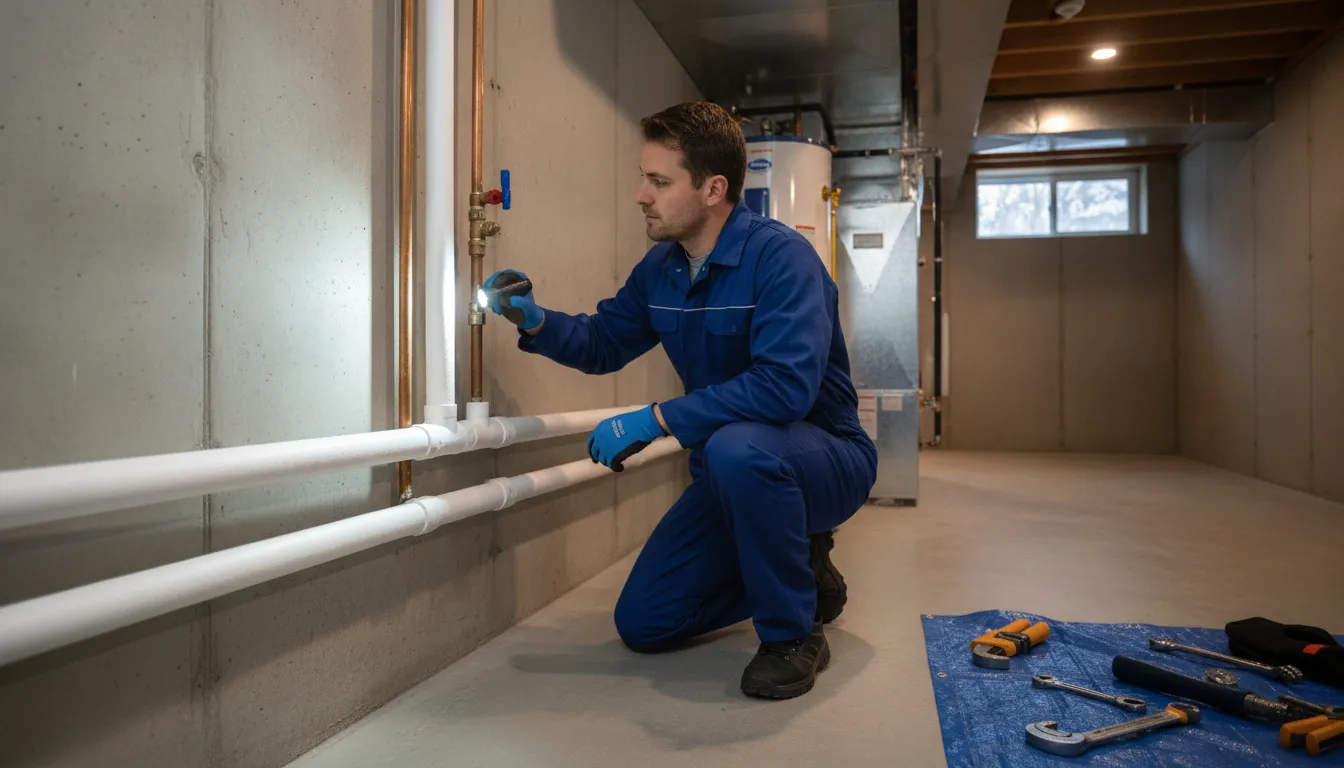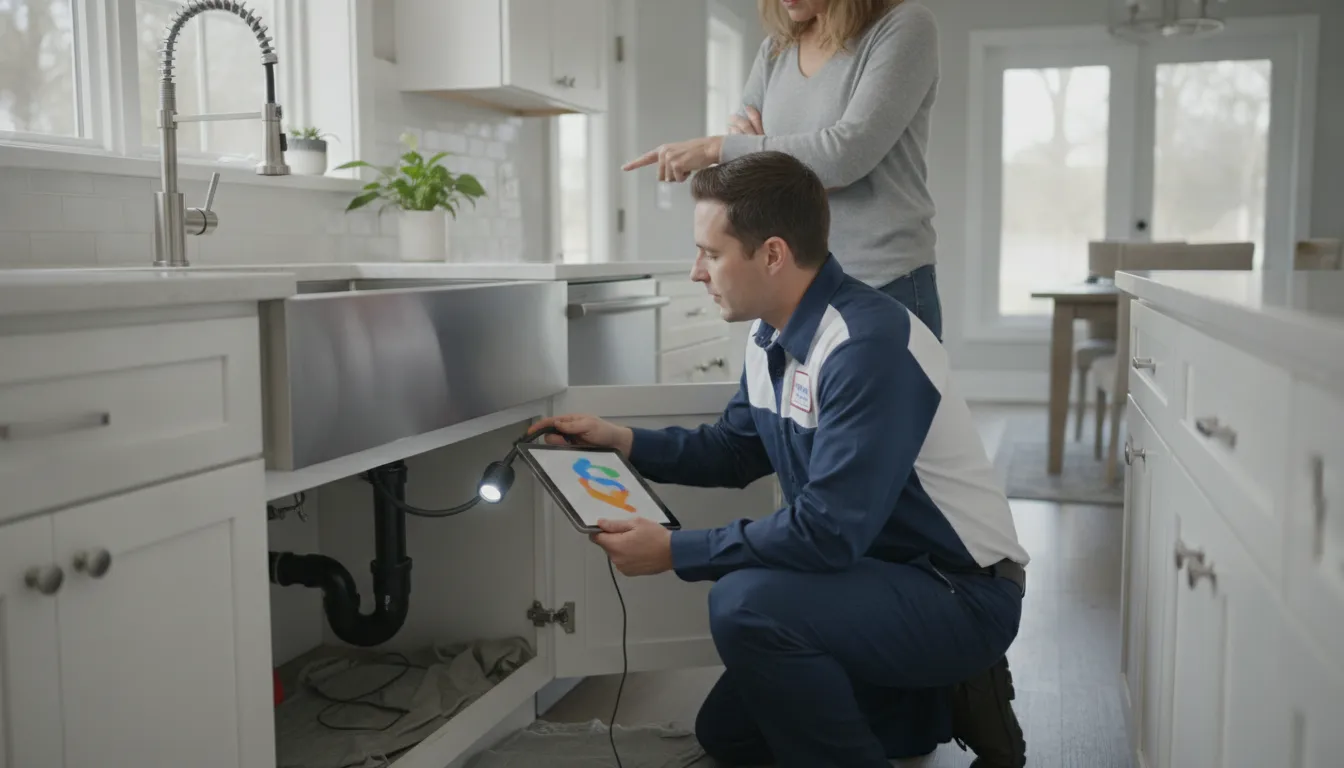

That water coming up from your basement floor drain is a clear signal something is seriously wrong. A sewage backup basement flood isn’t just a simple clog; it’s a system-wide failure in your main sewer line, pushing contaminated wastewater right back into your home. Spotting the early warning signs—like gurgling pipes or slow drains—is your best defense. Here, we’ll break down the common causes, from invasive tree roots to aging pipes, and give you actionable strategies to prevent a costly, unhealthy disaster before it ever starts.
Key Takeaways
- Practice proactive plumbing care: You can prevent most backups by being careful about what you flush and rinse down drains, scheduling routine professional cleanings, and installing a backwater valve for an extra layer of defense.
- Recognize the signs of a main line clog: Don’t ignore widespread plumbing issues. If multiple drains are slow, you hear gurgling sounds, or smell sewage, it points to a blockage in your main sewer line that needs professional attention.
- Prioritize safety during a backup: A sewage backup is a health hazard. Your immediate response should be to stop all water use, keep people and pets away from the contaminated area, and call an emergency plumber to handle the situation safely.
Why Is Sewage Backing Up in My Basement?
Few things are more stressful for a homeowner than discovering a sewage backup in the basement. It’s messy, hazardous, and can cause significant damage. Understanding what’s behind the problem is the first step toward a solution. Most backups happen because something is preventing wastewater from flowing freely away from your house. From simple clogs to major pipe damage, let’s look at the most common reasons your drains are sending everything back the wrong way.
A Clogged Main Sewer Line
Your home has a main sewer line that carries all wastewater to the municipal sewer system. When this single, crucial pipe gets blocked, the waste has nowhere to go but back into your home, usually at the lowest point: the basement floor drain. These clogs don’t happen overnight. They typically form from a gradual buildup of grease, hair, soap scum, and other debris. If you notice that flushing a toilet causes water to gurgle in your shower, or running the washing machine makes your sinks drain slowly, you might have a main line clog. This is a serious issue that requires immediate attention from a professional with the right tools to clear the blockage safely.
How Tree Roots Invade Your Pipes
The beautiful, mature trees in your yard could be the hidden cause of your plumbing nightmare. Tree roots are naturally drawn to the water and nutrients inside your sewer pipes. They can work their way into tiny cracks or loose joints in the line, especially in older clay or cast iron pipes. Once inside, the roots expand and create a dense web that catches waste and toilet paper, eventually forming a solid, stubborn clog. A root intrusion can also break the pipe, leading to even bigger problems. If you have large trees on your property, it’s a good idea to be aware of this potential risk.
When Heavy Rains Overload the System
Sometimes the problem isn’t inside your pipes but with the city’s system. During heavy rainstorms, municipal sewer systems can become overwhelmed with excess water. When the public sewer can’t handle the volume, the pressure can force water and sewage to flow backward into your home’s pipes. This is especially common in older areas where stormwater and raw sewage share the same pipes. A properly installed and maintained sump pump is your best defense against this kind of flooding, as it works to pump excess water out and away from your foundation.
Are Your Pipes Old or Damaged?
Your home’s plumbing doesn’t last forever. Over time, sewer lines can break down, crack, or collapse due to age and shifting soil. Older homes with cast iron or clay pipes are particularly vulnerable, as these materials can corrode and become brittle. When a pipe is damaged, it can no longer maintain a smooth, clear path for waste to flow. Soil and debris can get inside the broken section, creating a blockage, while wastewater can leak out into your yard. A broken sewer line is a serious plumbing emergency that often requires professional pipe repair or replacement.
Think Twice Before You Flush
What you flush can have a huge impact on the health of your plumbing. Your toilet is only designed to handle human waste and toilet paper. Flushing anything else can lead to a nasty clog. Common culprits include paper towels, cotton balls, dental floss, and so-called “flushable” wipes, which don’t break down nearly as well as toilet paper. Feminine hygiene products are another major cause of blockages. These items can get caught in your pipes and combine with grease and other gunk to create a blockage that can trigger a full-blown sewage backup. Being mindful of what goes down the drain is one of the easiest ways to prevent a future plumbing emergency.
How to Spot a Sewage Backup Early
A sewage backup rarely happens out of the blue. More often than not, your home’s plumbing system will give you a few clues that trouble is brewing deep within the main sewer line. Learning to spot these signals is key to catching a problem before it turns into a messy, expensive, and unhealthy emergency in your basement. Think of it as your home trying to tell you something is seriously wrong. When you notice strange sounds, smells, or slow drains, it’s your cue to investigate and, more than likely, call in a professional. Acting quickly can be the difference between a simple fix and a major restoration project involving costly water damage and extensive cleanup. These early warnings are your best defense against a plumbing disaster. They give you a chance to be proactive instead of reactive. By understanding what to look for, you can protect your property and your family’s health. Don’t ignore what your pipes are telling you. Here’s what you should be looking, listening, and sniffing for.
Are All Your Drains Suddenly Slow?
One slow drain in the kitchen sink is annoying, but it’s usually a simple clog. However, if you notice the toilet is flushing slowly, the shower is taking forever to drain, and the bathroom sink is backing up, you have a bigger issue on your hands. When multiple fixtures are draining slowly at the same time, it’s a classic sign that the problem isn’t a local clog but a blockage in your main sewer line. All the wastewater from your home is struggling to get past one central obstruction. Don’t wait for the drains to stop completely; this is a clear signal to call for emergency plumbing help.
That Unmistakable Sewer Smell
You know that distinct, unpleasant smell of sewage. If that odor is wafting up from your drains, don’t just light a candle and hope it goes away. That smell is sewer gas, and it’s escaping into your home for a reason. It could be from a blockage trapping waste in the pipes, or it might mean the P-trap in a floor drain has dried out, breaking the water seal that normally keeps gases out. Either way, a persistent foul odor is a sure sign that your drainage system isn’t working correctly. It’s a problem that needs a professional diagnosis to pinpoint the source and fix it for good.
What’s That Gurgling Sound?
Your plumbing shouldn’t sound like a science experiment. If you hear gurgling noises coming from your toilet or drains, especially after flushing or when an appliance like the washing machine is draining, listen up. That gurgling sound is caused by trapped air being forced back up through the water in your pipes. It’s a strong indicator that a clog is forming somewhere down the line, preventing both water and air from flowing freely. Think of it as your pipes gasping for air. Ignoring these sounds can lead to a complete backup, so it’s best to have your plumbing system checked out.
Finding Puddles Around Floor Drains
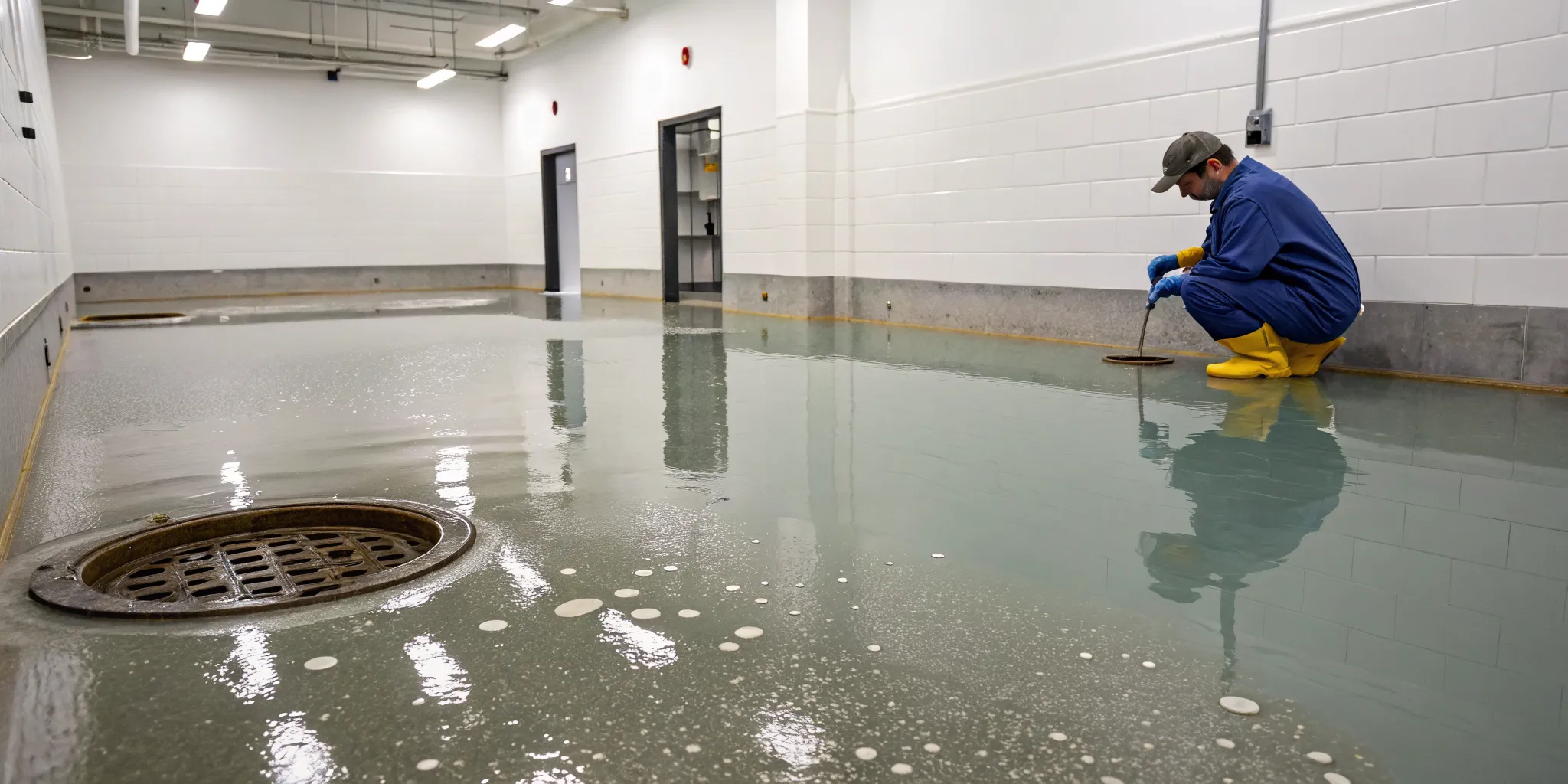
Your basement floor drain is your last line of defense against flooding, but it’s also the first place a sewer backup will show itself. Because it’s the lowest drain in your house, any wastewater that can’t exit through the main sewer line will come back up through it. If you see water pooling around the floor drain, even a small amount, it means the backup has already started. This isn’t just water; it’s contaminated wastewater that poses serious health risks. This situation requires immediate attention, so stop using your water and call for emergency plumbing services right away.
Check Your Yard for Outdoor Warning Signs
Sometimes the most significant clues about a looming plumbing disaster aren’t inside your house at all. Your yard can offer clear signs that your sewer line is in trouble. For instance, large, mature trees on your property, while beautiful, can pose a serious risk. Their roots are naturally programmed to seek out water and nutrients, and your sewer pipe is an irresistible source. These roots can invade even the smallest cracks or joints, particularly in older clay or cast iron pipes, growing into a dense mass that causes a stubborn blockage. If you have big trees near your sewer line, it’s important to understand the potential for root intrusion before it leads to a major backup.
You should also pay close attention to the condition of your lawn itself. If you notice a soggy patch of ground or an area of grass that is unusually green and lush compared to the rest of your yard, don’t just credit your gardening skills. This can be a telltale sign that your sewer line is leaking underground, releasing wastewater that is fertilizing the soil. This isn’t just a plumbing problem; it’s a potential health hazard that can contaminate your property. Spotting these outdoor warning signs early gives you the chance to call a professional and address the issue before it escalates into a much more serious and costly emergency.
What to Do Immediately During a Sewage Backup
A sewage backup is one of the most stressful plumbing problems a homeowner can face. It’s messy, hazardous, and needs immediate attention. While your first instinct should be to call for professional help, there are a few critical steps you can take in the first few minutes to prevent further damage and keep your family safe. Acting quickly can make a significant difference. If you’re facing this situation, stay calm and follow these steps while you wait for our emergency plumbing team to arrive.
Stop Using Water Immediately
This is the most important first step. Your home’s plumbing is a connected system, and any water you use will end up in the same main sewer line that’s already backed up. Do not use toilets, showers, or washing machines, as this will force more water into the basement and make the flooding worse. Stop running the dishwasher, and don’t even wash your hands in the sink. Inform everyone in the house to stop using all water sources until the clog is cleared. This simple action prevents the situation from escalating while you wait for professional help to arrive and address the root cause of the backup.
Safely Turn Off the Power
Water and electricity are a dangerous combination. If the sewage backup is near electrical outlets, appliances, or your home’s breaker box, there is a serious risk of electrocution. If you can safely access your main breaker panel without walking through water, turn off the electricity to the affected area. However, if the panel is in the flooded part of your basement or you have any doubt about your safety, do not attempt this. Your safety is the top priority. In this case, leave it for the professionals who have the proper equipment to handle the situation without risk.
How to Find Your Main Sewer Cleanout
While you wait for your plumber to arrive, you can help speed up the repair process by locating your main sewer cleanout line. This is a pipe with a cap on it that provides direct access to your sewer line. You can usually find it in the basement, crawlspace, or sometimes outside your home near the foundation. Finding this access point ahead of time allows our technicians to get to work immediately upon arrival, saving valuable time in a critical situation. Just locate it and let the plumber know where it is; don’t try to open it or clear the clog yourself, as this can release hazardous sewer gas.
Open Windows and Keep a Safe Distance
Raw sewage contains harmful bacteria, viruses, and other pathogens that can pose serious health risks. To protect your family, make sure people and pets stay away from the sewage and the entire contaminated area. Close the doors to the affected room to contain the spread of contaminants and foul odors. If possible, open any windows in the flooded area to help ventilate the space and allow fumes to escape. Do not attempt to touch the contaminated water or start any cleanup efforts without wearing the proper personal protective equipment (PPE), like gloves, boots, and a mask.
Take Immediate Steps to Reduce Health Risks
When you’re dealing with a sewage backup, your family’s safety is the top priority. The raw sewage flooding your basement is filled with harmful bacteria and viruses, so it’s crucial to keep everyone, including your pets, far away from the contaminated area. If you can do so safely, open a few windows to help ventilate the space and clear out some of the hazardous fumes. Under no circumstances should you touch the contaminated water or items without full protective gear, including waterproof boots, gloves, and a mask. These immediate actions help contain the health risks while you wait for a professional emergency plumbing team to handle the cleanup safely.
Take Photos for Your Insurance Claim
Once you’ve taken care of the immediate safety concerns, your next step is to think about your insurance claim. Before any cleanup begins, take photos and videos of the damage from a safe distance. Document the extent of the flooding, the high-water mark on the walls, and any items that have been damaged by the sewage. This visual evidence is crucial when you file a claim with your homeowner’s insurance provider. Contact your insurance agent as soon as possible to report the incident and find out what your policy covers. Clear documentation will make the claims process much smoother.
How to Handle Minor Drain Clogs Yourself
If you’re dealing with a small backup or a slow-moving floor drain, you might be able to handle it yourself before calling in the pros. A minor clog is often just a local issue within that specific drain line. Trying a few simple, safe techniques can sometimes get things flowing again without much fuss. The key is to know which methods to try and, more importantly, when to stop and pick up the phone. These steps are for minor clogs only; if you see significant water or raw sewage, it’s best to skip the DIY and call for professional help right away.
How to Use a Plunger the Right Way
A good plunger can be surprisingly effective, but technique matters. For a floor drain, you’ll want a standard cup plunger that can create a strong seal against the flat surface. Before you start, you might want to apply a bit of petroleum jelly to the rim of the plunger to improve the seal. If there are other drains nearby, like a utility sink, cover them with a wet rag to ensure all the pressure is directed toward the clog. Push down firmly but steadily to force air out, then pull up sharply. The suction from the upward pull is what usually dislodges the blockage. Repeat this several times to see if it clears the drain.
When to Use a Drain Snake
If plunging doesn’t do the trick, a drain snake, also known as a plumber’s auger, is your next best tool. You can find manual or electric versions at most hardware stores. Carefully feed the flexible cable down into the drain until you feel resistance, which is likely the clog. Once you hit it, tighten the setscrew and turn the handle to rotate the cable. This action helps the snake’s tip either break up the obstruction or hook onto it so you can pull it out. Work slowly and avoid forcing the snake, as you could damage your pipes. It’s a reliable method for reaching clogs that are a little deeper in the line.
Is Your P-Trap Just Dry?
Sometimes, the problem isn’t a clog but a foul odor coming from the drain. This is often caused by a dry P-trap. The P-trap is the U-shaped section of pipe under the drain designed to hold a small amount of water. This water acts as a barrier, blocking sewer gases from entering your basement. If the floor drain isn’t used for a long time, this water can evaporate. The fix is simple: just pour a gallon of water down the drain to refill the trap. To help slow down future evaporation, you can add a few tablespoons of mineral oil on top of the water.
The Classic Baking Soda and Vinegar Trick
For a less mechanical approach to clearing minor gunk, a baking soda and vinegar solution can work wonders. This method is much safer for your pipes than harsh chemical drain cleaners. Start by pouring about a cup of baking soda directly into the drain, followed by a cup of white vinegar. The mixture will fizz and bubble, which helps break down grease, soap scum, and other organic buildup. Let it sit for at least 30 minutes, then flush the drain thoroughly with a few gallons of hot water. This is a great maintenance tip, but it won’t be effective against solid blockages or tree roots.
Know When to Stop and Call a Pro
While DIY methods can solve minor issues, it’s crucial to recognize when a problem is beyond your scope. If you’ve tried these techniques and the drain is still clogged, or if the backup is getting worse, it’s time to stop. You should also call a professional immediately if you notice backups in multiple drains, hear persistent gurgling sounds from your pipes, or see raw sewage. These are signs of a deeper issue in your main sewer line. Forcing a tool or using harsh chemicals can cause permanent pipe damage, leading to a much bigger and more expensive problem. When you’re in doubt, calling for emergency plumbing services is the safest bet.
Why Sewage Exposure Is a Serious Health Risk
A sewage backup isn’t just a messy inconvenience; it’s a serious health hazard that needs immediate attention. The water flooding your basement, often called “blackwater,” is contaminated with a nasty mix of bacteria, viruses, and other pathogens that can make you and your family sick. Exposure can lead to gastrointestinal issues, skin infections, and other illnesses. Because the risks are so high, it’s crucial to handle the situation with extreme care. For anything more than a very small, contained puddle, your safest option is to call for emergency plumbing services to ensure the problem is resolved safely and thoroughly. Protecting your family’s health is the top priority.
The Dangers of Contaminated Water
The foul odor of a sewage backup is just the first sign of trouble. That contaminated water is teeming with harmful microorganisms from human waste, including bacteria like E. coli and salmonella, as well as viruses and parasites. Direct contact with the water or even inhaling the airborne particles can lead to significant health problems. These pathogens can enter your body through your skin, especially if you have any cuts or scrapes, or through your mouth, nose, and eyes. This is why you should never treat a sewage backup like a simple water spill. The invisible dangers are far more serious than the visible mess, making professional cleanup essential for restoring a safe home environment.
Specific Germs Found in Black Water
To understand the risk, it helps to know exactly what you’re dealing with. Black water is a breeding ground for a host of dangerous pathogens. It commonly contains bacteria like E. coli and Salmonella, which are known to cause severe gastrointestinal distress, fever, and cramps. You can also find viruses like Hepatitis A and Norovirus, along with parasites such as Giardia and Cryptosporidium. These aren’t things you can see or simply wipe away. Exposure happens through skin contact, especially with open cuts, or by accidentally ingesting contaminated particles that have become airborne. This is why a sewage backup requires immediate professional intervention; the invisible threat is often the most dangerous one, and only a thorough, professional cleanup can ensure your home is safe again.
What Protective Gear Do You Need?
If you’re dealing with a very minor backup and feel you can safely begin cleanup, you must protect yourself first. Sewage is a health hazard, and you need to create a complete barrier between your body and the contaminated water. Start with waterproof, knee-high rubber boots and heavy-duty rubber gloves (not the thin kind you use for dishes). You’ll also need safety goggles to protect your eyes from splashes and a face mask, preferably an N95 respirator, to avoid inhaling harmful airborne contaminants. Wearing old clothes that you can throw away afterward is also a good idea. This gear is non-negotiable for your safety.
The Hidden Danger of Mold Growth
A sewage backup does more than just flood your basement; it creates the perfect breeding ground for mold. In the damp, dark conditions left behind, mold can begin to grow in as little as 24 to 48 hours. This isn’t just a cosmetic issue. Mold releases spores into the air that can cause serious health problems, including allergic reactions, asthma attacks, and other respiratory issues. Simply removing the water isn’t enough. To truly protect your home and family, the entire affected area must be thoroughly cleaned, sanitized, and dried by professionals. If you suspect mold is already growing, it’s critical to address it immediately to prevent it from spreading further throughout your home.
When to Evacuate Your Home
In some cases, a sewage backup is more than a plumbing problem—it’s a reason to leave your home immediately. Your family’s safety should always come first. If the sewage has spread from the basement into your main living areas, if you can smell a strong sewer gas odor throughout the house, or if anyone starts to feel sick, it’s time to evacuate. These are signs that the air itself is contaminated, posing significant health risks, especially for those with breathing problems. Don’t forget your pets; they are also vulnerable. You should stay elsewhere until a professional emergency plumbing service has not only fixed the backup but has also completely cleaned and sanitized the area, making it safe to return.
Your Guide to a Safe Cleanup Process
For a small, manageable spill, you can start the cleanup process once you’re wearing full protective gear. First, remove any solid waste using a shovel and place it in heavy-duty plastic garbage bags. Next, use a wet-dry vacuum to remove the remaining water. After the area is clear, scrub all affected surfaces, including floors and walls, with hot water and a low-suds soap. Finally, you need to disinfect everything. Use a solution of one cup of household bleach per gallon of water to scrub the area again. This will kill any lingering germs and help eliminate odors. Remember, this is only for minor incidents. If the backup is extensive, please contact us immediately for professional help.
What to Keep and What to Throw Away
After a sewage backup, deciding what to save can be tough, but your guiding rule should be: when in doubt, throw it out. The decision hinges on whether an item is porous or non-porous. Porous materials like carpets, rugs, mattresses, upholstered furniture, drywall, and unsealed wood act like sponges, absorbing the contaminated “blackwater” and all the dangerous pathogens within it. These items are impossible to clean completely and pose a serious risk for mold growth, so they must be discarded. Non-porous items like hard plastics, metal, glass, and sealed concrete can often be salvaged. However, they require a meticulous cleaning and disinfection process using a bleach solution to be made safe again. Your family’s health is the top priority, so never take a chance on an item you can’t guarantee is 100% sanitized.
When Should You Call a Professional Plumber?
While it’s tempting to try and fix every home issue yourself, a sewage backup is one problem you shouldn’t tackle alone. Some situations are messy and inconvenient, while others are genuine emergencies that pose a risk to your home and health. Knowing the difference can save you a lot of time, money, and stress. If you’re facing more than a simple, isolated clog, it’s time to put down the DIY tools and pick up the phone. A professional has the right equipment and expertise to diagnose the root cause and fix it safely.
Is It a True Plumbing Emergency?
If you see or smell sewage coming up through your basement floor drain, you’re dealing with a serious problem. This isn’t just an unpleasant odor; it’s contaminated water that can cause significant damage to your home’s foundation, flooring, and personal belongings. More importantly, exposure to raw sewage is a major health hazard for you and your family. Don’t wait to see if it gets better on its own. A sewage backup is a true plumbing emergency that requires immediate attention from a licensed plumber who can safely manage the situation and prevent further contamination.
Who to Call After a Sewage Backup
When your basement is flooding with sewage, it’s hard to think straight. You know you need help, but who do you call first? Making the right calls in the right order can save you from further damage and get your home back to normal faster. It’s not just about one phone call; it’s about assembling a team of professionals to tackle the problem from every angle. Your response team will typically include an emergency plumber to fix the cause, a restoration company to handle the hazardous cleanup, and in some cases, your local municipality. Let’s break down who to contact and when.
Your Plumber, a Restoration Company, and the City
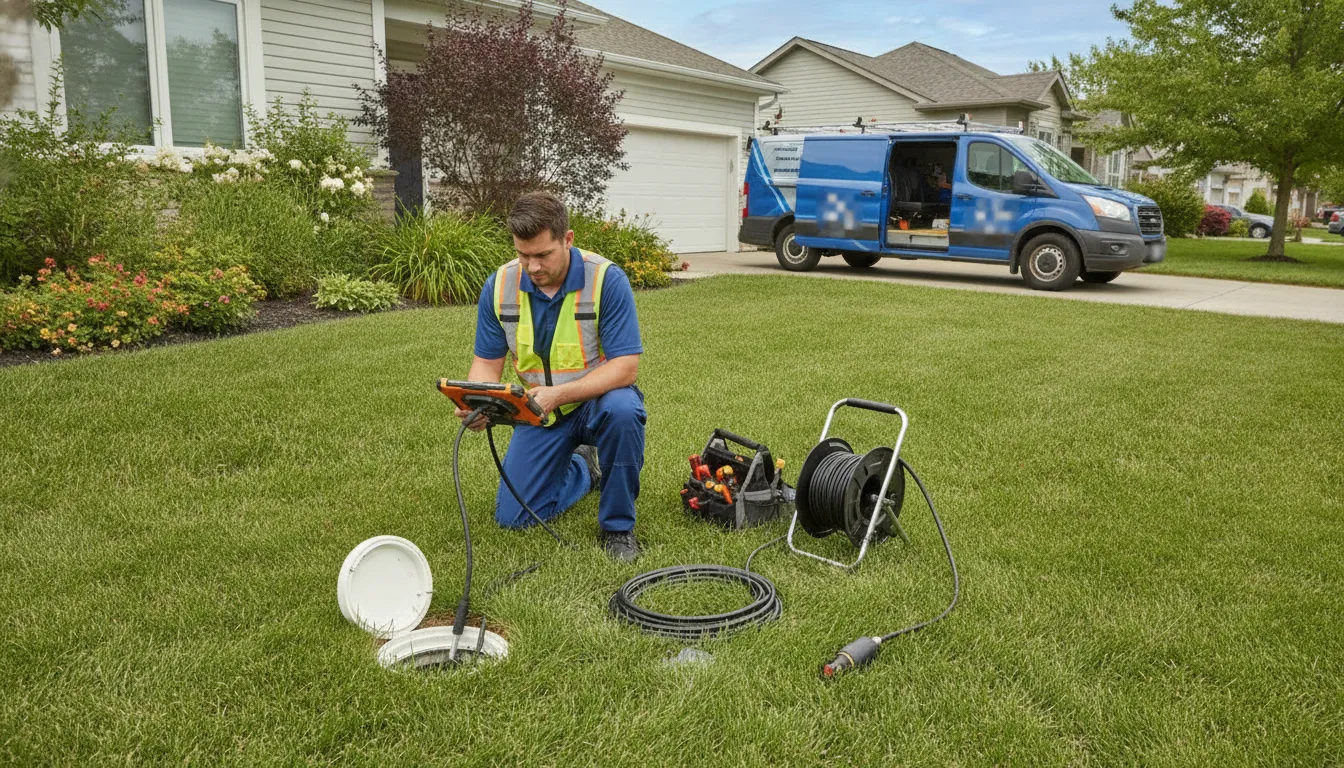
Your first and most important call should be to an emergency plumber. A professional team, like us at Mr. Pipey, can get to your home quickly to stop the flow of sewage and diagnose the root cause of the backup. The plumber’s job is to fix the pipe and restore your home’s drainage system, which is the critical first step that makes all other cleanup efforts possible. We have specialized tools like sewer cameras to find the exact location of the blockage and high-powered equipment to clear it effectively, whether it’s a stubborn clog or invasive tree roots. Don’t wait; getting the source of the problem handled immediately prevents more contaminated water from entering your home.
Once the plumbing is under control, your next call is to a professional water damage restoration company. A plumber fixes the pipes, but a restoration company handles the hazardous cleanup. They have the proper training and industrial-grade equipment to safely remove contaminated water, dry out the area, and disinfect every surface to prevent mold growth and eliminate health risks. Your plumber can often recommend a trusted local company. At the same time, you should contact your homeowner’s insurance agent. They will guide you through the claims process and let you know what your policy covers for this type of damage.
In some situations, you may also need to contact your city or municipal public works department. This is usually necessary if the backup is not caused by a clog in your private sewer line but by a blockage in the main city sewer. How can you tell? If your neighbors are experiencing similar backups at the same time, it’s a strong sign the problem is with the municipal system. Your plumber can also help determine this by inspecting your line up to where it connects with the city’s main. If the issue is on their end, the city is responsible for the repair.
How to Spot Major Sewer Line Damage
Is it just one slow drain, or are multiple fixtures acting up? If your toilet, shower, and sinks are all draining slowly or backing up at the same time, the problem likely isn’t a simple clog. This is a classic sign that your main sewer line is blocked. You might also notice water or sewage backing up out of the main sewer line cleanout, which is a pipe with a cap that provides access to the line. Remember, water coming from a floor drain almost never means the floor drain itself is the issue. It’s a symptom of a much larger blockage in your home’s main drain.
Why Professional Tools Make a Difference
Diagnosing and fixing a main sewer line clog requires specialized knowledge and equipment. A professional plumber can accurately identify what’s causing the backup, whether it’s a simple blockage or something more serious like invasive tree roots. For smaller clogs, they might use a plumber’s snake, but for deep or stubborn blockages, they have powerful tools like hydro jets that use high-pressure water to clear the line completely. Trying to fix a major clog yourself without the right tools can easily make the problem worse, potentially leading to a cracked pipe. When you’re in over your head, it’s best to get in touch with a professional who can get the job done right.
Understanding the Costs and Insurance Coverage
After you’ve made the call for professional help, your mind will likely turn to the financial side of things. Dealing with a sewage backup is stressful enough without worrying about the cost of repairs and cleanup. Understanding the potential expenses and how your homeowner’s insurance works can help you manage the situation more effectively. The total cost depends on the severity of the backup, the extent of the damage, and your specific insurance policy. Let’s break down what you can expect when it comes to paying for the cleanup and who is typically responsible for the bill.
Estimating Professional Cleanup Costs
The cost of professional cleanup and restoration can vary significantly. For a minor backup contained to a small area with a concrete floor, you might be looking at a cost starting around $1,000 to $3,000. However, for extensive flooding that affects finished basements with drywall, carpeting, and personal belongings, the cost can easily exceed $10,000. The price depends on several factors, including the amount of contaminated water that needs to be removed, the types of materials affected, and the level of sanitation required to make your home safe again. This estimate is for the cleanup itself and is separate from the cost of the actual plumbing repair needed to fix the cause of the backup.
Filing Your Insurance Claim Correctly
This is one area where you don’t want any surprises. Many homeowners assume a sewage backup is covered by their standard insurance policy, but that’s often not the case. Most standard policies specifically exclude damage from sewer and drain backups. To be covered, you typically need to have purchased a separate endorsement or rider for this exact situation. As soon as it’s safe, contact your insurance agent and ask specifically about your coverage for sewer backups. Be prepared to provide the photos and videos you took of the damage. Acting quickly and providing clear documentation will help streamline the claims process and get you the support you need.
Who Is Financially Responsible for the Damage?
It’s a common question: if the city’s sewer system gets overwhelmed, are they responsible for the damage to my home? While a municipality may take responsibility if the backup is proven to be a direct result of a blockage in the main public sewer line, this can be difficult to prove. In most situations, the homeowner is responsible for the sewer lateral—the pipe that runs from their house to the city’s main. If the clog, tree roots, or pipe damage is located anywhere in that line, the financial responsibility for both the plumbing repair and the subsequent cleanup falls on you. This is why addressing plumbing issues early is so important for protecting your property and your finances.
How to Prevent Future Sewage Backups
Dealing with a sewage backup is something no one wants to experience twice. The good news is that you can take proactive steps to significantly lower the risk of it happening again. A little prevention goes a long way in keeping your basement dry and your plumbing system healthy.
Consider a Backwater Prevention Valve
A backwater prevention valve is your home’s best defense against sewer system overflows. This device acts like a one-way gate, letting wastewater flow out but automatically shutting if sewage tries to flow back in. It’s especially useful during heavy storms that can overwhelm city sewer lines. Installing a sewer backwater valve is a powerful preventative measure. Our team is experienced with backflow preventers and can install one to give you lasting protection and peace of mind.
Why Regular Drain Cleaning Matters
Proactive maintenance is always more affordable than a reactive emergency. If your home is prone to clogs, consider scheduling a professional drain cleaning once a year. This service clears out accumulating grease, hair, and other debris before they can form a major blockage. As plumbing experts point out, routine cleanings are usually cheaper than emergency calls. It’s a small investment that can save you from the high cost and stress of an unexpected emergency plumbing situation.
Watch What Goes Down the Drain
Your pipes can only handle so much. To avoid clogs, remember that only human waste and toilet paper should be flushed. Items like paper towels, wet wipes, and feminine hygiene products belong in the trash. In the kitchen, never pour grease, fats, or oils down the sink; they solidify in pipes and create stubborn blockages. Being careful about what goes down your drains is a free and highly effective way to prevent backups. If a clog does happen, our toilet repair services can get things flowing again.
Schedule a Professional Sewer Inspection
If you’re experiencing recurring backups, there might be a hidden issue in your main sewer line, like invasive tree roots or a cracked pipe. A professional sewer inspection uses a special camera to find the exact source of the problem without any guesswork. This diagnostic step is crucial for finding the real cause and providing lasting solutions. Instead of a temporary fix, let a professional identify the issue correctly so you can get the right repair. You can explore all our plumbing services to see how we can help.
Long-Term Strategies to Protect Your Basement
Once you’ve handled the immediate crisis of a sewage backup, your focus should shift to long-term prevention. After all, nobody wants a repeat performance. Taking proactive steps to protect your basement isn’t just about avoiding another messy cleanup; it’s about safeguarding your home’s value and your family’s health. Think of it as a long-term investment in your peace of mind.
A few strategic upgrades and maintenance habits can make a world of difference in keeping your basement dry and your sewer lines flowing freely. From updating your home’s plumbing infrastructure to ensuring your yard is working with you, not against you, these strategies address the root causes of backups. Let’s walk through some of the most effective ways to fortify your home against future plumbing disasters.
Should You Upgrade Your Pipes?
If you live in an older home, your pipes might be the original cast iron or clay. While they were standard for their time, these materials are prone to corrosion, cracks, and tree root intrusion over the years. Upgrading to modern PVC pipes is one of the smartest moves you can make for your home’s plumbing health. PVC is far more durable, resistant to wear, and creates a smooth surface that’s less likely to cause clogs. This isn’t just a repair; it’s a permanent solution that significantly reduces your risk of future backups. While it’s a bigger project, replacing old, failing pipes can prevent countless headaches and costly emergency plumbing calls down the road.
Don’t Forget Your Sump Pump
Your sump pump is your basement’s first line of defense against flooding, especially here in Metro Detroit where heavy rain and snowmelt are common. It’s designed to kick on automatically and pump excess water away from your foundation. But it can only do its job if it’s working correctly. Regular maintenance is key. You should test your sump pump a few times a year, especially before the rainy season, by pouring a bucket of water into the pit to ensure it activates. Keeping the pump and the pit clear of debris is also crucial. If you’re unsure about its condition or want to discuss a battery backup system, our team offers expert sump pump services.
Proper Sump Pump Maintenance Tips
Keeping your sump pump in top shape is easier than you might think, and it’s one of the most important things you can do to protect your basement. A few times a year, especially before the spring thaw or a big storm, give it a quick test. Simply pour a bucket of water into the sump pit until the float rises and the pump kicks on. This confirms it’s ready for action. While you’re there, check that the pit is clear of any dirt, gravel, or debris that could clog the pump’s intake. For ultimate protection, consider adding a battery backup system, which ensures your pump keeps working even if the power goes out during a storm. If you’re not sure about your pump’s condition or want to discuss backup options, our team provides expert sump pump services to keep your home safe and dry.
How Better Yard Drainage Can Help
What happens outside your home directly impacts what happens inside. Poor yard drainage can oversaturate the soil around your foundation, putting immense pressure on your sewer lines and increasing the risk of backups. Ensure your yard is graded to slope away from your house. Keep your gutters clean and extend downspouts at least six feet from the foundation. It’s also a great idea to schedule a professional sewer line inspection every year or two. This allows a plumber to identify potential issues like root intrusion or minor blockages before they become major problems. A little preventative maintenance on your property can save you from a world of trouble indoors.
Does Your Insurance Cover Water Damage?
In the unfortunate event of a sewage backup, the last thing you want is a surprise from your insurance company. Take some time to review your homeowner’s policy now, before you need it. Many standard policies do not cover damage from sewer or drain backups, and you may need to add a special endorsement or rider to your plan. Understanding your coverage is critical. Knowing what is and isn’t covered helps you budget for potential repairs and decide if you need additional protection. Typically, homeowners are responsible for the sewer line that runs from their house to the main city line, so being prepared is your best strategy.
Related Articles
- Basement Drain Backup: Your Step-by-Step Guide
- Drain Backup in Basement? A Step-by-Step Guide
- Sewage Clean Up: A Complete Homeowner’s Guide
Frequently Asked Questions
How can I tell if the problem is my pipes or the city’s sewer system? A good way to check is to talk to your immediate neighbors. If they are also experiencing slow drains or backups at the same time, the issue is likely with the municipal sewer main on your street. However, if the problem is isolated to just your home, the blockage is almost certainly located in your own sewer line, somewhere between your house and the street.
Are chemical drain cleaners safe to use for a serious clog? I strongly advise against using liquid chemical drain cleaners for a significant backup. These harsh chemicals can be ineffective against solid blockages like tree roots and can cause serious damage to your pipes, especially older cast iron lines. They are a temporary fix at best and can make the situation more hazardous for a professional plumber to resolve later.
My drains are slow, but there’s no sewage yet. Is it an emergency? While it might not be a full-blown emergency just yet, slow drains throughout your house are a major warning sign. It means a blockage is forming in your main sewer line, and a complete backup could be next. It’s best to be proactive and call for a professional inspection now, before you’re dealing with a messy and expensive cleanup in your basement.
My house is old. Am I more at risk for a sewage backup? Yes, older homes can be more susceptible to backups. Original plumbing made from materials like clay or cast iron can degrade over time, making them vulnerable to cracks, collapse, and tree root intrusion. If you live in an older home and have recurring drain issues, a professional camera inspection is a great way to assess the condition of your sewer line.
I only have a little bit of water around my floor drain. Can I just clean it up myself? Even a small amount of water from a floor drain backup is considered contaminated and poses health risks. This water, often called blackwater, contains bacteria and other pathogens from raw sewage. For your safety, it’s always best to avoid contact and call a professional who has the proper equipment and protective gear to handle the cleanup and fix the underlying problem safely.