
That little valve on your water heater is one of the most important safety features in your home, but most of us don’t even notice it until it starts to fail. Think of it as an emergency release system, designed to vent water if the pressure inside the tank gets too high. So, when you find your hot water tank valve leaking, you need to figure out why. Is it simply doing its job, or is it a sign of a malfunction? Ignoring the problem can lead to serious water damage and higher utility bills. Here’s what you need to know to diagnose the issue.
Key Takeaways
- Your valve is a safety device, not a flaw: A leaking T&P valve is usually doing its job by releasing pressure caused by thermal expansion, high temperatures, or sediment buildup. It’s a signal that your water heater needs attention.
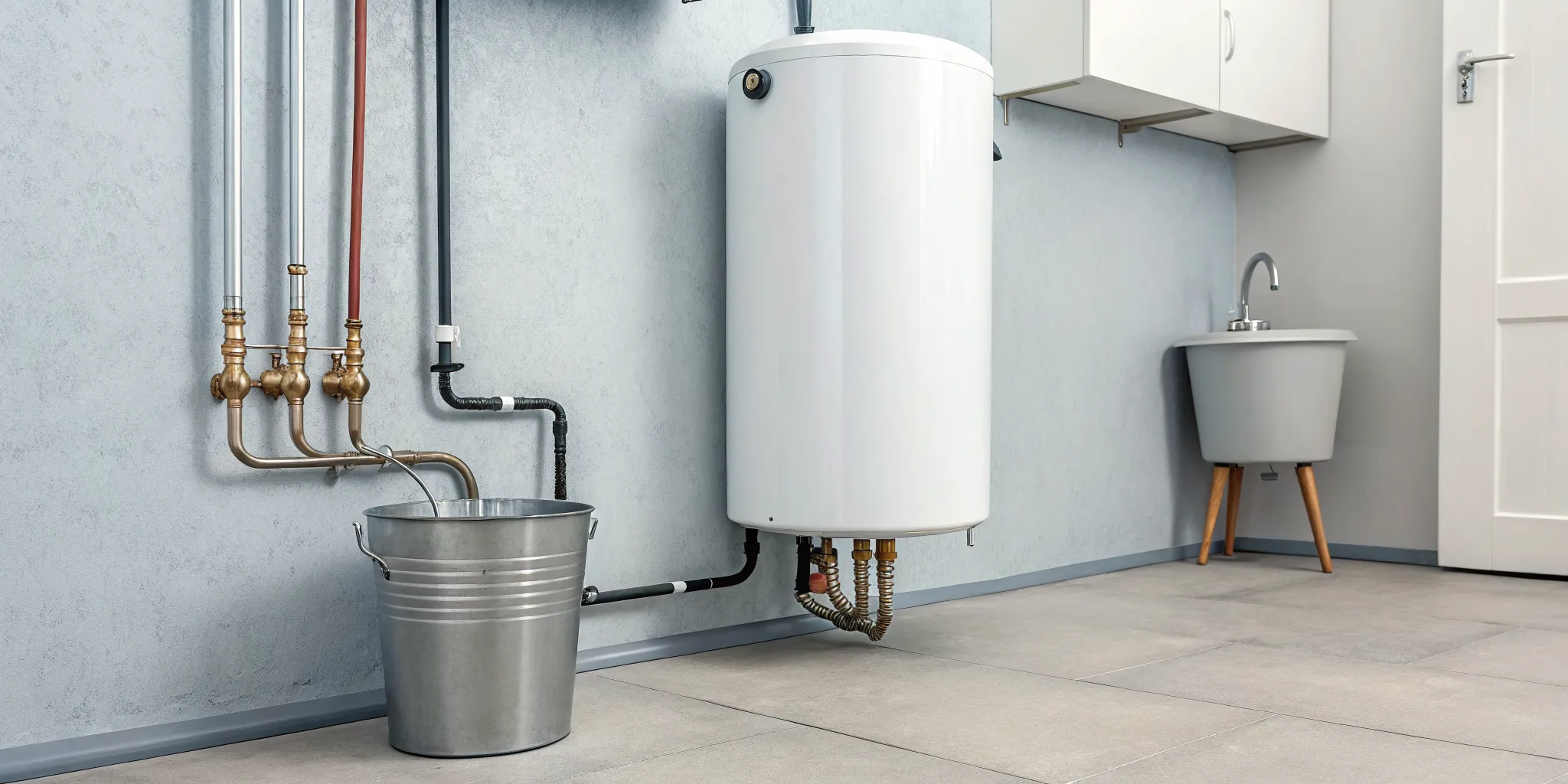
- Act fast to contain the problem: If you find a leak, your first steps are always the same: shut off the water and power to the water heater. Then, place a bucket under the drip to prevent water damage while you assess the situation.
- Prevention is the best policy: Keep your water heater healthy and avoid future leaks with simple, proactive steps. Installing an expansion tank, scheduling annual maintenance for inspections, and flushing the tank are key to a long-lasting unit.
Why Is My Hot Water Tank Valve Leaking?
Finding a puddle of water around your hot water tank can be alarming, but don’t panic just yet. A leaking temperature and pressure (T&P) relief valve is one of the most common plumbing issues homeowners face, and it’s often more of a warning sign than a catastrophe. This small but mighty valve is a critical safety feature designed to release excess pressure or heat from your tank, preventing a much bigger, more dangerous problem. Think of it as a safety whistle on a pressure cooker. When things get too intense inside, it lets off a little steam (or in this case, water) to keep everything stable.
While a few drips might mean the valve is simply doing its job, a persistent leak points to an underlying issue that needs your attention. Ignoring it can lead to water waste, higher utility bills, and potential water damage to your home. More importantly, a malfunctioning T&P valve can’t protect your tank if a serious pressure or temperature issue occurs. Understanding why it’s happening is the first step toward finding the right solution and keeping your home safe. Let’s walk through the most common reasons your hot water tank valve might be leaking, so you can figure out what’s going on and what to do next.
Could High Water Pressure Be the Problem?
One of the most frequent culprits behind a dripping T&P valve is something called thermal expansion. It’s a simple concept: when water heats up, it expands. This expansion increases the pressure inside your sealed water heater tank. Your T&P valve is designed to open and release a small amount of water to relieve this pressure before it reaches a dangerous level. If you notice a slow, steady drip, it could mean the pressure inside your tank is consistently too high. While the valve is working as intended, constant high pressure can strain your entire plumbing system. An expansion tank can often solve this problem by giving the expanded water a place to go.
Understanding Normal Water Pressure
So, what’s considered “normal” for water pressure? In most homes, the ideal range is between 40 and 80 pounds per square inch (PSI). Anything above 80 PSI is too high and can put a serious strain on your pipes, fixtures, and appliances—including your water heater. When the water pressure from your city’s main line is already high, the thermal expansion we talked about has an even greater effect. This combination forces your T&P valve to open more frequently to release the intense pressure, leading to that persistent drip. While the valve is technically doing its job to prevent a catastrophe, it’s signaling a chronic pressure problem that needs a more permanent solution to protect your entire home plumbing system.
How to Test Your Home’s Water Pressure
Figuring out your home’s water pressure is easier than you might think. You can pick up an inexpensive water pressure gauge from any local hardware store. To get a reading, first make sure all faucets and water-using appliances in your house are turned off. Then, screw the gauge tightly onto an outdoor hose bib or your washing machine’s cold water faucet. Turn the faucet all the way on, and the gauge will give you an instant PSI reading. If your pressure is consistently above 80 PSI, it’s time to call in a professional. A licensed plumber can install a pressure-reducing valve (PRV) on your main water line, which acts as a gatekeeper to lower the pressure to a safe, manageable level before it ever enters your home. If you’re in the Metro Detroit area and find your pressure is too high, give the team at Mr. Pipey a call, and we can help you find the right solution.
Spotting Worn-Out or Damaged Parts
Sometimes, the problem is just a faulty valve. Like any mechanical part, the T&P valve can wear out over time. The internal spring can weaken, or the seal can degrade, causing it to leak even under normal pressure. If the leak is more than a small drip, or if you can see visible signs of dirt, rust, or damage on the valve itself, it’s a good indicator that the component has failed. In this case, the valve itself will need to be replaced. While it might seem like a simple swap, it’s a crucial safety component, and we always recommend having a professional handle the replacement to ensure it’s installed correctly and functions properly.
How Sediment Buildup Leads to Leaks
Over the years, minerals and sediment from your water supply can settle at the bottom of your water heater tank. When the T&P valve opens to release pressure, some of this gritty debris can get flushed into the valve mechanism. If a piece of sediment gets stuck, it can prevent the valve from closing and sealing completely, resulting in a constant leak. This is especially common in areas with hard water. In addition to causing leaks, this buildup can lead to corrosion that damages both the valve and the tank itself, potentially shortening the lifespan of your water heater. Regular tank flushing can help prevent this issue from happening.
Is Your Temperature Set Too High?
Here’s a simple check you can do yourself. If your water heater’s thermostat is set too high, it can cause the water to overheat. Most T&P valves are designed to open if the temperature exceeds 210°F or the pressure surpasses 150 PSI. Setting your thermostat too high forces the valve to constantly release hot water to keep the tank within a safe range. For both safety and energy efficiency, most manufacturers recommend keeping your water heater’s temperature set at around 120°F. Check your tank’s dial and adjust it if necessary. If the leaking stops, you’ve found your culprit. If it continues, it’s time to call for professional help.
Recommended Temperature Settings
For both safety and energy efficiency, most manufacturers recommend keeping your water heater’s temperature set at around 120°F. This setting is hot enough for all your household needs but low enough to reduce the risk of scalding and save on your energy bills. Your T&P valve is designed to open if the temperature gets dangerously high—typically over 210°F. When your thermostat is set much higher than 120°F, it forces the tank to constantly operate under high heat and pressure. This can cause the T&P valve to drip regularly as it works to maintain a safe internal environment, putting unnecessary wear on the component and your system.
A Faulty Thermostat Can Be the Culprit
If you’ve already checked your thermostat and it’s set to the recommended 120°F, but the valve continues to leak, the thermostat itself could be failing. A faulty thermostat may not be reading the water temperature correctly, causing the unit to overheat the water regardless of the setting. This is a serious safety concern because the tank could be reaching dangerous temperatures without you knowing. If adjusting the temperature doesn’t solve the problem, it’s a strong indicator that you need a professional diagnosis. For issues like this, it’s always best to contact a trusted plumber to safely inspect and repair your water heater.
Found a Leak? Here’s What to Do First
Discovering a leak from your hot water tank can be alarming, but a calm, quick response can prevent a small issue from turning into a major disaster. Taking the right steps immediately protects your home from water damage and keeps your family safe. Before you even think about troubleshooting, follow these critical first actions. This initial response is your best defense against escalating damage and costly repairs. We’ll walk you through exactly what to do the moment you spot water where it shouldn’t be.
Step 1: Turn Off the Water and Power
Your absolute first move is to cut the water and power supply to the tank. For an electric water heater, find its corresponding breaker in your home’s electrical panel and switch it to the “off” position. If you have a gas heater, look for the dial on the unit and turn it to the “off” setting. Next, locate the cold water shut-off valve, which is usually a lever or wheel-handle valve on the pipe leading into the top of the tank. Turn it clockwise to stop the flow of water. This prevents more water from entering the tank and feeding the leak, which is a crucial first step before calling for emergency plumbing services.
Step 2: Figure Out How Bad the Leak Is
Now that you’ve stopped the immediate flow, take a closer look at the leak. Is it a slow, occasional drip or a steady, constant stream? A pressure relief valve might drip a little bit from time to time, which is its way of releasing excess pressure. However, if you see a continuous drip or a small puddle forming, it’s a clear sign of a problem. Note where the water is coming from, whether it’s the valve itself, a fitting, or the bottom of the tank. This information will be incredibly helpful when you describe the issue to a professional plumber.
Interpreting the Leak: Drip vs. Gush
It’s important to know the difference between a valve that’s working properly and one that’s failing. A few drops of water from the discharge pipe every now and then are usually nothing to worry about; that’s just the T&P valve releasing a bit of pressure from thermal expansion. Think of it as a sigh of relief for your water heater. However, a steady, persistent drip or a more forceful gush of water is a clear red flag. This indicates a bigger problem, such as consistently high water pressure, sediment blocking the seal, or a worn-out valve. Ignoring a constant leak not only wastes water and risks damage but also means a crucial safety device isn’t working correctly, leaving your tank unprotected. If the leak is more than an occasional drip, it’s a sign that your system needs professional attention.
Step 3: Prevent Further Water Damage
Water can cause significant damage to floors, walls, and belongings. Your next priority is containment. Place a bucket under the drip to catch the water and use old towels or a mop to soak up any standing water on the floor. If the leak is more substantial, you may need to clear the area of any items that could be damaged, like stored boxes or furniture. Taking a few minutes to manage the water can save you a lot of headaches and money later on. Protecting your home is a key part of managing any of our plumbing services.
Is a “Small Drip” Really a Big Deal?
It’s easy to dismiss a tiny drip as a minor annoyance, but it’s almost always a warning sign. A leaking pressure relief valve indicates that something is wrong inside your water heater, whether it’s excessive pressure, high temperature, or a failing component. Ignoring it won’t make the problem go away. In fact, it will likely get worse, potentially leading to a much larger leak, water damage, or even a complete tank failure. Fixing the issue quickly is the best way to prevent more extensive and expensive damage down the road.
Long-Term Consequences of Minor Leaks
A small drip might seem harmless, but it’s your water heater’s way of telling you something is off. Overlooking it can lead to a cascade of problems. That constant drip adds up on your water bill, and the moisture creates a perfect environment for mold and mildew to grow around the unit, which can affect your home’s air quality. More importantly, the underlying issue—whether it’s excessive pressure or a failing valve—puts continuous stress on the tank. This can eventually lead to a much larger leak, causing significant water damage to your floors and walls, or even a complete tank rupture. Taking care of a small leak now is a smart, cost-effective move that protects your home and prevents a future call for emergency plumbing services.
Can You Still Use Water in Your House?
Once you’ve shut off the water and power supply *to your water heater*, you’ve effectively isolated the problem. This is a critical step that contains the leak, but it doesn’t mean your entire home is without water. You can still use the cold water taps on your sinks, flush your toilets, and run your washing machine on a cold cycle. You just won’t have any hot water until the heater is repaired. This is a temporary fix to get you by while you arrange for a professional to take a look. Don’t be tempted to turn the water heater back on until the leak is properly diagnosed and fixed. When you’re ready for a reliable solution, you can contact our team to get your hot water running safely again.
Know When to Call Mr. Pipey for Emergency Service
While a small, manageable drip might not require a middle-of-the-night call, some situations demand immediate professional attention. If the valve is leaking a steady stream of water, making strange noises like hissing or whistling, or if you can’t stop the water flow, it’s time to call for help. These are signs of a serious issue that could pose a safety risk. Don’t hesitate to contact our team for emergency service. We’re here to address the problem quickly and safely, ensuring your home and family are protected.
How to Troubleshoot the Leaking Valve
Once you’ve safely shut off the power and water, you can try to identify what’s causing the leak. A few simple checks can help you pinpoint the problem, but always remember to prioritize your safety. If you ever feel unsure or uncomfortable with any of these steps, it’s always best to call a professional.
Check the Temperature and Pressure Settings
The temperature and pressure relief (T&P) valve is designed to release water if the conditions inside your tank become unsafe. If your water heater’s thermostat is set too high (above 210°F) or the water pressure exceeds 150 PSI, the valve is simply doing its job. Check the temperature dial on your water heater. If it’s set excessively high, try turning it down to a recommended setting of 120°F. This not only can solve the leak but also saves energy and reduces the risk of scalding.
Inspect the Valve for Damage or Corrosion
Take a close look at the valve itself. Do you see any visible signs of rust, corrosion, or mineral buildup around the opening? Is the lever bent or cracked? Over time, these components can wear out and fail to create a proper seal. If the valve looks old and worn, it has likely reached the end of its lifespan. A continuous drip, even after adjusting the temperature, is a strong indicator that the valve itself is faulty and needs to be replaced to prevent a larger leak down the road.
How to Safely Test the Valve
You can perform a quick test to see if the valve is stuck open due to debris. Place a bucket under the discharge pipe and carefully lift the valve’s lever. This will release a burst of hot water. Let it run for a few seconds, then let go of the lever. It should snap back into place and stop the flow of water. Sometimes, this action is enough to flush out small pieces of sediment that were preventing a tight seal. However, never, under any circumstances, should you cap or plug a leaking valve. It is a critical safety device, and blocking it can lead to a dangerous pressure buildup.
Troubleshooting the Expansion Tank
If your T&P valve is leaking due to high pressure, the problem might not be the valve or the water heater itself, but a different component entirely: the expansion tank. This small tank, usually installed near your water heater, is designed to absorb the excess water volume created by thermal expansion. It contains an air-filled bladder that acts like a cushion, giving the expanded water a place to go. If this tank fails, the pressure has nowhere to escape except through the T&P valve. Checking the expansion tank is a crucial step in diagnosing a persistent drip.
How to Check if Your Expansion Tank Has Failed
You can perform a quick check to see if your expansion tank has failed. Locate the air valve on the tank; it looks just like the valve on a car or bicycle tire. With a small tool like a screwdriver, briefly press the pin in the center of the valve. If water squirts out, the internal bladder has ruptured, and the tank is full of water instead of air. This means the tank is no longer able to absorb pressure and has failed completely. At this point, the only solution is to have it replaced by a professional.
Checking the Expansion Tank’s Air Pressure
If only air comes out when you press the valve pin, the bladder is likely intact, but the air pressure might be too low. To check this, you’ll need a standard tire pressure gauge. The pressure inside the expansion tank should be equal to your home’s water pressure, which is typically between 40 and 80 PSI. If the pressure is low, the tank can’t do its job effectively. While you can add air with a pump, if the tank won’t hold pressure, it needs to be replaced. Handling issues with pressurized tanks requires expertise, so if you suspect a problem, it’s best to call for professional plumbing services.
Other Potential Causes and Quick Fixes
If you’ve ruled out high temperature, a faulty valve, and a failed expansion tank, there are a couple of other less common scenarios to consider. Sometimes, the cause of a leak is surprisingly simple and can be addressed with a quick fix. Before you assume the worst, running through these possibilities can help you get to the root of the problem and might even save you a service call. These checks are easy to perform and can provide valuable clues about what’s happening with your water heater system.
Dislodging Debris Stuck in the Valve
As we mentioned earlier, testing the T&P valve by lifting the lever can sometimes solve the problem. This is because small particles of sediment or mineral buildup from inside the tank can get lodged in the valve’s sealing surface when it opens. This tiny piece of debris is often enough to prevent the valve from closing completely, resulting in a slow but steady leak. By manually opening the valve for a few seconds, the rush of water can flush the obstruction out. If this stops the leak, you’ve found your culprit. It’s also a strong hint that your tank is due for a flushing to prevent future issues.
Pressure Buildup from a Shut-Off Water Main
Here’s a situation many homeowners don’t think about. If you turn off your home’s main water supply for an extended period—say, for a repair or a vacation—but leave the water heater on, you can create a pressure problem. The water inside the tank will continue to heat and expand, but because the system is closed off at the main, the pressure has nowhere to go. The T&P valve will then do its job and release water to relieve the pressure. If your leak started after the main water was shut off, this is likely the cause. It’s a good reminder to always turn off your water heater’s power or gas supply when the main water is off.
Flush Your Tank to Clear Out Sediment
If you live in an area with hard water, sediment and mineral scale can build up at the bottom of your tank. When you test the T&P valve, this sediment can get lodged in the opening, preventing it from closing completely. Flushing your water heater annually is a great way to clear out this buildup and extend the life of your unit. While it’s a task some homeowners handle themselves, it’s also a standard part of professional plumbing maintenance. Regular upkeep helps prevent many common issues, including leaks from the T&P valve.
DIY vs. Calling a Pro: Making the Right Choice
After running through these troubleshooting steps, you might have a better idea of the problem. If the leak stops, great. If it continues, or if you found a corroded or damaged valve, a replacement is necessary. While some experienced DIYers might tackle this, replacing a T&P valve can be tricky. An improper installation can lead to major water damage or create an unsafe situation. When you’re dealing with the pressure and temperature of a water heater, it’s wise to lean on an expert. If you’re not 100% confident, our team at Mr. Pipey is ready to provide fast and reliable emergency plumbing services to get the job done right.
Basic Steps for a DIY Valve Replacement
If you’ve decided to tackle the replacement yourself, safety is your top priority. This job requires some basic plumbing know-how, so if you feel hesitant at any point, it’s always smarter to call in a professional. For those ready to proceed, here’s a general guide. First, you’ll need a new, correctly rated T&P valve (check your water heater’s manual or the old valve for specs), a pipe wrench, and Teflon tape. This simple preparation ensures you can complete the job efficiently and safely without any unexpected interruptions.
Your first action is always to shut off the power and water to the heater, just as we covered earlier. Once everything is off, connect a garden hose to the drain valve at the bottom of the tank and drain a few gallons of water—just enough to bring the water level below the T&P valve. Next, use your pipe wrench to carefully unscrew the old valve and the discharge pipe. It might be tight from corrosion or old pipe sealant, so you may need to apply steady, firm pressure to get it loose. Take your time with this step to avoid damaging the tank’s fittings.
Wrap the threads of your new valve with Teflon tape in a clockwise direction to create a good seal. Screw the new valve into place by hand, then give it a final turn with the wrench until it’s snug—be careful not to overtighten. Reattach the discharge pipe, making sure it points downward. Now, you can close the drain valve, remove the hose, and turn the cold water supply back on to refill the tank. Only after the tank is completely full should you restore power. Check carefully for any leaks around the new valve. If you see any drips, it’s best to contact our team to ensure it’s installed safely.
Repair or Replace? When It’s Time for a New Valve
Deciding whether to repair or replace a faulty hot water tank valve can feel like a tough call. While some issues can be fixed with a little troubleshooting, a TPR valve is a critical safety component. Ignoring the warning signs of a failing valve isn’t worth the risk. Sometimes, a full replacement is the only way to ensure your water heater operates safely and efficiently, protecting your home and family from potential disasters.
Knowing the difference between a minor hiccup and a major problem is key. Certain symptoms are clear indicators that the valve has reached the end of its life. If you spot any of these red flags, it’s time to stop troubleshooting and call in a professional to handle the replacement. It’s always better to be safe and proactive than to wait for a small leak to become a major flood.
Signs You Definitely Need a New Valve
A TPR valve that constantly leaks or makes strange noises is trying to tell you something important. While occasional dripping can be normal during a heating cycle, a steady, persistent leak points to a bigger problem. This could mean the valve’s seal is broken or there’s an ongoing issue with your water heater’s pressure. Loud sounds like whistling or screeching are also serious warning signs that the valve is struggling to function correctly. Ignoring these symptoms can lead to significant water damage or even a dangerous pressure buildup. If you notice these issues, it’s time to consider a replacement to prevent a more serious failure.
The Leak Won’t Stop or the Handle Is Stuck
If you’ve tried testing the valve and the leak either continues or gets worse, the internal mechanism has likely failed. A valve that won’t reseal itself after being opened is no longer reliable. Similarly, if the test lever is stuck or won’t budge, don’t force it. This usually means mineral deposits and corrosion have fused the components together, rendering the valve useless. Another clear sign of failure is seeing dirt or debris in the leaking water, which indicates sediment has compromised the valve from the inside. In these cases, a repair isn’t an option; a full replacement is necessary to restore safe operation.
You See Rust, Corrosion, or Bent Parts
Take a close look at the valve itself and the connecting pipes. Do you see any rust or corrosion? These aren’t just cosmetic flaws; they are signs that the metal is breaking down, which can weaken the valve and prevent it from sealing properly. A corroded valve can fail without warning. Also, check for any physical damage, like a bent lever or cracked fittings. Any visible damage compromises the valve’s structural integrity and its ability to protect your tank. If you see any of these visual cues, it’s a clear signal that you need to contact a professional for a replacement.
Is Your Old Valve a Safety Risk?
Like any mechanical part, TPR valves don’t last forever. Most manufacturers recommend replacing them every five years. If your water heater is approaching the end of its lifespan (typically 10-12 years) and you’re experiencing valve issues, it might be more practical to replace the entire unit. An older tank with a new valve could still have other underlying problems. Newer water heaters are more energy-efficient and have updated safety features, offering better performance and peace of mind. A trusted plumber can help you weigh the costs and benefits of replacing the valve versus investing in a new, more reliable water heater.
Understanding Discharge Pipe Safety Codes
The temperature and pressure (T&P) relief valve is your water heater’s most important safety feature. It’s designed to automatically open and release water if the temperature or pressure inside the tank climbs to dangerous levels, preventing the tank from being damaged or even exploding. That’s why it’s connected to a discharge pipe—its job is to direct that scalding hot water safely away from the unit and toward a floor drain. Local plumbing codes have strict rules about how this pipe must be installed, including its material, diameter, and where it terminates. These codes exist to protect you and your home. This is why professional installation is so critical; a licensed plumber ensures all plumbing services are performed safely and up to code.
What If My Water Heater Is New?
It’s incredibly frustrating to find a leak on a brand-new appliance, but it does happen. If your new water heater’s T&P valve is dripping, the most common reason is thermal expansion. When water heats up, it expands, and that extra volume has to go somewhere. If your plumbing system doesn’t have an expansion tank to absorb this pressure, the T&P valve will drip to relieve it. While the valve is technically doing its job, it’s a sign that your system needs an adjustment. In rare cases, a new valve could be defective from the factory. If you’re dealing with a leak on a new unit, it’s best to contact a professional to diagnose the problem and ensure your system is set up for a long, trouble-free life.
How to Prevent Future Hot Water Tank Leaks
A leaking hot water tank is a headache no one wants. The good news is that you can take proactive steps to keep your water heater in great shape and avoid unexpected puddles in your basement. A little prevention goes a long way in extending the life of your unit and protecting your home from water damage. By staying on top of a few key maintenance tasks, you can ensure your hot water tank operates safely and efficiently for years to come. Here are our top tips for preventing future leaks.
Install an Expansion Tank
When water heats up, it expands. This is a basic law of physics, but it can cause major problems for your plumbing system if that expanding water has nowhere to go. An expansion tank is a small, secondary tank that attaches to your water heater to absorb this excess pressure. Without one, the pressure builds up inside your hot water tank, stressing the tank itself and its components, like the T&P valve. This constant stress is a leading cause of leaks. If your system doesn’t have an expansion tank, getting one installed is one of the smartest investments you can make for your home’s plumbing health.
Keep Your Water Pressure in Check
Your home’s overall water pressure plays a huge role in the health of your appliances, including your hot water tank. If the pressure is too high, it puts constant strain on the entire system. This can force the T&P valve to drip as it tries to relieve the pressure from thermal expansion. You can buy a simple pressure gauge at a hardware store to test it yourself, or a professional can check it for you. If your pressure is consistently above 80 PSI, it’s too high. A plumber can install a pressure-reducing valve to protect your pipes and appliances from damage, preventing potential emergency plumbing situations down the road.
Schedule Regular Maintenance with Mr. Pipey
Just like your car, your hot water heater needs regular check-ups to run its best. We recommend scheduling professional maintenance at least once a year. During a visit, a technician can inspect the anode rod, test the T&P valve, check for signs of corrosion, and make sure everything is functioning safely and efficiently. Catching a small issue, like a noisy valve or minor corrosion, early on can save you from a major failure and expensive water damage later. Think of it as peace of mind. When you’re ready to get on a regular schedule, you can contact our team to set up an appointment that works for you.
Flush Your Tank Annually and Monitor the Temperature
Over time, sediment and mineral deposits from your water supply settle at the bottom of your hot water tank. This buildup can cause corrosion, reduce efficiency, and even lead to leaks. Flushing the tank once a year helps clear out this gunk and keeps your heater running smoothly. You should also keep an eye on the temperature setting. Most manufacturers recommend a setting of around 120°F to prevent scalding and reduce energy use. You can check this by running hot water for a minute and using a meat or candy thermometer. These simple steps are part of the expert care our family-owned business provides to keep your home’s plumbing in top condition.
Related Articles
- Water Tank Leak? Your Step-by-Step Repair Guide
- Water Heater Leak? Here’s What to Do Right Now
Frequently Asked Questions
Is it normal for my hot water tank valve to drip sometimes? It can be. The temperature and pressure (T&P) relief valve is designed to release a small amount of water when the pressure inside the tank gets too high, which often happens as water heats and expands. A few drips here and there during a heating cycle aren’t usually a cause for alarm. However, if you notice a constant, steady drip or a puddle forming, that’s a clear signal that something is wrong, whether it’s with the valve itself or your home’s water pressure.
Can I just put a cap on the leaking pipe to stop the water? Absolutely not. You should never, under any circumstances, cap or plug the T&P valve’s discharge pipe. This valve is the most important safety feature on your water heater. Blocking it can cause pressure to build to extremely dangerous levels inside the tank, creating a risk of a serious rupture or explosion. If the valve is leaking, it needs to be properly diagnosed and repaired or replaced by a professional.
What’s the difference between a leaking valve and a leaking tank? This is a great question, as the answer determines the urgency of the repair. A leaking T&P valve will release water from the end of the discharge pipe connected to it. You’ll see water coming specifically from that pipe. A leaking tank, on the other hand, usually means the inner tank has corroded and failed. In this case, you’ll typically see water pooling directly under the water heater itself. A leaking tank cannot be repaired and requires a full replacement.
Is it safe for me to replace the T&P valve myself? While some very experienced DIYers might attempt this, we generally advise against it. The T&P valve is a critical safety component, and an incorrect installation can lead to leaks, water damage, or an unsafe operating condition. The process involves hot water and high pressure, which can be dangerous. For peace of mind and to ensure the job is done correctly and safely, it’s always best to call a licensed plumber.
How often should I have my water heater professionally maintained? We recommend having your water heater professionally serviced at least once a year. During a maintenance visit, a technician can flush the tank to remove sediment, inspect the anode rod (which prevents corrosion), test the T&P valve, and check the overall health of the unit. This regular upkeep not only helps prevent leaks but also improves efficiency and can significantly extend the life of your water heater.