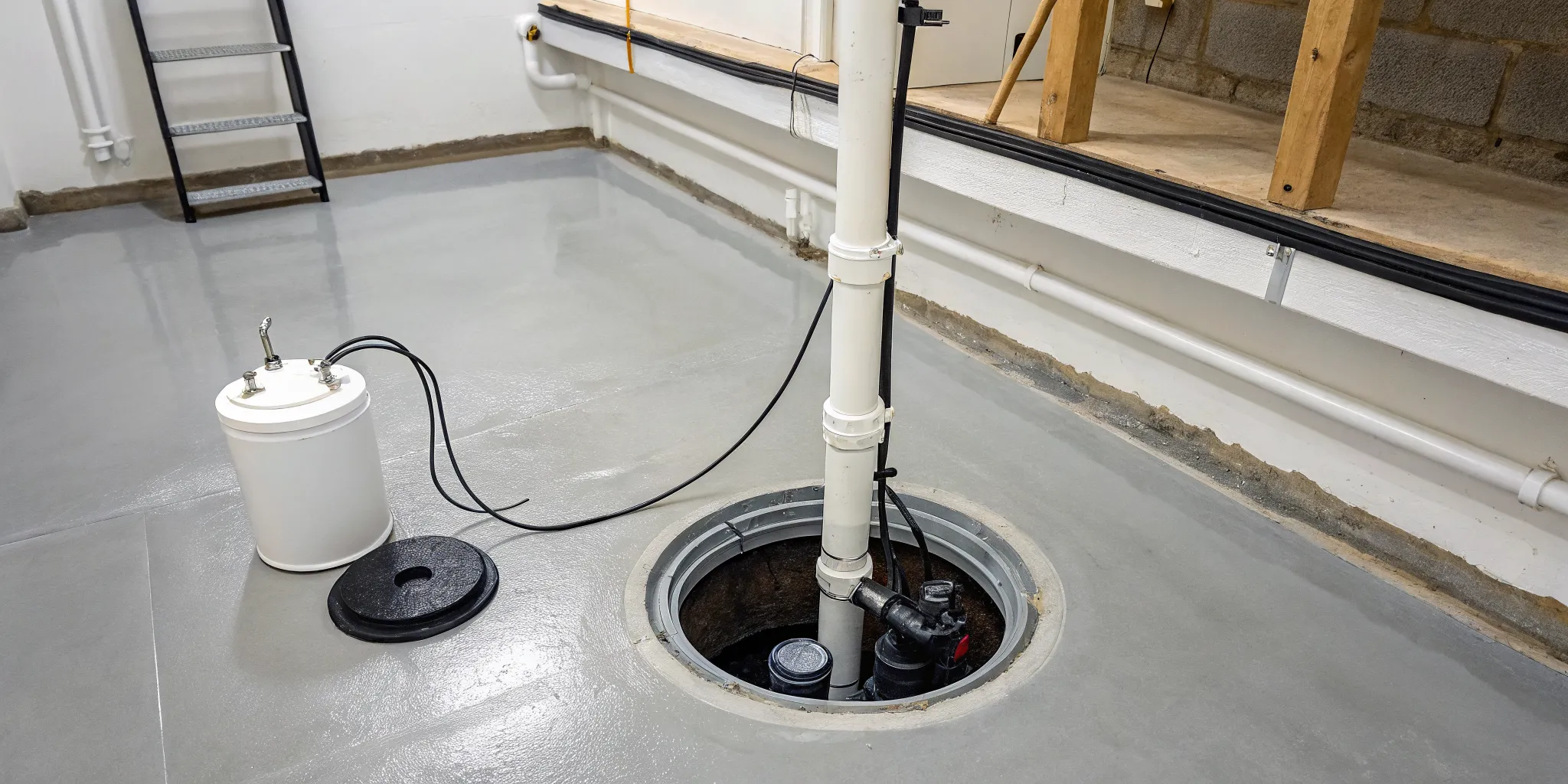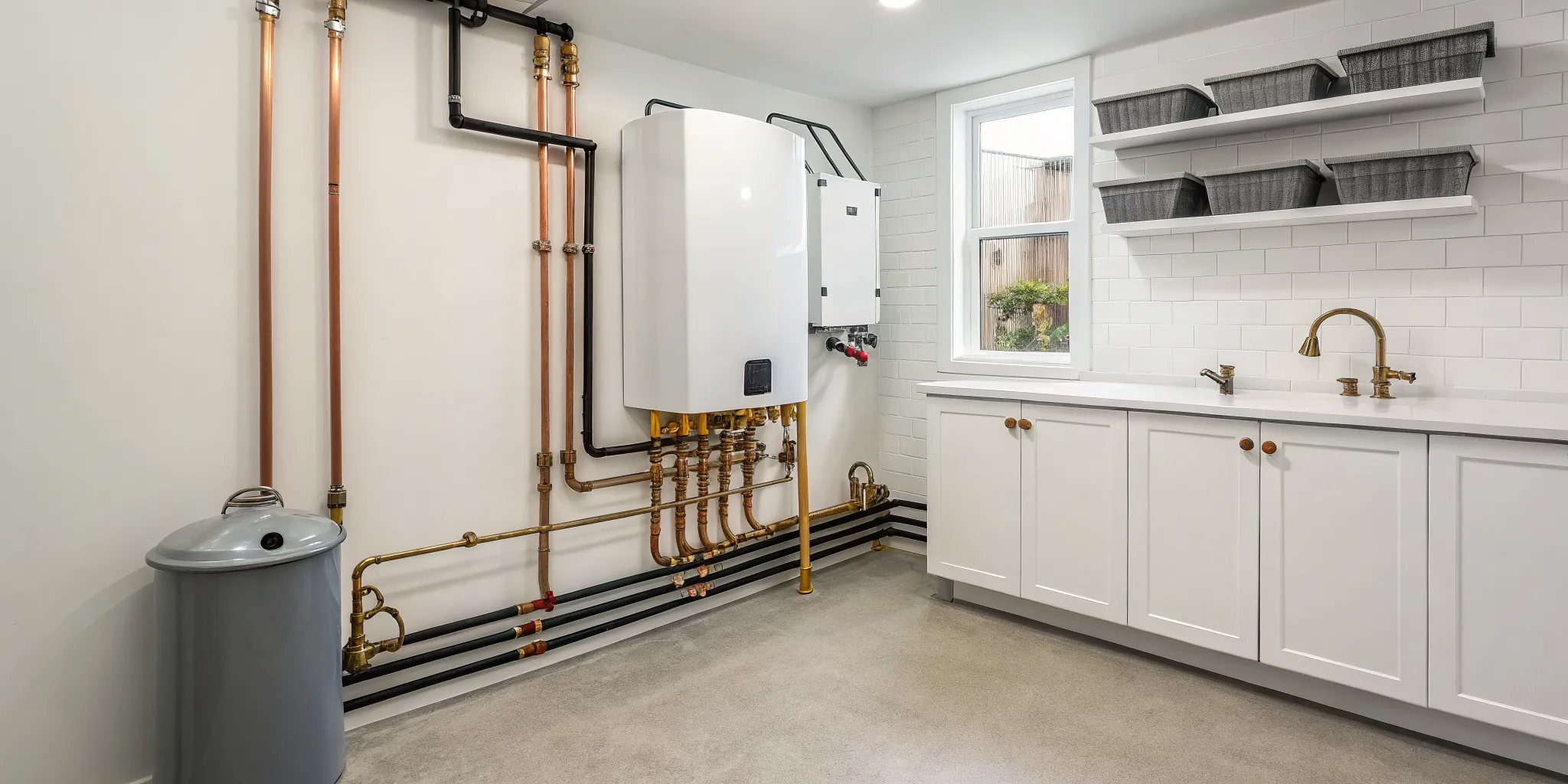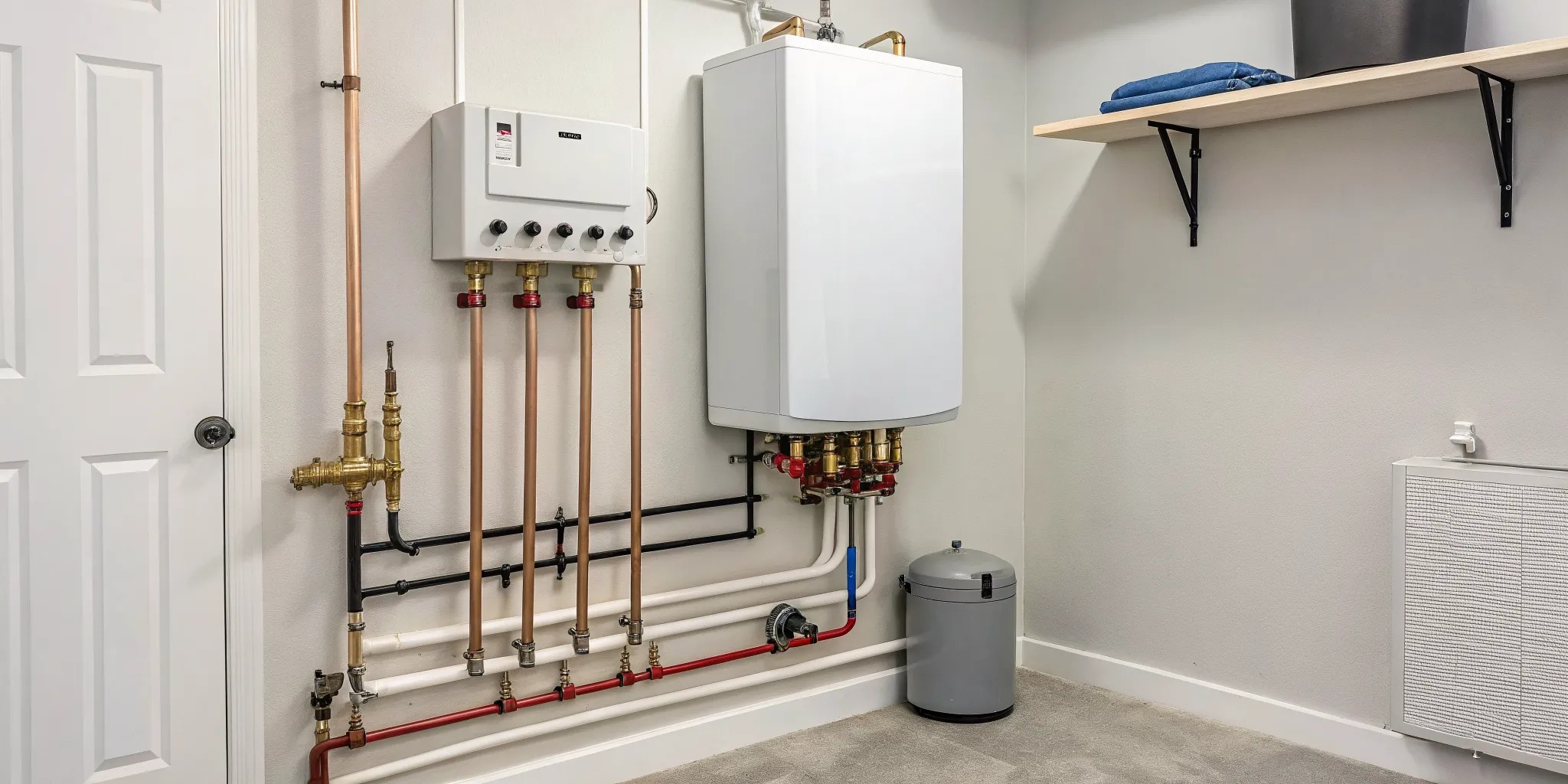


That bulky water tank in your basement or utility closet does more than just take up space; it constantly uses energy to keep water hot, even when you’re not using it. A tankless water heater offers a smarter, more modern approach. By heating water instantly on demand, these compact systems eliminate wasted energy, which can lead to significant savings on your monthly utility bills. If you’re looking to make your home more efficient and reclaim valuable storage space, going tankless is an excellent option. Let’s explore how this technology works and what you should expect from a high-quality tankless water heater installation in Northville, MI.
Key Takeaways
- Upgrade for efficiency and comfort: A tankless water heater provides an endless supply of hot water and can significantly lower your energy bills. Its longer lifespan and compact design make it a valuable long-term investment for your home.
- Select the right model for your needs: To find the perfect fit, decide between gas and electric fuel types, calculate the flow rate (GPM) your household requires, and compare the energy efficiency (UEF) ratings to maximize your savings.
- Prioritize a professional installation: Your heater’s performance and safety depend on a correct installation. Always choose a licensed and insured plumber who provides a detailed estimate and guarantees their work for reliable, long-lasting results.
Is a Tankless Water Heater Right for Your Northville Home?
Deciding to switch from a traditional water heater to a tankless model is a significant home improvement choice. While tankless heaters are becoming more popular, it’s important to figure out if one is truly the right fit for your household’s needs and budget. These on-demand systems work differently than the bulky tank you might be used to, offering a unique set of benefits that can make a real difference in your daily routine and monthly bills.
If you’re tired of running out of hot water or want to find ways to make your home more efficient, a tankless heater is worth considering. They are a smart investment for many Northville homeowners, but the decision comes down to your priorities. Are you looking for an endless supply of hot water for a busy family? Do you want to lower your energy consumption? Or maybe you just want to free up some space in your utility closet. Let’s look at the main advantages to help you decide if going tankless is the right move for you. If you have questions, you can always contact our team to talk through your specific situation.
Enjoy Endless Hot Water
One of the biggest frustrations with a traditional water heater is the moment the hot water runs out. If you have a large family or enjoy long showers, you know the feeling. A tankless water heater solves this problem completely. Instead of storing and constantly heating a limited amount of water in a tank, a tankless system heats water instantly as you need it.
This means you get a continuous, on-demand supply of hot water. You can run the dishwasher, do a load of laundry, and have two people take showers back-to-back without anyone getting a blast of cold water. It’s a game-changer for busy households and anyone who values the simple luxury of never having to schedule their hot water usage again.
Save Energy and Lower Your Bills
Traditional tank-style water heaters constantly burn energy to keep dozens of gallons of water hot, even when you’re not using it. This standby heat loss can really add up on your utility bills. Tankless water heaters, on the other hand, only use energy when you turn on a hot water tap. By heating water on demand, they eliminate that wasted energy.
This efficiency can lead to significant savings, with some homeowners cutting their water heating costs by up to 30%. While the initial installation cost is higher than a standard tank, the long-term energy savings help offset that expense over the life of the unit. It’s a smart way to reduce your home’s energy footprint and keep more money in your pocket each month.
Reclaim Your Utility Space
If you’ve ever felt like your utility room or basement is dominated by a giant, clunky water tank, you’ll appreciate the compact design of a tankless heater. These sleek, modern units are a fraction of the size of their traditional counterparts. Most are small enough to be mounted directly on a wall, freeing up valuable floor space.
Imagine what you could do with that extra room. You could add storage shelves, create a small workshop area, or simply enjoy a more open, organized space. For homes with limited square footage or those looking to streamline their utility areas, the space-saving benefit of a tankless water heater is a major plus.
Invest in a Longer-Lasting System
A water heater is an investment in your home’s comfort and functionality, and you want it to last. Tankless water heaters have a significant advantage here, typically lasting 20 years or even more with proper maintenance. That’s nearly double the average 10 to 15-year lifespan of a traditional tank-style heater. This impressive durability is because they don’t suffer from the rust and corrosion that can build up inside a water tank.
While the upfront cost is higher, the longer lifespan means you won’t have to worry about a replacement for decades. This makes a tankless heater a reliable, cost-effective choice in the long run. At Mr. Pipey, we focus on providing long-lasting plumbing solutions, and a high-quality tankless system is a perfect example of that commitment.
How to Choose the Best Tankless Water Heater
Picking the right tankless water heater can feel like a big decision, but it doesn’t have to be complicated. When you know what to look for, you can confidently choose a model that fits your family’s needs and budget perfectly. It really comes down to four key factors: the fuel type, the right size for your home, the energy efficiency, and the brand’s reputation. Let’s walk through each one so you can feel prepared to make the best choice for your Northville home.
Gas vs. Electric: Which Is Best for You?
The first choice you’ll make is between a natural gas or an electric model. Both types work by heating water on demand, giving you that amazing endless supply of hot water. Gas heaters tend to have a higher upfront cost but often have lower monthly operating costs. They can also produce a higher flow rate of hot water, which is great for larger families. Electric heaters are typically less expensive to purchase and install, but they may lead to higher utility bills. Your home’s current setup is a big factor here; if you already have gas lines, a gas unit is a natural fit. If not, an electric model might be a simpler installation.
Find the Right Size and Flow Rate for Your Home
Unlike traditional tanks, the “size” of a tankless heater refers to its heating capacity, not its physical dimensions. This is measured by its flow rate, or how many gallons of hot water it can produce per minute (GPM). To figure out what you need, think about how many hot water appliances you might use at the same time. For example, running a shower and the dishwasher simultaneously requires a higher GPM. This is where getting professional advice is key. A qualified plumber can perform an assessment to make sure you get a unit that meets your household’s peak demand without overspending on a system that’s too powerful for your needs.
Understand Energy Efficiency Ratings
One of the best parts of switching to a tankless system is the potential for big savings on your energy bills, sometimes up to 30%. To compare models, you’ll want to look at their Uniform Energy Factor (UEF) rating. The higher the UEF rating, the more efficient the unit is, and the more money you’ll save over time. A high-efficiency model might have a slightly higher price tag, but it’s an investment that pays for itself through lower monthly costs. When you contact a professional, be sure to ask about the efficiency ratings of the models they recommend to maximize your long-term savings.
A Look at Top Brands: Navien, Rheem, Rinnai, and More
When you’re investing in a major home appliance, you want to know it’s built to last. Over the years, we’ve seen certain brands consistently deliver on performance and reliability. Homeowners and our own technicians often have great things to say about brands like Navien, Rheem, and Rinnai, which are known for their durability and excellent performance. While there are many great options on the market, these brands have earned a strong reputation for a reason. We can help you compare specific models from these and other trusted manufacturers to find the perfect fit for your home and budget, ensuring you get a system you can depend on for years.
What Does Tankless Water Heater Installation Cost in Northville?
Let’s talk numbers. Deciding to upgrade your water heater is a big step, and one of the first questions on your mind is probably, “What’s this going to cost me?” The price for a tankless water heater installation isn’t one-size-fits-all. It depends on your home’s specific needs, the type of unit you choose, and the complexity of the job. Understanding the potential costs upfront helps you budget effectively and make a confident decision for your Northville home.
Typical Installation Price Range
The total cost for a tankless water heater, including the unit and professional installation, generally falls between $1,400 and $5,600. Here in the Northville area, homeowners can expect a slightly more defined range, typically from about $1,404 to $3,901. This price covers the new unit itself along with the labor to get it up and running. The final number on your invoice will depend on the model you select and the specific requirements of your home’s plumbing and electrical systems.
Factors That Influence the Final Cost
So, why such a wide price range? Several key factors can affect the final installation cost. The type of unit you choose, whether it’s gas or electric, plays a big role. Gas models sometimes require new venting or gas line modifications, which can add to the labor. The location of the installation and any necessary upgrades to your home’s plumbing or electrical panel will also influence the price. In fact, professional labor costs can sometimes account for more than half of the total project expense, which is why a detailed quote is so important.
Ask About Financing, Discounts, and Free Estimates
With an average project cost hovering around $4,300, it’s smart to explore ways to make the investment more manageable. Don’t hesitate to ask your plumbing professional about financing options that can help spread the cost over time. It’s also worth asking about any available rebates or seasonal discounts that could lower your overall expense. Most importantly, always start with a clear, detailed quote. A trustworthy company will be happy to provide a free estimate so you know exactly what to expect. At Mr. Pipey, we believe in complete transparency and are ready to give you a straightforward quote to help you plan your budget with confidence.
What to Expect on Installation Day
Knowing what to expect on installation day can make the entire process feel much smoother and less intimidating. When you hire a professional team, you’re not just getting a new appliance; you’re investing in a long-term solution for your home. A great installation experience is organized, respectful, and clean from start to finish. It’s about more than just connecting pipes. It involves carefully integrating a new system that will serve your family well for years to come. A true professional ensures the installation is seamless and perfectly tailored to your home’s unique layout and your family’s hot water demands. At Mr. Pipey, our customer-first approach means we treat every home as if it were our own, ensuring the job is done right the first time. We believe in clear communication and walking you through every step, so you feel confident and informed. Here’s a detailed look at what you can expect when our team arrives to install your new tankless water heater.
Step 1: Assessing Your Home’s Hot Water Needs
Before any tools come out, the first step is a conversation. A professional installer will start by assessing your household’s specific hot water usage. How many people live in your home? How many bathrooms, showers, and hot-water appliances do you use at the same time? Answering these questions helps determine the right size and capacity for your new unit. This initial evaluation is critical because it ensures the tankless system we install can comfortably meet your daily demands without a hitch. It’s all about matching the technology to your lifestyle, guaranteeing you get that endless hot water you’re looking for.
Step 2: Selecting the Perfect Unit and Location
Once we understand your needs, we’ll guide you in choosing the best tankless system. We’ll consider your family size, water usage patterns, and any energy-saving goals you have. We can also discuss the pros and cons of top brands to find one that fits your budget and preferences. Next, we’ll evaluate your home’s layout to find the optimal spot for the new unit. Because tankless heaters are so compact, you have more options. We’ll find a location that ensures efficient operation, easy access for future maintenance, and helps you reclaim valuable storage space.
Step 3: Professional Installation, Connection, and Testing
This is where the magic happens. Our certified technicians will handle the entire installation process with care and precision. This includes safely mounting the unit, connecting the water and gas or electrical lines, and installing the necessary ventilation. We treat your home like our own, ensuring all components work together seamlessly for safe, reliable performance. After the installation is complete, we don’t just pack up and leave. We conduct thorough testing to confirm that the water heater operates correctly, delivers consistent temperatures, and meets all quality and safety standards.
How to Prepare Your Home for a Smooth Installation
You can help make installation day even more efficient with a little preparation. Before our team arrives, please clear a path to the installation area, whether it’s in your basement, utility closet, or garage. Make sure the space around where the old water heater is and where the new one will go is free of boxes, storage items, or other obstructions. This gives our technicians the room they need to work safely and efficiently. We’ll provide a clear timeline for the project, so you’ll know exactly what to expect and when.
Simple Maintenance for Long-Term Performance
Your new tankless water heater is a fantastic investment, and a little maintenance will keep it performing at its best for years to come. The most important task is periodic descaling to remove mineral buildup, which is common in our water here in Michigan. We recommend having this done annually by a professional. During a maintenance visit, a technician can also perform a full inspection to catch any potential issues early. Following a simple maintenance schedule is the best way to protect your investment, ensure efficiency, and extend the lifespan of your system. You can always contact us to schedule a tune-up.
How to Find a Qualified Installer in Northville
Choosing the right tankless water heater is only half the battle; finding a skilled professional for the installation is just as important for your system’s performance and longevity. A poor installation can lead to inefficiency and even damage, so it’s worth taking the time to find someone you trust. When you start your search, focus on verifying their credentials, asking smart questions, and looking for a team with a solid reputation right here in Northville.
Verify Their License and Local Expertise
Before letting anyone work on your home’s plumbing, always confirm they are a licensed and insured professional. This protects you from liability and ensures they meet state and local standards. Beyond the paperwork, look for a plumber with deep roots in the Northville community. An installer who understands local building codes and the specific needs of area homes will provide a smoother, more reliable installation. You can check online reviews and ratings to see what your neighbors are saying. A company’s history and connection to the community often speak volumes about its reliability, something we take great pride in as a family-owned business.
Smart Questions to Ask Before You Hire a Plumber
Creating a short list of questions can help you feel confident in your hiring decision. Since labor can be a significant part of the total cost, don’t be shy about discussing the details.
Start with these questions:
- Can you provide an itemized estimate for the entire installation?
- What is your experience with the specific brand and model I’m considering?
- Do you offer a warranty on your installation workmanship?
- Will you handle the necessary permits for the project?
A trustworthy plumber will be happy to answer your questions clearly and provide all the information you need. Feel free to give us a call and ask us anything on your mind; we believe in complete transparency.
Why Mr. Pipey Is Northville’s Go-To for Tankless Installations
As tankless water heaters become more popular in Northville, you need an installer who is an expert in this modern technology. At Mr. Pipey, we have the training and hands-on experience to install your new system correctly the first time. We combine the latest industry knowledge with the values of a family-owned company, meaning we treat your home like our own. Our 100% customer satisfaction guarantee isn’t just a promise; it’s how we do business. We provide reliable, long-lasting workmanship across all our expert plumbing solutions, ensuring your new tankless water heater delivers the efficiency and endless hot water you expect.
Related Articles
- How to DIY a Tankless Water Heater Installation
- Water Heater Installation Cost: What You’ll Really Pay
- Water Heater Installation: A Step-by-Step Guide
- Water Heater Cost and Installation: A Complete Guide
Frequently Asked Questions
Is the higher upfront cost of a tankless water heater actually worth it? That’s a great question, and for most homeowners, the answer is yes. While the initial purchase and installation cost is more than a traditional tank, the long-term financial benefits are substantial. You’ll see a real difference in your monthly energy bills because the unit only heats water when you need it. Plus, these systems can last 20 years or more, which is almost double the lifespan of a standard tank heater. This means you avoid the cost and hassle of a replacement for many more years.
Can a tankless system really keep up with my family’s demand for hot water? Absolutely. This is one of the main reasons people make the switch. The key is making sure the unit is sized correctly for your home. A professional installer will calculate your peak hot water usage, considering how many showers, faucets, and appliances you might run at once. By matching the heater’s flow rate (gallons per minute) to your family’s needs, we can ensure you get an endless supply of hot water without any interruptions.
How long does a typical installation take? A standard tankless water heater installation can usually be completed in one day, often within four to eight hours. The exact timeline depends on the specifics of the job. If we are simply swapping out an old unit and the connections are straightforward, it’s a quicker process. If the installation requires new plumbing, gas lines, or electrical upgrades, it might take a bit longer. We will always provide a clear and accurate time estimate before we begin any work.
What happens if the power goes out? Will I still have hot water? This is an important point to consider. Since both gas and electric tankless models use electronic controls to function, they do require electricity to operate. If your power goes out, the unit will not be able to heat water. This is different from a traditional gas tank heater, which might still have a reserve of hot water available in the tank during an outage.
What kind of maintenance does a tankless water heater need? To keep your tankless heater running efficiently for its full 20-plus year lifespan, we recommend having it professionally serviced once a year. The most important part of this service is descaling the unit to remove mineral buildup from our local water supply. This simple maintenance task protects your investment, ensures you continue to save energy, and prevents potential issues down the road.