
Back to all posts

Sump Pump Replacement Service: What to Know

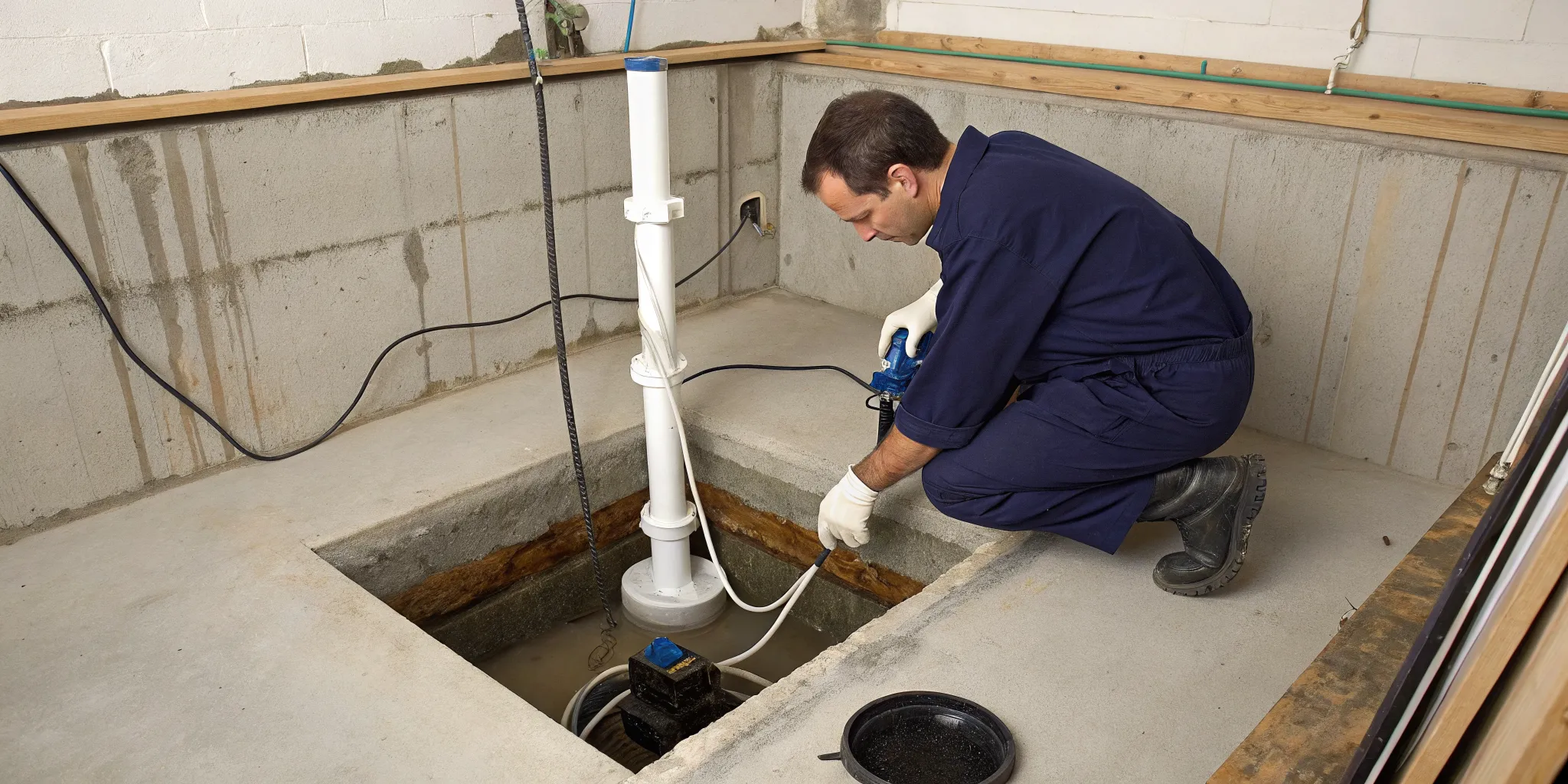
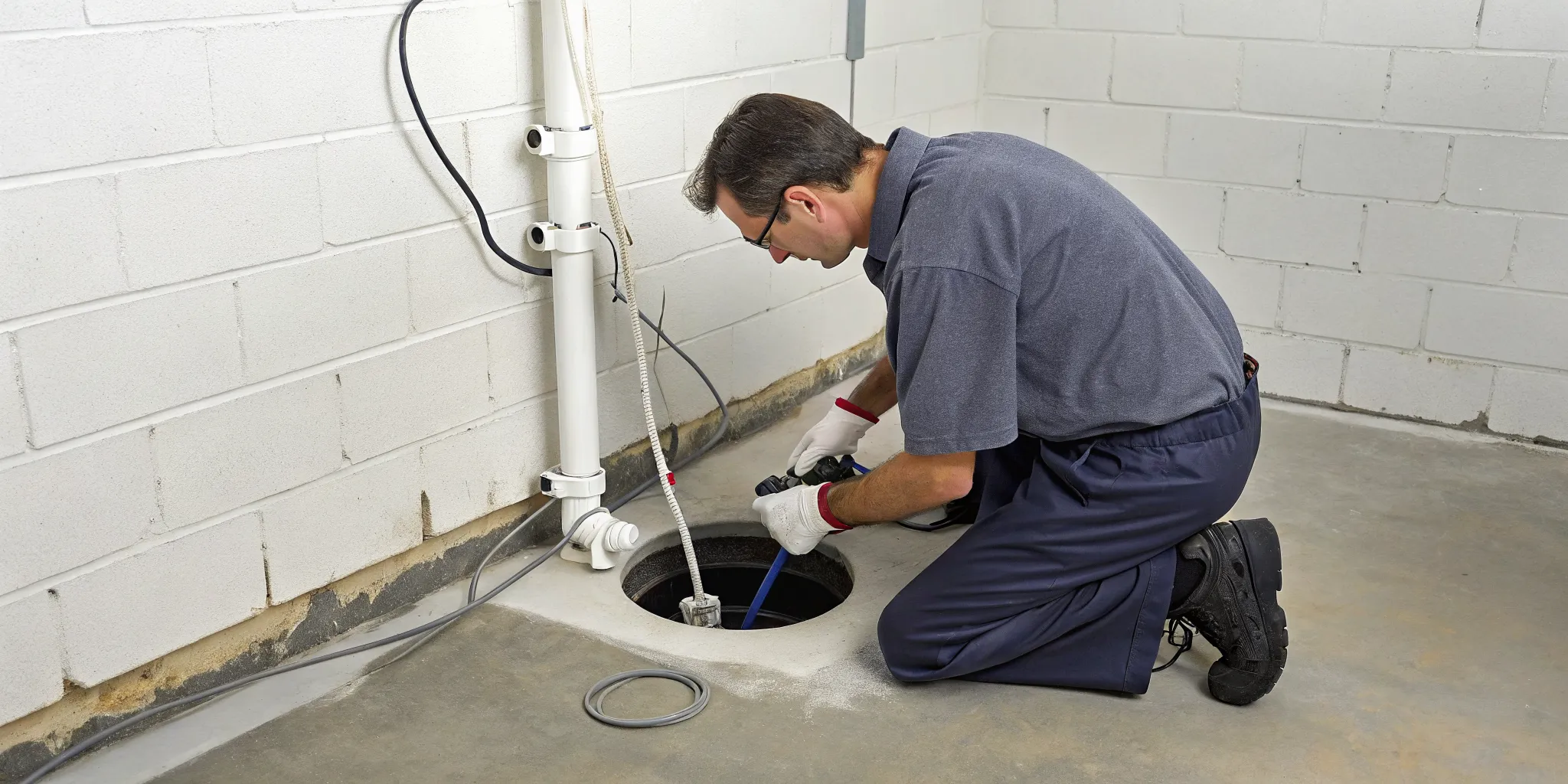
Technician performing a sump pump replacement service in a basement.

A flooded basement can easily cause thousands of dollars in damage, from replacing drywall and flooring to salvaging personal items. When you compare that to the cost of a new sump pump, the choice becomes clear. A timely replacement isn’t just a repair; it’s a smart investment in protecting your property and your peace of mind. But how do you know when it’s the right time? This guide breaks down everything you need to know, from the warning signs of failure and the costs involved to what to look for in a quality sump pump replacement service, helping you make a confident and cost-effective decision for your home.

Key Takeaways

  • Recognize the Warning Signs of Failure: Pay attention to your sump pump’s age, sounds, and behavior. If it’s over seven years old, makes grinding noises, or runs too often, it’s giving you clear signals that it’s time to consider a replacement before it fails during a storm.
  • Invest in a Quality System and Professional Installation: A reliable pump, such as a cast-iron submersible model with a battery backup, is your best defense against flooding. Pairing it with installation from a licensed, insured professional ensures it’s set up correctly for long-term performance.
  • Simple Maintenance Is Your Best Prevention: You can avoid most surprise failures with a few easy habits. Once a month, test your pump with a bucket of water, clean debris from the pit, and make sure the discharge pipe outside is clear of blockages.

Is It Time to Replace Your Sump Pump?

Your sump pump is one of those household heroes that works quietly in the background, protecting your basement from water damage. But like any hard-working appliance, it won’t last forever. Ignoring the warning signs of a failing pump can lead to a flooded basement, costly repairs, and a lot of stress. So, how do you know when it’s time for a replacement? Thankfully, your pump will usually give you a few clues that it’s nearing the end of its life. Paying attention to these signs allows you to act before a small issue becomes a full-blown emergency.

It’s easy to forget about your sump pump until you really need it, which is often during a heavy downpour. That’s the worst time to discover it’s not working. By learning to spot the early signs of trouble, you can address the problem on your own terms instead of in a panic. A proactive approach not only protects your home but also gives you time to research the right replacement and find a trusted professional. If you notice any of the following red flags, it’s a good idea to start thinking about a replacement.

It’s Making Strange Noises or Cycling Too Often

You’re probably used to the gentle hum of your sump pump kicking on, but new or loud noises are a cause for concern. Grinding, rattling, or gurgling sounds can indicate that the motor’s bearings are worn out or the impeller is damaged or clogged with debris. Another sign is a pump that cycles on and off too frequently, even when there isn’t heavy rain. This could mean the float switch is faulty or the pump itself is too small for the amount of water it’s handling. These sounds and cycles are your pump’s way of telling you it’s struggling to do its job.

You See Rust, Smell Odors, or Notice Water Damage

A quick visual inspection can tell you a lot about your sump pump’s health. If you see visible rust or corrosion on the pump, it’s a sign that the metal is breaking down and the unit is becoming weaker. This is especially common in homes with high iron content in the water. You should also pay attention to any foul odors coming from the sump pit, which can signal mold and mildew growth from water that isn’t being pumped out effectively. Of course, the most obvious sign of trouble is any dampness or water damage in your basement, which means the pump is already failing to keep the area dry.

It Won’t Turn On—Or Won’t Shut Off

Two of the most critical signs of failure are when your pump either doesn’t run at all or runs continuously. If a storm is rolling in and your pump won’t turn on, you have an emergency plumbing situation on your hands. The cause could be a stuck float switch, a tripped circuit breaker, or a completely dead motor. On the other hand, a pump that never shuts off is also a major problem. This will not only cause your electricity bill to spike but will also burn out the pump’s motor very quickly. This is often caused by a tangled or defective float switch that can’t tell the pump to stop.

It’s More Than 7 Years Old

Even if your sump pump seems to be working perfectly, its age is a major factor to consider. Most sump pumps have a lifespan of about seven to 10 years. As a pump gets older, its components wear down, and the risk of a sudden failure increases dramatically, especially during the heavy rains and snowmelt we get in Metro Detroit. If your pump is approaching the 10-year mark, replacing it is a smart, proactive move that can save you from a flooded basement. A planned replacement is always less stressful and more affordable than an emergency call, making it a wise investment in your home’s protection and your own peace of mind.

What Are Your Sump Pump Options?

When it’s time to replace your sump pump, you’ll find you have a few different options. The best choice for your home depends on your basement, your budget, and how much protection you need. The main decision you’ll make is between a submersible pump and a pedestal pump, and each has its own set of pros and cons. Beyond that, you’ll want to think about adding a backup system for extra security and look for a few key features that can make a world of difference in performance and reliability. Let’s walk through what you need to know to make a confident choice.

Submersible Pumps

A submersible pump is exactly what it sounds like: it sits down inside your sump pit, fully submerged in water. Because they’re underwater, they tend to be much quieter than other models, which is a nice bonus if your basement is a finished living space. These pumps are workhorses, designed to handle large volumes of water and debris without clogging. They are generally more durable and powerful, making them a fantastic choice for homes in Metro Detroit that deal with heavy rains or high water tables. While they are a bigger initial investment, their reliability offers serious peace of mind.

Pedestal Pumps

A pedestal pump is designed with its motor on a tall stand, or pedestal, that keeps it out of the water while a hose runs down into the pit. The main advantage here is easy access. Since the motor isn’t submerged, inspections and repairs are much simpler. Pedestal pumps are also typically less expensive than submersible models, making them a budget-friendly option. However, they are usually not as powerful and can be noisier since the motor is exposed. If you have a narrow sump pit or are looking for a more affordable upfront solution, a pedestal pump could be the right fit for your home.

Battery Backup Systems

Let’s be real: Michigan storms can be unpredictable, and the last thing you want is for a power outage to lead to a flooded basement. That’s where a battery backup system comes in. This is a secondary, battery-powered sump pump that automatically kicks on if your primary pump fails or the power goes out. Think of it as an insurance policy for your basement. It provides an essential layer of protection, ensuring water is still being pumped out when you need it most. If you have a finished basement or store anything valuable downstairs, a battery backup isn’t just a good idea; it’s a necessity for preventing a potential plumbing emergency.

Key Features to Look For

Once you’ve decided on the type of pump, the details matter. Certain features can significantly improve your pump’s lifespan and performance, saving you from headaches down the road.

Smart Monitoring

Imagine getting an alert on your phone that your sump pump has lost power or is having an issue, even when you’re on vacation. That’s the power of smart monitoring. Newer pumps with Wi-Fi capabilities can notify you of potential problems before they turn into a disaster. This allows you to take action right away, whether it’s calling a neighbor or scheduling a service call. While it’s an advanced feature, the peace of mind that comes with knowing your basement is protected 24/7 is often worth the extra investment.

Durable Float Switches

The float switch is a small but mighty part of your sump pump. It’s the trigger that tells the pump when to turn on as water levels rise and when to shut off. A cheap or flimsy switch can get stuck, causing the pump to run nonstop (burning out the motor) or not run at all (hello, flood). This is one of the most common points of failure. When choosing a new pump, look for one with a solid, durable float switch to ensure reliable operation and avoid unnecessary repairs.

Corrosion-Resistant Build

Your sump pump lives in a cold, damp environment, which is a recipe for rust and corrosion. To make sure your pump lasts, pay attention to what it’s made of. Models built with corrosion-resistant materials like cast iron or stainless steel are designed to withstand the harsh conditions of a sump pit. A well-constructed pump not only lasts longer but also does a better job of protecting your home’s foundation from water damage. Investing in quality materials is a key part of our sump pump services because we know it leads to long-term reliability.

How Much Does a Sump Pump Replacement Cost?

Understanding the cost of a sump pump replacement helps you budget and avoid surprises. The total price isn’t just about the pump itself; it also includes labor and any extra work needed to get your system running perfectly. On average, homeowners in Metro Detroit can expect to pay between $500 and $3,000 for a full replacement. The final cost depends on the type of pump you choose, the complexity of the installation, and the professional you hire. The best way to get an accurate price for your specific situation is to request a detailed quote from a trusted plumber.

Cost of the New Pump

The sump pump itself is the first part of the equation, with prices typically ranging from $150 to $1,500. This wide range reflects the variety of options available. A basic pedestal pump will be on the lower end, while a high-capacity submersible pump with a battery backup and smart features will be at the higher end. While it might be tempting to choose the cheapest option, investing in a durable, high-quality pump can save you from premature failures and costly water damage down the road. A reliable pump is your basement’s first line of defense against flooding.

Labor and Installation Fees

Professional installation is a critical investment in your home’s safety. Labor costs for a sump pump replacement usually run between $300 and $800. This fee covers the plumber’s expertise, specialized tools, and the time it takes to do the job right, which is often between two and four hours for a standard replacement. Hiring an experienced professional ensures your pump is correctly sized, properly connected to the discharge line, and tested to confirm it’s working. This peace of mind is well worth the cost, as improper installation can lead to system failure when you need it most.

Other Potential Costs

Sometimes, a replacement requires more than just swapping out the old pump. Several other factors can add to the total cost. If your sump pit liner is cracked or needs to be replaced, that could add $100 to $300. More complex jobs, like digging a new pit or rerouting plumbing, can add $1,000 or more. You may also need new piping or a new check valve. Finally, there might be a small fee for the disposal of the old pump and materials. A good plumber will identify these needs during the initial assessment and include them in your quote.

Should You DIY Your Sump Pump Replacement?

While the DIY route can be tempting for saving money, replacing a sump pump is a job best left to the pros. This project involves both plumbing and electrical work, and a small mistake can have big consequences, like an electrical short or a flooded basement. A professional plumber not only has the right tools and experience but also understands local building codes. By hiring a trusted team for your sump pump services, you’re not just paying for an installation; you’re investing in the assurance that your home is protected from water damage.

What to Expect During a Sump Pump Replacement

Knowing what happens during a professional sump pump replacement can make the process feel much less daunting. When you hire a trusted plumber, they follow a clear, step-by-step process to get your basement protected again. From the initial inspection to the final test, here’s a look at what you can expect when our team arrives at your home.

Step 1: Assess the Sump Pit and Select a New Pump

First things first, a professional plumber will take a close look at your current sump pump and the pit it sits in. We’ll check for any damage, assess the pump’s age and performance, and inspect the discharge line. This helps us determine if a simple repair will do or if a full replacement is the best course of action for long-term reliability. If you need a new pump, we’ll walk you through the best options for your home, considering factors like your basement’s size, the local water table, and your budget. Our goal is to help you choose a pump that provides solid protection without breaking the bank.

Step 2: Remove the Old Pump and Prep the Area

Once you’ve selected a new pump, our technician will get to work removing the old unit. We start by safely disconnecting the power supply and the discharge pipe. Then, we’ll lift the old, heavy pump out of the basin. The next part is key: we thoroughly clean the sump pit. Over time, dirt, gravel, and other debris can build up and interfere with a pump’s float switch and motor. By clearing everything out, we ensure your new pump has a clean environment to operate in, which is a crucial part of our professional sump pump services.

Step 3: Install the New Pump and Discharge Line

With a clean pit ready to go, we’ll carefully place your new sump pump, making sure it’s positioned correctly and sits level on the bottom. Next, we connect the new pump to the discharge line, using high-quality fittings to create a watertight seal that prevents leaks. This is also the perfect time to consider adding a battery backup system. A backup pump provides an extra layer of security, ensuring your basement stays dry even during a power outage, which can help you avoid a major water-related disaster. We’ll make sure everything, including the power source, is hooked up correctly and safely.

Step 4: Test the New System

The final and most important step is to test everything. A professional installation is never complete until we’ve confirmed the new system works perfectly. To do this, we’ll pour several gallons of water into the sump pit, simulating heavy rainfall or groundwater intrusion. We’ll watch to make sure the float switch activates at the right level, the pump turns on smoothly, and it efficiently drains the water from the pit. We’ll also confirm that the pump shuts off automatically once the water is cleared. This final test gives you immediate peace of mind that your home is protected by a reliable, fully functional sump pump.

How to Choose a Sump Pump Replacement Pro

Choosing the right professional to replace your sump pump is one of the most important decisions you’ll make. This isn’t just about swapping out a piece of equipment; it’s about finding a partner you can trust to protect your home from water damage. The right plumber will ensure your new system is installed correctly, works efficiently, and gives you peace of mind for years to come. When you’re vetting potential companies, you’re looking for a combination of technical skill, transparency, and a solid local reputation. A great plumber offers more than just a quick fix; they provide reliable plumbing solutions that last.

Look for Licensing and Experience

First things first, always make sure any plumber you consider is licensed and insured. A license is more than just a formality; it’s proof that they have the training and knowledge required to work on critical systems like your home’s drainage. An experienced professional has seen it all, from simple replacements to complex installations with unexpected challenges. They can recommend the right pump for your specific needs and ensure it’s installed to perform optimally. A company that is proud of its history and team, like a family-owned business, often brings a level of dedication and trust that is hard to beat.

Ask About Warranties and Pricing

No one likes financial surprises, especially during a home repair. A reputable plumbing company will be upfront and transparent about its pricing. Don’t hesitate to ask for a clear, detailed estimate before any work begins. You should also inquire about warranties. A good service provider will offer a warranty on both the sump pump itself and the installation labor. This shows they stand behind their work and are committed to quality. A strong warranty is your protection and a clear sign that the company is confident in the service it provides. Feel free to reach out and ask these questions directly.

Check Local Reviews and Reputation

Before you hire anyone, take a few minutes to see what your neighbors are saying. Checking online reviews on sites like Google can give you a real-world look at a company’s professionalism, timeliness, and quality of work. Look for patterns in the feedback. Are customers consistently happy with the service they received? Do they mention the plumbers being respectful of their home and clear in their communication? Positive reviews from local homeowners are a strong indicator that you’re choosing a reliable and customer-focused team that treats every client with care.

Confirm They Know Local Codes

Every area has specific building codes and regulations, and Metro Detroit is no exception. These rules are in place to ensure your plumbing systems are safe and effective. A professional who is an expert in the local area will understand the specific requirements for sump pump installations, including proper discharge and electrical connections. This local knowledge is crucial because it accounts for regional factors like soil type and weather patterns that can affect your pump’s performance. Hiring a pro who knows the local landscape ensures your new sump pump is not only effective but also fully compliant.

How to Maintain Your New Sump Pump

Once your new sump pump is installed, a little routine maintenance goes a long way in keeping it running smoothly for years to come. Think of it as protecting your investment and your home from water damage. These simple checks don’t take much time and can save you from a major headache down the road. By staying on top of these tasks, you ensure your pump is ready to work when you need it most. If you ever feel unsure about a maintenance step, remember that professional sump pump services are always available to help.

Test It Monthly and Clean the Pit

Set a reminder on your phone to test your sump pump once a month. It’s easy: just pour a bucket of water into the sump pit. The pump should kick on, drain the water, and then shut off automatically. While you’re there, take a look inside the pit. Remove any dirt, gravel, or other debris that could get sucked into the pump and cause a clog or damage the motor. A clean pit helps your pump operate efficiently and prevents unexpected failures during a heavy storm.

Keep the Discharge Line Clear

Your sump pump’s job is to move water out of your basement, and the discharge line is the pipe that carries it away from your home’s foundation. This line can get clogged with debris or freeze during a harsh Michigan winter. Regularly check the pipe, especially where it exits your home, to make sure it’s clear and that water can flow freely. A blocked discharge line will force water back into your basement, which is exactly what you’re trying to prevent.

Check the Float Switch and Power Source

The float switch is the trigger that tells your pump to turn on when water levels rise. You can test it by lifting the float arm manually to see if the pump activates. Also, take a second to confirm the pump is securely plugged into a working ground-fault circuit interrupter (GFCI) outlet. It might sound basic, but it’s not uncommon for a pump to be accidentally unplugged. Ensuring it has a reliable power source is a critical step in your maintenance routine.

Know When to Call a Professional

If you test your pump and it doesn’t turn on, or if it runs continuously, it’s time to call for help. Don’t wait for a storm to find out your pump isn’t working. Acting quickly can prevent a flooded basement and costly water damage. A qualified plumber can diagnose the problem, whether it’s a faulty part or a more complex issue. If you’re facing a sudden failure, especially during heavy rain, getting emergency plumbing help is the safest and fastest way to protect your home.

Related Articles

Frequently Asked Questions

How often should I really replace my sump pump? Even if your pump seems to be working fine, you should plan on replacing it every seven to ten years. As the pump gets older, its parts wear down, and the risk of it failing during a heavy storm increases a lot. Being proactive and replacing an aging pump on your own schedule is much less stressful and more affordable than dealing with an emergency replacement after your basement has already flooded.

Is a battery backup system actually worth the extra cost? Yes, a battery backup is one of the smartest investments you can make for your basement. Michigan storms can easily knock out the power, and that’s often when you need your sump pump the most. A battery backup system is a secondary pump that automatically turns on if the power fails or your primary pump malfunctions, giving you a crucial layer of protection against water damage.

What’s the main difference between a submersible and a pedestal pump? The key difference is where the motor is located. A submersible pump sits entirely inside the sump pit, making it quieter and more powerful, which is great for finished basements. A pedestal pump has its motor on a stand above the water, which makes it easier to access for repairs and generally less expensive, though it can be a bit louder.

Can I save money by installing the new sump pump myself? While it might be tempting to DIY, replacing a sump pump involves both plumbing and electrical work, and a small mistake can lead to a big disaster like a flood or an electrical short. Hiring a professional ensures the pump is installed safely, correctly, and in compliance with local codes, giving you confidence that your home is truly protected.

My sump pump is making a loud, strange noise. Does it need to be replaced right away? A loud grinding or rattling noise is your pump’s way of telling you it’s in distress. It could be a sign of a failing motor or a clogged part. While it doesn’t always mean you need a replacement that very second, it is a serious warning that you shouldn’t ignore. The best thing to do is call a professional plumber to inspect it right away before the problem gets worse.

About Alex Riza

View all posts by Alex Riza

No author description available.