
Your home’s plumbing has a security guard you might not know about: a backflow preventer. This device ensures that dirty water from your sprinkler system or garden hose can’t flow backward into your clean drinking water. But like any mechanical part, it needs a regular check-up to confirm it’s working correctly. This is especially true with Michigan’s harsh winters, which can damage these devices. Understanding the process for backflow testing Royal Oak MI is a key part of responsible homeownership. We’ll walk you through what to expect during an inspection and why it’s a non-negotiable for protecting your family’s health.
Key Takeaways
- Know Royal Oak’s Rules: Backflow testing isn’t just for businesses; many homeowners, especially those with sprinkler systems, need it too. This routine check is required by the city to prevent contaminants from entering the public water supply, keeping everyone’s drinking water safe.
- Verify Your Tester’s Credentials: The professional you hire must have two specific qualifications: an ASSE 5110 certification for backflow testing and a valid plumber’s license. Don’t hesitate to ask for proof to ensure you meet Oakland County’s requirements.
- A Failed Test Is Not a Disaster: Most backflow preventers fail due to simple wear and tear or minor debris. A certified plumber can often perform a quick repair on the spot, which is much better than facing a costly replacement or a real backflow emergency.
Your Guide to Backflow Testing in Royal Oak
If you’re a homeowner or business owner in Royal Oak, you’ve probably heard about backflow testing. It might sound like a complicated plumbing term, but it’s a simple and essential process for keeping our community’s water supply safe. Think of it as a routine check-up for your plumbing system to ensure dirty water can’t mix with your clean drinking water. Understanding the local rules and what the process involves can save you a lot of headaches down the road. Let’s walk through what you need to know about backflow testing and why it’s so important for your property.
What Is Backflow and Why Does It Matter?
In the simplest terms, backflow is the unwanted reversal of water flow in your plumbing. Your pipes are designed to keep clean, potable water flowing in one direction: from the city’s main line to your faucets. Backflow happens when pressure changes in the pipes cause water to flow backward, potentially pulling contaminants into your clean water supply. This is where a backflow preventer comes in. It’s a special valve installed on your plumbing system that acts as a gatekeeper, stopping any reverse flow in its tracks. Regular testing ensures this critical device is working correctly, protecting your family or customers from contaminated water. Mr. Pipey offers expert backflow preventer repair and testing to keep your system compliant and safe.
How Backflow Puts Your Water Supply at Risk
The real danger of backflow lies in something called a cross-connection. A cross-connection is any point where your drinking water plumbing connects to a non-potable water source. It’s more common than you might think. A simple garden hose left in a bucket of soapy water, a lawn irrigation system, or a boiler can all create cross-connections. If a sudden drop in water pressure occurs (like from a water main break or a fire hydrant being used nearby), a siphon effect can pull the contaminated water from that hose or sprinkler system back into your home’s pipes and even the public water supply. The city of Royal Oak’s Cross Connection Control Program is designed to prevent exactly this scenario.
Who Needs Backflow Testing in Royal Oak?
Many people assume backflow testing is only for commercial properties, but that’s not the case in Royal Oak. According to city guidelines, every residential property is subject to an inspection of its exterior water sources. If you have an in-ground sprinkler system, a fire suppression system, or a large boiler, you almost certainly have a backflow prevention device that requires annual testing by a certified professional. Even some simpler setups might require one. The goal is to identify and protect any potential cross-connections. If you’re unsure whether your home needs a backflow preventer or if your current one needs testing, our team can help you figure it out and stay compliant with local regulations.
Common Myths About Backflow Testing
Let’s clear up a few common misconceptions. First, as we mentioned, backflow testing isn’t just for big businesses. Many residential homes in Royal Oak have systems that require a backflow preventer, making testing a necessary part of home maintenance. Another myth is that a standard check valve is the same as a backflow preventer. While a check valve only allows water to flow one way, it’s not as fail-safe or testable as a true backflow prevention assembly. A certified backflow device is a specialized piece of equipment designed to offer a higher level of protection. Understanding these differences is key to appreciating why specific plumbing services and certified testing are so important for water safety.
Understanding Royal Oak’s Backflow Rules
Navigating local regulations can feel a bit overwhelming, but when it comes to your water supply, it’s worth getting right. The City of Royal Oak has specific rules for backflow prevention to protect our community’s drinking water from contamination. These requirements aren’t just about compliance; they’re a critical safety measure for every home and business.
Think of a backflow preventer as the security guard for your plumbing system. It stands at the ready to stop dirty water (from sources like lawn sprinklers, boilers, or pools) from flowing backward into your clean water lines. Like any mechanical device, these preventers need regular checks to ensure they’re working correctly. Let’s walk through exactly what Royal Oak expects from property owners so you can stay compliant and keep your water safe.
How Often Is Testing Required?
For most homeowners in Royal Oak, the testing schedule is straightforward. The city’s Cross Connection Control Residential Program requires an initial inspection for homes over five years old, with follow-up inspections every ten years. However, this schedule can change if you have certain systems connected to your water supply. Properties with in-ground irrigation systems, fire suppression systems, or commercial-grade equipment often require more frequent testing, usually on an annual basis. If you receive a notice from the city, it’s important to schedule your test promptly to avoid any penalties.
What Certifications Should Your Tester Have?
This is a big one. You can’t just hire anyone to perform a backflow test. As of early 2024, Oakland County updated its requirements to ensure the highest level of expertise. Any professional performing your test must have two specific credentials. First, they need a valid ASSE Standard 5110 certification for testing backflow prevention assemblies. Second, they must hold a valid master, journey, or apprentice plumber license. This dual requirement ensures the person testing your device is not only certified for that specific task but is also a qualified plumber who understands your entire plumbing system. You can always check the county’s list of approved Backflow Prevention Assembly Testers to verify a professional’s credentials.
The Risks of Skipping Your Annual Test
Skipping a required backflow test might seem like a way to save a little time and money, but the risks are significant. A backflow preventer is a mechanical device with internal seals, springs, and moving parts that can wear out or fail over time. Without a proper test, you’d have no way of knowing if your device has stopped working. A single backflow incident with a failed device could allow pesticides, fertilizers, bacteria, and other harmful substances to enter your home’s drinking water. This creates a serious health hazard for your family. Regular testing is the only way to confirm your device is capable of preventing contaminated water from flowing back into your clean supply.
How Michigan’s Climate Affects Your Backflow Preventer
Here in Michigan, we know how harsh our winters can be, and the cold weather can do a number on your plumbing. Backflow preventers, especially those located outside for sprinkler systems, are highly susceptible to freeze damage. When water inside the device freezes, it expands and can crack the housing or damage the internal components, causing it to fail. That’s why it’s so important to have your outdoor lines properly winterized. For hose bibs, Royal Oak recommends using an “anti-frost” vacuum breaker. This simple, inexpensive part helps prevent ice damage. If you have an outdoor backflow assembly, proper insulation and draining are key to avoiding costly frozen pipe repair in the spring.
The Backflow Testing Process Explained
Getting your backflow preventer tested might sound complicated, but it’s a straightforward process that a certified professional can handle quickly. The main goal is to verify that your device is working correctly, creating a closed barrier that stops contaminated water from flowing back into your clean water supply. Think of it as a crucial health checkup for your plumbing system. During the inspection, a certified tester uses specialized equipment to check the pressure and ensure the internal valves and seals are doing their job.
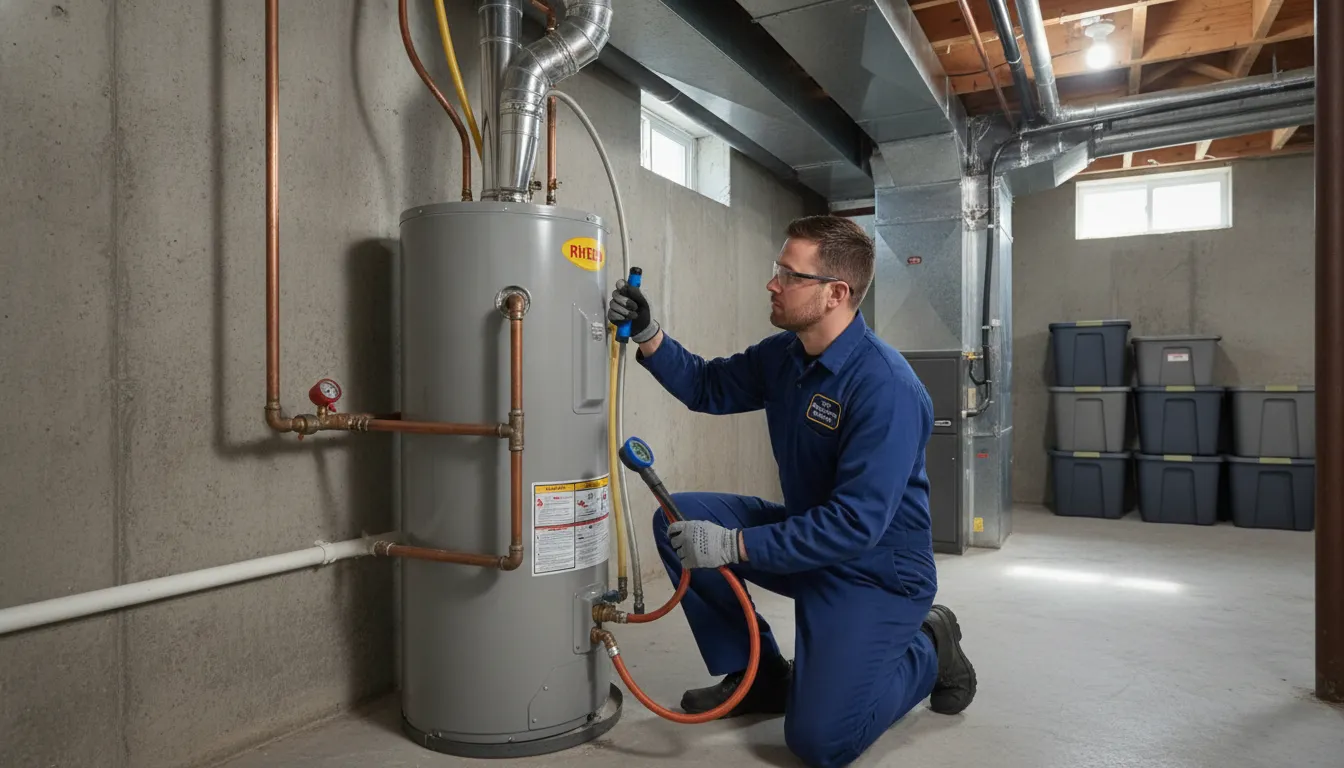
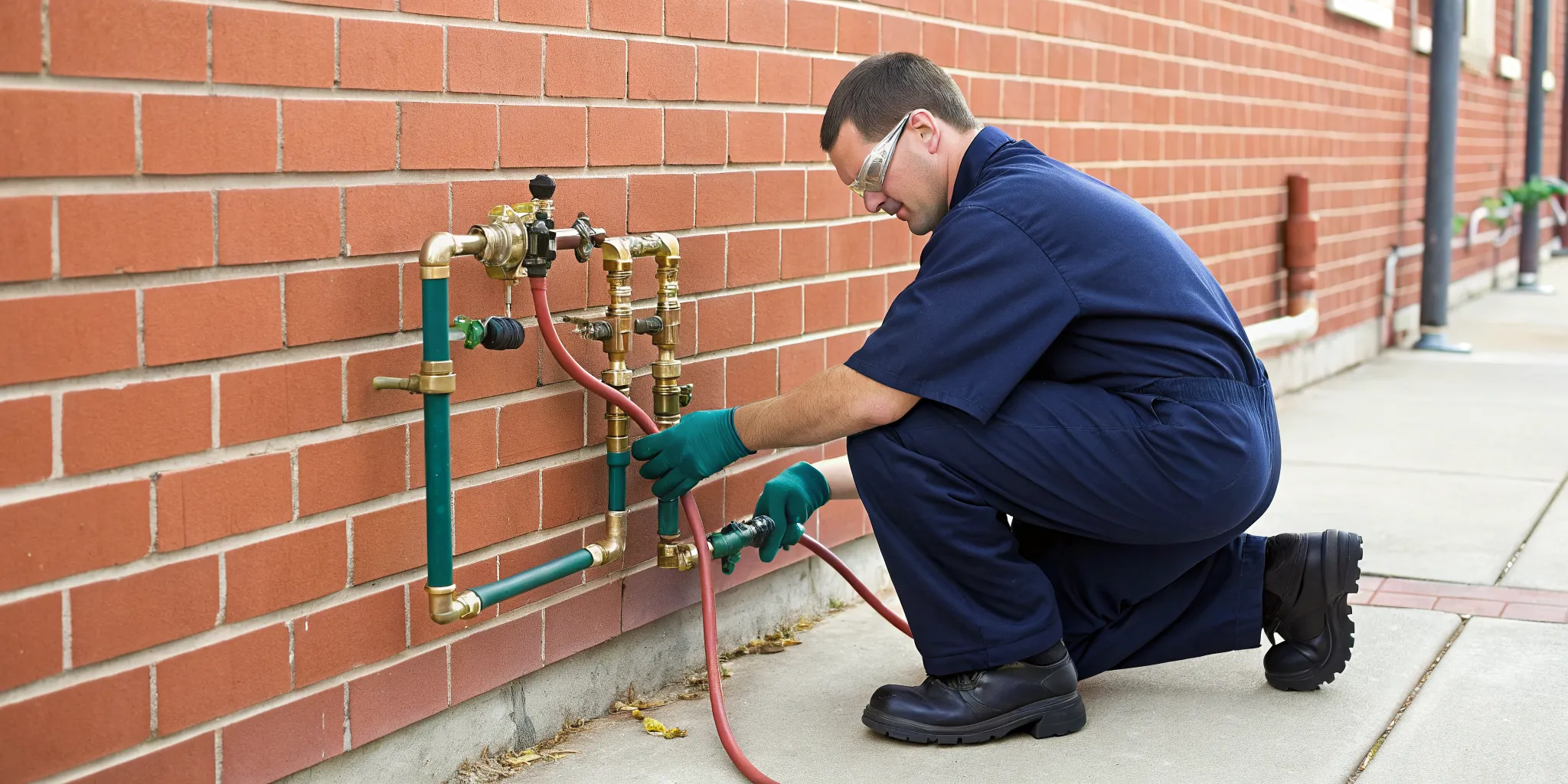
The process starts with identifying the type of backflow prevention device you have, as the testing procedure varies slightly for each one. The technician will connect a test kit to the device’s test cocks, temporarily shut off the water, and run a series of checks. It’s a non-invasive procedure that usually takes less than 30 minutes. Once the test is complete, the technician will give you the results on the spot and submit the required paperwork to the city on your behalf. If the device passes, you’re all set for another year. If it fails, they’ll explain exactly why and what steps are needed to fix it.
Common Types of Backflow Prevention Devices
Not all backflow preventers are created equal. The type installed at your home or business depends on the level of risk, or “hazard,” associated with your water system. For example, a commercial property with chemical lines will require a more robust device than a home with a simple sprinkler system. The three most common types you’ll see in the Royal Oak area are Reduced Pressure Zone (RPZ) assemblies, Double Check Valve Assemblies (DCAs), and Pressure Vacuum Breakers (PVBs). Each one is designed to handle different scenarios, but they all share the same mission: keeping your drinking water safe and clean.
Reduced Pressure Zone (RPZ) Assemblies
Reduced Pressure Zone (RPZ) assemblies offer the highest level of protection against backflow. You’ll typically find them in high-hazard situations where any contamination could pose a serious health risk, like at medical facilities, commercial buildings, or properties with complex irrigation systems. An RPZ is more complex than other devices because it has a relief valve that will discharge water if it senses a backflow condition, providing a visible sign that something is wrong. Due to their complexity, these devices must be inspected and repaired by a certified backflow prevention inspector to ensure they function perfectly.
Double Check Valve Assemblies (DCAs)
A Double Check Valve Assembly (DCA) is the go-to device for low to medium-hazard situations. These are commonly found protecting the main water lines in residential buildings, fire suppression systems, and lawn irrigation setups. As the name suggests, a DCA contains two independently operating check valves that work in tandem. If the first valve fails, the second one is there to provide backup protection. While they are very reliable for preventing back-siphonage and backpressure from non-hazardous sources, they don’t have a relief valve like an RPZ, so they aren’t used for high-hazard applications.
Pressure Vacuum Breakers (PVBs)
Pressure Vacuum Breakers (PVBs) are simple, effective devices used to protect against back-siphonage in low-hazard water lines. They are most often installed on lawn and garden irrigation systems. A PVB works by letting air into the system to break the vacuum if the water pressure drops, which stops potentially contaminated water from being siphoned back into your home’s plumbing. For example, it prevents water pooled around a sprinkler head (potentially mixed with fertilizers or pesticides) from getting into your drinking water. It’s an essential safeguard for any outdoor water connection.
What to Expect During a Backflow Test
On the day of your backflow test, the process is quick and minimally disruptive. A certified technician will arrive with a specialized test kit to perform the inspection. They will need access to wherever your backflow device is located, which is often in your basement, a utility room, or an outdoor enclosure. The technician will look at your home’s outside water sources, including spigots and sprinkler systems, as part of the cross-connection control program. The water supply to the device will be shut off for a few minutes while they connect their gauges and run the test. The entire appointment usually takes less than half an hour, and you’ll get your results immediately.
Why Backflow Devices Fail Inspection
It can be frustrating to hear your backflow device failed its annual test, but it’s more common than you might think. Most failures are due to simple wear and tear. Over time, the internal seals, springs, and O-rings can degrade and stop working effectively. Debris like sand, dirt, or rust can also get lodged in the valves, preventing them from closing completely. Other signs of a failing device include water discoloration, strange odors, or visible corrosion and leaks around the assembly. Catching these issues during a test is actually a good thing, as it allows for a simple repair before a major backflow event occurs.
What Happens If Your Device Fails the Test?
If your backflow preventer fails its test, don’t worry. The certified tester will immediately explain what went wrong and provide a clear path forward. In many cases, the issue can be resolved with a straightforward repair. Most modern backflow devices are designed to be serviceable, and a technician can often fix the problem by cleaning the internal components or replacing worn-out parts from a repair kit. Once the repair is complete, the device is tested again. If it passes, the technician will submit the updated certification to the city. If the device is too old or damaged for a repair, a full replacement may be necessary to keep your property in compliance and your water safe.
How to Choose the Right Backflow Tester in Royal Oak
Finding the right professional for your backflow testing is about more than just checking a box on your property maintenance list. It’s about ensuring the safety of your water supply and complying with local regulations. With so many options out there, it can feel a little overwhelming to know who to trust. You need someone who is not only qualified but also reliable and transparent. The key is to look for a certified professional who understands Royal Oak’s specific requirements and can handle any necessary repairs if your device fails. A great tester will walk you through the process, explain the results clearly, and provide straightforward solutions. By asking the right questions and verifying credentials, you can confidently hire a plumber who will protect your home or business and give you peace of mind.
What to Look For in a Certified Tester
When you’re hiring someone to test your backflow preventer, credentials are non-negotiable. In Royal Oak, all testers must meet specific county requirements to ensure they are qualified for the job. A professional must hold both a valid ASSE Standard 5110 certification for backflow prevention assembly testing and a current master, journey, or apprentice plumber license. These rules ensure the person testing your system has the specialized training and broader plumbing knowledge to work correctly and safely. Don’t hesitate to ask for proof of both before work begins. A qualified professional will always be happy to provide their credentials and show they meet all local standards.
Key Questions to Ask Before You Hire
Before you commit to a plumbing company, taking a few minutes to ask some direct questions can save you a lot of headaches. Start by confirming they have the required certifications we just talked about: an ASSE 5110 certification and a valid plumber’s license. Next, ask for a clear price quote for the test itself. It’s a good idea to contact a few different companies to compare costs and get a feel for the market rate. You should also ask what happens if your device fails the test. Will they provide a quote for repairs or replacement on the spot? Understanding their full range of backflow preventer services will help you choose a team that can handle the entire job from start to finish.
Understanding the Cost of Backflow Testing in Royal Oak
The cost of annual backflow testing is a small but essential investment in public health and safety. Many municipalities, including Royal Oak, require these yearly checks to ensure your system is properly preventing harmful substances like chemicals, fertilizers, and bacteria from contaminating the community’s drinking water. Think of it as a routine check-up for your plumbing system. While it is an added expense, skipping your test can lead to much bigger costs, including fines for non-compliance and the potential for extensive repairs if a problem goes unnoticed. Regular testing protects your family, your customers, and your neighbors, making it a fundamental part of responsible property ownership.
Trust Mr. Pipey for Your Metro Detroit Backflow Needs
When it’s time for your annual backflow test, you want a team you can count on to get the job done right. At Mr. Pipey, we are fully certified to test, repair, and maintain all types of backflow prevention devices in Royal Oak and across Metro Detroit. As a family-owned business, we treat every client’s property with the same care we would our own. We understand the local requirements and will handle all the necessary reporting to keep you in compliance. If your device needs attention, our expert plumbers provide cost-effective solutions and reliable workmanship to ensure your water is safe. Contact Mr. Pipey today to schedule your backflow test with a team that puts your safety first.
Related Articles
- Backflow Preventer Testing: A Homeowner’s Guide
- Plumbing Video & Sewer Camera Inspections Royal Oak | Mr. Pipey® Plumbing
- Drain Cleaning in Detroit & Royal Oak MI | Mr. Pipey® Plumbing
- Water Shut-off Valve Services in Hamtramck | Mr. Pipey® Plumbing
- Hot Water Dispenser Installation Plumber in Royal Oak | Mr. Pipey® Plumbing
Frequently Asked Questions
I have a simple sprinkler system. Do I really need a backflow test? Yes, you almost certainly do. Any in-ground irrigation system is considered a cross-connection, which is a point where contaminants (like lawn fertilizers and pesticides) could potentially enter your drinking water. Royal Oak requires these systems to be protected by a backflow preventer, and that device needs to be tested regularly to ensure it’s working. It’s a simple step that protects both your family’s health and the community’s water supply.
What happens if I don’t get my backflow preventer tested? Ignoring a required backflow test comes with two major risks. First, you have no way of knowing if your device is actually working. If it fails, your home’s water could be contaminated without you realizing it, creating a serious health hazard. Second, the city requires these tests for compliance. Skipping them can lead to notices, potential fines, and even the possibility of having your water service interrupted until the test is completed and passed.
How can I be sure the person I hire is actually qualified? This is a great question, as qualifications are very important. In our area, a certified tester must have two specific credentials: an ASSE 5110 certification for testing and a valid plumber’s license. Don’t be shy about asking a company to confirm their technicians hold both. A true professional will be happy to verify their qualifications. This ensures they have the specialized training for the test and the general plumbing expertise to handle your system safely.
Will my water be shut off for a long time during the test? Not at all. The testing process is quick and causes very little disruption. A certified technician only needs to shut off the water supply to the specific device for a few minutes while they connect their gauges and run the diagnostics. The entire appointment, from start to finish, usually takes less than 30 minutes. You’ll be able to use your water again almost immediately.
My device failed the test. Does this mean I need to buy a whole new one? A failed test doesn’t automatically mean you need a full replacement, so don’t panic. Most failures happen because of normal wear and tear on small internal parts like rubber seals and springs. In many cases, a certified plumber can simply clean the device and install a repair kit to get it working perfectly again. A replacement is usually only necessary if the device is very old or the main body is cracked, for instance from freeze damage.