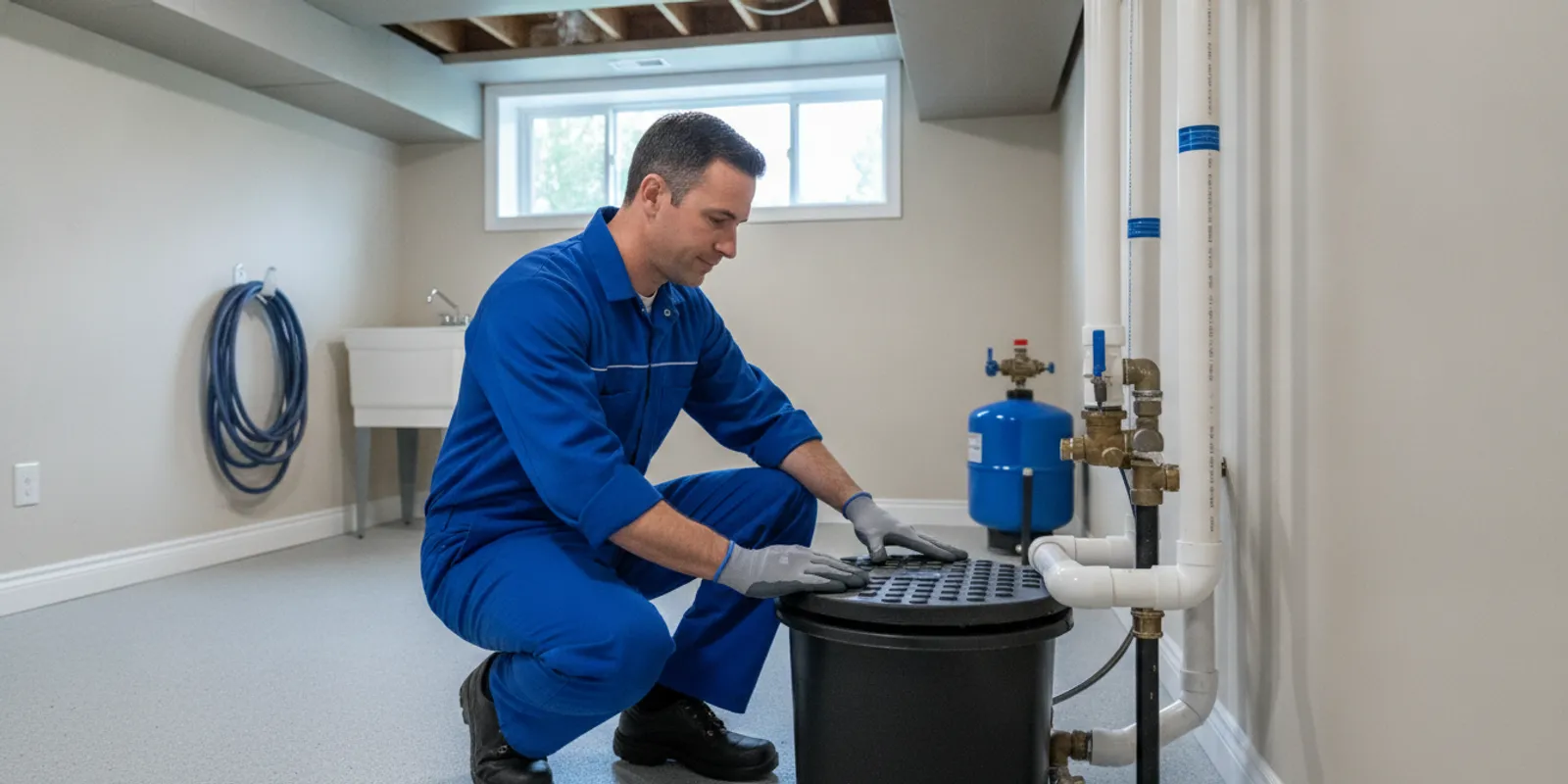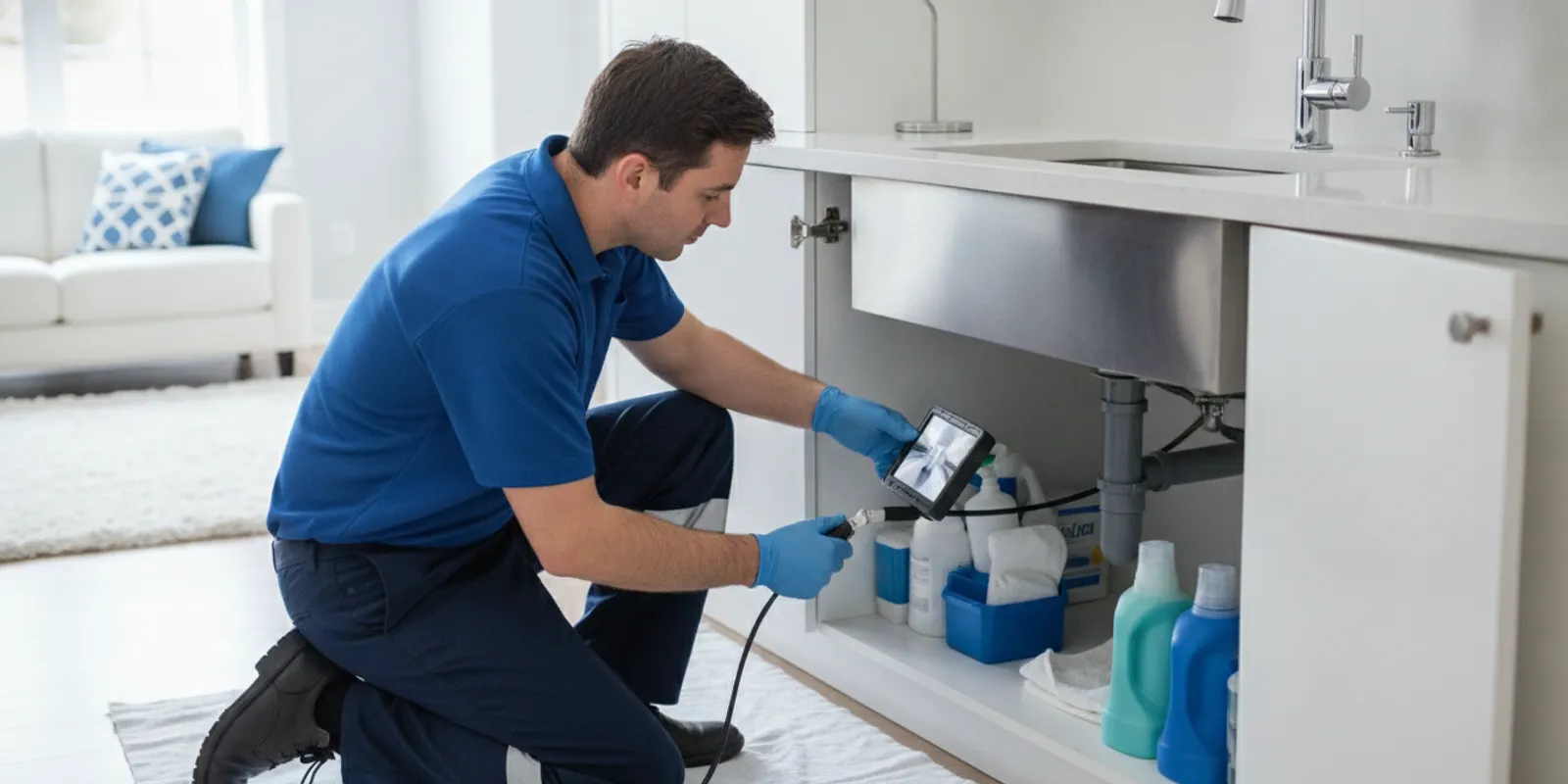


Your sump pump is the unsung hero of your basement, working silently to keep it dry. But what happens when a severe Metro Detroit storm knocks out the power? Your primary pump becomes useless, leaving your home vulnerable at the worst possible moment. This is where a secondary, battery-powered pump comes in, automatically taking over when the lights go out. A complete sump pump kit with battery backup is not just an accessory; it’s an essential insurance policy against a flooded basement. This guide will walk you through everything you need to know, from how these systems work to choosing the right one for your home, ensuring you have total peace of mind when the rain starts to fall.
Key Takeaways
- Protect your home during power outages: A standard sump pump is useless without electricity, leaving your basement vulnerable during a storm. A battery backup system is your insurance policy, automatically activating to keep your basement dry when the power fails or the primary pump can’t keep up.
- Choose a system based on your home’s needs: There isn’t a one-size-fits-all solution. Consider your home’s flood risk, your budget, and whether you’re upgrading or starting fresh to select the best system, from a simple standalone unit to a powerful all-in-one combo kit.
- Prioritize professional installation and regular maintenance: Even the best system can fail if it’s not installed correctly or maintained. Hiring a pro ensures a flawless setup, and simple tasks like testing the pump and replacing the battery every few years guarantee it will work when you need it most.
What Is a Sump Pump with a Battery Backup?
Think of your sump pump as the silent guardian of your basement. It works tirelessly behind the scenes to prevent water from seeping in and causing a flood, making it your first line of defense against heavy rains and melting snow. But what happens if the power goes out during a major storm? Suddenly, your primary pump is useless, leaving your home completely vulnerable to water damage at the worst possible moment. This is exactly why a sump pump with a battery backup is so important. It’s a secondary, battery-powered pump that automatically takes over the second your main system fails or loses power, ensuring continuous protection.
A battery backup kit is your home’s insurance policy against a flooded basement. These kits are designed for reliability, typically including a 12-volt DC pump, a long-lasting marine-grade battery, a smart charger that keeps the battery ready to go, and an automatic switch that detects power loss. When the lights go out, the backup system springs into action, continuing to pump water out of your sump pit and safely away from your foundation. Having reliable sump pump services that include battery backup installation gives you peace of mind, knowing your basement is protected no matter what the weather throws your way.
How Primary and Backup Pumps Work Together
Your primary and backup sump pumps are designed to work as a team. The primary pump is the workhorse; it’s the electric-powered unit that handles the day-to-day job of keeping your basement dry. The backup pump sits right beside it in the sump pit, waiting on standby. The system is managed by an automatic switch that constantly monitors the power supply and the water level.
If the power fails, the switch instantly activates the battery-powered backup pump to take over. It’s a seamless transition that you won’t even have to think about. This teamwork also comes into play if your primary pump fails for mechanical reasons or if it can’t keep up with an extreme amount of incoming water. The backup pump will kick in to assist, providing double the protection when you need it most.
Why Metro Detroit Homeowners Need a Battery Backup
Here in Metro Detroit, we’re no strangers to severe weather. Heavy spring rains and intense summer thunderstorms can easily overwhelm a home’s drainage system, and power outages are an unfortunate but common reality. With weather-related outages becoming more frequent, relying solely on a primary sump pump is a risky gamble. A battery backup system isn’t a luxury; it’s an essential safeguard for your property.
A flooded basement can lead to thousands of dollars in damages, from ruined floors and furniture to mold remediation and structural repairs. The cost of installing a battery backup is a small fraction of what you would spend on cleanup and restoration. A battery backup prevents the disaster from happening in the first place, protecting your home, your valuables, and your peace of mind when the power goes out. Should the worst happen, our emergency plumbing team is always ready to help.
What Are the Types of Battery Backup Systems?
When you start looking at sump pump backups, you’ll find a few different types on the market. It’s not a one-size-fits-all situation. The best choice for your home depends on your current setup, your budget, and how much protection you need. Think of it like this: some systems are complete two-in-one packages, while others are add-ons to your existing pump. Understanding the main categories is the first step to making a smart decision and keeping your basement dry when the next big Metro Detroit storm hits.
Each system has its own way of kicking into gear when the power goes out or your primary pump fails. Let’s walk through the four main types so you can figure out which one makes the most sense for your home. From all-in-one kits to systems that use your home’s water pressure, there’s a solution out there to give you peace of mind.
Combo Sump Pump Kits
Think of a combo kit as an all-in-one package deal. It includes both a primary electric sump pump and a secondary battery-powered backup pump, all pre-assembled and ready to install in your sump pit. When the power goes out or the main pump can’t keep up, the backup pump automatically takes over. This is a fantastic option if you’re installing a sump pump for the first time or if your current primary pump is old and due for a replacement anyway. It simplifies the installation and ensures both pumps are designed to work together seamlessly. Our team can help you find and install the perfect combo kit for your home’s sump pump services.
Standalone Battery Backup Units
If your primary sump pump is still in great shape but you want to add a layer of protection, a standalone battery backup is an excellent choice. This system includes a separate backup pump that you install in the sump pit right next to your main one. It’s connected to its own battery and has a separate float switch. If the water level rises because your primary pump has lost power or failed, the backup’s float switch will trigger it to turn on. This approach gives you the flexibility to add a safety net without replacing your entire existing system, making it a popular and cost-effective upgrade.
Inverter-Based Backup Systems
An inverter-based system works a little differently. Instead of powering a small, secondary pump, it acts like a personal power station for your primary sump pump. When the electricity goes out, the inverter draws power from a deep-cycle battery and converts it into AC power, allowing your main pump to run just as it normally would. The big advantage here is that you get the full power of your primary pump during an outage, which is ideal for basements that take on a lot of water. It’s a powerful solution for homeowners who need uninterrupted, heavy-duty protection, especially during severe weather that might cause an extended emergency plumbing situation.
Water-Powered Backup Systems
A water-powered backup is a unique, battery-free option. This system connects to your home’s municipal water supply line. When it activates, it uses the pressure from your city water to create a powerful suction that pulls water out of the sump pit and discharges it outside. The main benefit is that it can run indefinitely, as long as you have water pressure from the city. However, it’s important to know that these systems use a significant amount of fresh water while operating and may not be suitable for homes with well water. Their pumping capacity is also generally lower than battery-powered alternatives, so they are best for homes with minor to moderate water intrusion.
What Features Should I Look for in a Sump Pump Kit?
When you start comparing sump pump kits, the different features can feel a little overwhelming. But don’t worry, it’s not as complicated as it seems. Knowing what to look for will help you choose a system that gives you real peace of mind. Let’s walk through the five most important features to check so you can find the perfect fit for your home.
Pump Capacity and Horsepower
First, let’s talk about power. You’ll want a backup pump that’s just as strong, if not stronger, than your main pump. This is measured in gallons per hour (GPH). Think about how much water your basement might take on during a heavy Metro Detroit downpour. You also need to consider the “vertical lift,” which is just the height the pump has to push water to get it out of your basement. A higher lift requires more muscle, or horsepower. Getting the capacity right is crucial, so if you’re unsure, our team can help you assess your home’s specific needs during a sump pump service call.
Battery Type and Runtime
The battery is the heart of your backup system, so its reliability is key. Most sump pump batteries need to be replaced every five to seven years, so it’s a good idea to mark your calendar. When you see “runtime” listed, know that a fully charged battery can typically power a pump for about seven or eight hours of continuous work. Since your pump will likely cycle on and off, this can translate to several days of protection during an outage. This feature is what keeps your basement dry when the power goes out and the rain keeps coming.
Float Switch Design
The float switch is the unsung hero of your sump pump system. It’s a simple device that floats on the water in the sump pit. When the water level rises, the switch lifts and triggers the pump to turn on. When the water level drops, the switch lowers and turns the pump off. Because it’s the component that activates the pump, its reliability is non-negotiable. A stuck or failed float switch can mean the pump never turns on, so look for kits with a durable and well-designed switch to prevent this common point of failure.
Alarms and Smart Monitoring
Modern sump pump kits often come with built-in alarms that will sound if the battery is low, the pump is overworked, or water levels are rising too quickly. This gives you a critical heads-up to check on the system. Some advanced models even offer smart monitoring, which connects to your home’s WiFi and sends alerts directly to your phone. It’s a convenient way to keep tabs on your basement, but remember that if a storm knocks out both your power and your internet, these smart features may not be able to send notifications.
WiFi and Digital Displays
For those who love having all the information at their fingertips, some high-end kits include WiFi connectivity and a digital display. These LCD screens can provide a wealth of real-time data, including the battery’s charge level (full, normal, or empty), the power being drawn, and other diagnostic information. While not essential for every homeowner, these features offer an extra layer of control and insight into your system’s performance. They make it easy to see at a glance that your backup system is healthy and ready for action.
What Makes a Sump Pump Kit “Top-Rated”?
When you see a sump pump kit labeled “top-rated,” it’s easy to assume it’s all about a high price tag or a famous brand name. But what really makes a system dependable isn’t just the logo on the box. True quality comes from a combination of smart design, powerful performance, and features that provide peace of mind when the rain starts pouring. A top-rated kit is one that you can trust to work flawlessly the moment your power goes out. It’s about having a system where every component, from the pump itself to the battery and its alert system, is built for reliability. We’ll look at the four key qualities that separate the best sump pump kits from the rest: durability, advanced monitoring, powerful performance, and reliable power conversion. These are the features that truly matter when it comes to protecting your home and family from water damage.
Durability and Build Quality
A sump pump’s first job is to be tough. A battery backup is useless if the primary pump it’s supporting gives out. Interestingly, cost isn’t always the best indicator of durability. As many plumbers and homeowners have found, “Even expensive sump pumps can fail. A less expensive, unknown brand pump can sometimes last a long time.” Instead of focusing only on price, look for signs of quality construction. Pumps with cast iron housings are generally more durable than plastic ones, as they dissipate heat better and can withstand debris. The type of float switch also matters; vertical and electronic switches tend to be more reliable than tethered ones, which can get stuck. A well-built pump is the foundation of a system you can count on for years, protecting your basement from water damage.
Advanced Monitoring and Alerts
Modern sump pump kits often come with features that keep you informed. As Consumer Reports notes, “Some pumps can connect to WiFi and send alerts to your phone about water levels, battery status, or problems.” This is a fantastic feature for anyone who wants extra assurance, especially if you travel or are away from home often. These smart systems can notify you the second an issue arises, like a dead battery or a pump that’s running too often, giving you time to act before your basement floods. While these systems do cost more and depend on a working internet connection (which can be spotty in a storm), the ability to prevent an emergency plumbing situation makes them a worthwhile investment for many Metro Detroit homeowners.
Powerful and Efficient Performance
When a storm hits and the power goes out, your battery backup needs to have enough muscle to handle the job. Performance isn’t just about having a battery; it’s about having enough power to run your pump effectively. A top-rated system provides significant runtime. For instance, “A fully charged battery can pump actively for 7-8 hours, which usually means several days of pumping on and off.” Some high-end backup systems can even put out 2000 watts of power, which is enough to run one or even two sump pumps at the same time. This kind of power ensures your system can keep up with heavy water flow during a prolonged outage, giving you confidence that your basement will stay dry no matter what the weather throws at you.
Reliable Power Conversion
The magic of a battery backup system happens in the power conversion. When your home’s electricity cuts out, the system must instantly switch to battery power. A quality backup unit “automatically turns on and uses battery power when your regular power goes out.” It also ensures the pump receives the right kind of electricity. The best systems use a “Pure Sine Wave” inverter, which provides clean, stable power that’s identical to what comes from your wall outlets. This is much better for your pump’s motor than a “modified sine wave” produced by cheaper inverters, helping it run cooler, more efficiently, and last longer. This seamless and clean power transfer is critical for protecting your pump from damage and ensuring it runs reliably when you need it most. If you have questions about the right system for your home, you can always contact us for expert advice.
How to Choose the Right Sump Pump for Your Home
Picking the right sump pump system feels like a big decision, but it really comes down to your home’s specific needs. Your location, your basement’s layout, and your budget all play a part in finding the perfect fit. Let’s walk through a few common scenarios to help you identify the best system for your situation.
For Homes in High-Risk Flood Zones
If you live in an area of Metro Detroit that’s prone to heavy rainfall or rapid snowmelt, your sump pump is your first line of defense against a flooded basement. In this case, you can’t afford to compromise. You’ll want a powerful primary pump paired with an equally robust backup system. Think of a backup system as a safety net that prevents a costly and heartbreaking cleanup. A high-capacity combo unit or a powerful standalone backup is your best bet for keeping your basement dry when the water levels rise.
For Homes with Frequent Power Outages
We’ve all been there, a big Michigan storm rolls through and knocks out the power for hours, or even days. If your home frequently loses power, a battery backup isn’t just a nice-to-have, it’s essential. A quality battery-powered backup pump can continue to operate intermittently for several days, giving you peace of mind that your basement is protected even when the lights are out. This feature ensures that a power outage doesn’t turn into a plumbing emergency, keeping your home safe and dry until the grid is back up and running.
For Basements with Limited Space
Working with a small or crowded basement? You don’t have to sacrifice protection for space. A combination backup sump pump is a fantastic solution. These are designed as an all-in-one unit that includes both the main electric pump and a battery-powered backup in a single, compact package. This integrated design saves valuable floor space in your sump pit and utility area, making it a smart choice for homes where every square inch counts. You get full protection without the clutter of two separate systems.
For Upgrading an Existing Pump
If you already have a reliable primary sump pump, you don’t necessarily need to start from scratch. You can easily add a battery backup to your current setup. Standalone backup units and inverter-based systems are designed to work with your existing pump, kicking in automatically when the power goes out. This is a great way to improve your home’s flood protection without the cost and effort of a full system replacement. It’s a straightforward upgrade that adds a critical layer of security.
For Budget-Conscious Homeowners
Protecting your home from water damage doesn’t have to break the bank. If you’re looking for a cost-effective solution, a standalone battery-powered backup pump is an excellent choice. These units are generally cheaper than other types of backup systems and can be added to your existing primary pump. While they may not have all the bells and whistles of premium models, they provide the essential function of keeping your basement dry during a power outage. It’s a smart, affordable investment in your home’s safety and your own peace of mind.
What Does a Sump Pump with Battery Backup Cost?
Figuring out the cost of a sump pump with a battery backup is a key step in protecting your home. Think of it less as a purchase and more as an investment in keeping your basement dry and your belongings safe from water damage. The price can vary quite a bit, depending on factors like the pump’s power, how long the battery lasts, and any extra features like smart alarms or WiFi connectivity. You’ll find everything from simple, budget-friendly setups to high-tech systems designed for maximum protection.
Generally, you can group these systems into three main categories: entry-level, mid-range, and premium. Each tier serves a different need and budget, so you can find a solution that makes sense for your home and your wallet. Whether you live in an area with occasional power flickers or one prone to heavy storms, there’s a backup system that fits. Breaking down the costs will help you understand what you’re getting for your money and make a confident choice for your home’s protection.
Entry-Level Systems
Entry-level systems are the most affordable way to get basic protection against pump failure or a power outage. These are often standalone backup pumps that you add to your existing primary pump. They are designed to kick in and handle water until the main pump is working again. According to Consumer Reports, these battery-powered backup pumps are typically cheaper than other types, making them an accessible starting point. You can generally expect to find these systems in the $200 to $500 range, not including the battery. This is a great option if you’re on a tight budget or live in an area with a relatively low risk of flooding but still want that essential layer of security.
Mid-Range Systems
Mid-range systems offer a great balance of performance, features, and cost. These are often sold as combination kits that include both a primary pump and a battery backup pump, ensuring they work together seamlessly. For a price tag typically between $500 and $1,500, you get more powerful pumps, longer-lasting batteries, and helpful features like audible alarms that alert you when the backup is running. These systems are ideal for most homeowners in Metro Detroit, especially those who experience occasional power outages or have a finished basement to protect. A professional can help you find the right fit for your home’s specific needs, which is why we offer comprehensive sump pump services to ensure a perfect installation.
Premium Systems
For homeowners who want the ultimate peace of mind, premium systems provide the highest level of protection available. These top-tier kits often feature heavy-duty cast iron pumps, dual pumps for extreme water flow, and advanced deep-cycle batteries for the longest runtimes. You’ll also find smart technology, like WiFi connectivity that sends alerts directly to your phone if there’s an issue. Prices for these systems usually start around $1,500 and can go up to $3,500 or more. They are the best choice for homes in high-risk flood zones or for anyone with a highly valued finished basement where water damage is not an option. If you’re considering a premium setup, you can contact us for a consultation.
Common Myths About Battery Backup Sump Pumps
A battery backup sump pump is one of the smartest investments you can make for your home, especially here in Metro Detroit where heavy rain can knock out the power. But there’s a lot of confusing information out there about how these systems work. Let’s clear the air and bust a few common myths so you can feel confident about protecting your basement from flooding. Getting the facts straight helps you choose the right system and keep it running smoothly for years to come.
Myth: The battery will last through any outage.
It’s easy to think of a battery backup as a magic solution that will keep your pump running indefinitely, but that’s not quite the case. The reality is that battery life is finite. If your sump pump is running constantly during a heavy downpour, a typical battery might only last for a few hours. The actual runtime depends on the battery’s capacity, its age, and how frequently the pump needs to cycle. Think of it as a crucial first line of defense that gives you a window of protection, not a permanent fix for a long-term power outage.
Myth: Backup systems are maintenance-free.
Installing a battery backup and forgetting about it is a recipe for disaster. These systems need a little TLC to be ready when you need them most. Like any battery, the one for your sump pump has a limited lifespan and will lose its ability to hold a charge over time. Most batteries should be tested regularly and will likely need to be replaced every few years. Regular maintenance ensures the connections are clean, the battery is healthy, and the pump will kick on without a hitch during the next storm.
Myth: All backup systems are the same.
Not all backup systems are created equal. You have several options, from all-in-one combination units that include both a primary and a backup pump to standalone systems that you can add to your existing setup. Some use deep-cycle marine batteries, while others might use different technologies. The right choice for your home depends on factors like the size of your basement, how much water you typically get, and your budget. Understanding the different types of backup systems available will help you find the perfect match for your needs.
Myth: You need to replace everything to add a backup.
If you already have a reliable primary sump pump, you don’t necessarily have to rip it out to add a layer of protection. Many homeowners believe they need a full system overhaul, but that’s often not true. You can easily add a battery backup to your current pump. These add-on units work with your existing equipment, providing power only when the main electricity goes out. It’s a cost-effective way to upgrade your flood protection without starting from scratch. If you’re unsure if your pump is compatible, we can help you figure out the best path forward.
Should I DIY My Sump Pump Installation?
So, you’re looking at that sump pump kit and thinking, “Can I install this myself?” It’s a great question. Tackling home projects can be rewarding and save you some money. However, when it comes to something as critical as a sump pump, a small mistake can lead to a very big, very wet problem. Your basement’s flood protection isn’t the best place for a trial-and-error project.
The decision to DIY or call a professional depends on the complexity of the system and your own comfort level with plumbing and electrical work. Some tasks are more straightforward than others, but a full installation involves cutting pipes, ensuring watertight seals, and getting the electrical components right. Before you open that box, let’s walk through what the process looks like, the common hurdles you might face, and when it’s simply smarter to call in a pro. This will help you make a confident choice that protects your home and gives you peace of mind.
Understanding the DIY Process
If you’re handy, some parts of a sump pump project can be manageable. For instance, if you already have a primary pump, you might find that adding a battery backup is a straightforward task. Many standalone backup units are designed to work with your existing setup without requiring you to install a whole new pump system.
However, a full installation is a different story. This involves placing the pump in the sump pit, connecting PVC pipes for discharge, installing a check valve to prevent backflow, and wiring the system. While many kits come with instructions, they often assume a certain level of plumbing knowledge. It’s a project that requires precision, the right tools, and a clear understanding of how all the components work together.
Common Installation Problems
DIY sump pump kits can look simple in the box, but they often require you to buy extra supplies like PVC pipes, check valves, and cement to complete the job. One of the biggest challenges is ensuring every connection is perfectly sealed. A small leak in a discharge pipe can go unnoticed until it’s too late.
Another common issue is setting the float switch incorrectly. If it’s too low, the pump will run constantly, burning out the motor. If it’s too high, your basement could start taking on water before the pump even kicks on. These seemingly minor mistakes can cause the entire system to fail during a storm, which is the exact moment you need it to work flawlessly.
When to Call a Professional Plumber
Honestly, if you have any doubts, it’s best to call a professional. A full combo system installation, replacing an old unit, or running new discharge lines are all jobs best left to an expert. A professional plumber has the tools, experience, and knowledge to handle unexpected issues, like a tricky pit size or complex discharge routing. Even the most expensive, top-rated pump can fail if it’s not installed correctly.
Hiring a pro for your sump pump services isn’t just about getting the job done; it’s about getting it done right. At Mr. Pipey, we ensure your system is installed perfectly for reliable, long-lasting protection. It’s the ultimate peace of mind for any homeowner.
How to Maintain Your Sump Pump System
Investing in a sump pump with a battery backup is a fantastic move for protecting your home, but it’s not a “set it and forget it” appliance. Your system needs a little regular attention to make sure it’s ready for those heavy Michigan downpours. Think of it as proactive care that saves you from a flooded basement. A few simple checks ensure your pump is in top shape, and if you’re ever unsure, our team can help with professional sump pump services. Taking these small steps helps guarantee your system’s reliability for years to come.
Test Your System Regularly
You should test your sump pump system at least twice a year, especially before the spring thaw and fall rainy season. To start, pour a bucket of water into the sump pit to confirm the primary pump turns on, pumps the water out, and shuts off properly. Next, it’s time to test the backup. Unplug the primary pump from the wall to simulate a power outage. Pour another bucket of water into the pit. The backup pump should kick in and clear the water. This simple test takes only a few minutes and is the best way to know for sure that your backup system is ready for an emergency.
Know When to Replace the Battery
The battery is the heart of your backup system, but it won’t last forever. Most sump pump batteries have a lifespan of about five to seven years. It’s a great idea to take a permanent marker and write the installation date directly on the battery so you don’t have to guess when it’s time for a replacement. A fully charged, healthy battery can typically run your pump for several hours during an outage, which is often enough to get you through a storm. Replacing the battery on schedule is a small, predictable expense that prevents a system failure when you can least afford one.
Warning Signs That You Need Service
Your sump pump will often give you clues that something is wrong before it fails completely. Keep an eye and an ear out for any of these warning signs. If your pump is turning on and off frequently even when there isn’t heavy rain, it might be short-cycling. Loud grinding or rattling noises can indicate a problem with the motor or a jammed impeller. And if the pump seems to run constantly without shutting off, it’s a clear sign that it’s struggling. Don’t ignore these symptoms. If you notice any of them, it’s time to contact a professional to diagnose and fix the issue before it leads to a flooded basement.
Related Articles
- Sump Pump and Installation Cost: What to Expect
- Sump Pump Installation: Your Guide to a Dry Basement
- Cost to Replace Sump Pump: A 2026 Price Guide
Frequently Asked Questions
How long will the battery actually last during a power outage? This is a great question, and the honest answer is: it depends. A new, fully charged battery might power a pump for seven to eight hours of non-stop work. However, since your pump usually cycles on and off, that can translate to several days of protection. The real runtime depends on how much water is coming in, how old your battery is, and its overall health. Think of it as a reliable safety net that gets you through the most critical hours of a storm.
Do I really need a backup system if my basement has always been dry? I totally get why you’d ask this. It can feel like an unnecessary expense when you’ve never had a problem. I encourage you to think of it as insurance for your home’s future. A dry past doesn’t guarantee a dry future, especially with the unpredictable weather we get in Metro Detroit. It only takes one major storm that knocks out your power to turn a dry basement into a costly disaster. A backup system provides peace of mind against that “what if” scenario.
Can I just add a backup to my existing sump pump, or do I need a whole new system? You can absolutely add a backup to your current setup. If your primary pump is still in good shape, a standalone battery backup unit is a fantastic and cost-effective way to get the protection you need. These systems are designed to work alongside your main pump, kicking in only when the power fails. A full combo kit is usually the best choice only when your primary pump is old and needs replacing anyway.
What are the most important warning signs that my sump pump needs service? Your pump will often give you clues that it’s struggling before it quits. The biggest red flags are unusual sounds, like grinding, rattling, or gurgling, which can point to a damaged part. Also, pay attention to how often it runs. If the pump is turning on and off constantly even in dry weather, or if it runs for a very long time without shutting off, it’s a clear sign that something is wrong. It’s best to call a professional to check it out before it fails during a storm.
Is a more expensive sump pump kit always better? Not always. While premium systems have impressive features, the most expensive pump isn’t automatically the right one for you. The best system is one that is built with durable materials, like a cast iron housing, and is installed correctly. A mid-range pump installed by a professional will always outperform a top-of-the-line model that was put in incorrectly. Focus on build quality and reliable installation over the price tag alone.