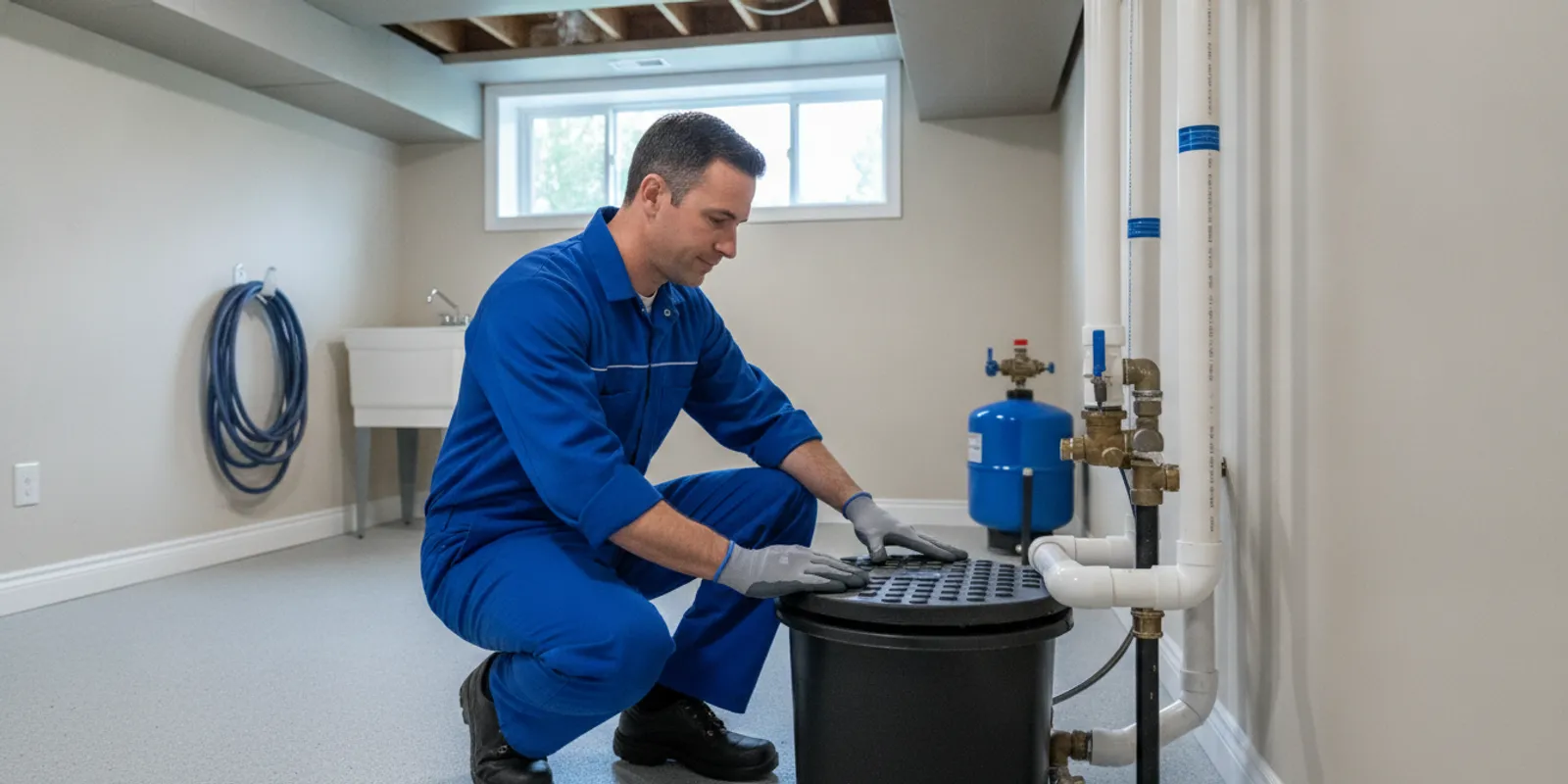

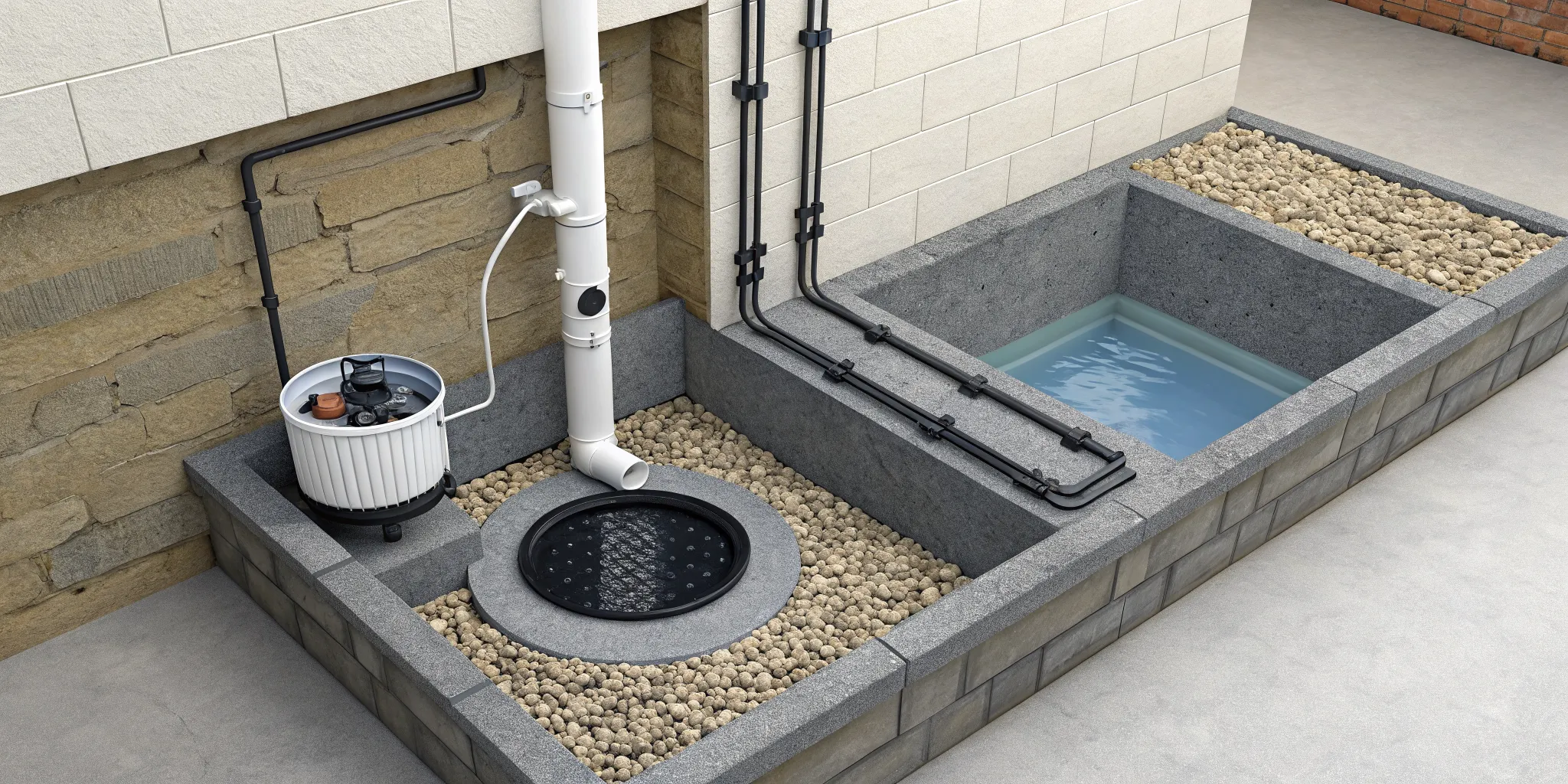
As a homeowner, you quickly become an expert in things you never thought you’d need to know, and your sump pump system is one of the most important. It’s your first line of defense against water damage, but it’s often ignored until there’s a problem. We want to change that. This guide is designed to make you an informed and proactive owner of your sump pump system. You’ll learn about annual maintenance, how to spot trouble, and what goes into a professional installation. By understanding the key components and even the sump pump drawing details, you’ll be better equipped to protect your home and your investment.
Key Takeaways
- Your Sump Pump Is a System, Not Just a Motor: A sump pump relies on several parts working together, including the pit, float switch, and discharge pipe. To ensure it works when needed, perform a simple annual test by pouring a bucket of water into the pit to confirm the pump activates and clears the water.
- Match the Pump to Your Home’s Needs: The best pump for you depends on your basement and local weather. While a submersible pump is quieter and a pedestal pump is easier to service, adding a battery backup is a non-negotiable for surviving power outages during heavy storms.
- Professional Installation Prevents Costly Mistakes: A sump pump only works if it’s installed correctly. Small errors, like misreading a diagram or ignoring local building codes, can cause the system to fail. Hiring a professional is the surest way to guarantee your basement stays dry.
What Is a Sump Pump and Why Does Your Home Need One?
If you live in Metro Detroit, you know that heavy rain and melting snow can turn a basement into a homeowner’s worst nightmare. A sump pump is your home’s dedicated guardian against this very problem. Think of it as a small appliance designed to prevent your basement or crawlspace from flooding. It sits in a specially constructed pit, called a sump basin, at the lowest point of your home. When groundwater levels rise and water starts to fill the basin, a float switch triggers the pump to turn on. The pump then pushes the water out of the basin and through a discharge pipe, safely away from your home’s foundation.
So, why is this little device so important? A functioning sump pump is crucial for preventing the catastrophic and expensive damage that comes with basement flooding. Water in your basement can ruin furniture, flooring, and personal belongings, but the problems run much deeper. Moisture leads to mold and mildew growth, which can cause health issues and are difficult to remove. Even more seriously, constant water pressure against your foundation can lead to cracks and long-term structural damage. By keeping your basement dry, a sump pump protects not only your property but also your family’s health and your home’s integrity. For many homes, especially in areas with high water tables, a sump pump isn’t a luxury; it’s an absolute necessity. If you’re unsure about your current setup or need a new installation, our expert team provides reliable sump pump services to keep your home safe and dry.
Anatomy of a Sump Pump System
To understand how your sump pump protects your home, it helps to know that it’s not just a single device but a complete system. Each component has a specific job, and they all work together to keep your basement dry. When one part fails, the whole system is at risk. Let’s break down the key players you’ll find in a typical sump pump setup.
The Sump Basin (or Pit)
Think of the sump basin as the collection point. This basin, or pit, is a perforated liner installed in the lowest part of your basement or crawlspace. Its entire purpose is to gather excess groundwater that seeps in around your foundation. As the water table rises, especially during heavy rain or snowmelt, water flows into the basin instead of spreading across your basement floor. A properly sized and installed pit is the first step in effective water management. If you’re concerned about water in your basement, our expert sump pump services can ensure your system is set up for success.
The Pump Itself
This is the heart of the operation. The pump is a motorized device that sits inside the sump basin. Once the water in the basin reaches a certain level, the pump activates and pushes the water out of your home through a pipe. There are two main types of pumps: submersible, which sits underwater in the basin, and pedestal, which has a motor mounted on a column above the pit. While both get the job done, they have different designs suited for different needs. The pump does the heavy lifting, so ensuring it’s powerful enough for your home is critical.
The Float Switch
The float switch is the brain of the system. It’s a simple but essential sensor that tells the pump when to turn on and off. As water fills the basin, it lifts the float. When the float reaches a preset height, it triggers the switch, and the pump kicks on. Once the water level drops, the float lowers and shuts the pump off. This automatic function prevents the pump from running continuously (which would burn out the motor) and ensures it only operates when needed. A stuck or faulty float switch is one of the most common reasons for sump pump failure.
Discharge Pipe and Check Valve
The discharge pipe is the exit route for the water. This pipe connects to the pump and carries the water from your basement to a safe distance away from your home’s foundation. It’s crucial that this pipe directs water far enough away to prevent it from simply seeping back into the ground and returning to the basin. A small but mighty component in this pipe is the check valve. This one-way valve stops water from flowing back into the pit after the pump turns off. Without it, your pump would have to work much harder, re-pumping the same water over and over. In winter, a frozen discharge line can cause major issues, so proper pipe insulation is key.
A Backup Power Source
What happens if a powerful storm knocks out your electricity? That’s often when you need your sump pump the most. A backup power source is your insurance policy against a flooded basement during a power outage. Most commonly, this is a battery backup system that automatically takes over when the main power fails. It includes a separate battery, a secondary pump (in some cases), and a charger that keeps the battery ready to go. A reliable backup system provides peace of mind, knowing your home is protected even when the lights go out. If your system fails during a storm, it’s a situation that often requires emergency plumbing assistance.
Submersible vs. Pedestal: What’s the Difference?
When you start looking at sump pumps, you’ll quickly notice they come in two main styles: submersible and pedestal. The names give you a big clue about how they work. One sits completely underwater in the sump pit, while the other has its motor perched on a stand above the water line. Choosing the right one isn’t about which is “better” overall, but which is better for your specific basement, budget, and how much water you typically deal with. Understanding the fundamental design of each type is the first step in making a confident decision for your home’s protection. If you’re feeling overwhelmed by the options, our team is always here to help you figure out the best sump pump services for your Metro Detroit home.
Submersible Sump Pump Design
A submersible sump pump is a compact, powerful unit designed to be fully submerged in water inside the sump pit. Its motor is housed in a waterproof, sealed casing, which protects the electrical parts from damage. This design has a few key advantages. First, it’s much quieter because the surrounding water muffles the sound of the motor running. Second, submersible pumps are typically more powerful and can move a larger volume of water quickly, making them ideal for homes in areas with heavy rainfall or high water tables. Their compact size also means they fit neatly inside the basin, allowing you to place a secure lid on top.
Pedestal Sump Pump Design
A pedestal sump pump looks a bit like a long stick with a motor on top. The motor sits on a column or “pedestal” that keeps it well above the water level in the pit, while a separate intake pipe reaches down to the bottom to pull water out. The main benefit of this design is that the motor is easier to service and maintain since it’s out in the open. Pedestal pumps also tend to have a longer lifespan because the motor isn’t exposed to moisture. However, they are noticeably louder than submersible models and are generally less powerful. They are often a more cost-effective initial purchase, making them a solid choice for basements that only experience minor water seepage.
What to Look for in a Sump Pump Drawing
Sump pump drawings might look like complex blueprints, but they are actually your best friend when it comes to understanding your home’s defense against water damage. Think of it as a detailed map of your sump pump system. Whether you’re planning a new installation or trying to understand your current setup, knowing how to read this diagram is incredibly helpful. It shows you how all the pieces fit together, where water will go, and what you need for a successful, long-lasting system. A good drawing takes the guesswork out of the equation, ensuring every component is correctly placed and sized for optimal performance.
Before a plumber even begins an installation, they’ll often use a drawing to plan the entire project. This visual guide helps prevent common mistakes, like installing a pump that’s too big for the pit or routing the discharge pipe incorrectly. For you as a homeowner, it provides peace of mind. You can see exactly what you’re getting and understand how it will work to keep your basement dry. It also serves as a valuable reference for future maintenance or troubleshooting. By familiarizing yourself with these diagrams, you become a more informed homeowner, better equipped to discuss your needs with a professional and ensure the job is done right. Let’s walk through the key details to look for in a sump pump drawing so you can feel confident about your home’s protection.
Labels for Each Component
This is the first and most important thing to check. A good drawing will clearly label every part of the system. You should be able to spot the sump basin (the pit), the pump motor, the float switch that turns it on, and the discharge pipe that carries water away. Understanding what each component is and where it goes makes everything less intimidating. It’s also essential for future maintenance or troubleshooting. If you ever need to describe a problem or order a replacement part, knowing the correct terminology will make the process much smoother. A well-labeled diagram is the foundation for a properly installed and maintained sump pump system.
Scale and Cross-Sectional Views
A sump pump drawing isn’t just a simple sketch; it should include scale and cross-sectional views to give you a true sense of space. The scale tells you how the drawing’s measurements relate to the actual size of the components. Cross-sectional views are like slicing the system in half to see how everything fits together inside the pit and in your basement. These details are crucial for planning. They help you or your plumber confirm that the pump will fit correctly in your sump pit and that there’s enough clearance around it for proper operation and maintenance. This visual guide prevents surprises during installation and ensures every piece has its perfect place.
Pit Dimensions and Depth
The drawing should specify the exact dimensions of the sump pit, including its diameter and depth. This isn’t just a random detail; the size of the pit is engineered to handle a certain volume of water. If the pit is too small, the pump might cycle on and off too frequently, which can wear out the motor. If it’s too large, the pump may not turn on soon enough to prevent water from rising. The diagram ensures the pit is correctly sized for your pump’s capacity and your home’s needs, which is key to the system’s efficiency and long-term health. If you’re unsure about your pit’s dimensions, it’s always a good idea to get a professional opinion.
Discharge Pipe Route and Slope
Pay close attention to the path of the discharge pipe. The drawing will show how this pipe is routed from the pump out of your house. The goal is to move water far away from your foundation so it doesn’t just seep back into the ground and into your basement again. The diagram should also indicate the slope, or angle, of the pipe. A slight downward slope is essential to ensure water flows out smoothly using gravity and doesn’t get trapped or flow back toward the pump. An improperly routed discharge pipe is a common cause of system failure and can lead to the very flooding you’re trying to prevent, sometimes resulting in a call for emergency plumbing services.
Electrical and Float Switch Details
Your sump pump runs on electricity, so the drawing should include key electrical details for safe and effective operation. Look for where the power cord is routed and how it connects to a dedicated, ground-fault circuit interrupter (GFCI) outlet. The diagram will also show the position of the float switch, which is the trigger that tells the pump when to turn on and off. Its placement is critical; if it’s set too low, the pump will run constantly, and if it’s too high, water could overflow the pit. Understanding these electrical components helps ensure your system is not only functional but also safe for your home and family.
Waterproofing and Ventilation Notes
A good sump pump drawing often includes notes about waterproofing and ventilation. For instance, it might specify a sealed, airtight lid for the sump pit. This is an important feature that prevents moisture from evaporating into your basement, which can lead to musty odors and mold growth. A sealed lid also keeps debris, pests, and radon gas from entering the pit. The drawing may also show a vent pipe connected to the lid, which allows air to escape as water fills the basin. These details contribute to a healthier basement environment and protect the pump from getting clogged with dirt and objects that could fall in.
Pump Ratings and Materials
Finally, check the drawing for specifications on the pump itself. This information usually includes the pump’s horsepower (HP), its flow rate (how many gallons per hour it can move), and the materials it’s made from, like cast iron or durable plastic. These ratings are crucial for matching the pump to your home’s specific needs. A home in a high water table area will require a more powerful pump than one in a drier location. The specified materials also give you an idea of the pump’s durability and lifespan. Having these details ensures you select and install a pump that is truly up to the task of keeping your basement dry, and our team can help you find the perfect fit with our sump pump services.
Common Sump Pump Setups
Sump pump systems aren’t a one-size-fits-all solution, and picking the right one is a big decision for any homeowner. The best setup for your home depends on several key factors. Think about how much rainfall your area typically gets, the age of your home, and the general water table in your neighborhood. You also need to consider your home’s specific layout, like whether you have a finished basement with a bathroom or laundry room. Understanding the most common configurations will help you figure out exactly what your home needs to stay dry and protected from water damage.
Most residential setups fall into one of three main categories, each designed to handle specific challenges. From a basic, single-pump system to a more complex combination unit, the goal is always the same: to move water away from your foundation before it can cause problems. Choosing the right one is a critical step in effective basement waterproofing and preventing costly repairs down the road. If you’re feeling unsure about which system is right for your home, our team at Mr. Pipey can assess your needs and recommend the perfect sump pump services for you.
Single Pump System
The single pump system is the most straightforward and common setup you’ll find. It consists of one primary pump sitting inside the sump basin, ready to kick on when groundwater levels rise. This system is designed to handle average water intrusion from rain or melting snow. For many homes in areas without severe weather or frequent flooding, a single pump is perfectly adequate. The American Society of Home Inspectors notes that a single sump pump is sufficient for most homes, especially in areas with minimal water intrusion. It’s a reliable, cost-effective starting point for keeping your basement dry.
Primary Pump with a Battery Backup
If you live in an area like Metro Detroit where heavy storms can knock out the power, a battery backup system is a smart investment. This setup includes your primary pump plus a secondary, battery-powered pump in the same basin. If the power goes out or if the main pump fails for any reason, the backup pump automatically takes over. As the folks at Family Handyman point out, a battery backup sump pump can provide incredible peace of mind during power failures. It’s your best defense against flooding when you need it most, making it a must-have for anyone who wants an extra layer of protection.
Combination Sump and Sewage Ejector System
Does your home have a basement bathroom or laundry room? If so, you might need a combination system. This setup is designed to handle both groundwater from the sump pit and wastewater from your basement plumbing fixtures. A standard sump pump can’t handle solid waste, so a sewage ejector pump is needed to grind up and move sewage to your main sewer line. According to This Old House, a combination system can save space and reduce installation costs by integrating both functions. It’s the ideal solution for finished basements with plumbing below the level of the municipal sewer line.
Where to Find Sump Pump Drawings (CADs & PDFs)
If you’re planning a sump pump installation or just want to understand your home’s system better, getting your hands on a technical drawing is a great next step. These diagrams, often available as CAD files or PDFs, show you exactly how all the parts fit together. While they might seem intimidating at first glance, they are surprisingly accessible once you know where to look. Think of them as the official instruction manual for your home’s water management system. Finding the right drawing helps ensure everything is installed correctly and meets safety standards, which is crucial for protecting your basement from flooding and water damage. Whether you’re a DIY enthusiast mapping out a project or a homeowner who just wants to be more informed, these documents provide the clarity you need. From the dimensions of the sump pit to the route of the discharge pipe, a good drawing lays out every critical detail. It can show you the required slope for drainage, the placement of the check valve, and the electrical connections for the float switch. Having this information on hand before you start a project, or even before you call a professional, empowers you to ask the right questions and understand the scope of the work. Let’s go over the best places to find these valuable resources.
Manufacturer Websites
The most direct place to find a drawing for a specific sump pump is the manufacturer’s own website. Companies want you to see the quality and specifications of their products, so they often provide detailed diagrams for architects, plumbers, and curious homeowners like yourself. Resources like ARCAT offer a great starting point, as they compile free architectural drawings for sump pumps from various brands. These are usually available in common formats like DWG for design software or simple PDFs that you can view on any device. This is perfect for comparing different models or getting a clear picture of the installation requirements for a pump you’re considering buying.
Engineering and CAD Databases
Beyond individual brand sites, you can explore online engineering and CAD databases. Think of these as digital libraries filled with technical drawings for all sorts of components, including sump pumps. They often feature a wide variety of diagrams, from simple residential setups to complex systems designed for commercial buildings. You can find drawings for everything from the sump pit itself to specific types of roof drains and elevator pit pumps. Exploring these databases gives you a broader understanding of the different sump pump services and system configurations available, helping you make a more informed decision for your property’s specific needs.
Your Local Building Permit Office
For drawings that are guaranteed to meet local regulations, your city or township’s building permit office is an invaluable resource. They maintain standard drawings and guidelines for all kinds of home projects, including plumbing installations like sump pumps. Following these official diagrams ensures your project is up to code, which is essential for your home’s safety, value, and your own peace of mind. If you’re unsure about your area’s specific requirements or how to interpret these documents, it’s always a good idea to contact a professional. We can help you understand the local codes and make sure your installation is done right the first time.
Mistakes to Avoid When Reading Sump Pump Diagrams
Sump pump diagrams can seem a bit technical at first glance, but they are your roadmap to a successful installation and a dry basement. While they are incredibly helpful, a few common misinterpretations can lead to big problems down the road. Taking a moment to understand the details can save you from costly repairs and the headache of a flooded basement. Here are five key mistakes to watch out for when you’re looking at a sump pump drawing.
Forgetting to Check Scale and Dimensions
It’s easy to get excited about a project and assume the drawing is a perfect representation. But here’s a crucial tip: many diagrams are not drawn to scale. They’re meant to show how parts connect, not how big they are in real life. Before you do anything else, grab a tape measure. You need to verify the dimensions listed on the drawing against the actual space in your basement or crawlspace. This simple step ensures your new pump will fit perfectly in the sump pit and that the discharge pipes have a clear path. It’s a five-minute check that can save you from a major installation headache.
Misreading the Water Flow Direction
This one might seem obvious, but it’s a surprisingly common mistake. Sump pump diagrams use arrows to show the direction water should travel: from the pit and out of your home. Misreading these arrows can lead to installing a check valve backward, which will prevent water from leaving and could even cause it to flow back into your pit. As you review the drawing, trace the path of the discharge line with your finger. It’s essential to follow the arrows for water flow to prevent backflow. This ensures your system works correctly when you need it most.
Assuming One Drawing Fits All Pumps
In the age of endless online information, it’s tempting to find a generic sump pump diagram and assume it works for your model. However, not all sump pumps are created equal. A submersible pump has a different design than a pedestal pump, and different brands have unique features. Always use the specific diagram for your pump model to ensure everything is compatible and installed correctly. This document, usually included in the box or available on the manufacturer’s website, is your single source of truth for a proper setup.
Skipping Local Building Code Requirements
This is a big one. Your local municipality in Metro Detroit has specific rules about how sump pumps must be installed. These codes cover everything from the type of discharge pipe you can use to where the water can be drained. Neglecting to consult local codes can result in fines and an installation that isn’t up to safety standards. If you’re unsure about the requirements, it’s always best to call a professional. Our team at Mr. Pipey is well-versed in local regulations and can ensure your installation is done right the first time.
Overlooking the Backup Power Source
Your sump pump is your first line of defense against flooding, but it relies on electricity to work. What happens during a severe storm when the power goes out? Many diagrams will indicate the need for a backup power source, but homeowners sometimes treat it as an optional extra. A reliable backup system is crucial for preventing a flood when your primary power fails. Whether it’s a battery backup or a generator, this is a feature you don’t want to skip, especially here in Michigan where storms can be unpredictable.
How to Maintain Your Sump Pump
Your sump pump is your home’s first line of defense against basement flooding, so keeping it in top shape is non-negotiable. Thankfully, a little bit of maintenance goes a long way. Performing a few simple checks and cleanings throughout the year can prevent a major headache (and a major mess) down the road. Think of it as a small investment of your time for huge peace of mind. Here’s how you can keep your sump pump ready for action.
Your Annual Inspection Checklist
Once a year, give your sump pump a quick check-up to make sure everything is working correctly. According to home inspection experts, a good sump pump maintenance routine is key. Start by making sure the pump is plugged into a working ground fault circuit interrupter (GFCI) outlet. Next, test the pump by pouring a bucket of water into the pit; the float should rise and trigger the pump to turn on. While it’s running, head outside to check that water is flowing freely from the discharge pipe. Finally, ensure the float switch itself can move up and down without getting stuck on any wires or debris in the pit.
How to Clean the Sump Pit
Over time, dirt, gravel, and other gunk can collect in the sump pit and clog your pump. To clean it, first unplug the pump from its power source. You can then use a small shovel or your hands (wear gloves!) to scoop out any debris. Some people find a wet/dry shop vac works wonders here. Once the big stuff is gone, you can rinse the pit with a bucket of clean water. Just be sure everything is dry before you put the pump back in and plug it in. A clean pit helps ensure your pump can do its job effectively when you need it most.
Know When to Replace Parts
Even with perfect maintenance, sump pump parts wear out. Most pumps have a lifespan of about seven years, so if yours is getting up there in age, it’s smart to consider a replacement before it fails. Telltale signs of a failing pump include loud or unusual noises, vibrating, or simply not turning on when it should. The float switch and check valve are also common points of failure. If you notice any of these issues or feel unsure, it’s always best to call a professional. Our team at Mr. Pipey can handle all your sump pump services, from simple repairs to full replacements.
Sump Pump Installation: DIY or Call a Pro?
So, you’re looking at your new sump pump, box cutter in hand, and thinking, “I can do this myself, right?” It’s a valid question, and the answer really depends on your comfort level with plumbing and electrical work. While a DIY project can feel empowering and save you some money upfront, installing a sump pump is often more complex than it seems. A proper installation involves digging a sump pit, which may require breaking through a concrete floor, correctly placing the pump, and running a discharge line that safely carries water away from your home’s foundation.
If you have solid DIY experience with both plumbing and electrical systems, you might be able to handle the job. However, it’s crucial to understand the risks. A small mistake, like setting the float switch incorrectly, using the wrong size pipe, or failing to install a proper check valve, can lead to the pump failing when you need it most. This could leave you with a flooded basement, the very disaster you were trying to prevent. Furthermore, every municipality has specific building codes that you must follow for safety and compliance.
This is where calling a professional brings significant value. A licensed plumber doesn’t just install the pump; they ensure the entire system is set up for optimal performance and longevity. We can assess your home’s specific water table issues, recommend the right pump for your needs, and handle all the heavy lifting, from digging the pit to wiring the unit safely. At Mr. Pipey, our expert sump pump services provide peace of mind, knowing the job is done right the first time and your home is protected.
Related Articles
- Sump Pump Installation: Your Guide to a Dry Basement
- Sump Pump and Installation Cost: What to Expect
- Cost to Replace Sump Pump: A 2026 Price Guide
Frequently Asked Questions
How often should my sump pump be running? The frequency really depends on the weather and the groundwater levels around your home. It’s perfectly normal for your pump to run frequently during heavy rain or as snow melts in the spring. Conversely, it might not run at all for weeks during a dry spell. If you notice it running constantly during dry weather or not turning on during a downpour, it’s a good idea to have it checked out.
My sump pump is making a strange noise. What does that mean? Unusual sounds like loud humming, grinding, or rattling are often your pump’s way of telling you something is wrong. The cause could be simple, like debris hitting the impeller, or it could be a more serious sign of motor failure. While you can check the pit for any obvious obstructions, it’s best not to ignore strange noises. Having a professional take a look can prevent a complete failure right when you need the pump most.
Is a battery backup system really necessary? For homeowners in Metro Detroit, a battery backup is an excellent investment in your peace of mind. The most intense storms that bring the most water are also the ones most likely to knock out your power. A battery backup system ensures your basement stays protected even when the electricity is off, providing a critical safety net against flooding.
How long does a sump pump typically last? On average, you can expect a quality sump pump to last about seven to ten years. Its actual lifespan depends on several factors, including the quality of the pump, how often it has to run, and whether it receives regular maintenance. If your pump is getting close to the ten-year mark, it’s smart to start planning for a replacement before it fails unexpectedly.
Can I just have the discharge pipe drain into my basement floor drain? This is a definite no. It might seem like an easy solution, but it’s against plumbing codes in most areas for a good reason. Draining groundwater into the sanitary sewer can overwhelm the municipal system during a storm, causing backups for you and your neighbors. The discharge pipe must always lead outside and carry water a safe distance away from your home’s foundation.