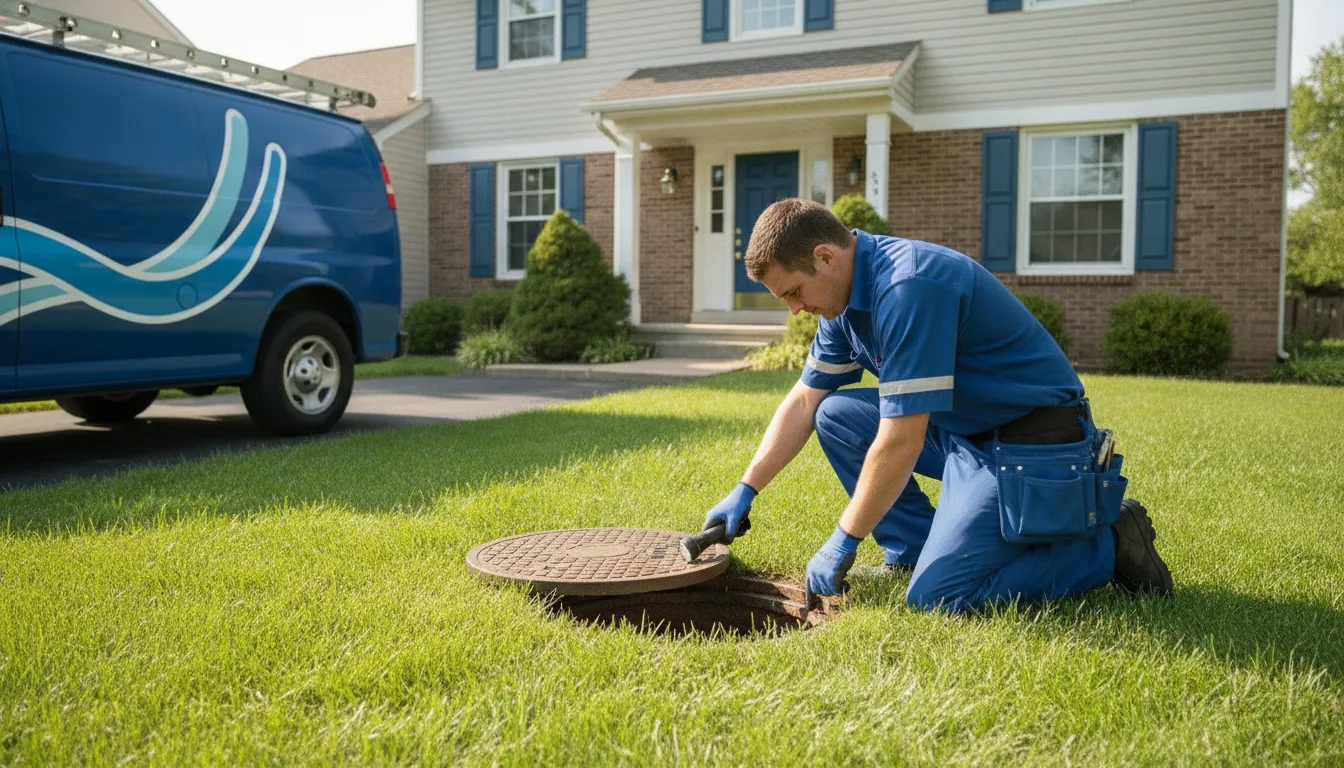

Does the thought of sewer repair bring up nightmares of a giant trench destroying your lawn? I get it. Thankfully, those destructive methods are becoming a thing of the past. The best sewer repair contractors now use advanced tools, like high-definition cameras and trenchless techniques, to fix pipes without the massive digging. This modern approach saves you time, protects your landscaping, and is often more cost-effective. This guide explains these solutions and helps you find a forward-thinking contractor who can offer the best approach for your specific problem.
Key Takeaways
- Recognize the signs of a major sewer issue: Don’t ignore recurring clogs, gurgling drains, or soggy spots in your yard; these symptoms often indicate a problem in your main sewer line that requires professional attention.
- Choose a contractor with the right credentials: Protect yourself by hiring a licensed and insured professional who offers transparent, written estimates and has a proven track record of positive customer reviews.
- Ask clarifying questions before work begins: Understand the proposed repair method, the project timeline, and who handles cleanup to avoid hidden costs and ensure the job is done to your satisfaction.
What Can a Sewer Repair Contractor Do for You?
When you have a problem with your home’s plumbing, it’s often more complex than a simple clogged drain. Your sewer line is the critical connection between your house and the municipal sewer system, and when it fails, you need a specialist. A sewer repair contractor has the specific tools and expertise to diagnose and fix these large-scale issues, protecting your property from serious damage. From camera inspections to full line replacements, their work keeps your home’s plumbing system running smoothly from the inside out.
Pinpointing Problems with Camera Inspections
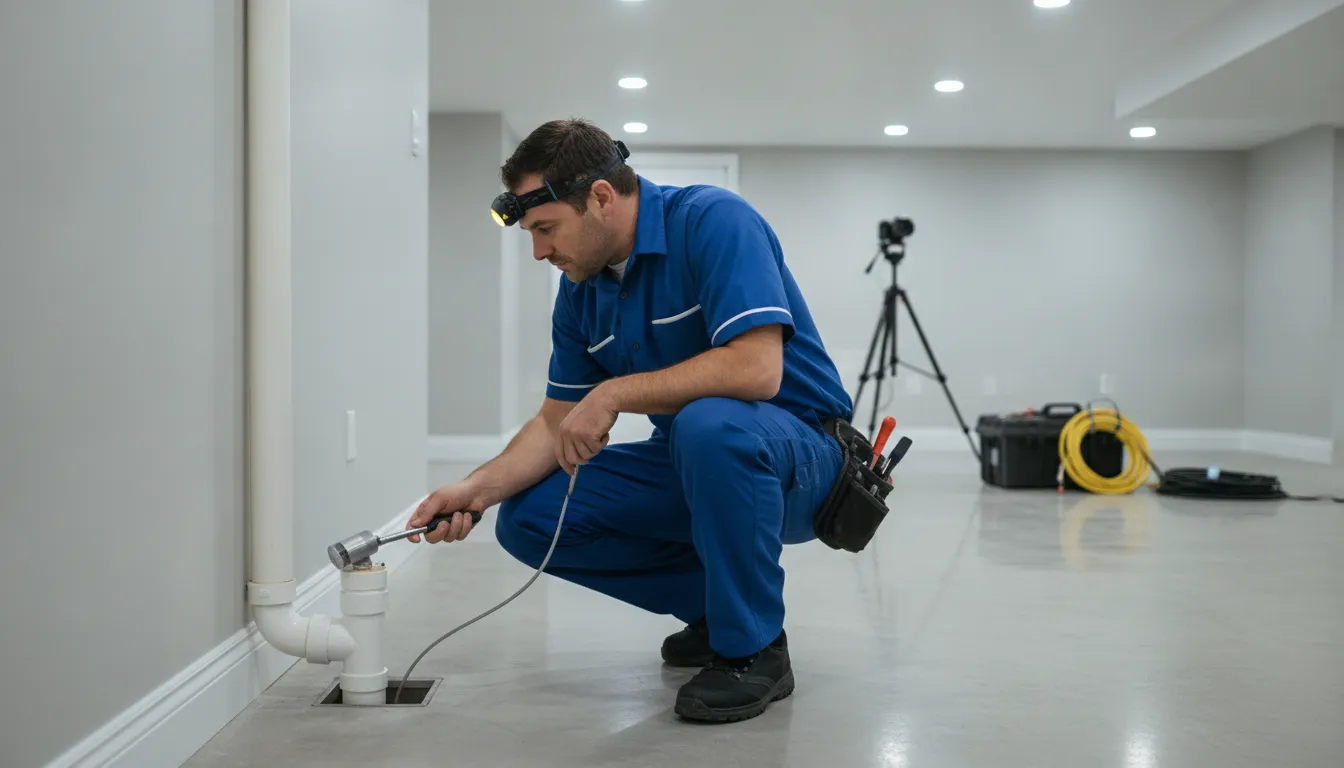
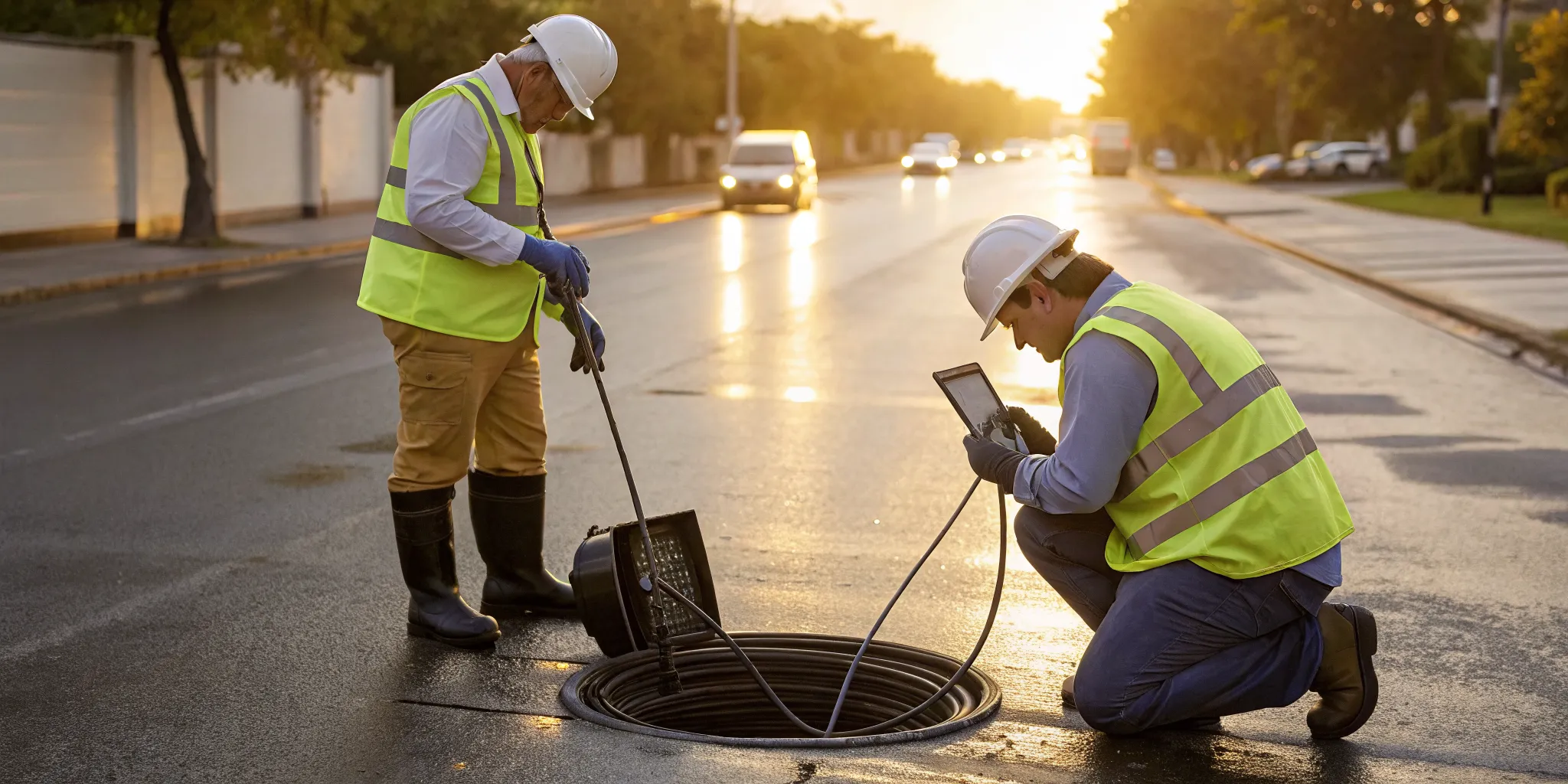
Before any digging starts, a professional contractor will find out exactly what’s going on inside your pipes. They do this using a specialized waterproof camera that snakes through your sewer line, sending a live video feed back to a monitor. This technology allows them to pinpoint the precise location and cause of the problem, whether it’s a stubborn blockage, invasive tree roots, a cracked pipe, or a full collapse. A camera inspection takes the guesswork out of sewer repair, ensuring that the proposed solution is the right one for your situation and preventing unnecessary, costly work on your property.
Exploring No-Dig Trenchless Repairs
The thought of having your yard dug up is stressful, but it’s not always necessary. Modern contractors often use trenchless repair methods to fix pipes with minimal disruption. One common technique is pipe lining, where a flexible, resin-coated tube is inserted into the damaged pipe. It’s then inflated, and the resin hardens to create a brand-new, seamless pipe inside the old one. This approach is faster, less invasive, and can extend the life of your sewer line for decades. It’s a great solution for fixing cracks and leaks without destroying your landscaping.
Creating a New Pipe with Cured-in-Place Lining
Let’s get a little more specific about one of the most popular trenchless methods: Cured-in-Place Pipe lining, or CIPP. Think of it as building a brand-new, super-strong pipe directly inside your old, damaged one. The process is pretty neat. A flexible liner saturated with a special epoxy resin is inserted into the existing pipe. Once it’s in position, it’s inflated like a balloon to press firmly against the walls of the old pipe. Then, heat or UV light is used to cure the resin, hardening it into a seamless, joint-free pipe that resists corrosion and tree roots. This method effectively restores your sewer line’s integrity for decades, all without a single trench being dug in your yard.
When is Traditional Sewer Line Replacement Necessary?
In some cases, a sewer line is too damaged for a trenchless repair. If the pipe has completely collapsed or has severe structural issues, a traditional replacement might be the only option. This process involves excavating a trench along the old pipe to remove it and install a new one. While it is more disruptive, a reputable contractor will handle the project efficiently and explain every step. They will assess the situation thoroughly to confirm that this is the necessary course of action before beginning any of our plumbing services.
Upgrading From Old Clay Pipes
Many older homes in areas like Metro Detroit were built with clay sewer pipes, and while they were once the standard, they simply don’t last forever. Over the years, these pipes can become brittle, crack as the ground settles, and are especially vulnerable to invasive tree roots looking for a water source. You might think patching a single damaged spot is a cost-effective fix, but this approach often just kicks the can down the road, leading to more significant problems later. A complete upgrade to a modern, durable material like PVC is the most reliable way to secure your system for the long term. If you live in an older home and are experiencing recurring sewer issues, it may be time to consider if your clay pipes are the culprit. A professional inspection is the best way to understand the condition of your pipes and explore your options for a lasting plumbing solution.
Responding to Your Sewer Emergencies
Sewer problems rarely happen at a convenient time. A backup can send hazardous waste into your home, creating a serious health risk and causing extensive damage. That’s why a qualified sewer contractor offers emergency plumbing support around the clock. Whether it’s a weekend, a holiday, or the middle of the night, you need to know you can get immediate help. Quick action can prevent a messy situation from turning into a catastrophe, protecting your family and your home. A reliable team is always ready to respond when you need them most.
How Hydro Jetting Clears Stubborn Clogs
For the toughest clogs, a simple drain snake won’t always cut it. Sewer repair contractors use a powerful technique called hydro jetting to clear and clean pipes. This method uses a high-pressure stream of water to blast through anything in its path, including dense tree roots, heavy grease buildup, and other stubborn debris. Hydro jetting doesn’t just poke a hole through the blockage; it scours the entire inner surface of the pipe. This thorough cleaning helps restore the pipe to its original diameter and can prevent future clogs from forming.
Using Specialized Tools for Tough Blockages
Sometimes a clog is more than just a nuisance; it’s a symptom of a serious issue deep in your sewer line. When recurring backups and slow drains persist despite your best efforts, it’s a sign that you need more than a standard drain snake. This is where a professional contractor’s specialized equipment becomes essential. Techniques like hydro jetting, which uses high-pressure water to scour pipes clean of roots and hardened grease, are not DIY-friendly. They require trained technicians to operate safely and effectively. Trusting a professional ensures the right tool is used for the job, clearing the blockage completely without damaging your pipes in the process.
Offering Proactive Maintenance Plans
The best way to deal with a sewer emergency is to prevent it from ever happening. That’s where proactive maintenance comes in. Think of it as a yearly health check-up for your home’s plumbing system. A skilled contractor can perform regular inspections, often using cameras, to identify potential issues like small cracks, early-stage root intrusion, or minor blockages before they escalate into catastrophic failures. By scheduling routine maintenance, you can address these small problems with simple, cost-effective solutions. This approach not only saves you from the stress and expense of an unexpected sewer backup but also extends the life of your entire plumbing system, giving you lasting peace of mind.
Helping Resolve City Violation Notices
Receiving an official violation notice from your local municipality regarding your sewer line can be incredibly stressful. These notices often come with deadlines and the threat of fines, leaving you unsure of what to do next. A knowledgeable sewer repair contractor can be a huge help in these situations. They understand local codes and the specific requirements for compliance. A professional team can diagnose the problem that triggered the violation, perform the necessary repairs to bring your system up to standard, and ensure everything is documented correctly. Working with an experienced local company ensures they are familiar with the regulations in your area, like those for backflow preventer testing, and can guide you through the process efficiently.
When Should You Call a Sewer Repair Contractor?
Sewer line problems are easy to ignore until they become impossible to miss. A simple clogged drain is one thing, but some signs point to a much bigger issue brewing underground. Knowing when to put down the plunger and pick up the phone can save you from costly damage and a very unpleasant mess. If you spot any of the following red flags, it’s time to call in a professional to take a look.
Common Causes of Sewer Line Damage
Your main sewer line is built to last for decades, but it’s not indestructible. Over the years, a combination of environmental factors and man-made issues can lead to cracks, blockages, and even a total collapse. Understanding what causes this damage can help you spot potential problems before they escalate into a full-blown emergency. From the shifting ground beneath your property and invasive tree roots to the quality of the initial installation, several key factors can compromise the integrity of your sewer system. Knowing these common culprits is the first step toward protecting your home from messy and expensive repairs that disrupt your life.
Frozen Pipes and Ground Shifting
Here in Metro Detroit, we’re no strangers to harsh winters. The same freeze-thaw cycles that create potholes in our roads can also wreak havoc on underground pipes. As the ground freezes and expands, it can shift and place immense pressure on your sewer line, leading to cracks or misaligned joints. Even more directly, water sitting inside a section of your pipe can freeze, and since water expands when it turns to ice, it can easily fracture the pipe from within. If you suspect a problem, it’s crucial to have a professional repair frozen pipes correctly to prevent further damage to your plumbing system and property.
Poor Installation or Construction Debris
Sometimes, sewer line problems start the day the pipe is installed. If the original contractor cut corners by using substandard materials, failing to create a proper slope for drainage, or not compacting the soil correctly, your sewer line is set up for failure. These installation mistakes create weak points that will eventually break down under normal stress. Similarly, construction debris left in the trench or even inside the pipe can cause persistent blockages and physical damage over time. This is why choosing a contractor committed to high-quality work and comprehensive plumbing solutions is essential for ensuring your sewer line has a long, trouble-free life.
Indoor Clues You Have a Sewer Problem
Your house has its own way of telling you when the sewer line is in trouble. The most urgent sign is sewage backing up into your drains. If your toilet or shower is overflowing with wastewater, it’s a clear signal of a major blockage. You might also notice gurgling sounds from your pipes or a persistent sewer gas smell, which can indicate a crack in the line. Even drains that run slowly after you’ve tried clearing them can point to a deeper issue. These aren’t just minor inconveniences; they’re signs that you need emergency plumbing help right away.
Mold Growth on Interior Walls
If you notice dark spots on your drywall or a persistent musty smell that won’t go away, don’t just reach for the bleach. These are classic signs of mold, which often points to a hidden moisture problem. Sewer pipes run behind walls and under floors, and a small, slow leak can create the perfect damp environment for mold to grow undetected. The spores released into the air can be hazardous to your family’s health, making it crucial to address the issue quickly. While you’ll need to handle the mold itself, the most important step is fixing the source of the water. A professional can repair the leaking pipe to ensure the problem doesn’t return, protecting both your home and your health.
Outdoor Signs of Sewer Line Damage
Sometimes, the first clues of a sewer line issue show up outside. Take a walk around your yard and look for any changes. Do you see a patch of grass that’s suddenly much greener and lusher than the rest of your lawn? This can be a sign that an underground pipe is leaking sewage, which acts as a fertilizer. You might also find soggy spots or standing water in your yard when it hasn’t been raining. An unpleasant odor outdoors is another telltale sign that something is wrong. These issues point to a problem that needs a professional diagnosis from a trusted plumbing expert.
Why Multiple Clogged Drains Mean Trouble
A single clogged drain is usually a localized problem, but if you’re dealing with multiple clogs at once, the issue is likely in your main sewer line. For example, if flushing the toilet causes water to back up in the shower, that’s a system-wide problem. Recurring clogs that keep coming back no matter how many times you clear them are another strong indicator of a bigger issue, like tree roots invading your pipes. Instead of fighting the same battle over and over, it’s best to contact a professional who can find and fix the source of the problem for good.
How to Prevent Sewer Line Problems
Dealing with a sewer line repair is a major headache, but the good news is that many problems are preventable. A little proactive care can go a long way in keeping your pipes clear and your yard intact. Just like any other major system in your home, your sewer line benefits from regular attention. By adopting a few simple habits and staying ahead of potential issues, you can protect your plumbing from common culprits like blockages, corrosion, and invasive tree roots, saving yourself from stress and unexpected expenses down the road.
Practice Proper Drain Usage
The best way to prevent sewer problems starts right at your sink and toilet. Your drains aren’t a trash can, and treating them like one is a fast track to a major blockage. Things like cooking grease, coffee grounds, and fibrous food scraps should always go in the compost or garbage, as they can solidify and build up inside your pipes. The same goes for so-called “flushable” wipes, paper towels, and feminine hygiene products—they don’t break down like toilet paper and are a leading cause of stubborn clogs. Being mindful of what goes down your drains is the simplest and most effective form of daily maintenance you can do to keep your sewer line flowing freely and avoid calling for emergency plumbing services.
Schedule Regular Professional Inspections
You wouldn’t skip a check-up for your car, and your sewer line deserves the same attention. Scheduling professional inspections every one to two years is one of the smartest investments you can make in your home’s health. A trained technician can run a specialized camera through your pipes to get a clear, real-time view of their condition. This allows them to spot potential trouble like small cracks, early-stage tree root intrusion, or corrosion before they escalate into a full-blown sewer backup. Catching these issues early gives you the chance to address them with less invasive and more affordable solutions, saving you from a much bigger, messier, and more expensive repair later on.
Plant Trees Away From Sewer Lines
Your beautiful, mature trees could be a hidden threat to your sewer line. Tree roots are naturally drawn to the moisture and nutrients inside your pipes, and they can work their way into the smallest cracks. Once inside, they expand and create dense blockages that can eventually cause the pipe to crack or collapse. Before you plant any new trees or large shrubs, it’s crucial to know where your sewer line is buried. If you already have large trees near your home, be extra vigilant and consider more frequent inspections. This proactive approach also helps guard against other environmental threats, like damage from shifting soil or frozen pipes during harsh Metro Detroit winters, ensuring your system remains secure.
How to Choose the Right Sewer Repair Contractor
Choosing the right sewer repair contractor can feel like a huge task, especially when you’re already stressed about a potential plumbing disaster. But finding a reliable professional doesn’t have to be a shot in the dark. Knowing what to look for can help you confidently select a team that will get the job done right, protecting your property and your peace of mind. Focus on a few key qualifications to sort the experts from the amateurs and ensure your home is in good hands.
Confirm They’re Licensed and Insured
First things first: never hire a contractor who isn’t properly licensed and insured. This is your most basic protection. A valid license proves the plumber has met state and local requirements, meaning they have the right training and knowledge for the job. Insurance, including liability and workers’ compensation, protects you from being held responsible for accidents or property damage during the repair. A reputable company will always be upfront about their credentials because it shows they are professional, accountable, and committed to high standards. Don’t be afraid to ask for proof; a trustworthy contractor will be happy to provide it.
Do They Use Modern Repair Technology?
Sewer repair isn’t what it used to be, and that’s a good thing for your lawn. A top-tier contractor will be skilled in modern techniques like trenchless sewer repair, which can fix pipes without excavating your entire yard. These methods are less invasive, faster, and often more affordable than traditional digging. A contractor who invests in modern technology shows they are dedicated to providing efficient and effective solutions. When you’re discussing your project, ask about their methods. A team that offers a range of comprehensive plumbing solutions can recommend the best approach for your specific problem, not just the one method they know.
24/7 Emergency Availability
Sewer problems rarely happen at a convenient time. A backed-up sewer line can quickly become a major headache, whether it’s in the middle of the night or during a holiday dinner. That’s why a contractor’s availability is so important. Look for a company that offers emergency plumbing services 24/7. This shows they understand the urgency of your situation and are structured to respond when you need them most. Knowing you have a reliable expert to call anytime provides invaluable peace of mind when facing a plumbing crisis. It’s a clear sign of a customer-focused business that’s ready to help.
Insist on a Clear, Written Estimate
A handshake and a verbal quote aren’t enough when it comes to major home repairs. A trustworthy contractor will always provide a clear, detailed, and written estimate before any work begins. This document should break down the costs for labor, materials, and any other fees, so you know exactly what you’re paying for. Vague estimates or high-pressure tactics to start work immediately are major red flags. You should feel comfortable enough to ask questions and request a detailed quote without feeling rushed. Transparency in pricing builds trust and ensures there are no unpleasant surprises on the final bill.
Ask About Their Satisfaction Guarantee
A contractor’s confidence in their own work is often reflected in the guarantees they offer. Look for a company that provides a customer satisfaction guarantee. This is more than just a marketing promise; it’s a commitment to quality. It means the contractor stands behind their work and will take the necessary steps to resolve any issues if the repair doesn’t meet the agreed-upon standards. A guarantee shows that the company values its reputation and is dedicated to providing long-lasting, reliable solutions. It’s the final seal of approval that you’re hiring a true professional who cares about doing the job right.
How Much Does Sewer Repair Cost?
Talking about the cost of sewer repair can feel overwhelming because there isn’t a single, fixed price. The final bill can range from a few hundred to several thousand dollars, depending entirely on your specific situation. Think of it like fixing a car; the cost to replace a tire is very different from rebuilding an engine. The best approach is to understand the factors that influence the price so you can have a clear and productive conversation with your plumbing contractor. A trustworthy professional will walk you through a detailed estimate before any work begins, ensuring you know exactly what to expect.
At Mr. Pipey, we believe in complete transparency. We provide clear, upfront pricing and are always here to answer your questions. Our goal is to offer cost-effective solutions that address the root of the problem and fit your budget.
Understanding Average Costs and Timelines
Let’s talk numbers, because knowing what to expect financially can make the whole process less stressful. While every job is different, most sewer line repairs fall somewhere between $1,000 and $4,000. The final cost depends on the extent of the damage and the repair method. For smaller issues, a spot repair might cost between $150 and $300 per foot. If you’re a good candidate for a less invasive trenchless method, like pipe lining, you could be looking at $80 to $250 per foot. These figures give you a ballpark idea, but a professional inspection is the only way to know for sure.
The good news is that most sewer repairs are completed within one to three days, thanks to modern techniques that minimize disruption. Factors like the pipe’s location and the severity of the damage will influence the final cost and timeline. The best thing you can do is get a detailed, written estimate from a trusted contractor. This ensures you understand all the costs involved and can make an informed decision. If you’re in Metro Detroit and need a clear breakdown for your sewer issue, our team is always ready to provide a transparent quote and answer your questions.
What Influences Your Sewer Repair Cost?
Several key factors influence the final price of a sewer repair. The extent of the damage is the biggest one; a small crack is much simpler to fix than a completely collapsed pipe. The repair method also plays a huge role, as trenchless techniques have different costs than traditional excavation. Other variables include the type of pipe material, its depth, and how easy it is to access. A pipe buried deep under a concrete patio will be more complex and costly to reach than one under a soft lawn. Your location in Metro Detroit can also affect labor rates and permit fees.
Pipe Material and Condition
The material your pipes are made of and their current shape play a big part in the final cost. Older homes in areas like Metro Detroit often have clay or cast iron pipes, which can get brittle and are prime targets for tree roots. While modern PVC is tougher, even it can be damaged by shifting ground or extreme cold, leading to frozen pipes that crack under pressure. The severity of the damage is the most significant factor. A minor crack is far less complex to address than a fully collapsed line. This condition directly influences the repair options available, from a simple patch to a full replacement, and that’s where the costs can really vary.
Accessibility and Location
Where the damaged pipe is located on your property makes a huge difference. A pipe running under your lawn is relatively easy to access, keeping labor costs down. However, if the problem area is buried beneath a concrete driveway, a custom stone patio, or even your home’s foundation, the job becomes much more complex. The contractor will need to break through and then restore these surfaces, which adds significant time and expense to the project. Furthermore, your specific location within the Metro Detroit area can influence costs due to varying municipal permit fees and local labor rates. A good contractor will be familiar with these local requirements.
Trenchless vs. Traditional: A Cost Comparison
Sewer line repairs typically cost between $60 and $250 per foot. A full replacement often averages around $150 per foot, which includes both materials and labor. The method used is a major cost driver. Traditional repairs involve digging a large trench, which can be disruptive and add landscaping restoration costs. Trenchless methods, like pipe lining or bursting, are less invasive and can save you thousands in yard repair. While the plumbing work itself might seem more expensive upfront, avoiding the cost of rebuilding a driveway or garden often makes trenchless the more economical choice in the long run.
Is It Cheaper to Repair or Replace?
It might sound counterintuitive, but sometimes a full replacement is more cost-effective than a series of small repairs. If you have an older pipe that’s prone to frequent issues, patching it up every year can add up quickly. A full replacement gives you a brand-new, reliable system. However, if the repair is straightforward and doesn’t require extensive landscaping work, a traditional spot repair might be the cheaper option. An honest contractor will assess the condition of your entire sewer line and help you weigh the long-term value of a replacement against the immediate cost of a repair.
Will Insurance Cover Your Sewer Repair?
It’s a common misconception that homeowners insurance automatically covers sewer line issues. Unfortunately, standard policies usually do not cover damage from wear and tear, corrosion, or tree root intrusion. Coverage typically only applies if the damage was caused by a sudden, unexpected event specifically listed in your policy. Without insurance, a major repair or replacement can cost anywhere from $1,000 to over $20,000. Because this can be a significant and unexpected expense, it’s always a good idea to contact us to discuss your options and get a clear, detailed estimate.
Understanding Your Responsibility as a Homeowner
It’s important to know where your property ends and the city’s begins, especially when it comes to underground pipes. As a homeowner, you are typically responsible for the sewer line that runs from your house to the municipal main connection, which is often located at the edge of your property or near the street. Any clogs, cracks, or breaks that occur along this section of pipe, known as the sewer lateral, fall on you to fix. The city is only responsible for the main sewer line that serves the entire neighborhood. Understanding this distinction is the first step in figuring out your next move and who needs to be called when a problem arises.
What Standard Policies Typically Exclude
Most standard homeowners insurance policies are designed to cover sudden and accidental damage, not problems that develop slowly over time. This means issues like gradual wear and tear, corrosion from old pipes, or damage from invasive tree roots are almost always excluded from a basic policy. Neglect or lack of maintenance is another common reason for a denied claim. If your sewer line fails because it wasn’t properly cared for, your insurance provider will likely not cover the repair costs. This is why it’s so frustrating to discover that the most common causes of sewer line failure are the very things that standard insurance won’t pay for.
Optional Add-Ons: Service Line and Backup Coverage
The good news is that you can often get specific protection for your sewer line by adding endorsements to your existing policy. Ask your insurance agent about “Service Line Coverage” or “Buried Utility Lines Coverage.” This affordable add-on is specifically designed to cover the underground pipes and wiring on your property, including your water and sewer lines. Another valuable option is “Water Backup and Sump Pump Overflow Coverage,” which helps pay for damage inside your home if a sewer line backs up. These endorsements can turn a potential financial disaster into a manageable inconvenience, so it’s worth a call to your provider to see what’s available.
Steps to Take When Filing a Claim
If you have the right coverage and experience a sewer line issue, acting quickly and methodically is key. First, stop using all plumbing fixtures to prevent further backup and damage. Next, call a licensed professional for emergency plumbing assistance. A qualified plumber can diagnose the problem, document the cause and extent of the damage, and provide a detailed estimate for the repair—all of which are crucial for your claim. Be sure to take your own photos and videos of any damage. Once you have all your documentation in order, contact your insurance company promptly to file the claim and provide them with all the information you’ve gathered.
What Questions Should You Ask Before Hiring?
Choosing the right contractor means finding a partner you trust with your home. Asking key questions before you commit can save you from headaches, hidden costs, and shoddy work. Think of it as a mini-interview to ensure you’re hiring a professional who respects your time and property. Here’s what you should ask to make sure you’re making a smart choice.
Ask for a Line-by-Line Estimate
Don’t settle for a vague number. Ask for a detailed, written estimate that breaks down all costs, including labor, materials, and any potential fees. Many homeowners put off sewer repairs because they worry about the price, but delaying the work often leads to more damage and higher costs down the road. A transparent estimate helps you understand exactly what you’re paying for and shows the contractor is being upfront. When you’re ready, you can request a quote for a clear picture of your project.
Confirm the Repair Method and Timeline
You should know exactly what work will be done and how long it will take. Ask the contractor to walk you through their plan. Modern technology often allows for minimally invasive trenchless sewer repairs, which can avoid digging up your entire yard. Make sure you understand the proposed method and the expected timeline from start to finish. This helps you plan accordingly and ensures there are no surprises about the work happening on your property. It’s important to know what to expect before the project begins.
What’s Included in Post-Repair Cleanup?
Sewer repairs can get messy, especially if digging is involved. It’s crucial to ask who is responsible for the cleanup. Will the contractor backfill excavated areas, reseed your lawn, or repair damaged pavement? Some companies consider this part of the job, while others leave it to you. Clarifying this upfront prevents disputes after the work is complete and ensures your property is returned to its original condition. This simple question protects your home from unexpected restoration costs and extra work for you.
Clarify the Full Scope of Work
Before you agree to any work, make sure you have a complete picture of the entire project. This goes beyond just the repair itself. A professional contractor should clearly explain the proposed repair method, provide a detailed timeline, and outline exactly what the post-repair cleanup entails. You should also understand what happens if you’re not happy with the result. A company that offers a 100% customer satisfaction guarantee shows they are confident in their workmanship and committed to getting the job done right. Getting clarity on the full scope of work—from the initial diagnosis to the final handshake—ensures there are no surprises and that your expectations are met every step of the way.
Don’t Fall for These Sewer Repair Myths
It’s easy to assume the worst, but a common myth is that every sewer problem requires a massive, expensive overhaul. While some issues are complex, many can be managed with the right techniques. Trenchless repairs, for example, are often a cost-effective solution for everything from minor fixes to full replacements. Don’t let fear stop you from addressing a problem. Ask if a less invasive solution is possible. Often, a simple repair is all that’s needed to prevent a future plumbing emergency.
How to Find and Vet a Sewer Contractor
Finding the right person for a major sewer repair can feel overwhelming, but a little homework goes a long way. Taking the time to vet your options ensures you hire a reliable professional who will fix the problem correctly the first time, saving you from future headaches and expenses. Here’s a straightforward approach to finding and comparing sewer contractors in Metro Detroit.
Check Their Credentials and Project History
Before you let anyone start work on your property, confirm they are properly licensed and insured. In Michigan, plumbers must be licensed through the Department of Licensing and Regulatory Affairs (LARA), which proves they have the required training and knowledge. Also, ask for proof of liability insurance and worker’s compensation. This protects you in case of accidents or property damage. A reputable company will have no problem providing these documents. Don’t hesitate to also ask about their experience with your specific issue and see if they have a portfolio of past work. A long history of quality service shows you’re dealing with a trusted local business.
Why You Should Always Get Multiple Quotes
It’s tempting to go with the first contractor you call, especially in an emergency, but getting multiple quotes is a smart move. Aim for at least three written estimates from different companies. When you compare them, look beyond the final price. A detailed, itemized quote should clearly outline the scope of work, materials, labor costs, and timeline. Be wary of any bid that is significantly lower than the others, as it could signal cut corners or hidden fees down the line. A transparent quote is the foundation of a good working relationship, so feel free to request an estimate and ask questions until you feel comfortable.
What to Look for in Customer Reviews
Online reviews are an invaluable resource for gauging a contractor’s reputation. Check sites like Google and the Better Business Bureau to see what past customers are saying. Look for patterns in the feedback. Are clients consistently praising the contractor’s professionalism, communication, and punctuality? How does the company respond to negative reviews? A professional response that aims to resolve the issue is a good sign. While a perfect five-star rating is rare, a strong history of positive experiences indicates that the company values customer satisfaction and delivers on its promises. Reading these firsthand accounts can give you confidence in your decision.
Contractor Red Flags You Can’t Ignore
Trust your gut. If something feels off with a contractor, it probably is. Be cautious of anyone who uses high-pressure tactics to get you to sign a contract immediately. Other red flags include demanding full payment upfront, only accepting cash, or providing a vague, verbal-only estimate. A true professional will arrive on time, look the part, and have the right tools for the job. They should be able to explain the problem and the proposed solution clearly and patiently. These warning signs are especially important to remember during a plumbing crisis, as some contractors prey on a homeowner’s sense of urgency.
Related Articles
- Trenchless Sewer Line Replacement Cost: A 2026 Guide
- Trenchless Sewer Replacement: A Complete Guide
- Trenchless Sewer Line Repair: The No-Dig Guide
- No-Dig Sewer Line Repair: A Homeowner’s Guide
- Sewer Line Repair 101: A Homeowner’s Guide
Frequently Asked Questions
How do I know if my sewer problem is a real emergency? A true plumbing emergency is any situation that threatens your health or property. The most urgent sign is sewage backing up into your home through drains, toilets, or showers. This is a serious health hazard that requires immediate attention. A strong, persistent sewer gas odor inside your home is another critical sign, as it could indicate a cracked line that needs to be fixed right away.
Is trenchless repair always the better option? Trenchless repair is a fantastic solution for many issues because it fixes the pipe from the inside out without destroying your yard. It’s ideal for repairing cracks, leaks, and damage from tree roots. However, if a pipe has completely collapsed or has severe structural damage, a traditional excavation might be the only way to properly remove the old pipe and install a new one. A good contractor will assess the situation with a camera first to recommend the best method for your specific problem.
Will my homeowner’s insurance pay for my sewer line repair? Unfortunately, most standard homeowner’s insurance policies do not cover sewer line repairs caused by normal wear and tear, corrosion, or tree root damage. Coverage is typically reserved for sudden and accidental events. It’s always best to review your specific policy or call your insurance agent to be sure, but in most cases, homeowners are responsible for the cost of maintaining and repairing their sewer lines.
Why can’t I just use chemical drain cleaners for a sewer clog? Chemical drain cleaners are designed for simple clogs in a single drain, like hair in a shower. They are not powerful enough to clear a major blockage in your main sewer line, such as one caused by tree roots or collapsed pipes. Using them repeatedly can also corrode your pipes over time. A professional method like hydro jetting uses high-pressure water to safely and completely scour the pipe walls, removing the entire blockage instead of just poking a small hole through it.
What’s the first thing a contractor does to diagnose the problem? Before recommending any solution, a professional contractor will perform a camera inspection. They will feed a small, waterproof camera into your sewer line to get a clear view of what’s happening inside. This allows them to pinpoint the exact location and cause of the issue, whether it’s a blockage, a crack, or a collapsed section. This step is essential because it takes the guesswork out of the repair and ensures you only pay for the work that is truly necessary.