
Your home’s plumbing usually works quietly in the background, but when your basement floor drain starts backing up with sewage, it demands your full attention. This isn’t a simple clog you can fix with a plunger. It means wastewater from your entire house has nowhere to go and is coming back up through the lowest point. Understanding the root cause—whether it’s a main line blockage, invasive tree roots, or a city sewer issue—is the key to fixing it for good. I’ll explain the common culprits and give you a clear action plan to solve the problem.
Key Takeaways
- Prioritize safety above all else: A sewage backup is a health hazard, so your first steps should always be to stop using water, keep everyone away from the area, and call for emergency help.
- Understand the underlying cause: Most basement backups are symptoms of a larger issue, like a main sewer line clog from tree roots or grease, which requires professional equipment to resolve.
- Take control with preventative care: Protect your home from future backups by watching what goes down your drains, scheduling routine sewer inspections, and considering a backwater prevention valve.
Why Is My Basement Drain Backing Up with Sewage?
Seeing sewage back up through your basement floor drain is alarming, and for good reason. It’s messy, hazardous, and a clear sign that something is seriously wrong with your plumbing system. This isn’t just a simple clog; it’s your home’s drainage system telling you it can no longer send wastewater away from your house. The backup is the end result of a blockage or issue somewhere down the line. Understanding the potential causes can help you figure out the next steps and prevent it from happening again. Several culprits are usually to blame, from blockages inside your pipes to problems with the city’s main lines.
Could a Clogged Main Sewer Line Be the Culprit?
Your home has many small drain lines (from sinks, toilets, and showers) that all feed into one large, central pipe called the main sewer line. This line is responsible for carrying all of your home’s wastewater out to the municipal sewer system. When this main line gets clogged, the water has nowhere to go. Instead of flowing away, it backs up into your home, and the lowest point is usually the basement floor drain. This is one of the most frequent causes of a sewage backup. A blockage in the main line is a serious issue that requires immediate attention, as it affects the plumbing throughout your entire house. This situation is a true plumbing emergency that can’t wait.
When Tree Roots Invade Your Sewer Line
If you have large, mature trees in your yard, their roots could be the source of your plumbing nightmare. Tree roots are naturally drawn to the water and nutrients inside your sewer lines. Over time, they can work their way into tiny cracks or joints in the pipes. Once inside, they continue to grow, creating a dense web that catches debris and eventually causes a complete blockage. This is especially common in older homes with clay or cast iron pipes, which are more vulnerable to root intrusion. What starts as a small infiltration can quickly become a massive clog, stopping water flow and forcing sewage back into your basement. Addressing this often requires professional equipment to clear the roots.
Is the City’s Sewer System Overwhelmed?
Sometimes, the problem isn’t inside your pipes but with the city’s sewer system itself. During periods of heavy rainfall or rapid snowmelt, municipal sewer systems can become overwhelmed with excess water. When the system is overloaded, it can’t manage the volume, causing water and sewage to flow back into residential sewer lines. Your home becomes a release point for the overwhelmed system, pushing wastewater up through your floor drains. While there’s little you can do to prevent a city-wide issue, a properly functioning sump pump can help manage excess groundwater around your foundation and reduce the risk of basement flooding during storms.
How Grease and Debris Clog Your Drains
What you send down your drains every day has a big impact on the health of your pipes. Things like cooking grease, coffee grounds, hair, soap scum, and even lint from your washing machine can accumulate over time. While it might not seem like a big deal, grease is particularly troublesome because it congeals and sticks to the inside of pipes, trapping other debris that flows by. Over months or years, this buildup narrows the pipe until it forms a stubborn clog that water can no longer pass through. This slow-forming blockage can lead to a sudden and unpleasant backup in your basement. Being mindful of what goes down your drains is a key step in preventing these kinds of clogs.
Sump Pump Failure
Your sump pump is your first line of defense against groundwater flooding, especially during Michigan’s heavy rainstorms. Its job is to collect excess water from around your foundation and pump it away from your house. But if your sump pump fails, that water has nowhere to go. It can quickly overwhelm your basement, and while it’s typically groundwater, the added pressure on your drainage system can complicate existing issues. If the pump stops working during a downpour, you could face a flooded basement in a matter of hours. Regular maintenance is key, but if you suspect a problem, it’s best to get it checked out. A professional can diagnose the issue and handle any necessary sump pump services, from repairs to a full replacement, to keep your basement dry.
Environmental Factors and Shifting Soil
The ground beneath your home isn’t as stable as you might think. Extreme weather, from torrential downpours to summer droughts, can cause the soil to shift. Heavy rain can oversaturate the ground and overwhelm the municipal sewer system, forcing water back into your home. On the other hand, a prolonged dry spell can cause the soil to shrink and pull away from your pipes. This shifting can put immense pressure on your sewer line, causing it to crack, break, or become misaligned. Once a pipe is damaged, it’s an open invitation for dirt, rocks, and roots to create a blockage, leading to a messy backup in your basement. These issues are hidden underground, making them impossible to diagnose without a professional inspection.
Poor Drain Installation
Sometimes, the cause of a backup isn’t something that developed over time but a problem that was built in from the start. Your home’s drainage system relies on gravity, and for it to work, pipes must be installed with a precise downward slope, or “pitch.” If a drain was installed improperly without the correct angle, wastewater won’t flow away as it should. Instead, it can sit in the line, allowing solid waste and debris to settle and create chronic clogs. A poorly installed drain is a recipe for recurring backups. If you’re dealing with frequent clogs, it might be time to investigate the root cause. A professional plumber can assess your system and determine if an installation flaw is the real culprit, providing a permanent solution to prevent future issues.
Troubleshooting Minor Basement Drain Clogs
If your basement drain is backing up with clear water, not sewage, you might be dealing with a minor clog that you can handle yourself. Before you panic, taking a few simple troubleshooting steps can sometimes resolve the issue and save you a service call. These methods are designed for simple blockages caused by everyday debris. However, it’s crucial to know when to stop and call in the experts. If you see any signs of sewage, smell foul odors, or if water is backing up in multiple drains at once, this is no longer a DIY project. That’s a sign of a main line clog, which requires immediate emergency plumbing attention. But for a simple, slow-draining floor drain, let’s walk through a few things you can try first.
Clearing Debris from the Drain Grate
Often, the simplest explanation is the right one. Before you reach for any tools or chemicals, start by checking the drain opening itself. Put on a pair of gloves, remove the drain grate, and take a look inside. You might be surprised to find that the clog is right at the surface. Manually clear out any visible debris like leaves, dirt, clumps of hair, or small objects that may have fallen in. A small bucket or trash bag is handy for collecting the gunk. This type of surface-level blockage is common, especially if the drain is located near a laundry area or an exterior door. Once you’ve cleared everything you can reach, run some water to see if the drain flows freely. If it does, you’ve just solved the problem. If not, the blockage is deeper in the pipe.
Using a Plunger or Drain Snake
If clearing the grate didn’t do the trick, it’s time to apply a little more force. A sturdy plunger can often dislodge blockages that are just out of reach. For a floor drain, you’ll need to create a good seal to generate pressure. You can apply a ring of petroleum jelly to the lip of the plunger to help it seal against the floor. If there are other nearby drains, cover them with wet rags to ensure all the pressure is directed toward the clog. If plunging doesn’t work, a drain snake, also called an auger, is your next best tool. You can use a drain snake to reach further into the pipe, physically breaking up or pulling out the obstruction. Feed the snake into the drain until you feel resistance, then turn the handle to work through the clog. Just be careful not to force it, as you could damage the pipe.
A Natural Approach: Baking Soda and Vinegar
For minor clogs caused by soap scum or grime, a simple household remedy can sometimes work wonders. This natural approach uses the chemical reaction between baking soda and vinegar to break down buildup without harsh chemicals. Start by pouring about one cup of baking soda directly into the drain. Follow it with one cup of plain white vinegar. You’ll hear it start to fizz and bubble immediately; this is the reaction that helps loosen the gunk. Let this mixture sit in the drain for at least 30 minutes to an hour to give it time to work. Afterward, flush the drain thoroughly with a few gallons of very hot water. This method is not only eco-friendly but also a great preventative maintenance trick to keep your drains flowing smoothly. If this and the other methods fail, the clog is likely too stubborn for DIY solutions, and it’s time to get a professional opinion on your plumbing system.
What to Do the Moment Your Basement Drain Backs Up
Discovering a sewage backup in your basement is a homeowner’s nightmare. It’s messy, stressful, and can feel completely overwhelming. Before you panic, take a deep breath. Acting quickly and calmly in these first few moments can significantly reduce the damage to your home and protect your family’s health. By following a few clear, immediate steps, you can get a handle on the situation while you wait for professional help to arrive. Here’s exactly what you need to do.
Stop Using Water Immediately
This is your first and most critical step. Stop using all water throughout your house. Do not flush toilets, run sinks, take showers, or use the washing machine or dishwasher. Every drop of water you send down the drain will only add to the problem in your basement, making the backup worse. Make sure everyone in your home knows to stop using any water until the clog is cleared. Once you’ve stopped the flow of water, it’s time to call for help. A sewage backup is a true plumbing emergency, and you’ll want an expert on their way as soon as possible.
How to Stay Safe During a Sewage Backup
Raw sewage is more than just dirty water; it’s a biohazard filled with harmful bacteria, viruses, and pathogens that can make you sick. Your family’s safety is the top priority. Keep children and pets far away from the contaminated area. If you must enter the basement, make sure you are properly protected. Never walk into standing water in bare feet or regular shoes. Wear waterproof rubber boots, protective gloves, and a face mask to avoid direct contact with the sewage and to protect yourself from airborne germs. Taking these precautions seriously will help keep everyone in your household safe and healthy.
Know When and How to Shut Off the Power
Water and electricity create a dangerous, potentially lethal combination. If the standing water is near any electrical outlets, power strips, or appliances in your basement, you must shut off the power immediately to prevent the risk of electric shock. Go to your home’s main circuit breaker box and turn off the power to the basement. If you aren’t sure which breaker controls which area, the safest option is to shut off the main power to your entire house. It’s a small inconvenience that can prevent a major accident. Your safety is always more important than keeping the lights on.
Start Documenting the Damage for Insurance
Before you or any professionals begin the cleanup process, take a few minutes to document everything. This step is crucial for your homeowner’s insurance claim. Use your smartphone to take clear photos and videos of the entire affected area. Get wide shots showing the extent of the flooding and close-ups of any damaged property, including furniture, appliances, flooring, and walls. This documentation will serve as essential proof when you file a claim with your insurance company. Having solid evidence will make the process smoother and help ensure you get the coverage you need for repairs and replacements.
How to Safely Clean Up After a Sewage Backup
Once you’ve stopped the water and made sure the area is safe to enter, the cleanup can begin. Tackling a sewage backup is a serious task that requires care and the right equipment. The water is contaminated with bacteria and other pathogens, so protecting yourself is the top priority. For minor spills, you might be able to handle the cleanup on your own by following a careful process. However, for significant backups involving large areas or porous materials like drywall and carpet, it’s always best to call for professional help. A major backup is a true plumbing emergency, and our emergency plumbing team has the tools and training to restore your home safely.
What Safety Gear Do You Need for Cleanup?
Before you even think about touching anything, you need to gear up. Raw sewage is filled with harmful bacteria, viruses, and parasites that can make you seriously ill. Don’t take any chances. Your safety kit should include waterproof, steel-toed boots to protect your feet from contaminated water and any hidden debris. You’ll also need heavy-duty rubber gloves that go up to your elbows, safety goggles to shield your eyes from splashes, and a respirator or N95 mask to avoid inhaling dangerous airborne contaminants. Wearing old clothes that you can throw away afterward is also a smart move.
Your Step-by-Step Sewage Cleanup Guide
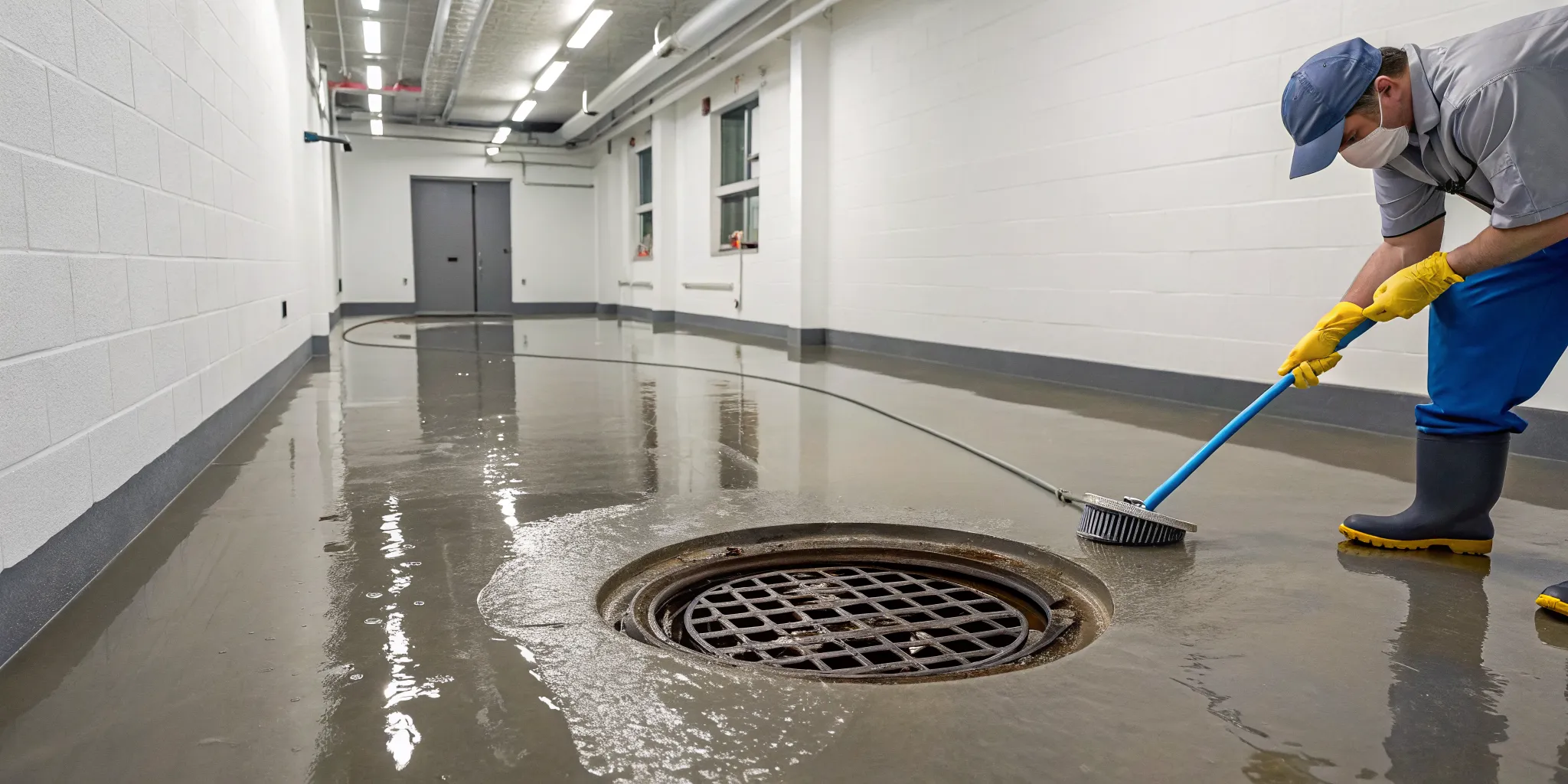
With your safety gear on, you can start the cleanup. First, get rid of all the standing water. A wet/dry shop vacuum is great for this, but old towels and buckets will also work if that’s all you have. Next, shovel any solid waste into heavy-duty trash bags. Once the excess water and solids are gone, it’s time to clean. Start by washing all hard surfaces, like concrete floors or tile, with hot water and a strong soap or detergent. This initial wash will remove the grime and prepare the surfaces for disinfection.
How to Properly Disinfect the Area
Cleaning alone isn’t enough to make your basement safe again. Every surface that came into contact with the sewage must be thoroughly disinfected to kill any lingering germs and get rid of the awful smell. A simple and effective solution is to mix one cup of household bleach with one gallon of water. Use this mixture to wipe down floors, walls, and any non-porous items that were affected. Let the bleach solution sit on the surfaces for at least 20 minutes before rinsing it off with clean water. For a deep and lasting clean, be sure to open windows or use fans to ventilate the area well.
Safely Disposing of Contaminated Items
Unfortunately, not everything can be saved after a sewage backup. Porous materials act like sponges, trapping contaminants deep inside where they’re impossible to fully disinfect. You’ll need to throw away items like carpets, rugs, books, upholstered furniture, mattresses, and soft toys. Seal all contaminated debris and unsalvageable items in thick, heavy-duty plastic garbage bags to prevent leaks. Before you haul them to the curb, it’s a good idea to check with your local waste management provider about any specific rules for disposing of contaminated household materials. When in doubt, throw it out.
What Are the Health Risks of Sewage Exposure?
A sewage backup is more than just a smelly, unpleasant mess; it’s a serious health hazard for your family. The water flooding your basement is contaminated with waste, bacteria, and other pathogens that can cause significant illness. Understanding these risks is the first step in handling the situation safely and protecting everyone in your home. It’s crucial to treat a sewage backup as an urgent problem that requires immediate and careful attention, not just a simple cleanup job.
The Bacteria and Viruses Hiding in Sewage
That foul-smelling water is a breeding ground for dangerous microorganisms. Raw sewage can expose your family to a host of harmful bacteria, viruses, and parasites. Contact with this contaminated water can lead to serious water-related illnesses like E. coli, salmonellosis, dysentery, and even Hepatitis A. Beyond the germs in the water, sewage can also release toxic gases like hydrogen sulfide and methane into the air. Inhaling these fumes can cause respiratory issues and other health problems. This isn’t just dirty water; it’s a biohazard that needs to be handled with extreme caution.
Skin Infections and Other Illnesses
Direct contact with sewage-contaminated water can cause serious skin infections, especially if you have any open cuts, scrapes, or sores. The bacteria in the water can easily enter your body through these small wounds, leading to painful rashes, cellulitis, or other skin conditions. It’s not just about visible injuries; even microscopic breaks in the skin can be an entry point for pathogens. This is why a sewage backup is considered a true plumbing emergency that requires immediate and professional attention. Beyond skin contact, the lingering dampness after a backup creates the perfect environment for mold and mildew to grow, which can trigger allergic reactions and respiratory problems long after the water is gone. Protecting your skin and your lungs is paramount.
How to Protect Your Family During Cleanup
Your family’s safety is the number one priority. The moment you discover a sewage backup, keep all children and pets far away from the affected area to prevent accidental exposure. If there is standing water, immediately shut off the electricity to the basement at the breaker box to avoid the risk of electrocution. Before you even think about stepping into the area, you need proper protective gear, including waterproof boots, gloves, and a facemask. If the situation feels overwhelming, it’s always safest to call for professional emergency plumbing services to handle the cleanup and repairs.
The Dangers of Mold Growth After a Backup
The health risks don’t stop once the water is gone. The damp, humid environment left behind by a sewage backup is the perfect breeding ground for mold, which can begin to grow in as little as 24 to 48 hours. This isn’t just an unsightly problem; mold releases spores into the air that can cause serious respiratory issues, allergic reactions, and other health problems, especially for children, the elderly, and anyone with a compromised immune system. This is why a fast and thorough cleanup is so important. Simply removing the water isn’t enough—the entire area must be completely dried and disinfected to prevent mold from taking hold. Addressing the source of the backup with emergency plumbing services is the first step to protecting your home and family from these lasting dangers.
Debunking Common Myths About Sewage Safety
One of the most dangerous myths is that a little sewage water isn’t a big deal. As we’ve covered, even minimal contact can expose you to serious diseases. Another common mistake is reaching for a chemical drain cleaner to fix the clog. Products like Drano can seem like a quick fix, but they often contain harsh chemicals that can corrode your pipes, leading to even bigger and more expensive problems down the road. These products rarely solve the underlying issue, like a main sewer line clog or tree root intrusion, which requires a professional diagnosis and solution.
When Is It Time to Call a Professional Plumber?
Some home maintenance tasks are perfect for a Saturday afternoon DIY project, but a sewage backup isn’t one of them. When your basement floor drain starts acting up, especially if it involves sewage, it’s a clear signal to put down the wrench and pick up the phone. The underlying cause of a backup is often deep within your plumbing system, far beyond the reach of household tools. Trying to fix it yourself can sometimes make the problem worse or expose you to serious health hazards. A simple plunger or store-bought chemical drain cleaner won’t touch a main line clog caused by tree roots or a collapsed pipe. In fact, harsh chemicals can damage your pipes, leading to even more expensive repairs down the road. Calling a professional isn’t just about convenience; it’s about getting a safe, effective, and lasting solution from someone who has the right training and equipment to handle hazardous materials and complex plumbing systems. It’s the best way to protect your property and your family’s health from the dangers of raw sewage. When you’re facing a situation this serious, you want an expert who can diagnose the problem accurately and resolve it completely.
Signs You Need an Expert’s Help
A basement floor drain backup is your plumbing system’s version of a check engine light. It’s a sign that something is wrong, and the problem usually won’t resolve on its own. You should call a professional immediately if you notice the water contains sewage or has a foul smell. Another major red flag is when multiple drains in your home start backing up at the same time, like your toilet, shower, and sinks. This often points to a blockage in your main sewer line, which requires specialized equipment to clear. These situations go beyond a simple clog and require professional emergency plumbing services to diagnose and fix correctly.
Is It a Plumbing Emergency?
Let’s be direct: sewage backing up into your basement is always a plumbing emergency. It’s not just about the unpleasant smell or the potential water damage to your floors and belongings. Raw sewage is a serious health risk, containing bacteria and viruses that can make your family sick. If you see feces or toilet paper coming up through the drain, the situation is critical. This indicates a significant blockage that needs immediate attention from a licensed plumber. Don’t wait to see if it gets better. Protecting your home and your family’s health is the top priority, so it’s essential to call for help right away.
What to Expect When the Pros Arrive
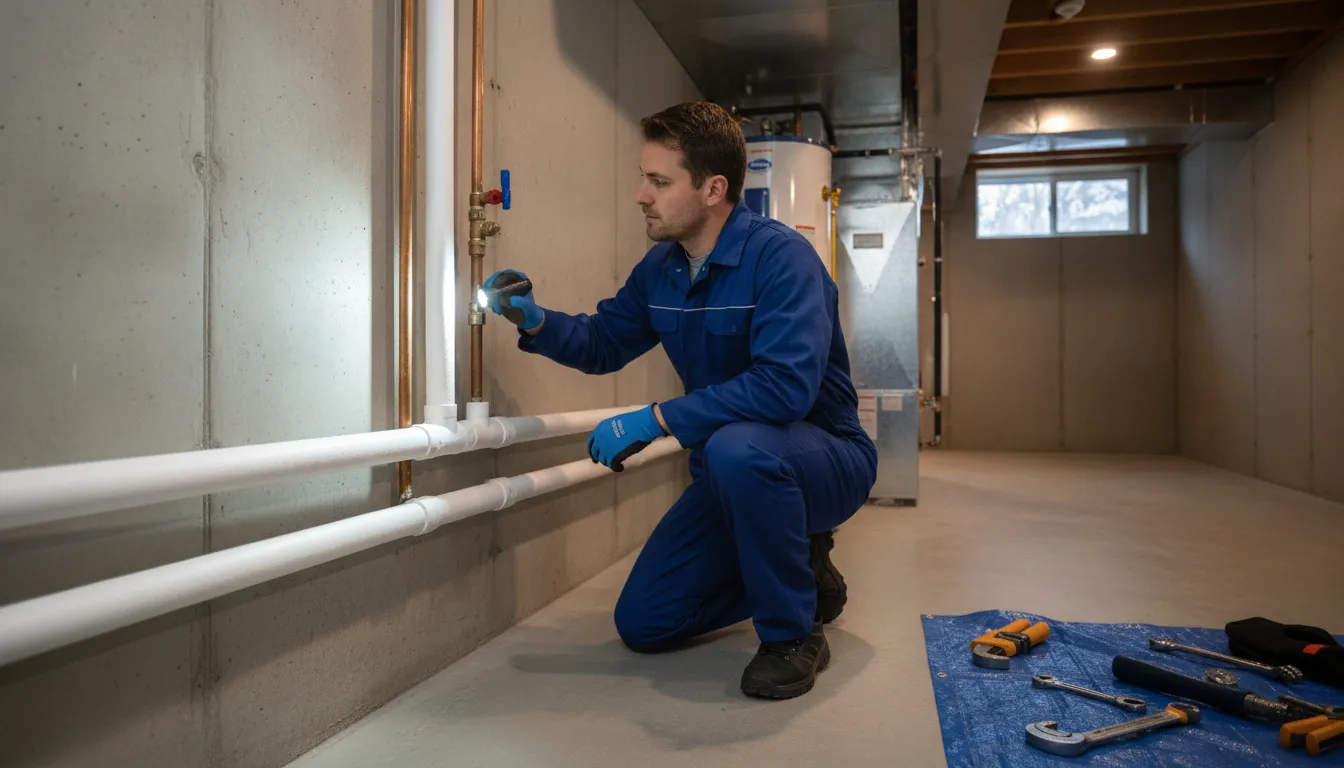
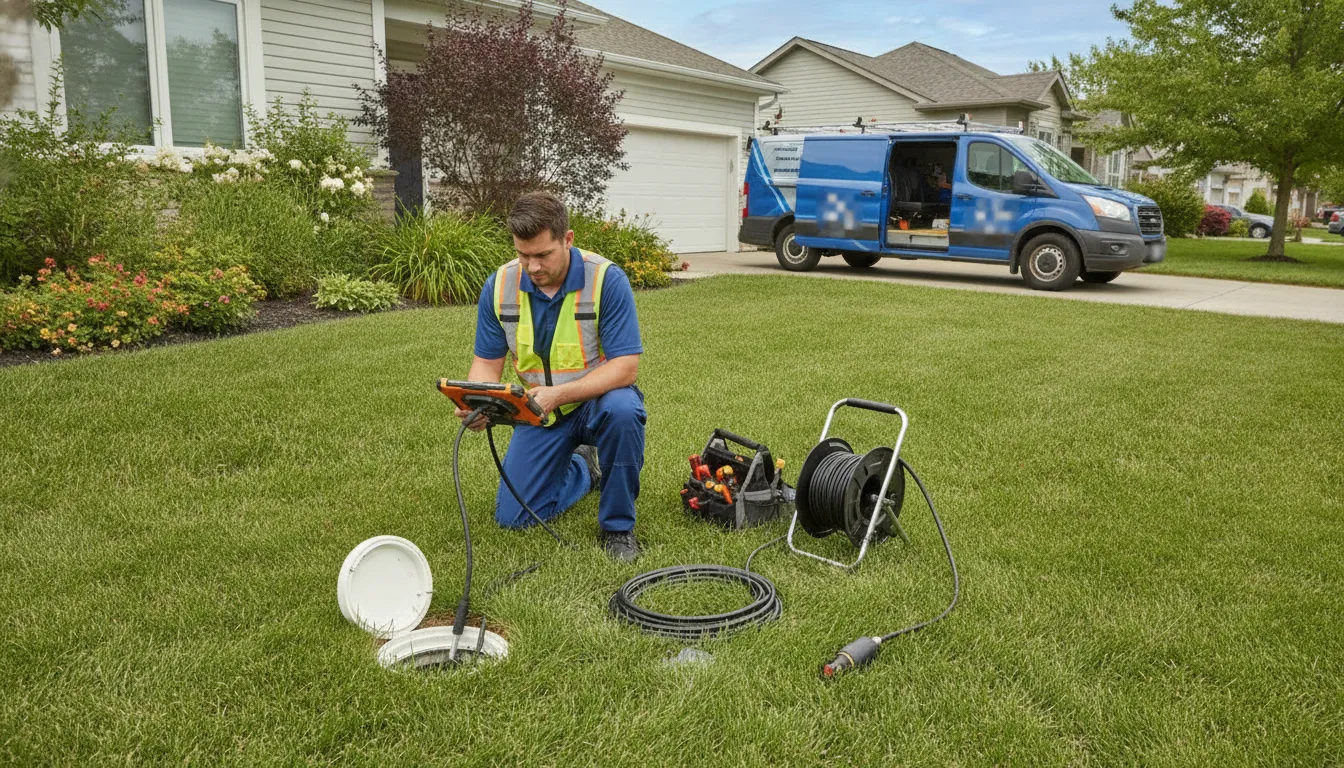
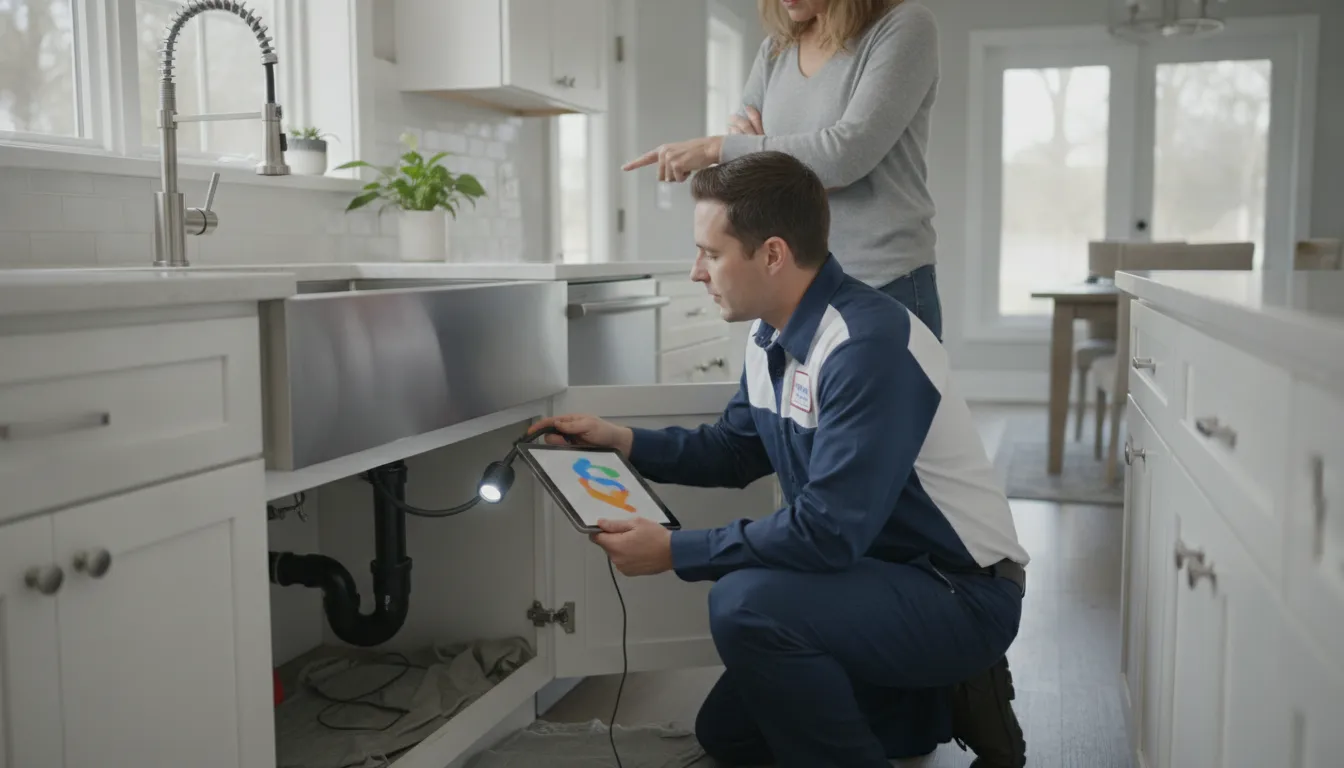
When you call a professional plumber, you’re getting an expert who can solve the problem at its source. First, they’ll likely perform a thorough investigation, often using a special camera to look inside your pipes. This allows them to see exactly what’s causing the blockage and where it’s located, whether it’s tree roots, grease buildup, or a damaged pipe. From there, they can use the right tools for the job, like a powerful drain snake or hydro jetting equipment, to completely clear the line. A professional can provide a range of plumbing solutions to ensure the problem is fixed for good, not just for now.
How to Prevent Future Basement Sewage Backups
Once you’ve dealt with a sewage backup, the last thing you want is a repeat performance. The good news is that you can take proactive steps to protect your home from future incidents. A little prevention goes a long way in keeping your basement dry and your plumbing system flowing smoothly. By being mindful of what goes down your drains and scheduling occasional maintenance, you can significantly reduce the risk of another messy and stressful backup.
Schedule Regular Maintenance for Your Drains
Think of your main sewer line as the major artery of your home’s plumbing system. Keeping it clear is essential. We recommend having your main line professionally inspected and cleaned every few years. This is especially important if you live in an older home with aging pipes or have large, mature trees on your property. A professional plumber can use a camera to look for potential problems like cracks, blockages, or root intrusion before they cause a full-blown emergency. Regular plumbing maintenance is one of the smartest investments you can make for your home’s health and your peace of mind.
Know What Not to Pour Down the Drain
Your drains and toilets are not trash cans. Treating them with care is your first line of defense against clogs. Never pour cooking grease, oil, or coffee grounds down the kitchen sink; they solidify in the pipes and create stubborn blockages. In the bathroom, the only things that should be flushed are human waste and toilet paper. Avoid flushing so-called “flushable” wipes, paper towels, cotton swabs, or feminine hygiene products. These items don’t break down properly and are a primary cause of clogs that can lead to a messy toilet repair situation or a major sewer backup.
Keep Your Drain’s P-Trap from Drying Out
That U-shaped pipe under your sinks has a counterpart in your basement floor drain called a P-trap. Its simple but important job is to hold a small amount of water, creating a seal that blocks smelly and potentially harmful sewer gases from entering your home. If your basement drain is rarely used, this water can evaporate over time, breaking the seal and letting unpleasant odors creep in. The fix is incredibly easy: once a month, pour a gallon of water directly into the floor drain. This simple habit replenishes the water barrier, keeps the P-trap full, and ensures it continues to do its job, protecting your home from more than just bad smells.
Use Drain Screens to Catch Debris
One of the easiest and most affordable ways to prevent clogs is to place a screen or cover over your basement floor drain. These simple devices are designed to catch hair, lint from the laundry, dirt, and other debris before it has a chance to wash down into your pipes and contribute to a blockage. You can find them at any hardware store, and they take just a second to install. The key is to remember to clean them out regularly. Think of it as emptying a filter—a small task that prevents a much larger headache. This tiny investment can save you from needing more extensive plumbing services down the line.
Know the Location of Your Main Sewer Cleanout
In a plumbing emergency, every second counts. That’s why it’s crucial to know the location of your main sewer cleanout before you ever need it. The cleanout is a capped pipe that provides direct access to your main sewer line for clearing blockages. It’s typically located in the basement, crawlspace, or outside in your yard, often near the foundation of your house. Finding it during a crisis can be stressful and time-consuming. By locating it now, you can save valuable time when you call for emergency plumbing help. When our team arrives, you can point us directly to it so we can get to work immediately on solving the problem.
Consider Installing a Backwater Prevention Valve
A backwater prevention valve is a fantastic safeguard for your home. In simple terms, it’s a one-way gate installed on your sewer line. It allows sewage and wastewater to flow out of your house but automatically closes if the city’s sewer system starts to back up. This device can protect your basement from flooding caused by overloaded municipal sewers during heavy rainstorms. Installing a backflow preventer is a proactive measure that provides an essential layer of security, especially for homes in areas prone to sewer system issues or those with basements below the sewer line.
How to Manage Tree Roots Near Your Sewer Line
The trees in your yard add beauty and value to your property, but their roots can pose a hidden threat to your sewer lines. Roots are naturally drawn to the moisture and nutrients inside your pipes and can work their way into tiny cracks, causing them to expand and create serious blockages. If you have large trees, it’s wise to have your sewer line inspected for root intrusion. Professionals can use specialized tools to clear out roots without damaging your pipes or your yard. Addressing a root problem early can save you from a future plumbing emergency and costly repairs.
Beyond the Drain: Other Home Moisture Solutions
Preventing a backup is just one part of keeping your basement dry. Water can be a sneaky intruder, and it often comes from sources other than your pipes. Managing moisture around and inside your home is a year-round job that protects your foundation, prevents mold, and safeguards your property value. By taking a few key steps outside and inside, you can create a comprehensive defense against water damage.
Managing Water Outside Your Home
Your best defense against a wet basement starts in your yard. The goal is to control rainwater and groundwater, directing it away from your home before it ever has a chance to seep inside. Simple landscaping and routine maintenance can make a huge difference in keeping your foundation secure and dry. When your yard and gutters work together, they form a powerful barrier against water intrusion.
Proper Yard Grading
The ground around your house should act like a gentle slide, guiding water away from your foundation. This is called yard grading. Ideally, your yard should have at least a 2% slope away from your home, which means the ground drops about two to three inches for every 10 feet. This subtle angle is often all it takes to manage drainage effectively, preventing water from pooling against your foundation walls and looking for a way into your basement.
Gutters and Downspouts
Your gutters and downspouts are the first line of defense against rainwater. They catch the water hitting your roof and channel it to a specific spot. However, their job isn’t done until that water is moved far away from your home. Ensure your downspouts extend at least four to six feet from your foundation, releasing water onto the graded lawn where it can flow away safely. For any groundwater that still gets too close, a properly functioning sump pump acts as your essential backup, actively pumping water out and away from your basement.
Interior Moisture Control Tips
Even with the best exterior defenses, moisture can still find its way into your basement. High humidity, condensation, and tiny foundation cracks can all contribute to a damp environment perfect for mold and mildew. A few simple interior strategies can help you control this moisture, ensuring your basement remains a dry, healthy, and usable part of your home.
Sealing Foundation Cracks
Take the time to regularly inspect your basement walls and floor for any cracks, no matter how small. Concrete and masonry can develop fissures over time, creating a direct path for water to seep in from the surrounding soil. Sealing these cracks with a waterproof sealant is a straightforward and effective way to stop moisture in its tracks. Addressing these small entry points promptly prevents minor dampness from escalating into a significant water problem that could damage your belongings and compromise your home’s structure.
Using a Dehumidifier
Basements are naturally prone to higher humidity levels than the rest of your house. This damp air can lead to condensation on cool surfaces and create the musty smell many people associate with below-ground spaces. Running a dehumidifier is an easy way to pull this excess moisture from the air. By maintaining a consistent, low humidity level, you make the environment less hospitable for mold and mildew, which helps protect your family’s health and keeps the space feeling fresh and dry.
How Your Basement Floor Drain Works
It’s easy to ignore that little drain in your basement floor until it demands your attention with a foul smell or a puddle of murky water. Understanding how it works is the first step in figuring out what’s gone wrong. Think of your basement floor drain as your home’s last line of defense against flooding. It’s designed to be a safety net, but when it fails, it can cause a major headache. Let’s break down how this simple but crucial part of your plumbing system operates.
How a Basement Floor Drain Functions
Your basement floor drain carries away any water that collects on the floor, from a leaky pipe to a major flood. Beneath the grate, a U-shaped pipe called a p-trap holds a small amount of water at all times. This water acts as a barrier, preventing smelly sewer gases from seeping into your home. The trap also helps catch larger debris, stopping it from creating a bigger clog down the line. If this trap dries out, you might notice a foul odor. Simply pour some water down the drain to refill it and solve the problem.
How Your Drain Connects to the Sewer Line
Your basement floor drain isn’t an independent system; it connects directly to your home’s main sewer line. This is the same pipe that carries waste from your toilets, showers, and sinks. Because of this connection, your floor drain is often the first place you’ll see evidence of a major clog. If the main line gets blocked, wastewater from upstairs has nowhere to go and backs up through the lowest point: the basement floor drain. This is a classic sign of a main sewer line blockage that requires emergency plumbing attention.
Types of Basement Drainage Systems
Not all basement drains are created equal. While many of us picture a simple grate in the middle of the floor, there are actually several different types of drainage systems, each designed for a specific purpose. The kind of drain you have in your basement often depends on when your home was built, the specific water issues it was designed to handle, and whether it was part of the original construction or a later addition. Understanding which system you have can help you better diagnose problems and know what to expect when it comes to maintenance and repairs. From simple point drains to complex subfloor systems, each plays a unique role in keeping your basement dry.
Floor Sinks or Point Drains
This is the classic basement floor drain that most people are familiar with. A point drain is a single, round or square grate installed at the lowest point of your basement floor. Its job is to catch any incidental water, like from a leaking water heater or a minor pipe drip, and direct it away. Because it’s designed for small amounts of water in a specific spot, it can be easily overwhelmed by a major flood. If you find this type of drain backing up with sewage, it’s a definite sign that the problem isn’t with the drain itself, but with a blockage in the main sewer line that it connects to.
Trench or Area Drains
A trench drain, sometimes called a channel drain, is a more robust solution for managing water over a larger area. Instead of a single point, it’s a long, linear channel set into the floor with a grate on top. You might see these at the entrance of a walk-out basement or across a garage floor. They are designed to intercept and collect a much higher volume of water than a simple point drain, making them ideal for areas prone to significant water flow, like workshops or storage spaces. While less common inside a finished residential basement, they are incredibly effective at preventing water from spreading across the entire floor.
French Drains (Interior Weeping Tile)
An interior French drain, also known as weeping tile, is a proactive waterproofing system rather than just a simple drain. This system is installed beneath your basement floor, typically around the perimeter of your foundation. It consists of a perforated pipe laid in a trench filled with gravel. Its purpose is to collect groundwater that seeps through the foundation walls before it ever has a chance to reach your basement floor. The water is then channeled to a basin where a sump pump pushes it out and away from your home. It’s a powerful solution for homes that struggle with persistent dampness and water intrusion.
Subfloor Drains
Similar to a French drain, a subfloor drainage system is another comprehensive solution installed underneath the concrete slab of your basement. This type of system is most often put in during new home construction or a major renovation project. It creates a network of pipes under the floor designed to capture groundwater and relieve hydrostatic pressure—the force of water in the soil pushing against your foundation. By collecting this water and directing it to a sump pump, a subfloor drain helps keep the entire basement slab dry from below. It’s an excellent, albeit more involved, method for ensuring a dry and healthy basement in areas with high water tables.
Spotting Early Warning Signs of a Clog
A sewage backup rarely happens without a few warning signs. Paying attention to these signals can help you prevent a disaster. You might hear strange gurgling sounds from the drain, especially when using water elsewhere in the house. You may also see bubbles coming up through the drain’s trap. A persistent sewage smell is another huge red flag. If multiple drains in your home are slow to empty, or if water is actively rising from the floor drain, it’s time to act fast. These are clear indicators of a blockage that needs professional help.
Installing a New Basement Floor Drain
Many older homes in Metro Detroit were built without a basement floor drain, or the existing one is outdated and failing. If you’re constantly dealing with dampness, musty odors, or small puddles after a heavy rain, it might be time to consider installing a new drain. A properly installed floor drain is a fundamental part of a dry and healthy basement, acting as a critical safety net to channel away any unwanted water before it can cause damage. It’s a proactive upgrade that protects your foundation, prevents mold growth, and gives you peace of mind.
Signs Your Basement Needs a Drain System
Because basements are the lowest point of a house, they are natural collection spots for water. Gravity and hydrostatic pressure from the surrounding soil can push moisture through tiny cracks in your foundation walls and floor. If your basement lacks a way to manage this water, you’ll notice the signs: a persistent damp feeling in the air, a musty smell you can’t get rid of, or white, chalky efflorescence on the concrete. In more serious cases, you might see small puddles forming after a storm. These are all indicators that your basement needs a drainage system to effectively catch and divert this water away from your home.
Choosing the Best Materials for Durability
When you decide to install a new floor drain, the material you choose will have a big impact on its longevity and performance. While plastic or PVC drains are common, the best material for a basement floor drain is stainless steel. It offers superior durability and resistance to corrosion, ensuring it will last for a very long time without breaking down. Investing in a high-quality material like stainless steel from the start means you won’t have to worry about cracking or deterioration down the road. It’s a smart choice that contributes to a reliable, low-maintenance drainage solution for years to come.
Common Installation Mistakes to Avoid
Installing a floor drain isn’t as simple as just cutting a hole in the concrete. Several common mistakes can render a new drain completely ineffective. The most critical error is failing to create the proper slope. The concrete floor must be gently graded toward the drain so that water naturally flows to it. Another mistake is incorrect placement; the drain must be located at the absolute lowest point of the floor to be effective. Ignoring proper maintenance after installation can also lead to clogs. To avoid these costly errors, it’s best to rely on professional plumbing services to ensure the job is done right the first time.
Understanding Installation Costs and Lifespan
Investing in a new basement floor drain is a practical way to protect your home’s value. The cost to install a new drain typically ranges from $300 to $800, depending on the complexity of the job and the materials used. While this is an upfront expense, it’s minor compared to the cost of water damage restoration or mold remediation. With proper installation and occasional maintenance, a quality floor drain can last anywhere from 15 to 25 years. Think of it as a long-term investment in a dry, healthy basement and the overall structural integrity of your home.
Managing Drains in a Finished Basement
A finished basement can be a fantastic addition to your home, adding valuable living space for a family room, home office, or gym. But as you plan your renovation, it’s crucial not to overlook the practical plumbing elements that keep your basement safe. Your floor drain is a vital component, and how you manage it during a remodel can make the difference between a beautiful new space and a water-damaged disaster. With a little forethought, you can seamlessly integrate your drainage system into your finished design without sacrificing safety or function.
How to Keep Drains Accessible and Functional
When finishing a basement, it can be tempting to simply cover the floor drain with carpet or tile for a seamless look. This is a huge mistake. It’s not a question of if your basement will ever have a water issue, but when. A leaky pipe, a failed water heater, or a sewer backup can happen unexpectedly, and a covered drain is a useless drain. Instead, plan to keep it accessible. You can install a decorative grate that matches your flooring or use a specially designed drain cover. An access panel in the flooring is another great option, ensuring you can get to the drain when you need it most.
Using Flood-Resistant Building Materials
Building a flood-resilient basement is about more than just the drain. The materials you choose for your walls, floors, and trim play a huge role in how well the space will hold up to potential moisture. Instead of using paper-faced drywall and wood baseboards, consider materials that can handle getting wet. Use spray foam insulation, which doesn’t absorb water like fiberglass, and opt for PVC or other composite baseboards that won’t swell or rot. Choosing flood-resistant materials is a smart strategy that can significantly minimize damage and cleanup costs if a leak or backup ever occurs, protecting your investment for the long haul.
Does Insurance Cover Sewage Damage?
After dealing with the shock and mess of a sewage backup, the last thing you want is another surprise when you look at your insurance policy. Understanding what is and isn’t covered can be confusing, but it’s essential for protecting your home and your finances. The answer isn’t always straightforward, as coverage often depends on the specifics of your policy and the cause of the backup. Let’s walk through what you need to know about insurance and sewage damage so you can be prepared.
Understanding What Your Policy Excludes
Here’s the hard truth: most standard homeowners insurance policies do not cover damage from a sewer backup. It’s a common exclusion that catches many homeowners off guard. Insurers often view backups originating from outside your home’s plumbing, like an overloaded city sewer or tree roots in the main line, as issues beyond the scope of a standard policy. They might also consider backups caused by poor maintenance to be the homeowner’s responsibility. It’s crucial to read your policy documents carefully instead of assuming you’re covered for every type of water damage.
Should You Add Sewer Backup Coverage?
The good news is that you can protect yourself by adding specific coverage to your policy. Most insurance companies offer a “sewer backup” or “water backup” endorsement as an add-on. This rider extends your coverage to include damage from backed-up sewers, drains, and sump pumps. For a relatively small increase in your premium, you can get thousands of dollars in protection, which can be a lifesaver when facing extensive cleanup and restoration costs. I always recommend calling your insurance agent to discuss adding this valuable insurance rider to your policy before you ever need it.
How to File a Successful Insurance Claim
If you have sewer backup coverage and need to file a claim, acting quickly and methodically will make the process much smoother. First, contact your insurance provider as soon as possible to report the incident. Before you clean up, document everything with photos and videos, capturing the extent of the damage to your property and belongings. As you begin cleanup, keep detailed records and receipts for any expenses, including costs for professional emergency plumbing services. Taking these organized steps helps ensure your claim is processed efficiently and you receive the compensation you’re entitled to.
DIY vs. Pro Cleanup: Which Is Right for You?
When you’re staring at a sewage backup, your first instinct might be to grab some gloves and get to work. Tackling the problem yourself can feel empowering and seems like a way to save money. But before you do, it’s important to weigh the pros and cons. While some minor backups can be handled with a bit of elbow grease, many situations require professional tools and expertise to resolve safely and effectively. The decision to DIY or call a pro often comes down to the size of the mess, the potential health risks, and whether you’re dealing with a simple clog or a symptom of a much larger issue in your plumbing system.
When Is It Safe to Handle It Yourself?
You might be able to manage a backup on your own under very specific conditions. If the backup is small, contained to a single drain, and consists of clear water without a strong sewage odor, it could be a simple, localized clog. In this case, the blockage is likely near the drain opening itself. You could try using a plumber’s snake to break up the obstruction. However, even for a minor backup, you must wear protective gear like waterproof boots, gloves, and safety glasses. If you have any doubts or the problem seems bigger than you can handle, it’s always safer to stop and call for help.
Why Hiring a Pro Is Often Worth It
When you’re dealing with a significant backup, especially one involving raw sewage, calling a professional is your best bet. Plumbers have specialized equipment that you simply can’t find at a hardware store. They can use high-definition cameras to perform a video inspection, pinpointing the exact location and cause of the clog deep within your pipes. For stubborn blockages, they might use hydro-jetting, a process that blasts high-pressure water through the pipes to clear out everything from grease to tree roots. A professional not only cleans up the mess but also diagnoses the root cause, offering a long-term solution instead of a temporary fix. This is especially critical in an emergency plumbing situation.
A Look at the Costs: DIY vs. Professional
It’s true that a DIY cleanup costs less upfront. But a failed attempt can quickly lead to more extensive damage and higher repair bills. Professional services to clear a main sewer line clog typically have a set cost, but this is a small price to pay compared to the thousands you might spend replacing a damaged pipe. Remember, as the homeowner, you are responsible for the sewer service line that runs from your house to the city main. Investing in a professional plumber is an investment in your home’s health. They can prevent a minor issue from turning into a catastrophic and expensive failure. If you’re facing a backup, contact us for a clear assessment and cost-effective solution.
Related Articles
- Basement Drain Backup: Your Step-by-Step Guide
- Drain Backup in Basement? A Step-by-Step Guide
- Sewage Clean Up: A Complete Homeowner’s Guide
Frequently Asked Questions
Can I just pour a chemical drain cleaner down the drain to fix it? I strongly advise against using chemical drain cleaners for a sewage backup. These products are designed for simple clogs in smaller pipes, like a hair-filled sink drain, not for a major blockage in your main sewer line. They are often ineffective against serious obstructions like tree roots or grease buildup and can even damage your pipes by corroding them. More importantly, they won’t solve the underlying issue, which requires a professional diagnosis to fix correctly.
How can I tell if the backup is my responsibility or the city’s problem? A good way to check is to talk to your immediate neighbors. If they are experiencing similar backups at the same time, the problem is likely with the municipal sewer main on your street. In that case, you should contact your local water department. If the issue is isolated to just your home, the blockage is almost certainly in your private sewer line, which runs from your house to the city main, making it your responsibility to resolve.
I’ve cleaned up the water, but my basement still smells awful. What should I do? A persistent sewage odor after cleanup is a sign that the area wasn’t fully disinfected or that contaminated water has soaked into porous materials. Things like drywall, wood studs, carpet padding, or insulation can trap bacteria and moisture, leading to lingering smells and mold growth. You may need to repeat the disinfection process, ensuring you allow for plenty of ventilation. If the smell doesn’t go away, it’s best to have a professional assess the situation to find any hidden contamination.
Is a single slow drain a sign of a future sewage backup? It certainly can be. While a single slow drain might just be a local clog, it can also be an early warning sign of a developing problem in your main sewer line. Pay close attention if multiple drains in your home start to slow down or if you hear gurgling sounds from your toilets or drains. These are classic symptoms of a main line blockage that is gradually getting worse. Addressing it early with a professional inspection can prevent a full-blown sewage emergency.
My backup was caused by tree roots. Do I have to cut down my trees? Thankfully, no, you almost never have to sacrifice your beautiful trees. Professional plumbers have specialized equipment, like powerful mechanical augers and hydro jets, that can cut through and clear tree roots from inside your pipes without harming the tree itself. After clearing the line, we can recommend a regular maintenance plan to keep the roots at bay and prevent them from causing another blockage in the future.