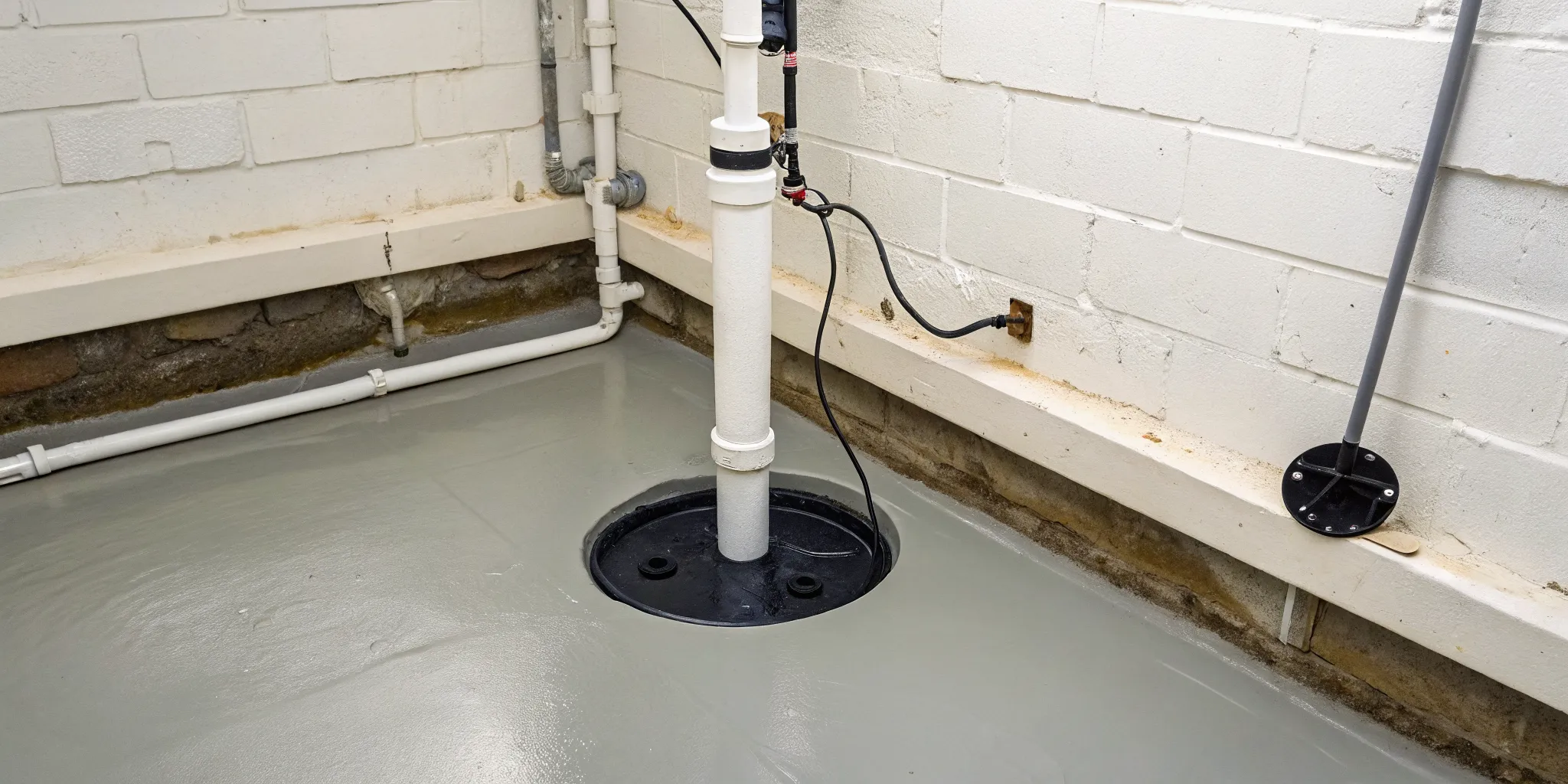


Let’s talk about the real price of a flooded basement. Water removal, mold remediation, and replacing ruined belongings can easily cost tens of thousands of dollars. When you look at it that way, the cost of sump pump replacement with battery backup starts to look less like an expense and more like a crucial insurance policy. This system is your proactive defense against a worst-case scenario. To help you plan, we’re breaking down all the factors that go into the final price, from the type of pump you choose to the power of the battery, ensuring you know exactly what to expect for this valuable investment.
Key Takeaways
- Understand the Full Cost: A complete sump pump system with a battery backup involves three main costs: the primary pump, the battery unit, and professional installation, which together typically range from $1,000 to $3,000.
- Your Choices Determine the Price: The final cost depends on key decisions, like selecting a submersible versus a pedestal pump and choosing a battery (lead-acid, AGM, or lithium-ion) based on its lifespan and your budget.
- View It as Essential Insurance: A battery backup is a smart investment that prevents catastrophic flood damage, which can cost an average of $25,000 to repair, and protects your home from mold and structural issues.
How Much Does a Sump Pump with Battery Backup Cost?
Thinking about a sump pump with a battery backup is a smart move for any homeowner, especially here in Metro Detroit where heavy rain and storms can be a real concern. It’s your best defense against a flooded basement when the power goes out. But what’s the price for that peace of mind? The total cost can vary quite a bit, so let’s break down the numbers so you know exactly what to expect.
Breaking Down the Total Cost
When you get a quote for a sump pump with a battery backup, you’re looking at a few different costs rolled into one. The total price generally falls between $300 and $3,000. That’s a wide range because it depends on the specific pump you choose, the power of the battery backup system, and whether you hire a professional for the installation. Think of it like buying a car; the base model is one price, but adding features and a great warranty changes the final number. Understanding each part of the cost helps you make an informed decision for your home and budget.
The Sump Pump Unit
The heart of the system is the primary sump pump itself. On its own, a new sump pump unit typically costs between $100 and $500. The price difference comes down to the type of pump, its horsepower, and the materials it’s made from. For example, a durable cast-iron pump will usually cost more than a plastic one but offers a longer lifespan. We can help you choose the right model based on your home’s specific needs. You can learn more about our expert sump pump services and the quality products we trust.
The Battery Backup System
The battery backup is the crucial add-on that keeps your pump running during a power outage. This component alone can range from $200 to $600. The price depends on the battery’s power and how long it can run your pump. Some advanced systems also include features like self-testing and alarms that alert you if the power goes out or the battery is low. While it’s an extra expense, a reliable battery backup is what turns your sump pump into a 24/7 flood prevention system, giving you confidence in any weather.
Professional Installation in Metro Detroit
While you can buy the components separately, having them installed correctly is key. Professional installation in the Metro Detroit area typically adds $300 to $750 to the total cost, bringing the all-in price for a complete system to between $1,000 and $3,000. Hiring a professional plumber ensures that your primary pump and backup system are perfectly integrated and tested to work flawlessly. It prevents common DIY mistakes that could lead to failure when you need it most. If you’d like a clear, upfront estimate for your home, feel free to contact us for a personalized quote.
What Affects the Final Price?
When you’re looking at the cost of a new sump pump with a battery backup, the final number on your quote is more than just the price of the pump itself. Several key factors come together to determine the total investment. Understanding what these are ahead of time can help you budget accurately and choose the right system for your home without any last-minute surprises. Think of it like buying a car; the base model has one price, but the engine upgrade, trim package, and safety features all add to the final cost.
The main variables include the type of sump pump you choose, the power and longevity of the battery backup system, and your home’s current plumbing and electrical configuration. Sometimes, a straightforward replacement is all that’s needed. Other times, the job might require a bit more work to ensure your new system runs safely and effectively for years to come. A professional plumber will walk you through these factors during an inspection, but knowing what to expect gives you a great head start. Let’s break down exactly what goes into the final price.
Submersible vs. Pedestal Pumps
The first choice you’ll make is the type of primary sump pump. The two main options are submersible and pedestal pumps, and they differ in both design and cost. A submersible pump sits directly inside the sump pit, submerged in water. These units are generally more powerful, quieter, and more durable, but they come with a higher price tag, typically ranging from $300 to $900.
A pedestal pump, on the other hand, has a motor that sits on a column above the pit, keeping it out of the water. This design is less expensive, usually costing between $150 and $400, making it a budget-friendly choice. The trade-off is that they can be a bit noisier and are often less powerful than their submersible counterparts.
Battery Power and Lifespan
The battery backup system is your insurance policy against a power outage, and its quality directly impacts the price. The type of battery you choose is the biggest variable here. A standard lead-acid battery is the most affordable option, costing around $150 to $600, but it generally needs to be replaced every 3 to 5 years.
For a longer lifespan, you could opt for an AGM (Absorbent Glass Mat) battery, which runs from $200 to $800 and lasts about 5 to 7 years. The top-tier option is a lithium-ion battery. While it has the highest upfront cost, from $800 to $2,000, it can last for 10 years or more, offering the best long-term value and reliability.
Your Home’s Existing Setup
No two basements are exactly alike, and your home’s current plumbing and electrical setup is a major factor in the final installation cost. If you’re replacing an old, outdated pump, the new system might not be a simple drop-in. The sump pit itself may need to be enlarged or cleaned, or the discharge pipes might need to be reconfigured for optimal flow.
Similarly, the electrical work required can vary. A new battery backup system needs a dedicated outlet, and if one isn’t available nearby, an electrician will need to install one. A professional assessment of your current sump pump setup is the best way to get a clear picture of the work involved.
Additional Plumbing Needs
During an installation, it’s not uncommon to discover that some extra work is needed to support your new sump pump system. For example, the existing plumbing might be incorrectly sized, or the check valve, which prevents water from flowing back into the pit, may need replacing. These adjustments are critical for making sure your basement stays dry.
These additional plumbing or electrical tasks can add between $100 and $500 to the total cost, depending on the complexity. A trustworthy plumber will always inspect your system thoroughly and communicate any necessary extra work upfront. This ensures there are no surprises on the final bill and that your home is fully protected. If you have questions about your setup, you can always contact us for an evaluation.
Popular Sump Pump Brands and Their Costs
When you start shopping for a new sump pump, you’ll notice a few brand names pop up again and again. While our team at Mr. Pipey can help you select the perfect model for your home’s specific needs, it’s always a good idea to be familiar with the key players in the market. Understanding the general costs and reputations of these brands can make the decision-making process feel much more straightforward. Each offers reliable options, but they have different strengths and price points.
Here’s a quick look at three of the most popular brands you’ll likely encounter when looking into sump pump services.
Zoeller
If you’re looking for a sump pump that’s built like a tank, Zoeller is a name you’ll hear often. This brand is known for its incredibly durable and reliable pumps, which are often praised for their tough construction and long lifespan. The cost for a Zoeller pump typically falls between $150 and $400. A popular workhorse model like the Zoeller M53 sits at the lower end of that range, around $150. More advanced models, especially those that come with their own battery backup systems, will be closer to the $400 mark. Many homeowners find that the investment in a Zoeller pump pays off in long-term reliability.
Wayne
Wayne is another top contender and a favorite among homeowners looking for a great balance of performance and value. Wayne sump pumps generally cost between $100 and $300, making them a very accessible option. For example, the Wayne CDU980E is a highly-rated submersible pump that you can find for about $200. Like other leading brands, Wayne also offers separate battery backup systems to keep your basement protected during a power outage. Adding one of these systems can cost an additional $200 to $400, depending on the model you choose. Their product line offers a solid range of choices for different needs and budgets.
Basement Watchdog
As you might guess from the name, Basement Watchdog is a brand that’s laser-focused on protecting your basement from flooding. They are especially recognized for their innovative battery backup systems, which are designed to give you ultimate peace of mind. The brand’s primary sump pumps usually range from $150 to $300. However, their real specialty is the backup system, which can add another $200 to $500 to your total cost. A model like the Basement Watchdog BWE, which costs around $300, often includes a backup option that ensures your pump keeps running no matter what, making it a popular all-in-one solution.
What to Look for in a Battery Backup System
Choosing a battery backup isn’t just about grabbing one off the shelf. You’re investing in a safety net for your home, so a little homework goes a long way. To make sure you get a reliable system that kicks in when you need it most, focus on these four key features.
Automatic Activation and Alarms
The whole point of a backup system is for it to work without you having to think about it. Look for a system that features automatic activation. This means the moment your power goes out, the battery backup takes over and keeps your sump pump running. This is absolutely critical during a big storm when power outages and heavy rain often happen together. A good system will also include alarms that alert you when the backup is active, the battery is low, or it’s time for a check-up, giving you a heads-up before there’s a problem.
Battery Runtime and Longevity
Not all batteries are created equal. Your main choices are lead-acid, AGM, and lithium-ion. Lead-acid batteries are the most affordable but typically last only 3 to 5 years. AGM batteries are a step up, lasting 5 to 7 years. Lithium-ion batteries are the premium option, lasting around 10 years and charging faster. While they cost more upfront, their longer lifespan can save you money over time. Think about how much runtime you need for a typical power outage in your area and choose a deep-cycle battery that matches your needs and budget.
Compatibility with Your Main Pump
Will the backup system work with your existing sump pump? It’s a crucial question to ask. Most modern sump pumps are compatible with a backup, but there are two main ways to set it up. You can install a separate, smaller DC-powered pump that works alongside your main one, or you can use an inverter that allows your primary AC pump to run off battery power. A professional can assess your current setup and help you decide which option makes the most sense for your home’s protection and your specific pump model.
Simple Maintenance Checks
A battery backup is a “set it and forget it” device, but only if you give it a little attention once in a while. Your system needs regular checks to ensure it’s ready for an emergency. At least once a year, you should test it by unplugging your main pump to make sure the backup kicks on. It’s also smart to check the battery terminals for any corrosion and clean them if needed. These simple sump pump maintenance steps ensure your investment is ready to protect your basement when the time comes.
Costly Sump Pump Mistakes to Avoid
Investing in a sump pump with a battery backup is a smart move for protecting your basement, but a few common missteps can turn that investment into a headache. Knowing what to watch out for can save you from surprise failures, expensive repairs, and the stress of a flooded basement. By avoiding these pitfalls, you can ensure your system works exactly as it should when you need it most. Let’s walk through the most frequent mistakes homeowners make and how you can steer clear of them.
Picking the Wrong Pump Size
When it comes to sump pumps, one size does not fit all. Choosing the right pump is a balancing act. A pump that’s too small won’t be able to keep up during a heavy downpour, leaving your basement vulnerable to flooding. On the other hand, a pump that’s too powerful for your needs will turn on and off too frequently, a problem known as short-cycling. This not only wastes energy but also causes premature wear and tear on the motor. The right size depends on your basement’s water table, the size of the sump pit, and the height the water needs to be pumped. A professional can assess these factors to recommend the perfect pump for your home’s unique situation.
Skipping Professional Installation
It can be tempting to try a DIY installation to save a few hundred dollars, but this is one area where cutting corners can cost you dearly. A sump pump system, especially one with a battery backup, has several components that must work together perfectly. An incorrect installation can lead to a pump that doesn’t activate, a discharge pipe that freezes or clogs, or even electrical hazards. Hiring a professional ensures your entire system is set up for reliable, safe, and effective operation. Our team at Mr. Pipey handles sump pump services with the expertise needed to give you total peace of mind, knowing the job was done right the first time.
Forgetting Regular Maintenance
Your sump pump is your first line of defense against water damage, but it can’t do its job if it’s not properly maintained. Like any important appliance, it needs regular check-ups to stay in top condition. Over time, the sump pit can collect dirt and debris that can clog the pump’s intake, and mechanical parts can wear out. You should test your pump every few months by pouring a bucket of water into the pit to ensure it turns on. At least once a year, it’s wise to have a professional inspect the pump, clean the system, and test the battery backup. This simple step can catch small issues before they become major emergencies.
Ignoring Replacement Warning Signs
A sump pump won’t last forever. Most have a lifespan of about 7 to 10 years. Waiting for it to fail completely, likely during a major storm, is a recipe for disaster. Pay attention to the warning signs that your pump is nearing the end of its life. Is it making strange grinding or rattling noises? Does it seem to run constantly, even in dry weather? Is it visibly rusted or just plain old? If you notice any of these signs, it’s time to consider a replacement. Being proactive is far less stressful and expensive than dealing with emergency plumbing and a basement full of water.
Is a Battery Backup Sump Pump a Good Investment?
When you’re looking at your home’s budget, adding another expense can feel like a tough pill to swallow. So, is a battery backup for your sump pump really worth the money? The short answer is a resounding yes. Think of it less as an expense and more as an insurance policy for your basement and your peace of mind. Here in Metro Detroit, we know that storms can be intense and unpredictable. Power outages rarely happen on bright, sunny days; they’re most common during the exact same storms that can send water pouring into your basement. When the power goes out, your primary sump pump is useless, leaving your home completely vulnerable to flooding. A battery backup system is designed to solve this exact problem. It automatically senses the power failure and kicks in, continuing to pump water out and away from your foundation without missing a beat. It’s the simple, reliable safeguard that stands between a dry basement and a major disaster. Installing one is a proactive step that separates a minor inconvenience from a catastrophe that can disrupt your life for weeks or even months. It’s about being prepared for the worst so you can keep your family safe and your home secure.
The True Cost of a Flooded Basement
Let’s talk numbers, because they really put things into perspective. A battery backup system might cost anywhere from a few hundred to a few thousand dollars to install. While that’s not pocket change, it’s a drop in the bucket compared to the alternative. The average cost to clean up and repair a flooded basement is a staggering $25,000. That figure includes professional water removal, drying out the space, replacing ruined drywall and flooring, and buying new furniture. What it doesn’t account for are the priceless sentimental items that water can destroy in an instant. When you weigh the upfront cost of a backup against the potential financial devastation of a flood, the investment starts to look pretty smart. We can help you find the right sump pump services to fit your home’s specific needs and budget.
Avoiding Flood Damage, Mold, and Repairs
Beyond the immediate financial hit, a flooded basement brings a host of other problems you really want to avoid. Standing water, even for a short time, creates the perfect breeding ground for mold and mildew. Not only is mold a huge hassle to remove, but it can also pose serious health risks to your family, especially for anyone with allergies or asthma. Furthermore, water can compromise your home’s structural integrity. It can seep into the foundation, causing cracks and long-term damage that is incredibly expensive to fix. A battery backup sump pump is your first line of defense against these issues. By preventing water from accumulating in the first place, you protect your property, your health, and the very foundation of your home, helping you avoid a cascade of complicated emergency plumbing repairs.
Long-Term Savings and Peace of Mind
A battery backup doesn’t just save you money during a crisis; it can also lead to long-term savings. Some insurance companies recognize how much a backup system reduces risk and may offer discounts of 5-10% on homeowner’s policies for homes that have one installed. But honestly, the biggest return on your investment might just be the peace of mind. Knowing that your basement is protected, even during a severe thunderstorm or a neighborhood-wide power outage, is invaluable. You can sleep soundly through the night or go on vacation without anxiously checking the weather forecast back in Detroit. It’s about being prepared and protecting your biggest asset. Taking this one step ensures your home and family are secure, no matter what the Michigan weather throws at it.
Related Articles
Frequently Asked Questions
How long will a battery backup actually run during a power outage? The runtime really depends on a few things: the power of the battery you choose, how often your pump needs to run, and your pump’s efficiency. A quality system can typically run continuously for 5 to 10 hours. If it only needs to kick on intermittently, which is more common, it could protect your basement for a couple of days. The key is to select a deep-cycle battery that’s powerful enough to handle a standard power outage in our area.
Can I just add a battery backup to the sump pump I already have? In most situations, yes. You can absolutely add a backup system to an existing pump. There are a couple of ways to do this, either by installing an inverter that lets your main pump run on battery power or by adding a separate, smaller DC-powered pump that works alongside your current one. A professional plumber can look at your setup and confirm compatibility, helping you choose the most reliable option for your specific pump model.
How often will I need to replace the battery in the backup system? The lifespan of the battery depends entirely on the type you choose. A standard lead-acid battery is the most budget-friendly option and will need to be replaced every 3 to 5 years. An AGM battery is a step up, lasting about 5 to 7 years. For the longest life, a lithium-ion battery can last 10 years or more, offering the best long-term value even though it costs more upfront.
My basement has never flooded. Is a battery backup still a good idea? Think of it as an insurance policy for your home’s foundation and your peace of mind. Just because it hasn’t happened yet doesn’t mean it can’t. Weather patterns can be unpredictable, and a single severe storm is all it takes to cause thousands of dollars in damage. Installing a backup system is a proactive step to protect your home’s value and avoid the immense stress and cost of dealing with a flood for the first time.
How do I know if my current sump pump is failing? Sump pumps usually give you a few warning signs before they quit. If you hear any strange grinding, rattling, or unusually loud noises, it’s a red flag. Another sign is if the pump seems to run constantly, even when it’s not raining. Visible rust or knowing the pump is approaching the 10-year mark are also good indicators that it’s time to consider a replacement before it fails during an emergency.