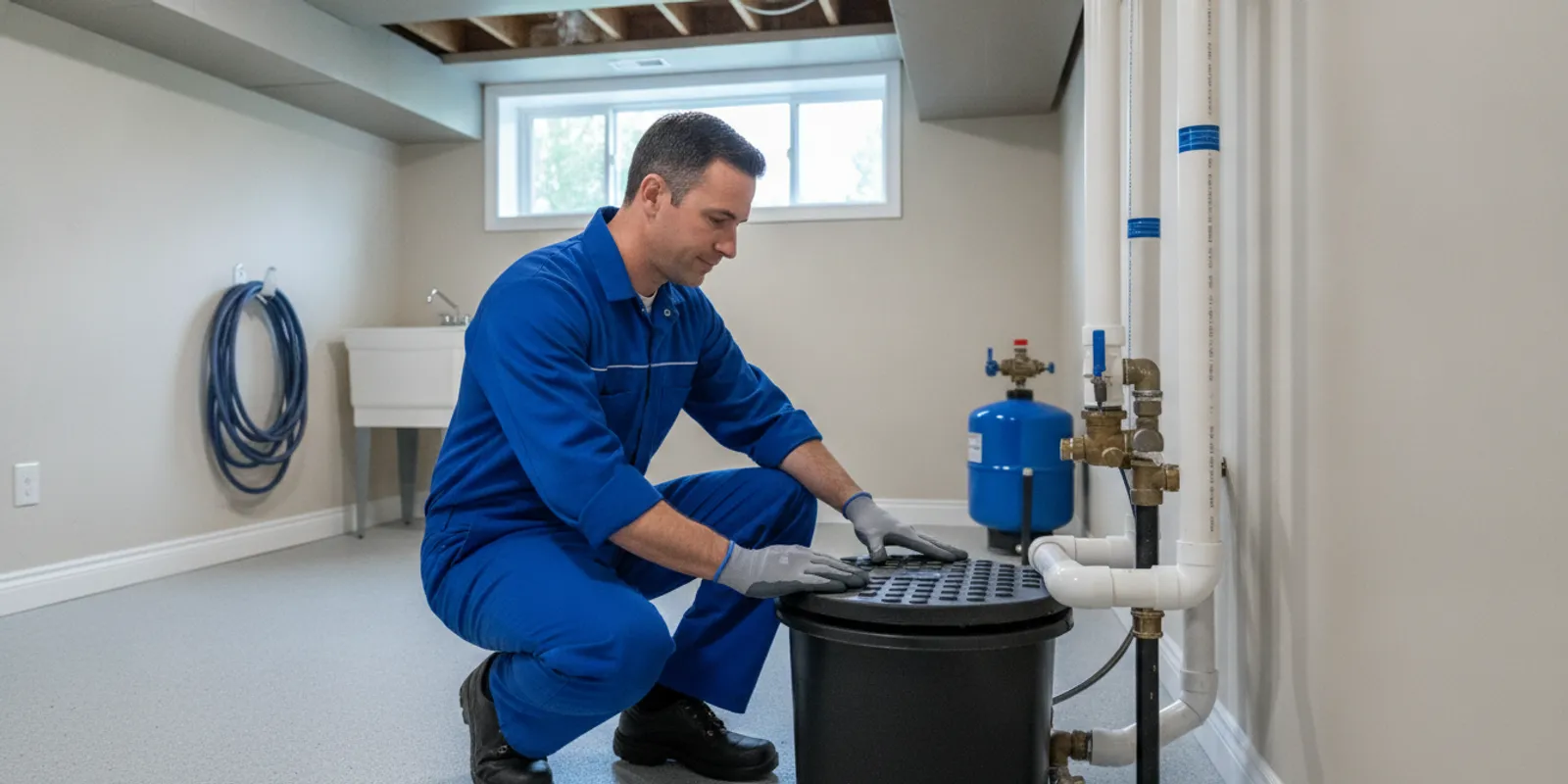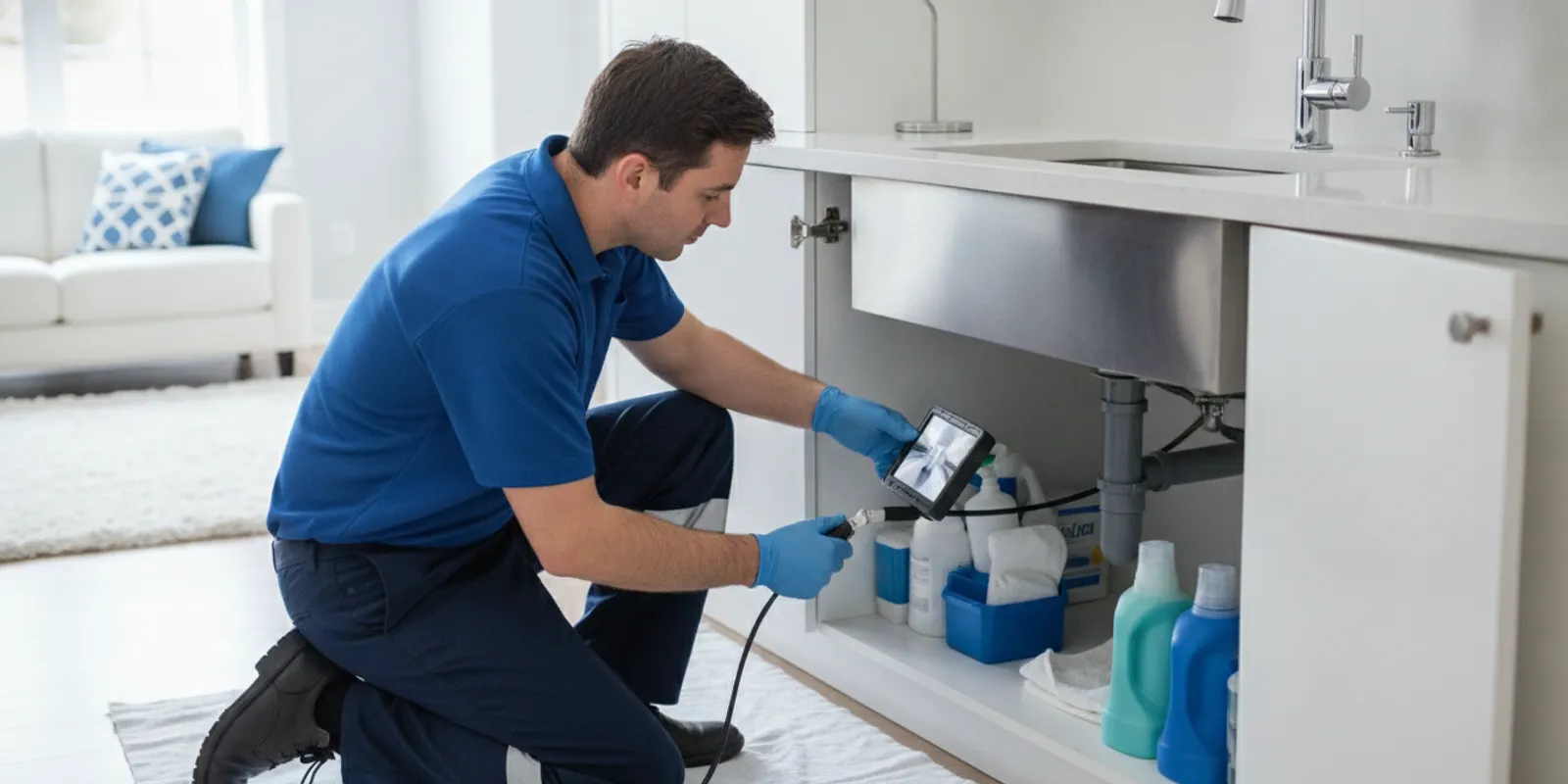


That metal tank in your basement does more than just heat water; it’s a complex appliance that requires care to perform its best. Ignoring it until a problem arises is a recipe for a cold-water crisis. By taking a proactive approach, you can extend its lifespan and improve its efficiency, saving you money in the long run. From annual maintenance to knowing the early warning signs of failure, a little knowledge goes a long way. This guide will provide actionable tips to keep your unit healthy and explain the crucial role hot water specialists play in preventative care and emergency repairs.
Key Takeaways
- Listen to your water heater: Strange noises, discolored water, or inconsistent heat are clear signs of trouble. Addressing these early symptoms helps you avoid a sudden cold shower or a much more expensive emergency repair.
- Know your limits for safety: Simple fixes like resetting a breaker are fine for homeowners, but you should always call a professional for issues involving leaks, gas lines, or internal components. Your safety is more important than a risky DIY attempt.
- Invest in preventative care: An annual professional inspection is the best way to extend your water heater’s lifespan. Simple tasks like flushing the tank and checking the anode rod protect your unit from corrosion and improve its efficiency, saving you money over time.
Signs Your Water Heater Needs Attention
Your water heater is one of those appliances that works silently in the background, until it doesn’t. When problems pop up, they can range from a minor inconvenience to a full-blown emergency. Paying attention to the early warning signs can save you from a cold shower, a flooded basement, or a surprisingly high utility bill. Think of these signs as your water heater’s way of asking for help. By learning to spot them, you can address small issues before they become costly disasters and know exactly when it’s time to call in a professional.
No Hot Water
Waking up to a cold shower is a universally frustrating experience. If you have no hot water at all, there are a couple of things you can check before making a call. For an electric water heater, head to your breaker box and see if the circuit has tripped. If you have a gas heater, check to see if the pilot light has gone out. Relighting it might solve the problem. However, if you’ve tried these simple fixes and the water is still icy, it’s time to call for help. The issue could be a faulty thermostat or a broken heating element, which are jobs best left to a licensed professional. A sudden lack of hot water can feel like a crisis, so don’t hesitate to seek emergency plumbing services.
Water Is Too Hot or Inconsistent
On the flip side, water that’s suddenly scalding hot is both a surprise and a safety risk. This usually points to a problem with the thermostat. It may be set too high, and for safety, it should never be above 120°F. If you feel comfortable, you can turn off the power to the unit, remove the access panel, and adjust the thermostat. If your water temperature is inconsistent, swinging from hot to lukewarm, it could also signal a failing heating element or significant sediment buildup. While a thermostat adjustment is a potential DIY fix, inconsistent temperatures often require a professional diagnosis to get to the root of the problem and ensure your unit is running safely and efficiently.
Strange Noises From Your Tank
Your water heater should operate almost silently. If you start hearing popping, rumbling, or whining sounds, it’s a sign that something is wrong inside the tank. These noises are typically caused by a buildup of sediment and minerals at the bottom of the tank. As the water heats, it gets trapped under the layer of sediment and boils, causing the popping sounds. This process puts a lot of stress on the tank and makes it less efficient. Flushing the tank can sometimes resolve the issue, but if the noises are loud or persistent, it’s a good idea to have a professional take a look. You can contact us to schedule an inspection and prevent long-term damage.
Leaks and Pooling Water
Finding a puddle of water around your water heater is a clear sign that you need to act fast. First, try to identify the source of the leak. It could be coming from a loose connection at the top or bottom of the tank, which you might be able to tighten with a wrench. However, if you see water seeping from the tank itself, it likely means the inner tank has rusted through or cracked. This is a serious problem that can’t be repaired and will require a full replacement. A leaking tank can lead to significant water damage, so it’s considered a plumbing emergency. Don’t wait to call for professional help if you spot a leak.
Discolored or Smelly Water
If the hot water coming from your taps is rusty, yellow, or has a metallic taste, it’s often a sign of corrosion inside your water heater tank or pipes. This could also mean the anode rod, a component that protects the tank from rust, has completely deteriorated and needs to be replaced. An even more unpleasant sign is water that smells like rotten eggs. This indicates a bacterial colony has grown inside your tank. While not typically harmful, it’s certainly not something you want to shower in. These issues often require a professional to flush the tank and replace parts like the anode rod to restore your water quality.
Low Hot Water Pressure
If you notice that the water pressure from your faucets is weak only when you turn on the hot water, the problem is likely with your water heater. Over time, sediment and mineral scale can build up not just at the bottom of the tank but also in your home’s plumbing lines, creating a blockage. This clog restricts water flow and leads to that frustratingly weak stream of hot water. Unlike a general low pressure issue that affects both hot and cold water, this specific problem points directly to your water heater system. This isn’t a simple fix, as it requires a professional to diagnose the blockage and clear it without damaging your pipes or the heater itself. A full inspection of our plumbing services can identify the cause.
DIY Fix or Call a Pro?
When your hot water goes out, your first instinct might be to try and fix it yourself. I get it, we all want to save a little money where we can. And sometimes, a simple DIY fix is all it takes to get things running again. Knowing how to handle a few common water heater problems can definitely prevent a cold shower and a call to a professional.
However, water heaters involve electricity, gas lines, and pressurized hot water, a combination that can be dangerous if you don’t know what you’re doing. The key is to understand which issues you can safely check yourself and when it’s time to put down the tools and pick up the phone. Before you get too deep into troubleshooting, here are a few simple checks you can perform and the clear signs that you need to call in an expert.
Simple Checks to Perform First
Before you panic, let’s walk through a few basic things you can check safely. Often, the solution is surprisingly simple. Is the unit getting power? For a gas heater, is the gas supply turned on? These initial steps can rule out the most obvious culprits without requiring any special tools or technical knowledge. Think of it as the first line of defense. By performing these quick inspections, you can either solve the problem in minutes or gather useful information that will help a professional diagnose the issue faster when they arrive. It’s a win-win that empowers you as a homeowner and helps streamline the repair process if one is needed.
Reset the Circuit Breaker or Pilot Light
If you have an electric water heater and no hot water, your first stop should be your home’s electrical panel. Find the circuit breaker dedicated to the water heater and check if it has tripped. If it’s in the middle or off position, flip it completely off and then back on again. For a gas water heater, the equivalent is checking the pilot light. You’ll usually find instructions for relighting it printed on the side of the tank. If you follow the steps and the pilot light won’t stay lit, stop right there. This indicates a problem with the thermocouple or gas valve, which requires professional attention.
Adjust the Thermostat
Sometimes the problem isn’t a malfunction but a simple setting issue. Your water heater’s thermostat controls the temperature of the water inside the tank. If your water is lukewarm or scalding hot, the thermostat might have been bumped or set incorrectly. For safety and energy efficiency, the recommended temperature is 120°F. To check it, you can usually turn off the power to the unit, remove a small access panel on the side of the tank, and view the dial. If it’s set too low or too high, you can adjust it. If changing the setting doesn’t solve the temperature inconsistency, the thermostat itself might be faulty and need replacing.
When to Call a Licensed Professional
While DIY checks are great for minor issues, some problems demand an expert. If you see any signs of leaking or pooling water around your unit, hear loud banging or popping noises, or notice rusty or smelly water, it’s time to call for help. These are symptoms of more serious internal problems like sediment buildup or corrosion. Most importantly, if you have a gas heater and smell gas, leave the area immediately and call your gas company, then a licensed professional. For your safety and peace of mind, let our team at Mr. Pipey handle the complex repairs with our emergency plumbing services.
Repair or Replace: How to Decide
When faced with a significant repair, you have to ask: is it worth fixing, or is it time for a new water heater? A good rule of thumb is the 50% rule. If the cost of the repair is more than half the price of a new unit, replacement is often the more sensible long-term investment. You should also consider the age of your water heater. Most tank-style heaters last about 8 to 12 years. If yours is approaching the end of its lifespan, putting a lot of money into a repair might not make sense. A new, more efficient model could also save you money on your energy bills over time. We can help you weigh the options to find the best solution for your home and budget.
What Does a Water Heater Specialist Do?
A water heater specialist is your go-to expert for everything related to your home’s hot water supply. Their job goes far beyond just fixing a leak; these trained professionals handle the entire lifecycle of your unit. Think of them as a partner in keeping your home comfortable and functional. From the moment you decide to install a new water heater, a specialist can guide you through selecting the right size and model for your family’s needs, whether it’s a traditional tank or a modern tankless system. They ensure it’s installed correctly and safely, meeting all local codes to guarantee optimal performance from day one.
Once your unit is up and running, their work continues. They are the ones you call for troubleshooting strange noises, inconsistent temperatures, or any other issue that pops up. They also perform crucial preventative maintenance to keep your system efficient and extend its lifespan, helping you avoid surprise breakdowns. And when a crisis hits, like a major leak in the middle of the night, a specialist provides the emergency services needed to protect your home from damage. Essentially, they cover every base to ensure you have reliable hot water when you need it, making them an invaluable resource for any homeowner.
Water Heater Installation
A specialist ensures your new water heater is set up for success from day one. They’ll help you choose the right unit for your family’s needs, considering factors like size, fuel source, and whether a traditional tank or a tankless model is a better fit. Professional installation is more than just connecting a few pipes; it involves making sure everything complies with local building codes and safety regulations. This proper setup is crucial for the unit’s efficiency and longevity, preventing future headaches and ensuring you get the most out of your investment. Our team handles a wide range of plumbing solutions and can guide you through the entire process.
Repairs and Troubleshooting
When you’re faced with icy showers or strange clanking noises from the basement, a water heater specialist is the person you need to call. They have the diagnostic tools and experience to pinpoint the exact cause of the problem, whether it’s a burnt-out heating element, a faulty thermostat, or a valve issue. Instead of guessing, they can accurately assess the situation and recommend the best course of action. A professional will also give you an honest opinion on whether a simple repair will do the trick or if it’s more cost-effective in the long run to consider a replacement, saving you from throwing money at a failing unit.
Routine Maintenance
The best way to avoid a water heater crisis is with regular, preventative maintenance. A specialist performs key tasks that keep your unit running smoothly and extend its lifespan. This includes flushing the tank annually to remove sediment buildup, which can cause corrosion and reduce efficiency. They also inspect the anode rod, a critical component that protects your tank from rust, and check the temperature and pressure relief valve to ensure it’s working correctly. Scheduling this kind of upkeep helps catch small issues before they become major, expensive disasters. It’s a simple step that provides peace of mind and protects your investment.
Emergency Services
Some water heater problems simply can’t wait until morning. A major leak can cause significant water damage to your home in a short amount of time, while a complete system failure leaves you without a basic necessity. This is where emergency services become essential. Reputable specialists are available 24/7 to handle urgent situations. When you have water pooling around your tank or no hot water at all, you need a rapid response. Calling for emergency plumbing ensures a qualified professional arrives quickly to contain the problem, prevent further damage, and work to restore your hot water as soon as possible.
How to Choose the Right Water Heater Specialist
Finding the right person to fix or install your water heater is a big decision. This isn’t just about getting the hot water flowing again; it’s about ensuring the job is done safely and correctly to protect your home and family. A little bit of homework now can save you from cold showers and costly headaches later. Think of the following points as your checklist for finding a true professional you can trust with this essential part of your home. By taking the time to vet your options, you can feel confident that you’re putting your home in capable hands.
Verify Licensing and Insurance
This is the first and most important step. A water heater involves a tricky combination of water, high temperatures, and either electricity or gas. You need a licensed plumber who is trained to handle all these elements safely. A license proves they have the right training and knowledge. Just as crucial is insurance. It protects you and your property in the rare case that something goes wrong during the repair or installation. Don’t be shy about asking for proof of both; a reputable company will have them ready to show you.
Check Certifications and Experience
Once you’ve confirmed they’re licensed, look into their experience. How long has the company been in business? A plumber with years of experience has likely encountered a wide range of water heater issues and knows how to diagnose problems quickly and accurately. Companies with deep roots in the community, like a family-owned business, often have a track record of reliability and a personal commitment to quality workmanship. They’ve built their reputation on trust, one successful job at a time.
Read Customer Reviews
Customer reviews are your inside look at what it’s like to work with a company. Check Google, Yelp, and other review sites to see what past clients are saying. Look for patterns in the feedback. Are customers consistently praising the plumber’s professionalism, punctuality, and clear communication? A few negative comments aren’t necessarily a deal-breaker, but a long history of positive reviews is a strong indicator of reliable service. It shows the company values its reputation and is committed to providing a great customer experience.
Ask About Warranties and Guarantees
A professional company will always stand behind its work. Before you agree to any service, ask about the warranties they offer on both their labor and the parts they use. A solid warranty gives you peace of mind that if the problem isn’t fully resolved, they will come back to make it right. Also, look for a customer satisfaction guarantee. This is a sign that the company prioritizes your happiness and is dedicated to providing high-quality plumbing services that last.
Compare Pricing and Promotions
It’s always a good idea to get a few quotes, but remember that the cheapest option isn’t always the best one. A suspiciously low bid could be a red flag for an inexperienced technician or low-quality parts. Instead of focusing only on the final number, ask for a detailed, written estimate that breaks down the cost of labor and materials. This transparency helps you avoid hidden fees and ensures you know exactly what you’re paying for. When you’re ready for a clear and fair estimate, contact a professional to discuss your needs.
What to Expect When the Specialist Arrives
Knowing what happens during a service call can make the whole process feel much smoother. When you call a professional, you’re inviting someone into your home, and you deserve to feel comfortable and informed from start to finish. A true specialist will not only fix the problem but also communicate clearly with you every step of the way.
The Professional Inspection Process
When a licensed plumber arrives, their first step is to perform a complete and thorough inspection of your water heater. These specialists are trained to handle all parts of the unit, including the electrical wiring, gas lines, pipes, and heating elements. They’ll methodically troubleshoot the issue, whether it’s a strange noise or a total lack of hot water, to pinpoint the exact cause. Once they’ve diagnosed the problem, they will explain their findings and help you decide on the next steps. This includes advising whether a repair is the best route or if it’s time to consider a replacement, ensuring you have all the information on our expert plumbing solutions to make the right choice for your home and budget.
Questions to Ask Before Work Begins
Before any work starts, you should feel completely confident in the plan. This is your chance to ask questions and get the clarity you need. A true professional will welcome your questions and provide straightforward answers.
Here are a few key things to ask:
- What did you find during the inspection?
- What are my options for fixing this?
- Do you recommend a repair or a replacement, and why?
- Could you provide a detailed, written estimate for each option?
- How long will the work take to complete?
Getting answers to these questions ensures there are no surprises. It empowers you to make an informed decision and move forward with a solution you feel good about. If you ever have questions before a visit, feel free to contact us directly.
How to Make Your Water Heater Last Longer
A water heater is one of those appliances you don’t think about until it stops working. But with a little proactive care, you can extend its lifespan by years, saving you money and the headache of an unexpected cold shower. Instead of waiting for a problem, you can take a few simple steps to keep your water heater running efficiently. These maintenance tasks protect your investment and ensure you have reliable hot water when you need it.
Flush the Tank Annually
Over time, minerals like calcium and magnesium settle at the bottom of your water heater tank, creating a layer of sediment. This buildup forces your heater to work harder to warm the water, reducing its efficiency and potentially causing the tank to overheat and fail. Flushing your water heater once a year is the best way to clear out this gunk. While some homeowners tackle this themselves, it can be a messy job. A professional can handle the flush quickly and ensure it’s done correctly, preventing any accidental damage.
Inspect and Replace the Anode Rod
Inside your water heater tank is a hidden hero: the anode rod. This metal rod is designed to corrode so your tank doesn’t have to. It essentially sacrifices itself to prevent rust from eating away at the steel liner. Anode rods typically last three to five years, but this can vary based on your water quality. A professional should inspect the anode rod during routine maintenance and replace it when it’s nearly worn out. This simple replacement is one of the most cost-effective ways to prevent a catastrophic tank leak.
Upgrade to an Energy-Efficient Model
If your water heater is over a decade old, it might be time to consider an upgrade. Traditional tank heaters last about 10 to 15 years, while modern tankless models can last 20 years or more. Upgrading to an energy-efficient unit not only gives you a longer lifespan but also lowers your monthly utility bills. Tankless heaters provide hot water on demand, so you aren’t paying to keep a large tank of water hot 24/7. Our team can help you explore all the plumbing solutions available and find the perfect fit for your home and budget.
Schedule Routine Professional Inspections
The easiest way to make your water heater last longer is to let a professional keep an eye on it. Scheduling an annual inspection ensures that small issues are caught before they turn into major problems. During a check-up, a specialist will test the pressure relief valve, check for corrosion, inspect the anode rod, and look for any signs of a potential leak. This preventative approach helps you avoid the stress and expense of a sudden breakdown and the need for emergency plumbing services. Think of it as a small investment for long-term peace of mind.
Related Articles
- 6 Signs You Need Water Heater Repair Now
- When to Call a Plumber for Water Heater Repair
- Water Heater Installation: A Step-by-Step Guide
Frequently Asked Questions
My water heater is making popping sounds. Is this an emergency? While it’s not usually a drop-everything emergency, those popping or rumbling noises are a serious warning sign. The sound is caused by sediment buildup at the bottom of your tank, which forces the unit to work much harder and can eventually lead to damage. It’s your water heater’s way of telling you it needs a professional cleaning and inspection. Ignoring it can shorten the appliance’s life and increase your energy bills, so it’s best to schedule a service call soon.
How can I tell if I need to repair my water heater or just replace it? This is a common dilemma, and it often comes down to two factors: age and cost. Most traditional water heaters last about 8 to 12 years. If your unit is approaching that age, investing in a major repair might not be the best use of your money. A good guideline is the 50% rule: if a repair costs more than half the price of a new unit, replacement is usually the smarter long-term choice. A professional can give you a clear estimate and help you weigh the benefits of a new, more efficient model.
How often should I have my water heater professionally inspected? For most homes, scheduling a professional inspection once a year is a great practice. During this visit, a specialist can perform key maintenance tasks like flushing the tank to remove sediment, checking the anode rod for corrosion, and testing the pressure relief valve. This regular check-up is the best way to catch small issues before they become big, expensive problems, helping your water heater run efficiently for as long as possible.
What’s the first thing I should do if I have no hot water? Before you pick up the phone, there are two simple things you can safely check. If you have an electric water heater, go to your breaker box and see if the circuit has tripped. If it has, flip it off and then back on. For a gas heater, check to see if the pilot light has gone out. If these quick fixes don’t solve the problem, it’s time to call a professional, as the issue is likely a faulty part that requires an expert.
Is a small leak around my water heater a big deal? Yes, any leak, no matter how small, should be taken seriously. While it could be a simple fix like a loose connection, it could also be a sign that the inner tank has rusted through and is starting to fail. A failing tank cannot be repaired and will eventually lead to a major flood. Turn off the water supply to the unit if you can, and call for emergency service right away to prevent significant water damage to your home.