
You flip the switch for your garbage disposal and listen. Is there a low, frustrated hum? Or is there just complete, unnerving silence? The sound your disposal makes, or doesn’t make, is the biggest clue to solving the problem. Figuring out why your garbage disposal is not working after a power outage is a process of elimination, and the first step is to interpret these signs. A humming noise points to a jam, while silence usually indicates an electrical issue. This guide will help you become a detective in your own kitchen, diagnosing the symptoms to find the root cause and the right solution.
Key Takeaways
- Check the resets first: Your disposal’s silence after a power outage is often a tripped safety feature, not a broken unit. Before doing anything else, reset the circuit breaker, the GFCI outlet under the sink, and the small reset button on the disposal itself.
- Identify the problem by sound: The noise your disposal makes is your best clue for what to do next. A low humming sound indicates a physical jam blocking the blades, while complete silence points to an electrical issue where the unit isn’t getting power.
- Know when to call a professional: For safety and to prevent more damage, some problems require an expert. Contact a plumber if the reset button keeps tripping, you find leaks or smell something burning, or your unit is over a decade old and has frequent issues.
Why Did My Garbage Disposal Stop Working After a Power Outage?
The lights are back on, but now your garbage disposal is completely silent. It’s a common and frustrating problem, but don’t worry. More often than not, the issue isn’t a broken disposal but a tripped safety feature. Power outages and the surges that can follow often cause your home’s electrical system or the disposal itself to shut down to prevent damage. Let’s walk through the most common reasons your disposal isn’t working and what you can do about it. If these simple fixes don’t work, our team at Mr. Pipey is always ready to provide emergency plumbing services across Metro Detroit.
Your circuit breaker tripped
One of the first places to check is your home’s electrical panel. A sudden power outage or surge can easily trip a circuit breaker, cutting off electricity to your garbage disposal. Think of it as your home’s electrical system protecting your appliances from damage. Head to your breaker box and look for a switch that is in the middle or “off” position. To fix it, you’ll need to flip the switch completely to the “off” side and then firmly back to the “on” position. This simple reset should restore power to the outlet and get your disposal ready to use again.
The GFCI outlet needs a reset
Many kitchens have special safety outlets called GFCI (Ground Fault Circuit Interrupter) outlets, especially around sinks. You can spot them by the “Test” and “Reset” buttons located on the faceplate. These outlets are designed to shut off power instantly if they detect a change in the electrical current, protecting you from shock. A power surge can easily trip a GFCI. Look under your sink for the outlet your disposal is plugged into. If it has those two little buttons, press the “Reset” button firmly. You might hear a click, and this simple action could be all it takes to get things running again.
Its motor overheated
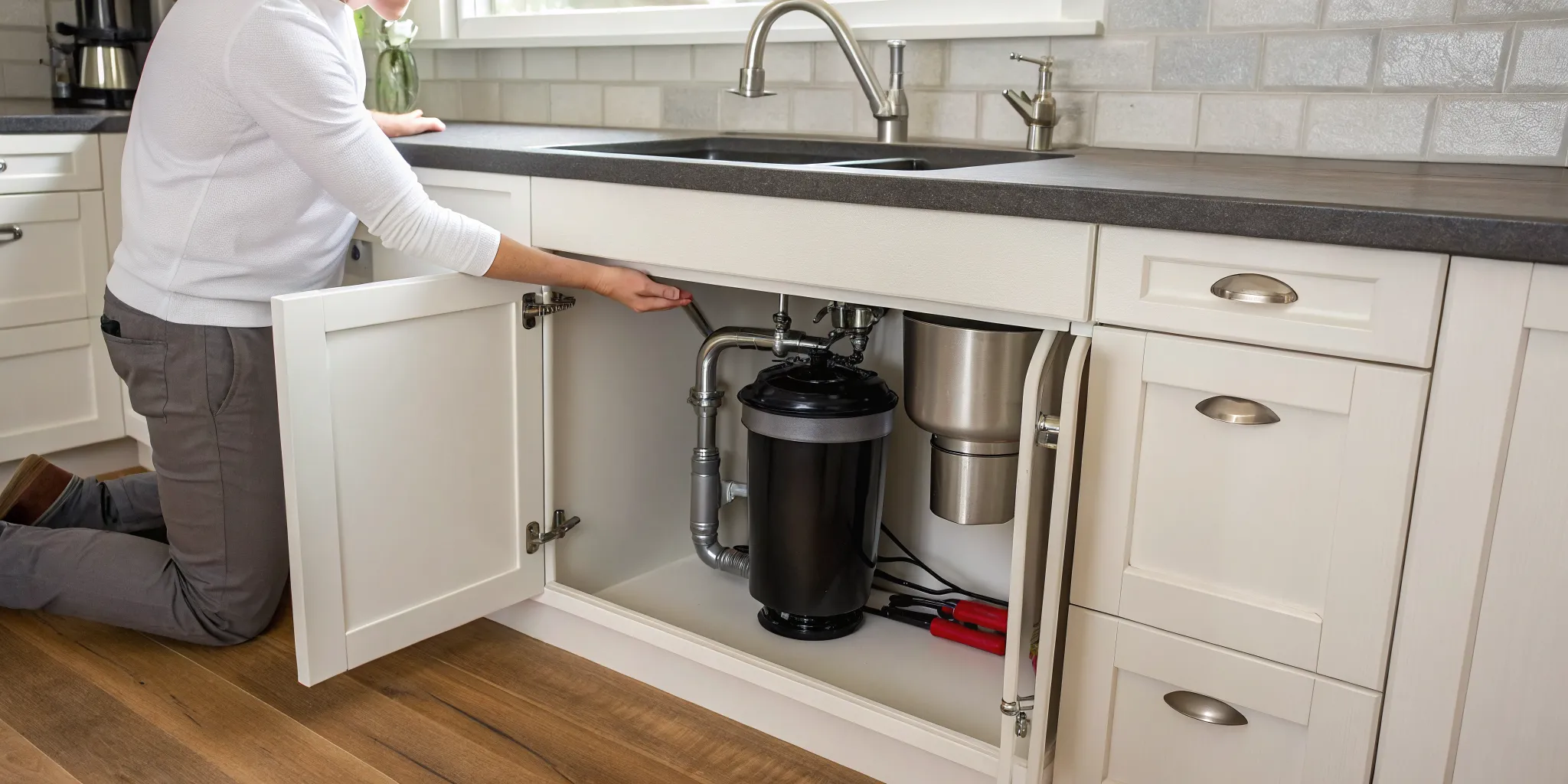
Your garbage disposal has its own personal safety switch. It’s a small, usually red or black, reset button located on the bottom of the unit itself. This button is an overload protector that pops out when the motor gets too hot or works too hard, which can happen during a power fluctuation. Before you do anything, make sure the disposal switch is off. Then, feel around on the underside of the disposal for this button. If it’s popped out, simply press it back in until it clicks. If it doesn’t stay in, give the motor about 10 minutes to cool down before trying again.
It’s jammed or the motor is faulty
If you hear a humming sound when you flip the switch, that’s a classic sign of a jam. It means the disposal is getting power, but something is physically blocking the blades from spinning. Even if you don’t hear a hum, a small, unseen jam could be the culprit. While you can sometimes clear this yourself with a hex wrench, a persistent jam might point to a bigger problem. If the reset button or circuit breaker keeps tripping after you’ve reset them, it could be a sign that the motor is wearing out. For these stubborn issues, it’s wise to contact us for professional help.
Safety First: Before You Troubleshoot
Before you roll up your sleeves and start investigating, let’s talk about safety. I know you want to get your kitchen back in working order, but these next steps are non-negotiable. They will keep you safe while you figure out what’s going on with your garbage disposal. Taking a few minutes to prepare properly is the most important part of any DIY fix and can prevent serious accidents or injuries.
Disconnect the power
First things first, you absolutely must turn off the power to your garbage disposal at the source. Go to your home’s circuit breaker box and flip the switch that controls the disposal. This is the only way to be certain the unit won’t accidentally turn on while you’re working on it, preventing any risk of electric shock or injury. If your breakers aren’t labeled, you may need to do some testing to find the right one. When it comes to electricity, you can never be too careful. If you feel unsure about your home’s electrical system, it’s always best to call for emergency plumbing assistance.
Keep your hands out of the disposal
This might seem obvious, but it’s a rule worth repeating: never, ever put your hands or fingers down the drain into the disposal unit. Even with the power completely disconnected, the grinding components are sharp and can easily cause a serious cut. Always use a flashlight to look inside the chamber first. If you need to retrieve something, use tongs or pliers, not your fingers. Making sure the wall switch for the disposal is also in the “off” position provides another layer of safety before you even begin your inspection. Your well-being is the top priority, and some fixes are simply best left to the pros at Mr. Pipey.
Grab the right tools: a flashlight, hex wrench, and gloves
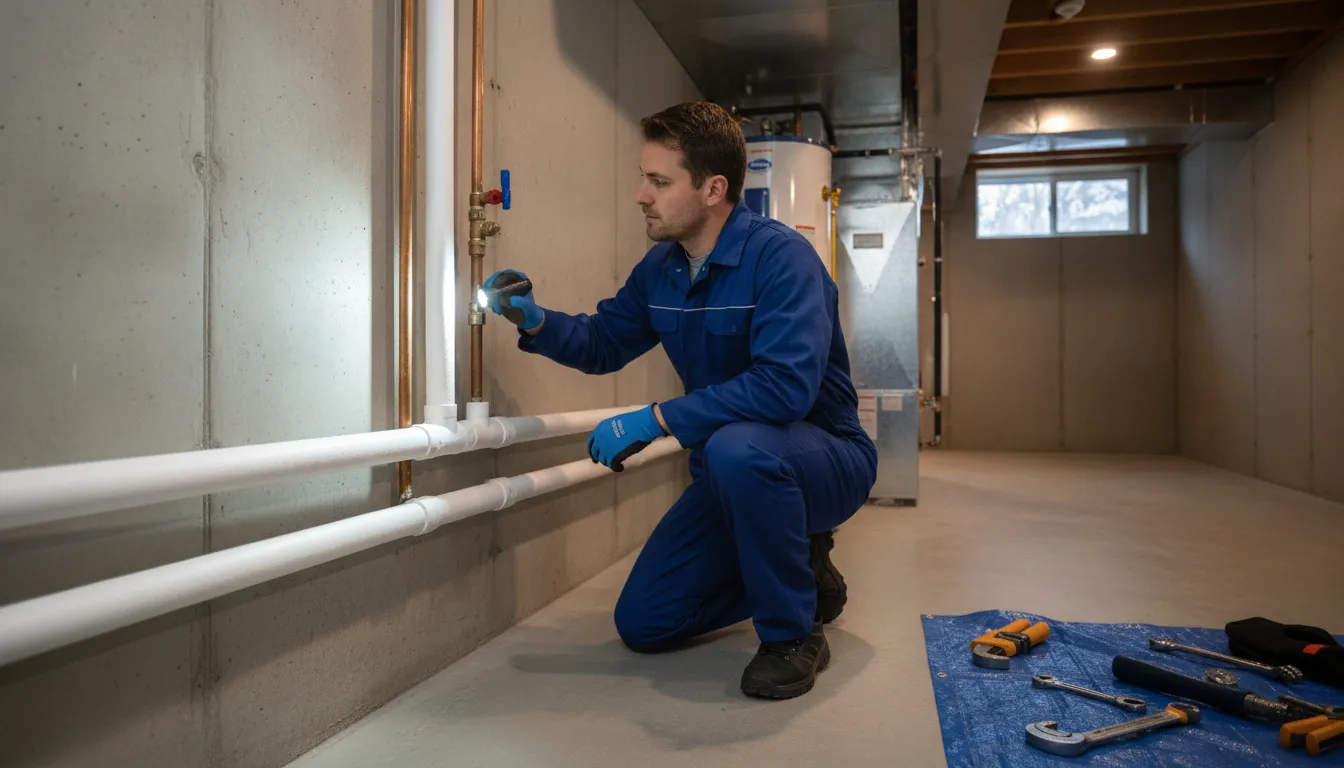
Now that the area is safe, let’s gather a few simple tools to help you diagnose the problem without any guesswork. You will need a flashlight, a hex wrench (also called an Allen key), and a pair of sturdy gloves. The flashlight will help you peer down into the disposal chamber to look for visible blockages from a safe distance. The hex wrench is a special tool, often included with your disposal, that fits into a slot on the very bottom of the unit. It allows you to turn the blades manually from the outside to clear a jam. If you can’t find yours, they are standard at any hardware store.
How to Get Your Garbage Disposal Working Again
Alright, let’s get your kitchen back in working order. When your garbage disposal suddenly quits, especially after a power outage, it’s usually due to a simple electrical reset or a minor jam. It’s one of those home repairs that feels intimidating but is often surprisingly easy to fix yourself. We’ll walk through the process step-by-step, from the easiest fixes to the slightly more hands-on ones. Before you know it, you’ll have checked all the boxes and hopefully have a running disposal.
Remember to follow these steps in order, as they start with the simplest solutions. If you try these fixes and still have trouble, it might be time for a professional diagnosis. Our team is always ready to handle any plumbing services you might need, from simple repairs to full replacements.
Step 1: Reset the circuit breaker
First things first, let’s check your home’s main electrical panel. A power surge can easily trip a breaker, cutting power to your disposal. Find your breaker box and look for the switch labeled for your kitchen or garbage disposal. Sometimes, a tripped breaker isn’t fully in the “OFF” position; it might be stuck in the middle. To reset it properly, flip the switch completely to the “OFF” position, wait a second, and then push it firmly back to “ON.” This simple flip is often all it takes to restore power.
Step 2: Reset the GFCI outlet
If the breaker wasn’t the issue, the next stop is the GFCI outlet. This is a special safety outlet, usually found under the sink or on a nearby wall, designed to protect you from electrical shocks in wet areas. You can spot it by the “TEST” and “RESET” buttons located between the two sockets. A power flicker can cause this outlet to trip. Simply press the “RESET” button firmly. You might hear a small click, which means it has been successfully reset. Now, try flipping the disposal switch again.
Step 3: Check the wall switch
This might sound obvious, but it’s a step worth checking. Make sure the wall switch that controls your garbage disposal is flipped to the “ON” position. Sometimes it can get knocked off by accident. If you flip the switch and hear a faint click or a low hum but the disposal doesn’t start, the switch itself could be faulty. But if you hear nothing at all, it confirms there’s no power getting to the unit, so we’ll continue troubleshooting the power source in the next steps.
Step 4: Push the disposal’s reset button
Many people don’t realize that the garbage disposal unit has its own reset button. Before you do anything, make sure the wall switch is OFF. Then, look under your sink at the disposal unit itself. On the bottom or side of the canister, you should find a small red or black button. This is the overload protector. If the motor overheated or got jammed, this button will pop out. Press it firmly until it clicks and stays in. This resets the motor, and you can now try turning the wall switch back on.
Step 5: Clear a jam manually
If the reset button doesn’t stay in or if you hear a humming sound when you turn the disposal on, you likely have a jam. First, ensure the power is completely off at the wall switch and the breaker. Never put your hands inside the disposal. Most units come with a small hex wrench (also called an Allen key) for this exact situation. Find the small hexagonal hole on the very bottom of the disposal unit. Insert the wrench and turn it back and forth to manually move the blades and dislodge whatever is stuck.
Step 6: Let the motor cool down
If you’ve tried resetting the disposal and the button keeps popping out, the motor might be overheated. This is a built-in safety feature to prevent it from burning out. Turn the unit off and give it about 15-20 minutes to cool down completely. Don’t keep pressing the reset button during this time. An overheated motor can be caused by running the disposal for too long or trying to grind up a tough jam. Once it has had time to cool, try pressing the reset button one more time.
Step 7: Test the outlet
If you’ve gone through all the reset options and nothing has worked, let’s make sure the outlet itself is providing power. Unplug the garbage disposal from the GFCI outlet under the sink. Then, plug in a small appliance you know works, like a nightlight or a phone charger. If that device doesn’t turn on, the problem is with the outlet, not your disposal. If the device does turn on, the outlet is fine, and the issue lies within the disposal unit itself, which may require professional repair.
Is It a Jam or an Electrical Problem?
When your garbage disposal quits after a power outage, it’s tough to know where to start. Is it a simple fix, or is something more serious going on? The key is to pay close attention to the clues your disposal gives you. What you hear, or don’t hear, when you flip the switch is the best indicator of whether you’re dealing with a physical blockage or an electrical fault. Listening closely will help you figure out your next steps and decide if it’s a DIY job or time to call a pro.
Signs of a jam: humming noises and popped resets
If you flip the switch and hear a low humming or buzzing sound, it’s a classic sign of a jam. Think of the hum as a good thing; it means your disposal is receiving power and the motor is trying to work. The problem is that something, like a fruit pit or a piece of silverware, is physically blocking the blades from spinning. Another clue is a reset button that keeps popping out. If you press it and it immediately trips again, the motor is likely overheating because it’s straining against the jam. It’s best not to keep pressing it, as this can damage the motor. If you’ve tried to clear the jam without success, you may need professional emergency plumbing help.
Signs of an electrical issue: silence, tripped breakers, or burning smells
On the other hand, complete silence when you flip the switch usually points to an electrical problem. If there’s no hum and no sound at all, the unit isn’t getting any power. This could be due to a tripped breaker that won’t reset, a faulty GFCI outlet, or an issue with the switch itself. A more serious sign is a faint burning smell coming from the unit or the wall switch, which indicates an electrical short or failing motor. If the breaker or the disposal’s reset button trips repeatedly without any sign of a jam, it could mean the motor is worn out. These issues go beyond a simple clog and often require professional plumbing solutions to ensure a safe and reliable fix.
Still No Power? What to Do Next
If you’ve gone through all the troubleshooting steps and your garbage disposal is still silent, it’s time to take a step back and look at the bigger picture. At this point, the problem is likely more than a simple jam or a tripped breaker. It could be a sign of a more serious internal failure, an electrical issue within the unit itself, or simply that your disposal has reached the end of its useful life. Don’t worry, this doesn’t mean you’ve failed; it just means you’ve successfully diagnosed that the problem requires a different approach. Before you spend any more time trying to fix it, let’s assess the unit’s overall health to decide on the most practical and cost-effective next step.
Check for leaks, odors, or damage
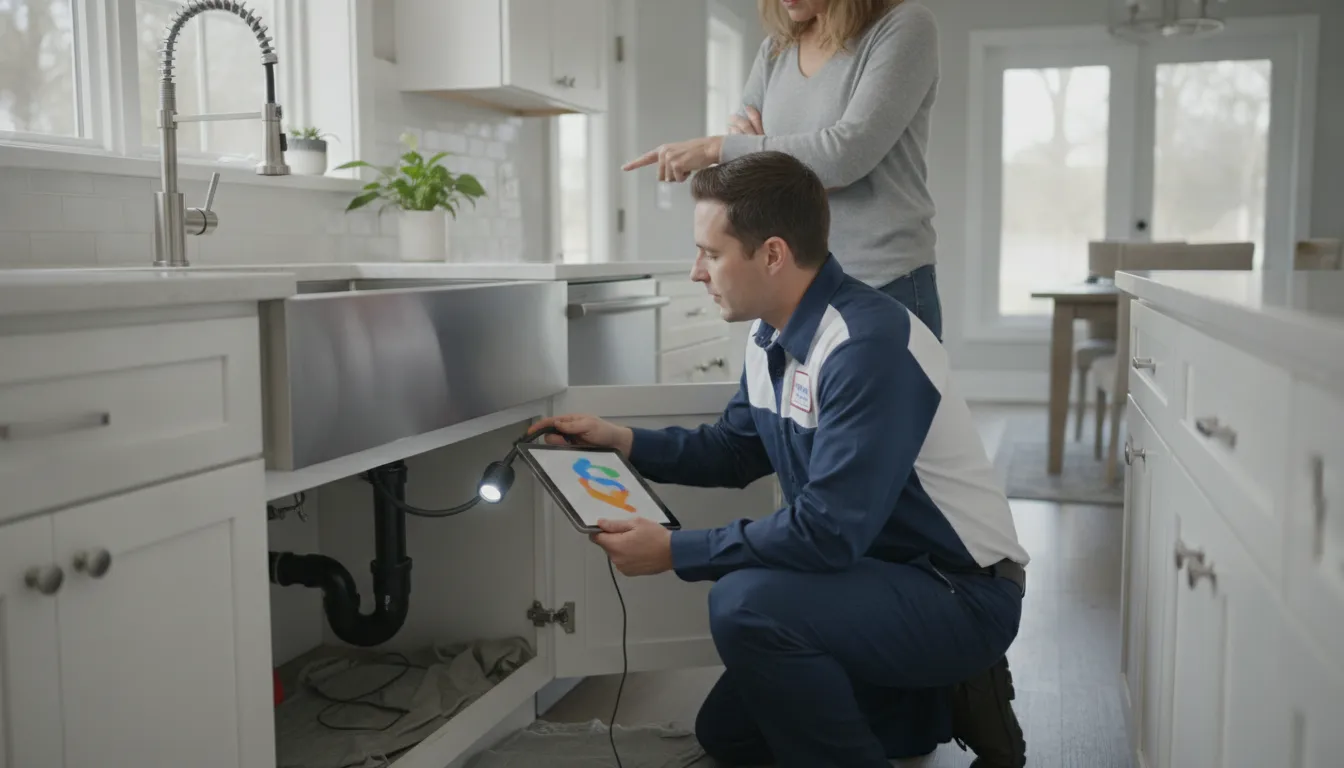
Take a moment to inspect the area around and under your garbage disposal. Use a flashlight to look for any signs of water leaks, which could indicate a cracked housing or a failed seal. Do you notice any strange smells, like burning plastic or a persistent sewer odor? A burning smell is a serious red flag for an electrical problem. If the reset button or circuit breaker trips immediately after you reset it, this often points to a failing motor or a short circuit. These are issues that go beyond a simple DIY fix and can pose a safety risk. If you spot any of these signs, it’s best to stop troubleshooting and consider calling in a professional for emergency plumbing help.
Evaluate your disposal’s age and condition
Now, consider how old your garbage disposal is. Most units have a lifespan of about 8 to 12 years. If your disposal is getting up there in age, is visibly rusty, or has been giving you frequent trouble, investing in another repair might not be the most sensible option. Pouring money into an old appliance can be a frustrating cycle. A full replacement might be more cost-effective in the long run. Newer models are often much quieter, more energy-efficient, and better at grinding food waste. If you’re unsure whether to repair or replace, we can help you assess the situation and find a solution that fits your home and budget. You can contact us for an honest evaluation.
When to Call a Plumber for Your Garbage Disposal
You’ve tried all the troubleshooting steps, but your garbage disposal is still giving you the silent treatment. While it’s great to be handy, some plumbing problems are best left to the professionals. Pushing a faulty appliance too far can lead to bigger, more expensive damage, or even become a safety hazard. Knowing when to put down the hex wrench and pick up the phone is key. If you’re seeing any of the following signs, it’s a clear signal that you need an expert to take a look. A professional plumber can quickly diagnose the root cause and prevent a minor inconvenience from turning into a major headache.
The reset button keeps tripping
Think of the reset button as your disposal’s built-in safety guard. If it pops out, it’s because it detected a problem, like an overload or a jam. While pressing it once might solve the issue, a button that repeatedly trips is a red flag. This indicates a more serious underlying problem that won’t go away on its own. It could be a persistent clog, an electrical short in the unit, or a sign that the motor is failing. Continuously forcing the reset can worsen the electrical issue or damage the motor. Instead of getting stuck in a frustrating loop, it’s time to call for emergency plumbing services to safely identify and fix the real problem.
It hums but won’t spin
A humming sound is a classic sign of a garbage disposal in distress. The good news is that the unit is getting power. The bad news is that the motor is stuck and can’t spin the blades. This is usually caused by a very stubborn jam that you can’t clear with a wrench or pliers. Forcing it can cause the motor to overheat and burn out completely, turning a repair job into a full replacement. A professional has specialized tools and the experience to dislodge tough obstructions without damaging the unit. If the motor has seized, they can accurately diagnose the issue and let you know if a repair is possible or if a replacement is the better option.
You see leaks or signs of electrical damage
This is where a DIY project becomes a serious safety risk. If you notice water dripping from the bottom of your disposal or pooling in the cabinet below, stop immediately. Leaks can mean a seal has failed or the housing has cracked. When you combine water with electricity, you have a recipe for disaster. You should also be on high alert for any signs of electrical damage, like a burning smell, scorch marks near the outlet or switch, or frayed wiring. These are not issues to tackle on your own. A licensed plumber can safely handle these hazards, inspect your entire plumbing system, and make the necessary repairs to prevent water damage and protect your family from electrical shock.
Your unit is over 10 years old
Like any hardworking appliance, your garbage disposal has a limited lifespan, typically around 8 to 12 years. If your unit is getting on in years, you might notice it becoming louder, clogging more frequently, or struggling to grind food it once handled easily. While you can sometimes make small repairs, you may find yourself spending more time and money fixing an outdated machine. At this point, investing in a replacement is often the more cost-effective choice. A new disposal will be more powerful, efficient, and reliable. A professional can help you assess the condition of your old unit and recommend a modern replacement that fits your needs and budget.
Get expert help from Mr. Pipey in Metro Detroit
If you’re in the Metro Detroit area and your garbage disposal is giving you trouble, you don’t have to figure it out alone. At Mr. Pipey, we treat every customer like family, offering honest advice and reliable solutions for all your plumbing needs. Whether you have a stubborn jam, a mysterious leak, or an electrical issue, our experienced technicians can diagnose the problem quickly and get your kitchen back in working order. As a family-owned business, we stand by our 100% satisfaction guarantee. Don’t let a faulty appliance disrupt your day. Contact us for fast, friendly, and effective plumbing service you can trust.
Related Articles
- Garbage Disposal Repair: Your DIY Fix-It Guide
- Garbage Disposal Not Working? 5 Easy Fixes to Try
- How to Fix a Humming Garbage Disposal Fast
Frequently Asked Questions
Why does a power outage cause my garbage disposal to stop working? A power outage itself doesn’t usually harm your disposal, but the power surge that can happen when electricity is restored is often the culprit. To protect themselves from this sudden jolt of electricity, your home’s circuit breaker, the GFCI outlet, or the disposal’s own internal motor protector will trip. Think of it as a built-in safety feature that shuts the unit down to prevent permanent damage to the motor.
I hear a humming sound when I flip the switch. What does that mean? A humming sound is actually a good clue. It tells you that the disposal is receiving electricity, so the problem isn’t a tripped breaker or a faulty outlet. Instead, the humming means the motor is trying to work, but something is physically stuck in the grinding chamber, preventing the blades from spinning. You should immediately turn the disposal off to prevent the motor from burning out and then follow the steps to manually clear a jam.
I can’t find the reset button you mentioned. Are you sure my disposal has one? Nearly all modern garbage disposals have one. It’s a small, square or round button, usually red or black, located on the very bottom of the main unit canister under your sink. You may need to get low and feel around for it, as it’s not always in plain sight. If it has popped out, it will stick out about a quarter of an inch. If you still can’t find it, a quick search for your disposal’s brand and model online should show you its exact location.
Is it safe to pour a chemical drain cleaner down the disposal to fix a jam? Please don’t do this. Chemical drain cleaners are designed to dissolve organic clogs like hair and grease in pipes, not to break down solid objects like a fruit pit or bone fragment that might be jamming your disposal. These harsh chemicals can corrode the metal and plastic parts of your unit, causing permanent damage and leaks. They also pose a safety risk if you later need to manually work on the disposal.
My disposal is over 10 years old. Is it worth repairing or should I just replace it? That’s a great question. While a simple fix is always worth trying, if your older unit requires frequent repairs, has become excessively loud, or struggles with foods it used to handle, replacement is often the more practical choice. The typical lifespan is about 8 to 12 years. Investing in a new disposal gets you a more efficient, quieter, and more powerful appliance that will likely save you money on future repair calls.