
A dripping faucet is hard to ignore, but what about the quieter signs of trouble? Things like a sudden drop in water pressure, a handle that’s tough to turn, or strange whistling sounds are your plumbing’s way of sending up a red flag. These subtle issues are often symptoms of bigger problems lurking beneath the surface, such as mineral buildup or internal corrosion. Ignoring them can lead to hidden leaks, water damage, and mold growth inside your walls or cabinets. We’ll explore these less obvious warning signs so you can catch problems early and know when it’s time to seek professional faucet repair in Novi, MI, to protect your home from costly damage.
Key Takeaways
- Pay Attention to Early Warnings: A dripping faucet, weak water flow, or a stiff handle are clear signs your faucet needs attention. Addressing these small issues early is the best way to prevent them from causing high water bills or significant water damage.
- Know When to DIY vs. Call for Help: Simple fixes like cleaning a clogged aerator or tightening a loose connection are great DIY tasks. For persistent leaks, signs of water damage, or any problem you’re not comfortable tackling, calling a professional is the smartest move.
- Prioritize Prevention and Vet Your Plumber: Extend your faucet’s life with simple maintenance, such as regular cleaning and checking for leaks. When you do need a pro, protect your home by choosing a plumber who is licensed, insured, and has a strong reputation for quality work.
Does Your Faucet Need Repair?
You probably don’t think much about your kitchen and bathroom faucets until they stop working correctly. That constant drip, weak water flow, or stiff handle can go from a minor annoyance to a major headache pretty quickly. But these little signs are often your faucet’s way of telling you it needs attention before a small issue becomes a big, expensive problem. Ignoring them can lead to high water bills, water damage, and even mold growth.
Recognizing the early warning signs is the first step to keeping your plumbing in great shape. Some problems have simple DIY solutions, while others require a professional touch to prevent further damage. Knowing the difference can save you time and money. If you notice any of the following issues with your faucets in Novi, it’s time to investigate. Don’t wait for a small leak to turn into a situation that requires emergency plumbing services; a proactive approach is always best. Let’s walk through the most common red flags.
Constant Drips or Leaks
That relentless drip, drip, drip from your faucet is more than just a sound that keeps you up at night. It’s a clear sign that something is wrong, and it’s literally money going down the drain. A single dripping faucet can waste gallons of water every day, adding a surprising amount to your water bill over time.
Most often, a constant drip is caused by a small, worn-out part inside the faucet. The usual suspects are rubber washers, O-rings, or cartridges that have degraded from age and constant use. While it might seem like a minor issue, ignoring it can lead to water staining your sink and creating a damp environment perfect for mildew. Addressing it early prevents waste and protects your fixtures.
Weak Water Pressure
If washing your hands or rinsing dishes takes forever because the water is coming out in a weak trickle, you’re dealing with low water pressure. This is one of the most frustrating faucet problems because it disrupts your daily routine. The good news is that the cause is sometimes a simple fix, like a clogged aerator (the little screen on the tip of your faucet). Mineral deposits from hard water can build up and block the flow.
However, weak pressure can also signal a more serious issue, like a cracked or broken pipe somewhere in your home’s plumbing system. If cleaning the aerator doesn’t solve the problem, it’s a good idea to have a professional look at your plumbing system to find the root cause.
Strange Noises or a Stiff Handle
Your faucet should operate smoothly and quietly. If you hear whistling, chattering, or clanking sounds when you turn the water on or off, it’s a sign of trouble. These noises can be caused by anything from a loose washer to air in your pipes. While not always an emergency, these sounds are not normal and suggest a part is failing or needs adjustment.
Similarly, a handle that has become stiff, jerky, or difficult to turn is another red flag. This often points to mineral buildup around the faucet’s internal components or a worn-out cartridge. Forcing a stiff handle can cause it to break, leading to a much bigger problem.
Puddles and Mold Around the Base
Finding a puddle of water on your countertop every time you use the sink is a problem you can’t ignore. Water pooling around the base of the faucet indicates a leak that could be causing serious damage to your countertop, the cabinet below, and even your subfloor. This moisture can also lead to the growth of mold and mildew, which poses a health risk to your family.
Sometimes, the leak comes from the handles, which might just require a new O-ring. However, if the water is seeping out from under the faucet base itself, it often means the internal seals have failed completely. In this case, the entire faucet may need to be replaced to prevent further damage.
What Causes Faucet Problems in Novi?
That dripping sound might be the most obvious sign of a faucet problem, but it’s just one of many symptoms. Faucets are hardworking fixtures, and over time, a few common issues can pop up, from weak water pressure to a handle that’s tough to turn. Understanding what’s going on inside your faucet is the first step toward finding the right fix. Most problems come down to a handful of culprits, many of which are simple results of daily wear and tear that can affect any faucet, whether it’s in your kitchen, bathroom, or utility sink.
In Novi, we see a lot of the same issues crop up in homes and businesses. Often, the problem is a small internal part that has simply worn out from constant use. Other times, the water itself is to blame, leaving behind mineral deposits that clog things up and cause corrosion. And sometimes, parts just come loose, creating slow leaks that can cause bigger problems if you don’t catch them early. We’ll look at each of these causes so you can get a better idea of what might be happening with your faucet. Knowing the source of the trouble helps you decide whether it’s a quick fix or a job that needs a professional plumber’s touch to ensure it’s done right. Getting to the root cause prevents a small annoyance from turning into a major headache.
Worn-Out Washers, O-Rings, and Cartridges
Inside your faucet, several small components work together to control the flow of water. Washers, O-rings, and cartridges are the most common parts that wear out. Leaking faucets often stem from worn O-rings or cartridges, especially in areas with heavy usage like a kitchen sink. These rubber or ceramic parts can degrade over time from the constant pressure and movement, leading to leaks that can be both annoying and costly if not addressed promptly. That steady drip, drip, drip is usually a sign that one of these small but essential pieces needs to be replaced. It’s a frequent issue, but thankfully, it’s often a straightforward toilet and faucet repair.
Mineral Buildup and Corrosion
If you live in an area with hard water, you might face some extra challenges with your plumbing. The high mineral content of hard water often leaves lime deposits on your faucets and fixtures, which can lead to corrosion and affect the functionality of your faucet. This buildup can clog the aerator, reducing water pressure, or damage the internal mechanisms, causing stiffness or leaks. Over time, corrosion can eat away at the faucet’s finish and even its metal components, leading to more significant damage. Regular cleaning helps, but once corrosion sets in, you may need professional help to restore your faucet’s function and prevent further issues.
Loose Parts and Damaged Seals
Sometimes, the problem isn’t a worn-out part but one that has simply come loose. Faucet leaks can occur not just from visible drips but also from leaks happening within your pipes or behind the drywall. Loose parts and damaged seals can contribute to these hidden leaks, making it essential to regularly check and maintain your faucet. A puddle of water at the base of the faucet or inside the cabinet below is a clear warning sign. These hidden leaks are particularly concerning because they can lead to water damage, mold growth, and structural problems if left unchecked. If you suspect a hidden leak, it’s best to call for emergency plumbing services right away.
DIY Repair or Call a Pro?
When your faucet starts acting up, it’s tempting to roll up your sleeves and tackle the problem yourself. For some minor issues, a DIY approach can be a quick and satisfying fix. But how do you know when a small annoyance is actually a sign of a bigger problem? Knowing the difference between a simple repair and a job that needs a professional touch can save you time, money, and a whole lot of frustration. Let’s walk through some common scenarios to help you decide whether to grab your toolbox or your phone.
Simple Fixes You Can Try
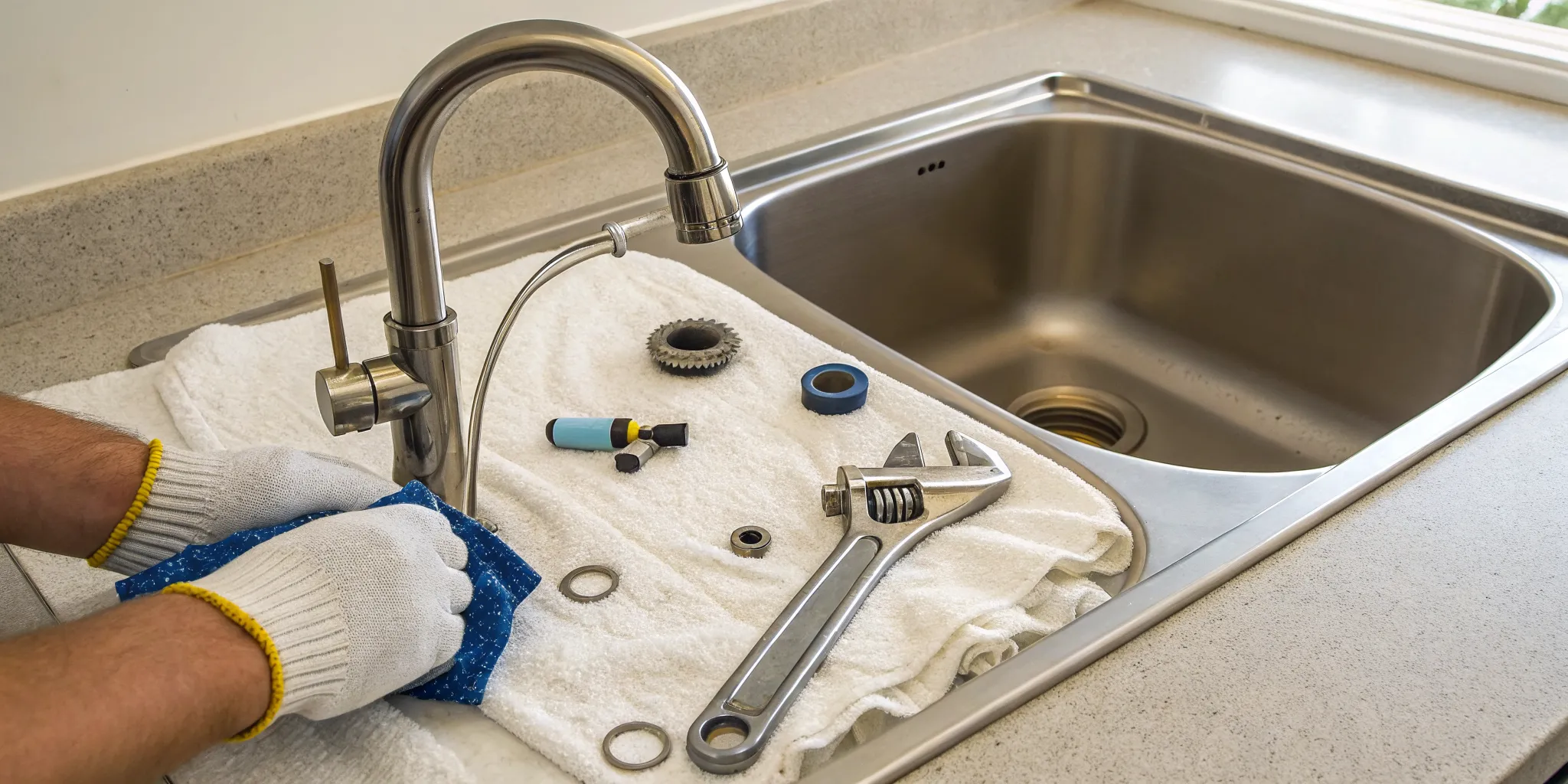
Many common faucet issues are surprisingly easy to fix on your own with just a few basic tools. If you’re feeling a little handy, starting with these simple repairs can often solve the problem without needing to call for backup. These fixes usually address the most frequent causes of drips and low pressure, and they’re a great way to get familiar with how your faucet works. Before you begin any repair, remember to turn off the water supply to the faucet using the shutoff valves located under the sink. This simple step prevents a small job from turning into a big mess.
Replace Washers and O-Rings
That constant drip, drip, drip is often caused by a worn-out washer, O-ring, or a broken cartridge inside the handle. Over time, these small rubber or plastic parts degrade from constant use and pressure, breaking the seal that holds back water. You can typically find replacement kits at your local hardware store. Just be sure to buy the right size for your specific faucet model. Swapping out these components is one of the most common and effective DIY faucet repairs.
Clean the Aerator
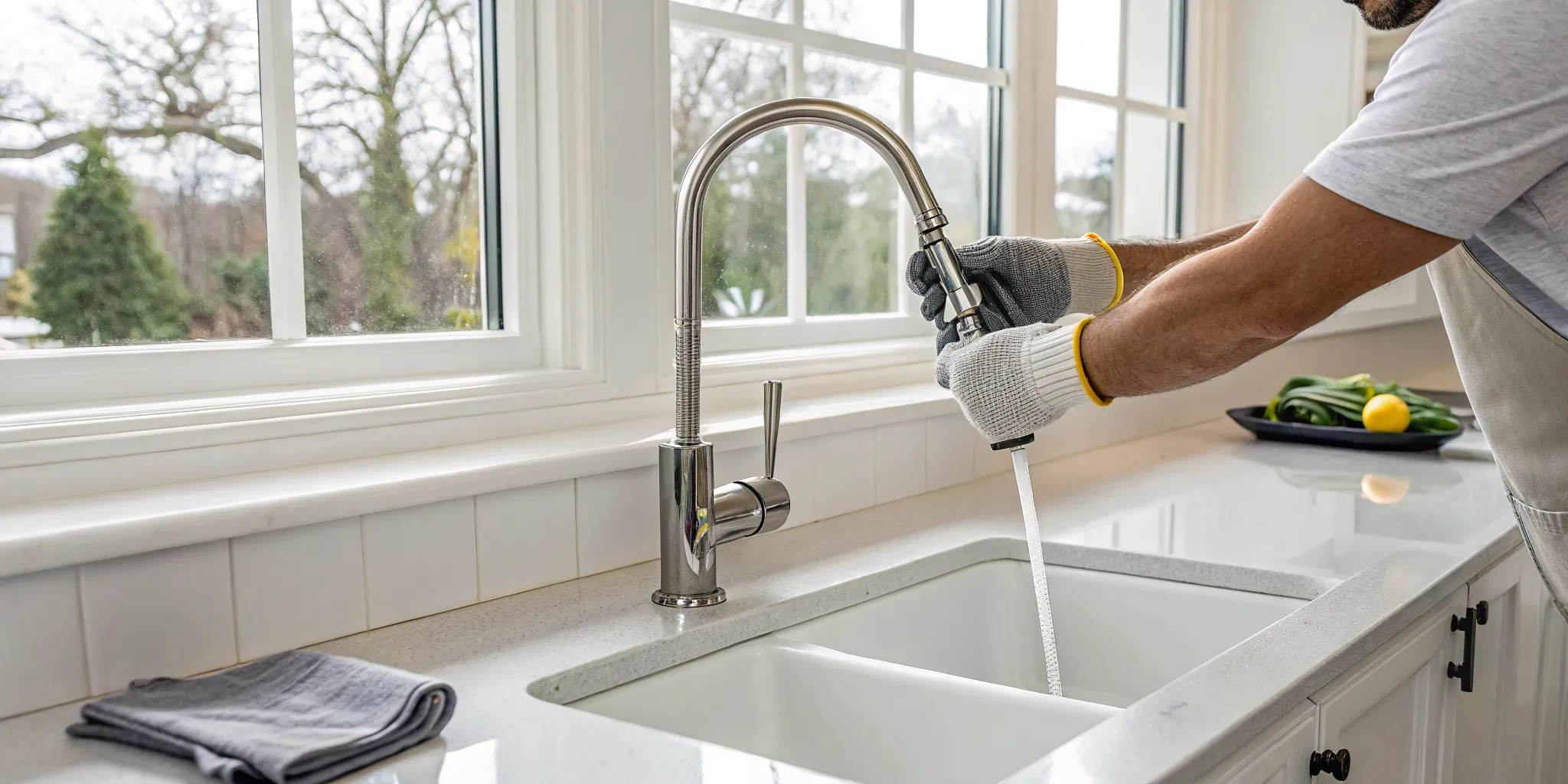
If your faucet’s water stream is weak or spraying unevenly, the culprit is likely a clogged aerator. The aerator is the small screen at the very tip of your faucet, and it can easily get blocked with mineral deposits, especially in areas with hard water. Simply unscrew the aerator, being careful not to scratch the finish. You can then soak it in vinegar overnight to dissolve the buildup and use a small brush to scrub away any remaining particles before reattaching it.
Tighten Loose Connections
Sometimes, a leak isn’t from the faucet itself but from the connections below the sink. If you see puddles in the cabinet, grab a flashlight and check the water supply lines connected to the faucet. A loose connection can often be tightened with a wrench to stop a slow leak. Just be careful not to overtighten, as this can damage the fittings. While you’re there, gently wipe down the faucet base and handles, but avoid harsh chemical cleaners that could harm the finish.
When It’s Time to Call a Plumber
If you’ve tried the simple fixes and your faucet is still leaking, or if you’re just not comfortable taking it apart, it’s time to call a professional. A persistent leak could signal a more complex issue, like a cracked valve seat or internal corrosion that requires special tools. You should also call a plumber immediately if you notice signs of significant water damage under the sink, see mold growth, or suspect a leak is hidden behind a wall. These situations can quickly escalate, and a professional can provide the right emergency plumbing services to prevent further damage to your home.
Why Businesses Need a Professional
For business owners in Novi, a malfunctioning faucet is more than just an inconvenience; it can disrupt operations and reflect poorly on your establishment. Commercial plumbing systems are built to handle heavy use, but this also means they are more complex than residential setups. Issues can arise from high water pressure, frequent use, and unique fixture types that you won’t find in a home. Instead of risking further complications or extended downtime with a DIY attempt, it’s always best to rely on a professional. A licensed plumber can quickly diagnose the problem and provide reliable, long-lasting plumbing solutions that keep your business running smoothly.
How Much Does Faucet Repair Cost in Novi?
When you’re dealing with a dripping faucet, one of the first questions that comes to mind is about the cost. You want the annoyance to stop, but you also need to know what to budget for. The final price for a faucet repair can vary, but understanding the typical costs and the factors that influence them can help you make a confident decision for your Novi home. Let’s break down what you can expect.
Average Repair Costs
Let’s talk numbers. For most homeowners, repairing a leaky faucet will cost between $125 and $426, with the national average sitting around $275. This range gives you a solid baseline for what to expect when you call a professional. Think of it as a helpful ballpark figure to keep in mind as you plan. Of course, this is just an average, and your specific situation could be a little different. A very simple fix might land on the lower end of that scale, while a more complicated issue could lean toward the higher side.
Factors That Affect Your Price
So, what causes that price to swing from one end of the range to the other? Several things can influence your final bill. The biggest factor is the nature of the problem itself. Replacing a simple, worn-out washer is a quick job, but if the faucet has internal corrosion or needs a whole new cartridge, it will require more time and more expensive parts. The number of faucets needing attention also plays a role. Naturally, fixing three leaky faucets will cost more than fixing one. Your final price tag is a combination of the plumber’s labor and the cost of any replacement parts needed to get the job done right.
The True Cost of DIY vs. Professional Repair
It can be tempting to watch a video and try to fix a faucet yourself. While a DIY approach might save you the cost of labor, it’s important to weigh the real risks. A professional plumber in Novi typically charges between $50 and $200 per hour, and most faucet repairs take less than an hour and a half. If you’re not familiar with plumbing, a “simple” DIY fix can quickly turn into multiple trips to the hardware store, buying the wrong parts, or even causing a bigger leak. A small mistake could lead to water damage or the need for an emergency plumbing call, which costs far more than the original repair. Hiring a pro gives you peace of mind, expert work, and a guarantee on the repair.
How to Choose the Right Novi Plumber
Finding a plumber you can trust shouldn’t be a shot in the dark. When you’re dealing with a leaky faucet or a more serious plumbing issue, you want to know the person you call is qualified, reliable, and fair. Taking a few minutes to vet your options can save you from headaches and extra costs down the road. Think of it as a small investment that protects your home and your wallet. By focusing on a few key areas like credentials, reputation, pricing, and availability, you can confidently hire a professional who will get the job done right the first time.
Check for Licensing and Insurance
Before you let anyone work on your home’s plumbing, make sure they are properly licensed and insured. In Michigan, it’s essential to hire a plumber who is licensed through the state. This isn’t just red tape; it’s your assurance that the plumber has met the required training and competency standards. Licensing protects you as a homeowner from shoddy work. Equally important is insurance. A fully insured plumber protects you from any liability if an accident happens on your property during the repair. Don’t be shy about asking for proof of both. A reputable company will be happy to provide it.
Look for Experience and a Good Reputation
Experience and reputation go hand in hand. A plumber with years of service in the Novi area will have a deeper understanding of common local issues, from hard water buildup to problems specific to regional construction. Choosing a plumber with a solid reputation can make a significant difference. Established companies have built their names on reliability and expertise, ensuring you receive exceptional service. Check online reviews on sites like Google and Yelp, but also consider asking neighbors for recommendations. Word-of-mouth referrals are often the most reliable indicator of quality and customer satisfaction.
Ask About Guarantees and Pricing
No one likes financial surprises, especially when it comes to home repairs. Before work begins, ask for a clear, itemized estimate. While costs can vary, understanding the plumber’s pricing structure is crucial. Some charge a flat rate for specific jobs, while others bill by the hour. It’s also wise to ask about any guarantees they offer. At Mr. Pipey, we stand behind our work with a 100% customer satisfaction guarantee, giving you peace of mind that the job will be done to your standards. A company that guarantees its work is confident in its ability to deliver quality results.
Consider Their Availability for Emergencies
Plumbing problems don’t always happen during business hours. A slow drip can quickly become a gushing leak in the middle of the night or on a holiday weekend. That’s why it’s important to choose a plumber who offers 24/7 service. Knowing you have a reliable professional to call ensures that urgent issues can be addressed promptly, preventing water damage and more extensive repairs. When you’re vetting plumbers, make sure to ask about their availability for emergency plumbing calls. Having that number saved in your phone can be a real lifesaver when you need it most.
Make Your Faucets Last Longer
Your faucets work hard every day, and with a little care, you can keep them running smoothly for years. Proactive maintenance helps you avoid the surprise of a sudden leak or a faucet that just won’t turn on. Think of it as a small investment of your time that pays off by preventing bigger, more expensive headaches down the road. These simple habits will help you extend the life of your fixtures and keep your water flowing just right. Taking these steps can prevent the need for an emergency plumbing call later on.
Address Leaks and Drips Early
That constant drip, drip, drip from a leaky faucet isn’t just a minor annoyance; it’s a clear signal that something is wrong. Ignoring it can lead to water waste, higher utility bills, and even water damage over time. Often, the culprit is a small, worn-out part inside the faucet, like a broken cartridge or a degraded washer. Catching these issues early is key. A quick inspection and a simple repair can stop a small drip from turning into a major problem. If you notice a leak, it’s always best to address it right away before it gets worse.
Clean Aerators and Manage Hard Water
If you’ve noticed sputtering water or reduced pressure, a clogged aerator might be to blame. The aerator is the small screen at the tip of your faucet that mixes air with water. Over time, it can get clogged with mineral deposits, especially in areas with hard water. You can often unscrew the aerator and soak it in vinegar to dissolve the buildup. Hard water can also leave stubborn lime deposits on your fixtures. Regularly wiping your faucets with a soft cloth and a mild cleaner helps maintain their finish and function, preventing corrosion and keeping them looking great.
Schedule Regular Plumbing Maintenance
One of the best ways to prevent faucet problems is to catch them before they start. Making a habit of periodically checking under your sinks and around the base of your faucets for any signs of moisture can save you a lot of trouble. A simple visual inspection doesn’t take long and is your first line of defense against hidden leaks. For more comprehensive care, consider scheduling a professional plumbing check-up. A plumber can spot potential issues you might miss, from worn-out parts to early signs of corrosion, ensuring all your plumbing services are in top shape.
Related Articles
- Shut Off Valve Under Sink: A Complete DIY Guide
- DIY Pipe Leak Repair: Your Step-by-Step Guide
- 7 Signs You Need an Emergency Plumber Now
- How to Repair an Instant Water Heater: A DIY Guide
- 6 Signs You Need Water Heater Repair Now
Frequently Asked Questions
How do I know if my faucet needs a repair or a full replacement? A repair is often the best choice if the problem is a small, worn-out part like a washer or cartridge in an otherwise good faucet. However, if your faucet has widespread corrosion, visible cracks in its body, or is very old and requires constant fixes, replacing it is usually more cost-effective. A new faucet can also be a great way to update your kitchen or bathroom’s style and improve water efficiency.
Is a small drip from my faucet really worth fixing right away? Yes, absolutely. That seemingly small drip can waste gallons of water every day, which adds up on your water bill. More importantly, a drip is a sign that an internal part has failed. If you ignore it, the part can continue to degrade and lead to a much larger leak, potentially causing water damage to your cabinets and floors.
Why is my water pressure suddenly so low? The most common reason for low pressure is a clogged aerator, which is the small screen on the tip of your faucet. Mineral deposits can build up and block the water flow. You can try unscrewing it and soaking it in vinegar to clean it. If that doesn’t solve the problem, it could point to a more significant issue, like a hidden leak or a blockage in your water lines, which would require a professional plumber to diagnose.
What’s causing the strange whistling or clanking sound when I use my faucet? Noises like whistling, chattering, or clanking are your faucet’s way of telling you something is loose or out of place. This is often caused by a worn-out washer that vibrates as water passes through or air that has gotten trapped in your pipes. While it might not seem urgent, the sound indicates a part is failing and should be addressed to prevent a bigger breakdown.
Can trying to fix my faucet myself make the problem worse? While some simple fixes are manageable, there are risks involved with a DIY repair. Using the wrong replacement part, overtightening a connection and causing a crack, or failing to diagnose the true root of the problem can turn a small issue into a major one. A mistake could easily lead to significant water damage, costing you much more than a professional service call would have.