

When you get a quote for a plumbing repair, it can feel like the number comes out of thin air. But the cost to repair a garbage disposal is based on a few clear factors. The final bill is a combination of the plumber’s time and expertise, the price of any replacement parts, and the complexity of the problem itself. A minor leak from a worn-out seal is a much quicker fix than a major internal failure. Here, we’ll break down exactly what you’re paying for, from local labor rates in Metro Detroit to the cost of different parts.
Key Takeaways
- Use cost to guide your decision: A typical repair runs from $150 to $250. If a quote exceeds 50% of a new unit’s cost, especially for an older disposal, replacement is often the smarter financial choice.
- Prevent clogs and damage with proper use: Keep your disposal healthy by avoiding grease, fibrous foods, and hard items like bones. For simple maintenance, run cold water while grinding and occasionally clean the unit by grinding ice cubes or citrus peels.
- Recognize when to call a professional: While you can safely press the reset button or clear a jam with tongs (power off), always call a plumber for electrical problems, major leaks, or persistent grinding noises. These are red flags that require an expert for a safe and effective fix.
How Much Does It Cost to Fix a Garbage Disposal?
When your garbage disposal stops working, it can throw a real wrench in your kitchen routine. Your first thought is probably about the cost to get it running again. While every repair is a little different, you can get a good idea of what to expect. The final price depends on what’s wrong with the unit, the parts needed, and the time it takes to fix it. Let’s break down the numbers so you can feel prepared.
Understanding the Typical Price Range
Generally, you can expect a professional garbage disposal repair to cost between $100 and $450. Most homeowners find their bill lands somewhere in the middle, typically from $150 to $250 for common problems like clearing a stubborn jam or fixing a small leak. Some issues are even simpler; a quick press of the reset button might solve the problem for free.
On the other hand, more serious issues will push the cost toward the higher end of the range. If the motor has burned out and needs to be replaced, you could be looking at a bill closer to $300 or $450. An experienced plumber can quickly diagnose the problem and let you know which category your repair falls into, helping you understand all your plumbing service options.
Breaking Down Labor vs. Parts Costs
Your final bill is made up of two main things: labor and parts. Plumbers in the Metro Detroit area typically charge between $75 and $150 per hour. For most garbage disposal repairs, the cost of parts is relatively small. Things like new seals, mounting hardware, or connectors don’t cost much on their own. You’re primarily paying for the plumber’s time, skill, and the professional tools needed to do the job right.
Think of it this way: you’re investing in an expert who can safely and correctly fix the appliance, preventing bigger, more expensive problems down the road. A trusted, family-owned company brings years of experience to every job, ensuring the repair is done efficiently and built to last.
Spotting Potential Extra Fees
An initial quote usually covers a straightforward repair, but sometimes a job is more complex than it first appears. It’s smart to be aware of potential extra costs that could pop up. For instance, if the repair requires major plumbing or electrical work that goes beyond the disposal unit itself, the price will increase. The same is true if the plumber discovers hidden damage to the surrounding pipes or cabinets.
Other factors can also influence the final cost, including local sales tax on parts or any necessary permits for extensive work. To avoid any surprises, it’s always a good idea to ask for a detailed, upfront estimate. A transparent plumber will be happy to explain all the potential costs before starting the work, so feel free to reach out and ask questions.
Common Garbage Disposal Issues and Their Repair Costs
Garbage disposals are workhorses in the kitchen, quietly handling food scraps to make cleanup easier. But when one stops working, it can bring your kitchen routine to a grinding halt. From unsettling noises to a complete refusal to turn on, most disposal problems fall into a handful of common categories. Understanding what might be happening under your sink is the first step toward a solution and can help you get a ballpark idea of what a professional repair might cost.
While every situation is unique, knowing the typical price range for a specific issue helps you prepare financially and avoid surprises. The costs we’ll cover are general estimates, but they offer a realistic starting point for what to expect. Keep in mind that a quick, professional repair not only gets your kitchen back to normal but also prevents a small issue from turning into a major, more expensive headache down the road. When in doubt, getting an expert opinion is always the safest and most effective path forward.
Your Disposal Won’t Turn On
When you flip the switch and get nothing but silence, don’t panic just yet. The fix could be as simple as pressing the small reset button on the bottom of the disposal unit or checking for a tripped circuit breaker in your home’s electrical panel. If those simple steps don’t work, the problem might be a faulty switch or an internal electrical issue within the unit itself. For these more complex electrical problems, it’s safest to call a professional. A simple reset costs you nothing, but if wiring is involved, you can expect a repair to cost up to $150. An expert can safely diagnose the issue and get your kitchen back in working order.
It’s Humming But Not Spinning
That low humming sound is the disposal’s cry for help. It means the motor is getting power but the blades, or impellers, are stuck. This is almost always caused by a jam. A stray piece of silverware, a fruit pit, or tough food waste can wedge itself between the blades and the grinder wall, preventing them from spinning. While it can be tempting to try and fix this yourself, reaching into the disposal is never a good idea. A professional plumber has the right tools to safely dislodge the jam and inspect the unit for any damage it may have caused. Clearing a jam typically costs between $70 and $200, depending on how difficult it is to remove the object.
You’ve Spotted a Leak
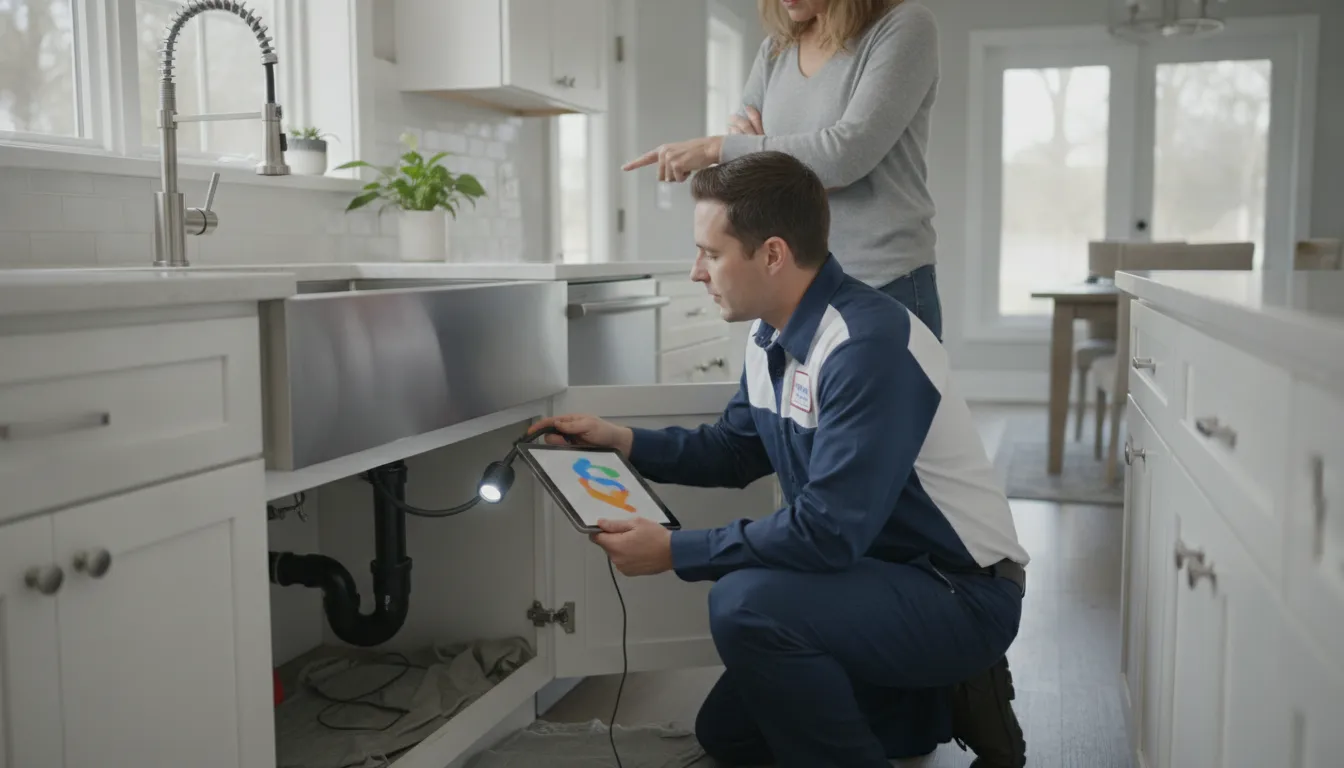
A puddle of water under your sink is a problem you shouldn’t ignore. When it comes from your garbage disposal, the leak is often traced back to a few key spots: the sink flange, the dishwasher connection, or the discharge pipe. Over time, the seals and gaskets that keep these connections watertight can degrade and fail. A persistent leak can lead to water damage, mold, and wood rot in your cabinets. Finding the exact source of the leak is the first step, which is why calling for emergency plumbing is a smart move. A professional repair, which can cost between $100 and $250, will ensure the leak is stopped for good.
It’s Draining Slowly or Clogged
If running your disposal causes water to back up into your sink, you’re likely dealing with a clog. This happens when food waste, especially starchy or fibrous items like potato peels and celery, builds up in the drain line. Grease and oil are also major culprits, as they solidify inside your pipes and create a sticky trap for other debris. While some minor clogs can be cleared with simple methods, a stubborn blockage requires a more powerful solution. A plumber can effectively clear the line without harming your pipes, a service that generally costs between $100 and $225. To avoid future issues, it’s always a good idea to review what should and shouldn’t go down the disposal.
You Hear Loud, Grinding Noises
We’ve all had that heart-stopping moment when a spoon or another foreign object accidentally slips into the disposal. The resulting loud, metallic grinding is unmistakable. When you hear it, turn the unit off immediately to prevent serious damage. The noise means something hard is rattling around inside, hitting the grinding components. A professional can safely retrieve the object and check if the blades or flywheel have been damaged. If the noise is happening without a foreign object, it could mean the internal parts are broken or have come loose. Addressing this issue typically costs between $70 and $200 and is essential for the safe operation of your unit.
The Reset Button Keeps Tripping
The reset button is a safety feature designed to shut off the motor to prevent it from overheating, often due to a jam or overworking. If you find yourself constantly pressing it, that’s a red flag. A frequently tripping reset button signals a deeper problem, such as faulty wiring, an aging motor that is struggling to run, or an internal component that is beginning to fail. Simply resetting it over and over won’t fix the underlying issue. A professional diagnosis is needed to determine the root cause. You can expect a repair for this type of electrical or mechanical failure to range from $100 to $250, ensuring your disposal runs safely and reliably.
What Influences the Final Repair Bill?
When you get a quote for a garbage disposal repair, you might wonder what goes into that number. The final cost isn’t random; it’s based on a few key factors that can swing the price up or down. Understanding what influences the bill helps you know what to expect and make an informed decision. The three biggest variables are the age of your unit, the specific problem it’s having, and the cost of professional labor in our area.
The Age and Condition of Your Disposal
Like any hardworking appliance, a garbage disposal has a lifespan. If your unit is pushing past the 8-10 year mark, it might be more cost-effective to replace it than to sink money into repairs. A good rule of thumb is to consider replacement if a repair costs more than half the price of a new disposal. For units under eight years old, a repair often makes perfect sense. However, if you’re dealing with persistent leaks, visible rust, or have had to fix the same issue multiple times, your disposal is likely telling you it’s ready for retirement. A professional can assess the situation and help you decide between a quick fix and a full replacement as part of our comprehensive plumbing solutions.
The Complexity of the Repair
The nature of the problem is a major factor in your final bill. A simple jam caused by a stray bottle cap is a much quicker and cheaper fix than a burnt-out motor. Clearing a clog or fixing a minor seal leak might take a professional less than an hour. These straightforward jobs typically fall on the lower end of the cost spectrum. On the other hand, if the internal blades are broken or the motor needs to be replaced, the job becomes more intensive. These complex repairs require more time and more expensive parts, which will be reflected in the quote. A sudden, catastrophic failure can feel like a disaster, which is why having access to emergency plumbing services is so important.
Local Labor Rates in Metro Detroit
Finally, the cost of labor plays a significant role. In the Metro Detroit area, hourly rates for a licensed plumber generally range from $75 to $150. This rate covers more than just the plumber’s time; it includes their expertise, insurance, transportation, and the specialized tools needed to do the job right the first time. While it might be tempting to find the cheapest rate, remember that you’re paying for experience and peace of mind. As a family-owned business, we believe in transparent, fair pricing that reflects the quality of our work. We’re your neighbors, and you can learn more about the team you’ll be welcoming into your home by checking out our story on the About Us page.
Repair or Replace: How to Make the Right Call
When your garbage disposal starts acting up, you’re faced with a classic dilemma: is it worth fixing, or is it time to say goodbye and get a new one? Making the right choice can save you money and future headaches. It’s not always a clear-cut decision, but a few key factors can point you in the right direction. Think about the age of your unit, the cost of the potential repair, and how often it’s been giving you trouble. A one-time fluke is very different from a recurring problem that has you constantly resetting the unit or cleaning up puddles under the sink.
Weighing these elements helps you decide whether a repair is a smart investment or if you’re just delaying the inevitable. While a professional plumber can give you a precise diagnosis and quote, you can get a pretty good idea of the best path forward on your own. Let’s walk through how to evaluate your situation so you can feel confident in your decision.
Applying the 50% Rule
A great starting point for your decision is the 50% rule. It’s a simple guideline: if the cost to repair your garbage disposal is less than half the price of a new, comparable unit, a repair is usually the more sensible option. This is especially true if your disposal is still relatively young, say under eight years old, and has been reliable up to this point. If the motor is still running strong and the issue seems minor, investing in a repair can give you several more years of service without the expense of a full replacement.
Telltale Signs You Need a New Unit
Sometimes, a repair just isn’t the best use of your money. If you get a quote and the repair cost is creeping over $300, it’s time to seriously consider a replacement. Age is another huge factor; if your disposal is over a decade old, it’s likely nearing the end of its lifespan anyway. Persistent issues are also a major red flag. If you’re constantly dealing with leaks that have caused rust to form, or if the motor has completely given up, a new unit is the smarter long-term solution. Upgrading also makes sense if your current disposal simply isn’t powerful enough for your family’s needs.
When a Simple Repair Makes More Sense
On the other hand, many garbage disposal problems are quick and affordable to fix. For common issues like a simple jam or a minor leak at a connection point, you can often get a professional repair service for a very reasonable price. In some cases, the fix is as easy as hitting the reset button, which costs you nothing but a moment of your time. If the problem is straightforward and your unit is in otherwise good condition, a repair is an excellent, cost-effective choice. It resolves the immediate issue without the cost and hassle of a full replacement, getting your kitchen back to normal in no time.
Should You Try to Fix It Yourself?
When your garbage disposal acts up, it’s tempting to roll up your sleeves and try a DIY fix. And sometimes, that’s the perfect solution. A little hands-on effort can save you time and money. But it’s just as important to know when to put the tools down and pick up the phone. Going too far with a DIY repair can turn a small issue into a costly disaster, complete with water damage or electrical hazards.
The key is to understand the difference between a simple reset and a serious repair. Knowing your limits isn’t a sign of defeat; it’s a smart homeowner’s strategy to protect your property and your wallet. Before you start, take a moment to assess the situation. A few basic troubleshooting steps are perfectly safe, but more complex problems are best left to the professionals who handle them every day.
Simple Fixes You Can Safely DIY
If you’re feeling confident, there are a few common issues you can safely tackle on your own. First, check for the reset button. Most disposals have a small red or black button on the bottom of the unit. If the motor has overheated, pressing this button might be all it takes to get it running again. If the disposal is humming but the blades aren’t moving, it’s likely jammed. Before you do anything, make sure you unplug the unit or turn off its power at the circuit breaker. Then, you can use tongs or pliers (never your hands!) to remove any visible obstructions. You can also try using a hex key, or Allen wrench, on the bottom of the unit to manually crank the blades and clear the jam.
Knowing When to Step Away
It’s crucial to recognize when a problem is beyond a simple fix. A good rule of thumb is to consider the age of your unit and the cost of the repair. If your garbage disposal is more than eight years old and constantly giving you trouble, investing in a repair might not be the most cost-effective choice. If you get a quote and the repair costs more than half the price of a new unit, replacement is usually the smarter long-term decision. Persistent issues like frequent clogs, leaks that keep coming back, or a motor that just doesn’t seem powerful enough anymore are all signs that your disposal is nearing the end of its life. Stepping away and calling for a professional opinion can save you from throwing good money after a bad appliance.
Safety Red Flags: When to Call a Pro Immediately
Some problems are immediate red flags that require professional attention. Any issue involving electrical components is a definite no-go for DIY. If you suspect faulty wiring or need to replace the unit, you’re dealing with a combination of plumbing and electrical work that can be dangerous without proper training. Similarly, if the motor is completely dead or you’re facing a major leak, it’s time to call for help. A significant leak can quickly lead to water damage in your cabinets and flooring, turning a small problem into a huge headache. If you see any of these signs, it’s best to call for emergency plumbing services right away. A licensed plumber can safely diagnose the issue and prevent further damage.
How to Hire the Right Plumber for the Job
When your garbage disposal is on the fritz, finding a trustworthy professional can feel like another chore on your list. But choosing the right plumber is the most important step toward a lasting fix. You want someone who is not only skilled but also honest and reliable. Taking a few moments to vet your options will save you from future headaches and ensure you get quality work that’s worth your money.
Check for Licensing, Insurance, and Experience
Before you let anyone start work in your kitchen, make sure they are properly licensed and insured. A license proves they meet state and local standards, while insurance protects you from liability if an accident happens on your property. Since garbage disposals involve both plumbing and electrical systems, it’s smart to find a technician with specific experience in this area. A qualified plumber will have the right skills to handle the job safely and correctly. When you work with a trusted, family-owned company, you can feel confident you’re getting an experienced professional who stands by their work.
Why You Should Get a Few Quotes
It’s always a good idea to get a few quotes before settling on a plumber. This isn’t about finding the absolute cheapest option; it’s about understanding the fair market price for the repair you need. Getting multiple estimates allows you to compare what different companies offer and helps you spot any outliers that seem too high or too good to be true. A reputable plumber will be happy to provide a detailed quote so you can see exactly what you’re paying for. When you’re ready, you can always get in touch for a straightforward and honest estimate.
Ask About Warranties on Parts and Labor
A plumber who is confident in their work will have no problem backing it up with a warranty. Always ask about the guarantees they offer on both the parts they use and the labor they perform. A solid warranty gives you peace of mind, knowing that if the same problem pops up again soon, you won’t have to pay for it twice. This commitment to quality is a hallmark of a professional you can trust. It shows they value their workmanship and are dedicated to providing a long-term solution, not just a temporary fix for your plumbing needs.
The Importance of Transparent, Upfront Pricing
No one likes surprise fees on their final bill. A trustworthy plumber will provide clear, upfront pricing before any work begins, so you know exactly what to expect. This is especially important for urgent issues, like a major leak under your sink that requires emergency plumbing services. Transparent pricing helps build trust and ensures the entire process is stress-free. Don’t hesitate to ask for a breakdown of the costs, including parts, labor, and any potential additional charges. This simple step ensures you feel comfortable and in control from start to finish.
Keep Your Garbage Disposal Running: How to Prevent Repairs
An ounce of prevention is worth a pound of cure, especially when it comes to your kitchen appliances. The best way to avoid a surprise repair bill is to take good care of your garbage disposal from the start. A little bit of know-how can go a long way in keeping its blades spinning and your sink draining smoothly. Most of the time, preventing major issues just comes down to being mindful of what you put down the drain and performing a few simple maintenance tasks.
Think of your disposal as a powerful but picky eater. Feeding it the right things and keeping it clean will help it last for years. But even the most well-maintained unit can run into trouble. Knowing the difference between a simple fix and a serious problem that needs a professional eye is key. Taking these steps will not only save you money but also spare you the headache of a kitchen sink that’s out of commission.
The “Do Not Grind” List: What to Keep Out
Your garbage disposal is strong, but it isn’t invincible. To keep it working properly, avoid sending certain items down the drain. A good rule of thumb is to keep anything that is overly fibrous, starchy, or greasy out of the disposal.
Here’s a quick list of things to toss in the trash instead:
- Grease, oil, and fats: These liquids solidify in your pipes, creating stubborn clogs.
- Bones and fruit pits: They are too hard for the blades to grind and can cause serious damage.
- Celery, corn husks, and onion skins: The fibrous strings can wrap around the blades and jam the motor.
- Pasta, rice, and potato peels: These starchy foods expand with water and can create a thick paste that clogs the drain.
- Coffee grounds and eggshells: While many people think these are fine, they can accumulate and form dense clogs over time.
Simple Maintenance Tips for a Healthy Disposal
Keeping your garbage disposal in top shape is easier than you might think. A few simple habits can prevent buildup, sharpen the blades, and stop small issues from turning into major emergency plumbing problems. First, always run a strong flow of cold water before, during, and for about 15 seconds after you use the disposal. This helps flush food particles completely through the pipes.
For a quick cleaning, toss a handful of ice cubes into the disposal and grind them up. This helps knock food debris off the blades. To fight odors, you can grind up a few citrus peels (like lemon or orange) for a fresh, clean scent. Addressing small problems as soon as you notice them is the best way to prevent expensive repairs down the road.
When to Call a Plumber for a Check-Up
While regular maintenance can prevent most issues, some problems are best left to the professionals. Attempting to fix complex issues yourself can be dangerous and may lead to more extensive damage. If you’re dealing with persistent clogs, strange noises that don’t go away, or leaks that you can’t seem to stop, it’s time to call for help.
You should always call a plumber for anything involving the unit’s electrical wiring or motor. Severe leaks or the need to replace major parts are also jobs for a pro. A quick professional inspection can diagnose the root cause of the problem and prevent a small issue from becoming a costly replacement. If you’re ever unsure, it’s always safer and more cost-effective in the long run to give us a call.
Related Articles
- Garbage Disposal Repair: Your DIY Fix-It Guide
- Garbage Disposal Not Working? 5 Easy Fixes to Try
- Fix a Garbage Disposal Jam in 6 Easy Steps
- How to Fix a Humming Garbage Disposal Fast
Frequently Asked Questions
What’s the very first thing I should do if my disposal stops working? Before you panic or call for help, try two simple things. First, look for the small reset button on the bottom of the disposal unit under your sink and press it firmly. If that doesn’t work, check your home’s electrical panel to see if the circuit breaker for the disposal has been tripped. These two steps solve a surprising number of issues and cost you nothing but a minute of your time.
Is it really worth repairing my disposal if it’s more than a few years old? That’s a great question, and it often comes down to simple math. A good guideline is the 50% rule: if the repair costs more than half the price of a new unit, replacement is probably the smarter move. For disposals under eight years old with a minor issue, a repair is usually a cost-effective choice. However, if your unit is over a decade old or has had multiple problems, investing in a new one is likely a better long-term solution.
My disposal is just humming. Is that a serious problem? A humming sound is actually a good sign in a way, as it means the motor is still receiving power. The problem is that something is preventing the blades from spinning, which is almost always a jam. A stray utensil, fruit pit, or tough food waste is likely the culprit. While this is often a straightforward fix for a professional, you should turn the unit off immediately to prevent the motor from burning out.
Why can’t I just use a chemical drain cleaner on a clogged disposal? It’s tempting to reach for a chemical cleaner, but I always advise against it for disposals. Those harsh chemicals can corrode the metal and plastic components inside the unit and damage your pipes, leading to much bigger problems down the road. A professional can clear the clog safely and effectively without causing harm to your plumbing system.
How do I know if I’m getting a fair price for my repair? Feeling confident about the cost is important. The best way to know you’re getting a fair price is to get a few detailed quotes from licensed and insured plumbers. A trustworthy professional will provide an upfront estimate and be able to explain the costs. A fair price isn’t just the lowest number; it reflects the plumber’s experience, the quality of the parts, and a warranty on the work performed.