

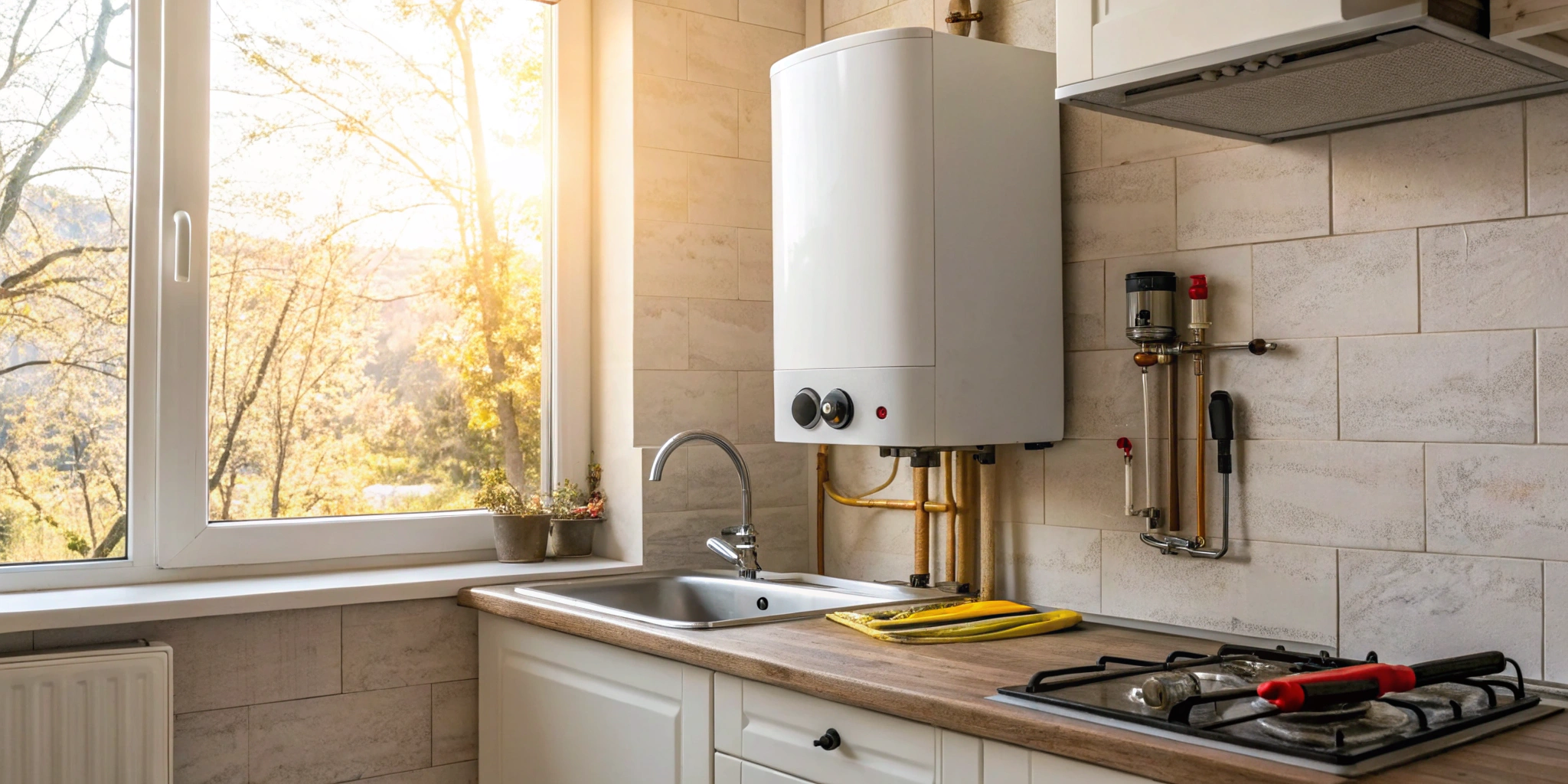
That moment you step into the shower and get hit with ice-cold water is a homeowner’s nightmare. Your first thought is getting it fixed fast, but the second is always about the true cost to install a water heater. Whether you’re dealing with an emergency or smartly planning a replacement, the final bill is more than just the unit’s price tag. It often includes professional labor, permits, and sometimes necessary upgrades to your plumbing or electrical systems. We’ll walk you through all the factors that influence the price, so you can handle this expense with confidence and without the stress.
Key Takeaways
- Your total cost is more than just the heater: The final price tag includes the unit, professional labor, city permits, and any necessary upgrades to your home’s existing plumbing or electrical systems.
- Strategic planning can lower your bill: You can save money by getting multiple quotes from licensed plumbers, scheduling the installation before your old unit fails, and researching local rebates on energy-efficient models.
- Hiring a pro protects your investment and your home: A professional installation is essential for safety, and it also ensures your manufacturer’s warranty and homeowner’s insurance remain valid, saving you from major costs down the road.
What’s the Real Cost to Install a New Water Heater?
Figuring out the budget for a new water heater can feel a bit overwhelming, but it doesn’t have to be. The total price tag is a combination of two key things: the cost of the water heater unit itself and the labor for a professional installation. On average, homeowners in Metro Detroit can expect the total cost to fall somewhere between $1,600 and $5,800. This is a wide range because the final price depends heavily on the type of heater you choose, the complexity of the installation, and your home’s existing plumbing setup.
Think of it like buying a car—a basic sedan will have a very different price than a luxury SUV with all the bells and whistles. The same principle applies here. A straightforward replacement of an old unit with a similar model will be on the lower end of the spectrum. However, if you’re upgrading to a different type of system, like switching from a tank to a tankless heater, or if your plumbing needs significant modifications to accommodate the new unit, the cost will naturally be higher. Let’s break down what goes into that final number so you can feel confident about your investment.
How Heater Type Affects Your Installation Cost
The single biggest factor in your total cost is the water heater itself. A standard 40-gallon tank water heater, a common choice for many families, typically costs between $700 and $2,300 for the unit and installation. If you’re looking at an electric model, the installation costs alone often land between $920 and $1,177. The price varies based on the brand, energy efficiency rating, and any advanced features and specifications you might want, like Wi-Fi connectivity or enhanced warranties. Choosing a unit with a higher efficiency rating might cost more upfront but can lead to significant savings on your utility bills over time.
What’s in Your Quote: Labor vs. Equipment
When you get a quote from a professional plumber, you’re paying for both the equipment and their expertise. Labor typically makes up about 20% to 50% of the total bill, which can translate to anywhere from $140 to $1,150. Most licensed plumbers charge between $45 and $200 per hour. For a basic installation, this often means the professional plumbing services will cost between $800 and $1,500. This fee covers not just the physical work of removing your old unit and installing the new one, but also the assurance that the job is done safely, correctly, and up to local building codes—protecting your home and your family.
Understanding the Wide Range in Quotes
It can be confusing when you start collecting quotes and see prices that are thousands of dollars apart. One plumber might quote you $1,800 while another comes in at $4,500 for what seems like the same job. This is completely normal, and it usually comes down to the total scope of the work. A simple swap—replacing an old 40-gallon tank with a similar new one—is straightforward. But if you’re upgrading, say from an electric tank to a gas tankless unit, the project becomes much more involved. That kind of installation often requires new gas lines, ventilation, and electrical updates, which all add to the final cost. A professional plumber will always walk you through a detailed quote, explaining every line item so you know exactly what you’re paying for.
What Factors Drive Up Your Installation Cost?
Figuring out the final price for a new water heater installation involves more than just the cost of the unit itself. Several key factors can influence the total, from the type of heater you select to the specific layout of your home. Understanding these variables helps you create a realistic budget and see exactly what you’re paying for. When you get a quote, it’s helpful to know why the numbers might look different from one home to the next. Let’s break down the main components that determine the cost of your installation.
How Your Heater’s Type and Fuel Source Change the Price
The first major factor is the type of water heater you choose and its fuel source. Generally, installing a gas water heater costs more than an electric one because it involves connecting to a gas line and ensuring proper ventilation, which is a more complex job. An electric model might have a lower upfront installation cost, but it’s important to also think about long-term operating expenses. Your choice between gas and electric will be one of the biggest drivers of the initial price, so it’s a great place to start when building your budget.
Propane Water Heaters
If your home is located in an area without access to natural gas lines, a propane water heater is a practical alternative. These units function similarly to natural gas heaters but require a large, dedicated storage tank on your property to hold the propane. This additional tank and the specialized installation it requires mean that propane water heaters typically have a higher upfront cost compared to their gas or electric counterparts. While they are a reliable solution for many homes, it’s important to factor the price of the tank and its setup into your overall budget when considering this option for your property.
Long-Term Running Costs: Gas vs. Electric
It’s tempting to choose the water heater with the lowest installation price, but it’s wise to also think about the long-term running costs. The initial savings from an electric water heater, which is often cheaper to install, can be offset by higher monthly utility bills. In contrast, a gas water heater might have a higher upfront installation cost due to the need for proper ventilation and gas line connections, but it generally costs less to operate over its lifespan. A professional can help you weigh these factors, ensuring you select a system that provides the most value and fits your family’s budget for years to come. Considering these ongoing expenses is a key part of making a smart investment in your home’s plumbing system.
Does Your Home’s Layout Make Installation Tricky?
Where will your new water heater live? If it’s going into an easily accessible spot in your garage or an unfinished basement, the labor costs will likely be lower. However, if the installation requires a plumber to work in a tight crawlspace, a cramped closet, or a finished area that needs extra care, the job becomes more difficult and time-consuming. Labor can account for a significant portion of your total bill, so the complexity of the installation site plays a big role in the final cost of our plumbing solutions.
Local Costs: Labor Rates and Permits in Metro Detroit
Living in Metro Detroit means local labor rates and permit requirements will affect your installation cost. Professional plumbers in our area have a general price range for a standard installation, but this can vary. Additionally, most local municipalities require a permit to ensure the work is done safely and up to code. The cost of these permits can differ from one city to the next. When you get a quote from us, we’ll be transparent about these local costs so there are no surprises.
Will Your Plumbing or Electrical System Need an Upgrade?
The condition of your home’s existing infrastructure is another crucial factor. If your plumbing lines are old or your electrical panel needs an upgrade to support a new water heater, that additional work will add to the total cost. A professional plumber will assess your current system to see if any updates are needed for a safe and efficient installation. Addressing these issues upfront prevents potential problems down the road, like leaks or electrical failures, which could lead to needing emergency plumbing services.
Electric, Gas, or Tankless: Which Installation Costs More?
When you’re choosing a new water heater, the upfront installation cost is a huge piece of the puzzle. Each type—electric, gas, and tankless—comes with a different price tag for both the unit and the labor to get it running. Understanding these initial costs helps you budget properly and weigh the short-term expense against long-term energy savings. While one option might seem like a bargain at first, another could be a smarter investment over time. Let’s break down what you can expect to pay for each type of installation.
What to Expect: Electric Water Heater Installation Costs
Electric water heaters are often the most budget-friendly option to install. If you’re replacing an old electric unit, the process is usually straightforward. According to industry data, the cost for a water heater installation of this type typically falls between $920 and $1,177. This price point makes it an attractive choice for homeowners looking for a reliable and affordable solution. Of course, this can change if your home needs electrical upgrades to support the new unit or if the plumbing requires significant adjustments. For a clear picture of your specific costs, it’s always best to get a professional estimate.
What to Expect: Gas Water Heater Installation Costs
Installing a gas water heater is a more complex job, which is reflected in its higher price tag. On average, you can expect the installation to cost around $2,607. The main reasons for the higher cost are the need to safely connect gas lines and ensure proper ventilation. Venting is critical to prevent dangerous carbon monoxide buildup in your home. If you’re switching from an electric model to a gas one, the cost will be even higher because a new gas line will need to be run to the water heater’s location. This specialized work requires a licensed plumber to ensure everything is up to code and safe for your family.
What to Expect: Tankless Water Heater Installation Costs
Tankless water heaters, also known as on-demand water heaters, have the widest installation cost range, from $960 to $3,910. This broad spectrum is due to a few key factors. The unit’s capacity, its fuel source (electric vs. gas), and your home’s existing infrastructure all play a role. A gas tankless model, for example, often requires larger gas lines and more complex venting than a traditional tank model. You might also need electrical and plumbing upgrades to handle the new system. While the initial investment can be steep, many homeowners find the long-term energy savings and endless hot water are well worth it.
Condensing Tankless Heater Costs
Within the tankless category, you’ll find condensing units, which are designed for maximum efficiency. These models capture extra heat from the exhaust gases that would otherwise be wasted, helping to lower your energy bills even further. The installation cost for a condensing tankless heater is similar to other tankless models, generally falling within that $960 to $3,910 range. The final price depends on the unit’s size, whether it’s gas or electric, and what kind of retrofitting your home’s plumbing and ventilation systems might need to accommodate the new technology.
What to Expect: Hybrid Water Heater Installation Costs
Hybrid water heaters, sometimes called heat pump water heaters, are an interesting mix of old and new. They combine a traditional storage tank with a heat pump that pulls warmth from the surrounding air to heat the water. This technology makes them incredibly energy-efficient. The upfront installation cost for a hybrid unit typically ranges from $1,500 to $3,000. The price can vary based on how complex the installation is and whether your home’s electrical system needs any upgrades to support the heat pump, which is why it’s important to have a professional assess your specific situation and provide a clear quote for these comprehensive plumbing solutions.
What to Expect: Solar Water Heater Installation Costs
For homeowners focused on sustainability, a solar water heater is an excellent but significant investment. These systems use solar collectors to capture the sun’s energy and heat your water, drastically reducing your reliance on traditional utilities. The upfront cost is the highest of any option, with installation generally ranging from $3,000 to $8,000. While that initial price can be daunting, the long-term savings on your energy bills can be substantial. This option is best for those who plan to stay in their home for many years and want to make a significant impact on their carbon footprint.
Considering Larger Tanks or Commercial Units
If you have a large family, a home with high water usage, or a commercial property, a standard-sized water heater might not cut it. Installing larger tanks or commercial-grade units is a much bigger job, and the costs reflect that. For these heavy-duty systems, installation prices can climb significantly, sometimes reaching between $6,000 and $12,000. This is because the units themselves are more expensive, and the installation often requires more extensive plumbing, venting, and structural modifications. For a project of this scale, it’s essential to get in touch with a professional for a detailed assessment and a custom quote tailored to your property’s unique needs.
Are There Hidden Installation Costs to Watch For?
When you’re budgeting for a new water heater, it’s easy to focus on the price of the unit itself and the basic installation fee. But a few other expenses can pop up, turning your carefully planned budget on its head. Knowing what to expect can help you avoid surprises and ensure you have a clear picture of the total cost. Let’s walk through some of the most common “hidden” costs so you can ask the right questions and get a truly comprehensive quote.
The Price of Permits and Following Code
Yes, even replacing a water heater often requires a permit. Most municipalities in the Metro Detroit area have rules to ensure the installation is done safely and meets local building codes. The cost for these permits can vary quite a bit, sometimes ranging from $25 to $1,500, depending on where you live. A professional plumber will know exactly what’s required and will handle the paperwork for you. This isn’t just red tape; it’s a crucial step to ensure your new unit is installed correctly, protecting your home and your family. When you work with us, we make sure all our plumbing services are fully compliant.
Factoring in Old Heater Removal and Disposal
What happens to your old, bulky water heater once the new one is in? You can’t just haul it to the curb with the rest of your trash. Water heaters need to be disposed of properly, and that comes with a fee. Typically, you can expect to pay between $50 and $150 for removal and disposal. Many homeowners forget to factor this in, so it’s always a good idea to ask your plumber if this service is included in their installation quote. A transparent quote will break this down for you, so there are no last-minute additions to the bill.
Will You Need Extra Venting or Electrical Upgrades?
This is where costs can really climb if you’re not prepared. If you’re installing a gas water heater, it needs to be vented correctly to safely expel exhaust fumes like carbon monoxide. If your old setup isn’t compatible with the new unit, you might need new venting, which can be a significant expense. Likewise, switching fuel types—say, from a gas heater to an electric one—will require new electrical wiring. Any upgrades to your home’s existing plumbing or electrical systems to accommodate the new heater will add to the final cost.
Special Venting Requirements
When you choose a gas water heater, proper venting isn’t just a recommendation—it’s a critical safety requirement. Gas models produce exhaust fumes, including dangerous carbon monoxide, that must be safely directed out of your home. This is a major reason why gas heater installations are more complex and costly. If your current venting system isn’t compatible with your new unit, you may need to budget an additional $500 to $1,500 for upgrades. This is definitely not a DIY project; ensuring the venting is installed correctly and up to code is essential to prevent a hazardous situation that could require emergency plumbing intervention. A licensed professional will make sure your family is safe and your installation is done right the first time.
The Added Cost of an Emergency Installation
A cold shower is often the first sign that your water heater has officially given up. When that happens, you don’t have the luxury of time to shop around for the best deal. You need hot water, and you need it now. Plumbers understand this urgency, and emergency service calls often come at a premium. If your water heater fails unexpectedly, you might face higher labor rates for a same-day installation. To avoid this, it’s wise to plan for a replacement if your current unit is getting old or showing signs of failure. If you do find yourself in a pinch, our emergency plumbing team is here to help.
Other Potential Costs: Taxes, Repairs, and Contractor Fees
On top of the main installation costs, a few other charges can find their way onto your final bill. Don’t forget about sales tax, which will apply to both the new water heater and the labor. It’s also possible that during the installation, your plumber might uncover an unexpected issue, like a corroded pipe or a leaky valve that needs attention. Addressing these problems right away is essential for a reliable, long-lasting setup and prevents a small issue from turning into a major headache later. A trustworthy plumber will always discuss any necessary additional repairs and their costs with you before proceeding, ensuring you’re fully informed. These situations highlight the importance of having a team that can handle a wide range of plumbing solutions on the spot.
How Can You Save Money on Your Water Heater Installation?
A new water heater is a significant investment for your home, but that doesn’t mean you have to overspend. With a bit of planning and research, you can manage the installation costs effectively without sacrificing quality or safety. Making smart choices upfront can lead to savings on the initial installation and lower energy bills for years to come. Here are a few practical steps you can take to keep your budget in check.
Shop Around: Get Quotes from Licensed Plumbers
One of the best ways to ensure a fair price is to gather a few different estimates. We recommend getting at least two or three quotes from local plumbers to compare costs. When you review them, don’t just look at the bottom line. A much cheaper quote could be a red flag. Make sure any plumber you consider is licensed, bonded, and insured. This protects you if something goes wrong during the installation. At Mr. Pipey, we believe in transparency, so we’re always happy to provide a clear, detailed quote and answer any questions you have about our credentials.
Ask Friends and Neighbors for Recommendations
While online reviews can be a good starting point, nothing beats a recommendation from someone you actually know. Ask your friends, family, or the neighbor whose opinion you trust who they’ve used for their plumbing needs. They can give you the real story—not just about the quality of the work, but about the entire experience. Did the plumber show up on time? Were they respectful of the home? Did they clean up after themselves? These are the details that a star rating can’t always capture. A personal referral helps you find a trusted local company that has already proven its reliability. Just remember to do your own due diligence. Even with a glowing recommendation, it’s smart to confirm that the plumber is licensed and insured to protect yourself and ensure your new water heater’s warranty remains valid.
Save Money by Planning Your Installation in Advance
If your water heater is nearing the end of its life but hasn’t failed yet, you have a major advantage. Planning your replacement allows you to schedule the work during regular business hours, avoiding the premium rates that come with emergency plumbing calls. Labor is often a significant portion of the installation cost, so avoiding after-hours or weekend fees makes a real difference. Planning also gives you time to research different models and find the perfect fit for your home’s needs and budget, rather than being forced to accept whatever is available during a crisis.
Don’t Forget to Check for Rebates and Tax Credits
Did you know that choosing an energy-efficient water heater can put money back in your pocket? Many manufacturers, local utility companies, and even government programs offer rebates or tax credits for installing high-efficiency models. Before you buy, take a few minutes to search for these incentives. You can check the ENERGY STAR rebate finder or visit your local utility provider’s website to see what deals are available in Metro Detroit. These savings can help offset the higher initial cost of an energy-efficient unit, making it a smart financial decision for the long term.
Should You Hire a Pro or DIY Your Water Heater Installation?
The temptation to tackle a home project yourself is strong. It can be a great way to save money and learn a new skill. But when it comes to installing a water heater, this is one job best left to the professionals. A water heater isn’t like a bookshelf; it’s a major appliance that connects to your home’s plumbing, electrical, and sometimes gas systems. An incorrect installation can lead to serious safety hazards, voided warranties, and costly damage. Before you break out the toolbox, it’s important to understand the risks involved and why hiring a licensed plumber is a smart investment in your home’s safety and your own peace of mind.
Thinking of DIY? Consider the Safety and Code Risks
Your family’s safety is the number one reason to hire a professional. Water heaters involve high-voltage electricity or natural gas lines, both of which can be extremely dangerous if handled improperly. A small mistake could lead to a gas leak, carbon monoxide poisoning, or a fire. Licensed plumbers are trained to handle these connections safely and according to strict local codes here in Metro Detroit. They ensure everything is vented correctly and all safety features are in place, preventing the kinds of mistakes that lead to dangerous emergency plumbing situations. A professional installation guarantees your new unit operates safely and efficiently from day one.
How a Pro Protects Your Warranty and Home Insurance
Beyond the immediate safety concerns, a professional installation protects your financial investment. Most water heater manufacturers state in their terms that the warranty is only valid if the unit is installed by a licensed professional. If you install it yourself and something goes wrong, the manufacturer can void the warranty, leaving you to pay for repairs or a full replacement out of pocket. Similarly, if a DIY installation causes a flood or fire, your homeowner’s insurance may not cover the damages. Hiring a pro ensures your warranty stays intact and gives you the documentation you need for any potential insurance claims, providing reliable plumbing solutions that protect you long-term.
Why Hiring a Local Plumber Beats Big Box Stores
When you need a new water heater, it might seem convenient to head to a big box store. But here’s something to consider: those stores often don’t have their own installation teams. Instead, they subcontract the work to third-party installers. This can lead to a mixed bag in terms of quality and cost, and you don’t get to choose who shows up at your door. Choosing a local, family-owned plumber means you’re working with a dedicated team that has a reputation to uphold in your community. We understand the specific plumbing needs of homes in Metro Detroit and provide a level of personalized service you just can’t get from a large chain. When you work with us, you’re not just another job number; you’re our neighbor.
Checking for a License, Insurance, and Bonding
Before you hire anyone, it’s essential to confirm they are licensed, insured, and bonded. These credentials are your safety net. A license proves the plumber has the training and knowledge to do the job correctly. Insurance protects you and your property in case of an accident, and bonding protects you financially if the work isn’t completed or doesn’t meet local codes. A quote that seems too good to be true might be from someone cutting corners by skipping these critical protections. A professional will always be transparent about their qualifications and happy to provide proof. This ensures your installation is safe, up to code, and won’t jeopardize your homeowner’s insurance or the manufacturer’s warranty on your new unit.
How to Choose the Right Water Heater for Your Home
Picking a new water heater isn’t just about replacing an old one—it’s an opportunity to get a unit that truly fits your home and lifestyle. While the installation cost is a big piece of the puzzle, choosing the right model comes down to two key things: size and energy efficiency. Getting these right means you’ll have reliable hot water without overspending on your monthly utility bills. It’s about finding that sweet spot between performance and long-term value, ensuring your family stays comfortable for years to come.
Choosing the Right Size for Your Family’s Needs
The first step is figuring out the right size for your household. If you have a traditional tank-style heater, this is measured in gallons. A good rule of thumb is that a 40-gallon tank water heater is usually a good size for homes with 3 to 4 people. But you should also think about your family’s specific habits. Do you often run the dishwasher while someone is showering? Answering these questions helps determine the right capacity. For tankless models, it’s about flow rate—how many gallons per minute it can heat. Getting the size right is crucial, and our plumbing experts can help you calculate the perfect fit to avoid cold showers or wasted energy.
The Cost Impact of Larger Tank Sizes
While it might be tempting to upgrade to a larger tank to guarantee you never run out of hot water, it’s important to understand how that decision affects your budget. The size of the tank significantly influences both the initial purchase price and the installation costs. For example, a standard 40-gallon tank water heater is a common choice, and the unit plus installation typically runs between $700 and $2,300. If you jump up to an 80-gallon model, however, the installation costs can climb to between $2,650 and $3,910. This increase isn’t just for the bigger unit; it also covers the more complex installation process, which might include plumbing or electrical upgrades to handle the higher demand. Weighing the benefit of more hot water against the higher upfront investment is a key part of making a smart choice for your home.
How Energy Efficiency Leads to Long-Term Savings
It’s easy to focus on the upfront price tag, but it’s the long-term running cost that really impacts your budget. Think about how much it will cost to run the water heater over many years, not just the initial installation price. Highly efficient models might cost more to install, but they can lead to significant savings on your energy bills down the road. Look for the ENERGY STAR® label, which certifies that the unit meets strict efficiency guidelines. These models often qualify for local utility rebates, which can help lower the purchase price. Investing in efficiency is one of the smartest financial decisions you can make for your home.
Related Articles
- How to Repair an Instant Water Heater: A DIY Guide
- Upgrades, Installations & Efficiency
- Plumbing Maintenance & Prevention
Frequently Asked Questions
Why is there such a big price range for water heater installation? The wide cost spectrum, from around $1,600 to $5,800, comes down to a few key variables. The biggest factor is the type of water heater you choose—a basic electric tank model will cost much less than a high-efficiency gas tankless unit. Beyond the heater itself, the complexity of the job matters. If your home needs new plumbing lines, electrical upgrades, or different venting to accommodate the new unit, the labor and material costs will naturally increase.
Is a tankless water heater worth the higher installation cost? That’s a great question, and it really depends on your priorities. While tankless heaters have a higher upfront cost due to the unit price and more complex installation, they can save you money over time through lower energy bills. They also provide endless hot water on demand, which is a huge plus for larger families. Think of it as an investment: you pay more initially for long-term efficiency and convenience.
My quote seems high. What extra costs could be included? A thorough, professional quote accounts for more than just the heater and the basic hookup. It often includes the cost of a city permit to ensure the work is up to code, the fee for safely removing and disposing of your old unit, and any necessary materials for upgrades. For example, if you’re installing a gas model, there might be costs for new ventilation work to keep your home safe. A transparent quote will itemize these things for you.
Can I really save that much money by installing a water heater myself? While you would save on the upfront labor cost, a DIY installation can end up being far more expensive in the long run. Most manufacturers will void the warranty if the unit isn’t installed by a licensed professional, leaving you on the hook for any future repairs. More importantly, incorrect installation of gas or electrical lines is a serious safety risk. Hiring a pro protects your investment, your warranty, and your family’s safety.
How can I be sure I’m getting a fair price from a plumber? The best way to feel confident in your decision is to get a few detailed quotes from licensed and insured plumbers in the Metro Detroit area. A fair quote won’t always be the lowest one; it will be the one that clearly breaks down all the costs and explains what work needs to be done. A trustworthy professional will be happy to walk you through their estimate and answer all your questions without pressure.
The Upfront Cost vs. Long-Term Savings of Hybrid Heaters
Hybrid water heaters, also known as heat pump water heaters, are another fantastic, energy-efficient option. It’s true that their initial cost is higher, with units typically running between $1,250 and $3,600. This can feel like a big jump compared to a standard tank model. However, it’s important to look at this as an investment in your home’s future. These highly efficient units can lead to significant long-term savings on your energy bills, often paying for the initial price difference over their lifespan. When you factor in potential rebates from utility companies or government programs for installing an energy-efficient model, the upfront cost becomes much more manageable, making it a smart choice for both your wallet and the environment.


