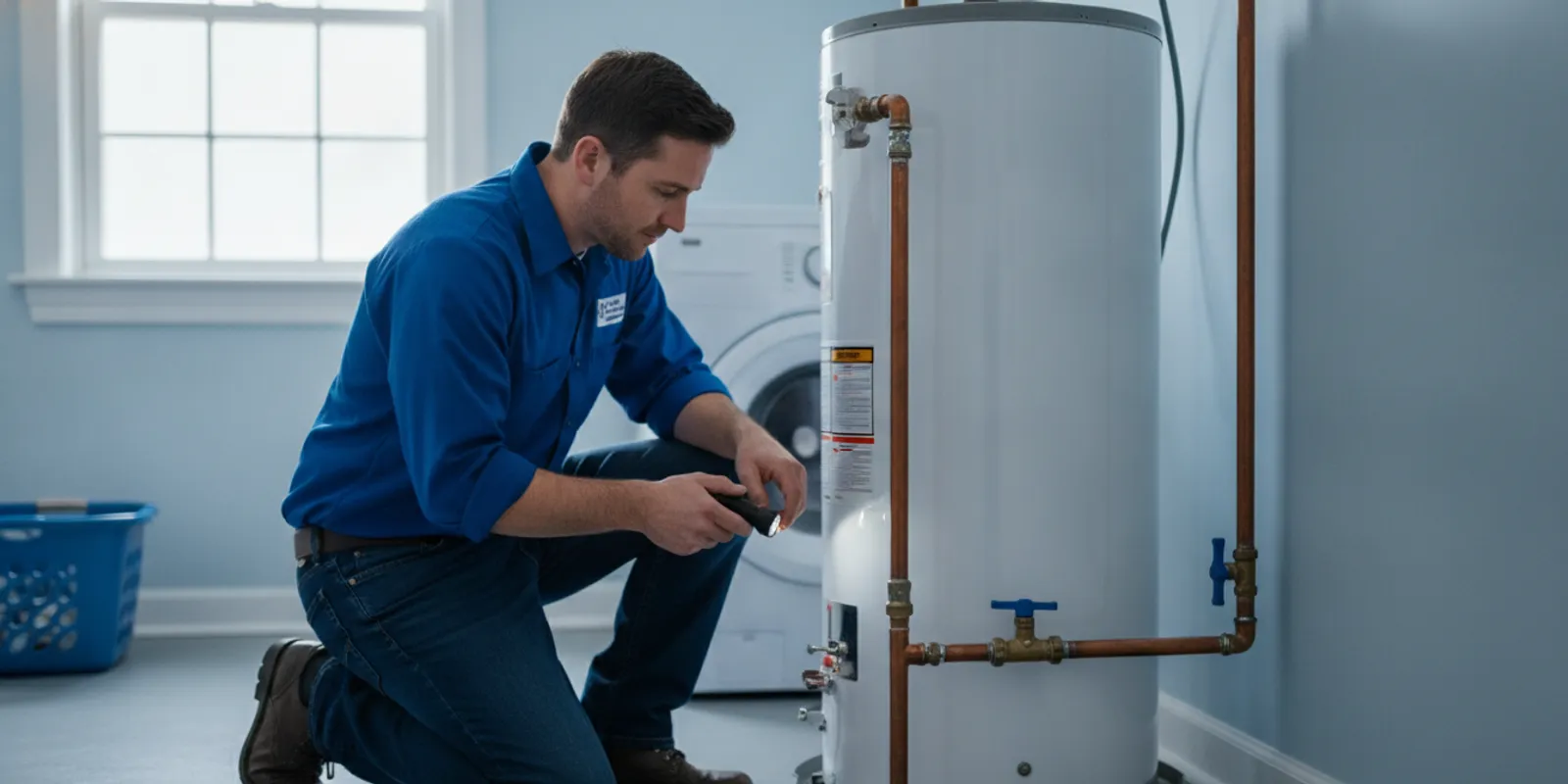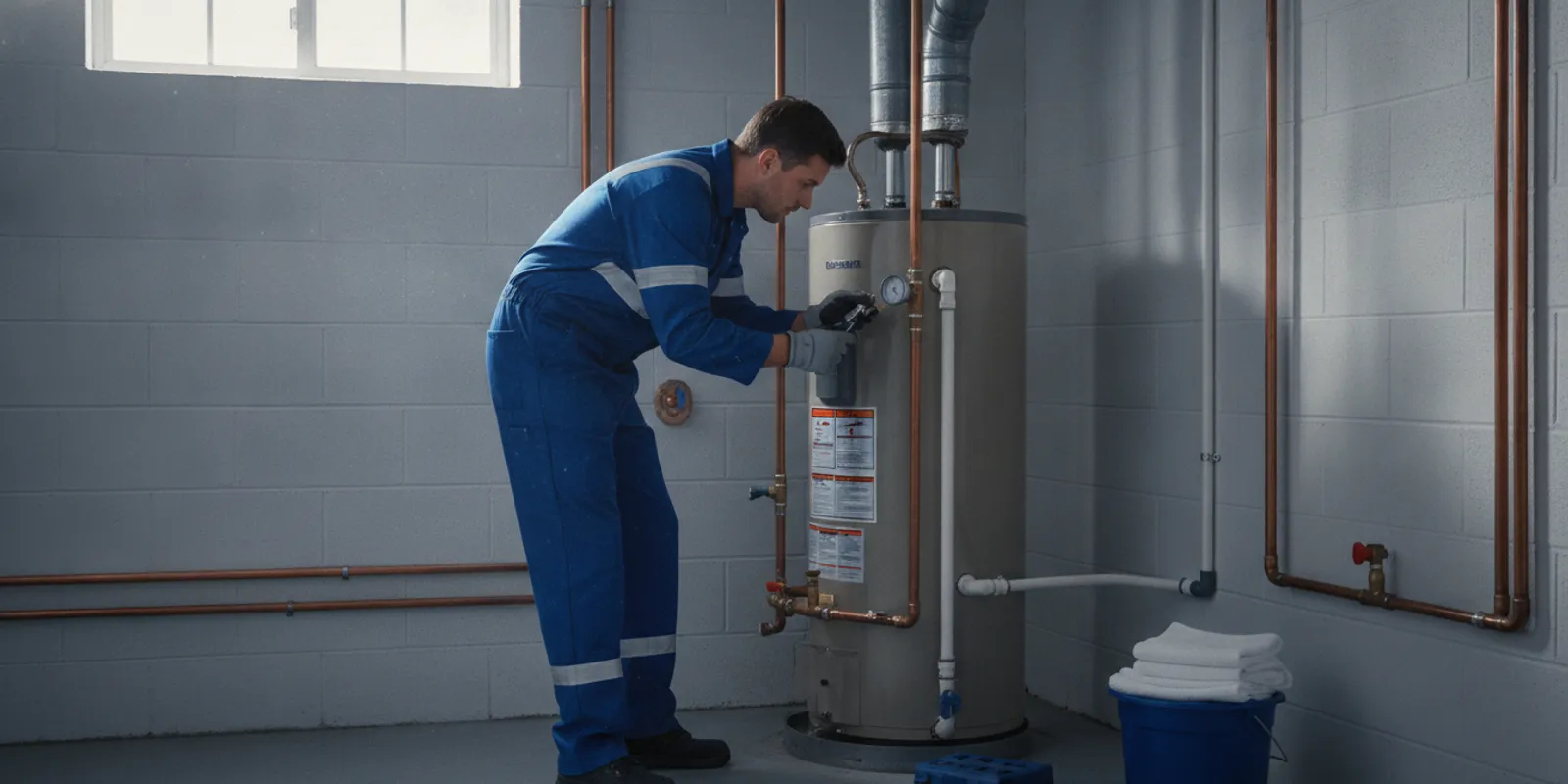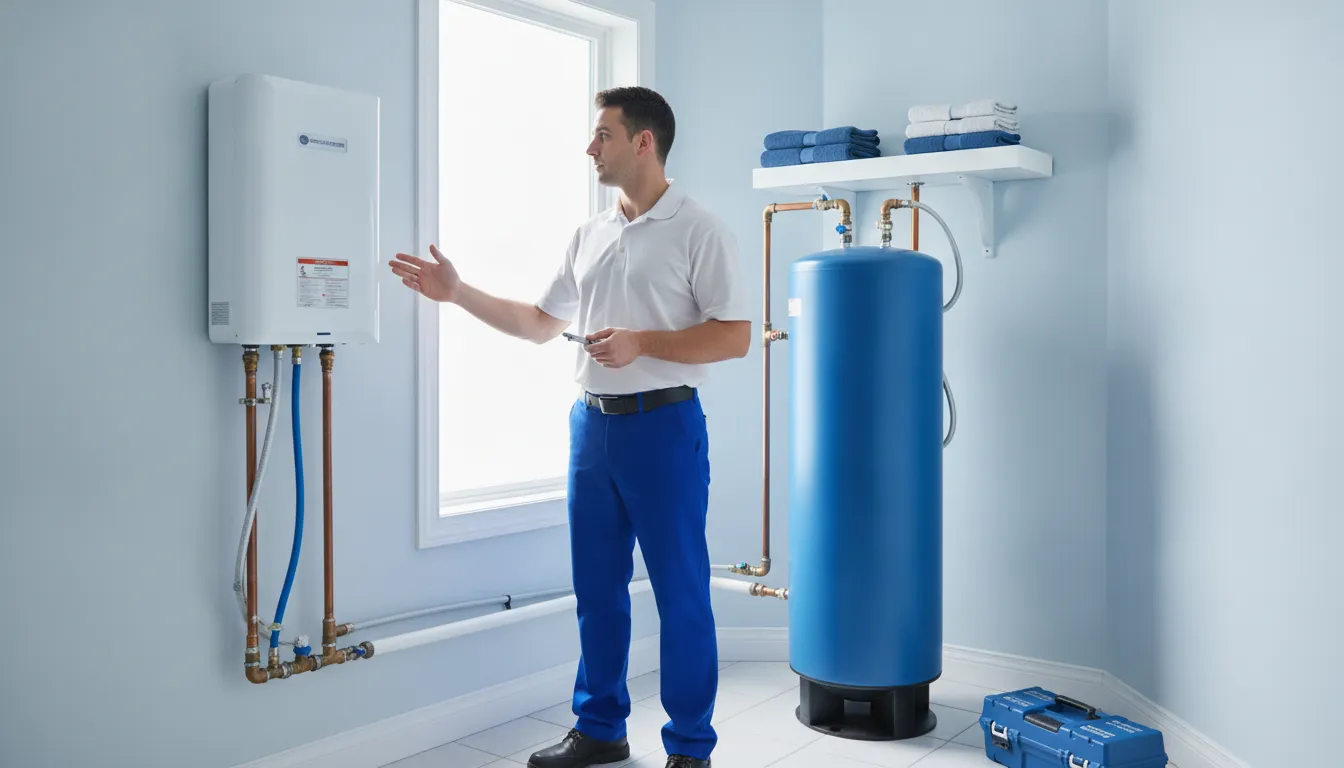


Thinking about installing a gas water heater yourself? Before you grab a wrench, know this: your most important tool is the installation diagram. This isn’t just a suggestion; it’s your complete roadmap to a safe and successful setup. It details every critical step, from ensuring proper ventilation to correctly sizing and sealing the gas line. Overlooking a single detail can lead to inefficient performance, water damage, or even a dangerous gas leak. I’ll walk you through the diagram’s key parts, helping you understand the project’s scope and decide if it’s the right move for you.
Key Takeaways
- Learn the Key Landmarks on Your Diagram: Treat the installation diagram as a map to your water heater. Identifying the main parts—like the gas and water lines, shut-off valves, and vent pipe—helps you understand how the system works and what might be wrong if a problem arises.
- Focus on Gas and Venting Safety: The two most critical parts of any installation are the gas line and the vent system. A secure, leak-free gas connection and a properly installed vent to carry carbon monoxide outside are non-negotiable for your family’s safety.
- Leave Complex Tasks to the Professionals: While understanding your system is empowering, any work involving gas lines, local building codes, or permits should be handled by a licensed plumber to ensure the job is done safely and your warranty remains intact.
How to Read Your Gas Water Heater Diagram
Looking at a gas water heater installation diagram for the first time can feel a bit like trying to read a secret code. With all its lines, symbols, and labels, it’s easy to feel overwhelmed. But don’t worry—it’s really just a map of your water heater system. Once you learn to identify the key landmarks, you’ll be able to follow the path and understand exactly how your unit works. Think of it as a simple guide that shows you where everything goes and what it does, helping you feel more confident about the appliance that provides all your hot water.
What Am I Looking At? Key Diagram Components
Every gas water heater diagram will highlight a few essential components that are the heart of the system. You’ll always see the gas supply line, which delivers fuel to the heater, and its corresponding gas supply shut-off valve—a crucial safety feature for stopping the gas flow. The diagram also points out the cold water inlet, where water enters the tank to be heated, and the hot water outlet, where the heated water exits to travel to your faucets and showers. Each of these water lines should also have its own shut-off valve. Understanding these core parts is the first step to making sense of the entire system and any plumbing services you might need.
Follow the Flow of Water and Gas
The main purpose of an installation diagram is to show you how everything flows. You can trace the path of the cold water as it comes into the tank through the inlet pipe. Inside, the gas burner heats the water. Once it reaches the right temperature, the hot water rises to the top of the tank and flows out through the hot water outlet, ready for you to use. Similarly, you can follow the gas line from the main supply, through the shut-off valve and thermostat controls, to the burner at the bottom of the tank. Visualizing this process makes it much easier to understand how your water heater operates and spot where a problem might be occurring.
Understanding Different Types of Diagrams
While there can be slight variations, most manufacturers provide what’s called a “typical installation” diagram. This visual guide is designed to be a clear, straightforward map for both professionals and curious homeowners. It lays out all the necessary components and connections, showing how they fit together to create a safe and efficient system. These diagrams are invaluable for ensuring a correct installation, but they are also great learning tools. If you ever find yourself unsure about a step or a connection, it’s always best to pause and contact a professional. Your safety is always the top priority, especially when working with gas appliances.
Get to Know Your Gas Water Heater’s Parts
A gas water heater diagram can look like a complex puzzle, but once you know what the key pieces are, it all starts to make sense. Think of it like a “meet the team” for your appliance—each part has a specific job, and they all have to work together to deliver that hot shower you love. Understanding these components is the first step to confidently reading any installation diagram and knowing what’s happening inside that big metal tank. Whether you’re a DIY enthusiast planning an installation or a homeowner who just wants to be more informed, getting to know your water heater’s anatomy is a smart move. It empowers you to handle minor maintenance and recognize when a problem requires a professional touch.
From the lines that carry gas and water to the safety features that keep your home protected, each symbol on the diagram represents a real, physical part. We’ll walk through the most important ones you’ll find on your gas water heater, breaking down their functions in simple terms. Knowing what they are and what they do not only helps with installation but also makes it easier to spot potential problems down the road. A little knowledge can go a long way in extending the life of your unit and keeping it running efficiently. If you ever need a hand with a tricky situation, our team is always ready to provide emergency plumbing support. Let’s get familiar with the essential players.
The Gas Supply Line and Shut-Off Valve
The gas supply line is exactly what it sounds like: a dedicated pipe that brings natural gas from your home’s main line to the water heater’s burner. On a diagram, you’ll see this line connecting to the gas control valve. Attached to this line, right before it reaches the heater, is the gas shut-off valve. This valve is one of the most important safety features you have. It’s typically a small handle that you can turn to stop the flow of gas instantly. Make sure you know where this valve is and how to turn it off in case you ever smell gas or suspect a leak.
Cold Water In, Hot Water Out
Your water heater has two main water connections, usually on top of the tank. The cold water inlet is the pipe that brings cold water from your home’s plumbing system into the tank to be heated. Inside, a dip tube carries this cold water down to the bottom of the tank, near the burner. Once the water is heated, it rises to the top and exits through the hot water outlet, which sends it out to your faucets, shower, and appliances. On diagrams and often on the unit itself, these pipes are labeled or color-coded (blue for cold, red for hot) to prevent mix-ups.
The All-Important T&P Relief Valve
This is a non-negotiable safety device. Your water heater is a pressurized tank, and heating water creates even more pressure. The T&P relief valve is designed to automatically open and release water if the temperature or pressure inside the tank gets dangerously high, preventing a potential explosion. You’ll find it on the top or side of the tank with a discharge pipe running down the side. This pipe should never be capped or blocked. If you see the T&P valve dripping, it’s a sign that it’s doing its job, but it also means there’s an underlying issue that needs a professional look.
Your Venting System and Flue Pipe
Gas water heaters create combustion gases as they burn fuel, including harmful carbon monoxide. The venting system, or flue pipe, is the dedicated exhaust channel that safely directs these gases out of your home. Proper ventilation is critical for your family’s safety. The installation diagram will show how the flue pipe should connect to the top of the water heater and run to the outside, either through a wall or the roof. It must be correctly sized and sloped to ensure a proper draft. Any gaps, blockages, or incorrect connections in the venting system can be extremely dangerous.
The Drain Valve and Anode Rod
Near the bottom of the tank, you’ll find a drain valve that looks like a regular spigot. This valve allows you to empty the tank to flush out sediment, which helps maintain efficiency and prolong the heater’s life. Hidden inside the tank is another crucial part: the anode rod. This is a long metal rod made of aluminum or magnesium that hangs down from the top. Its job is to corrode through electrolysis so that the steel tank doesn’t. It’s often called a “sacrificial” rod, and it’s the unsung hero of your water heater’s longevity.
So, How Does a Gas Water Heater Work?
Your gas water heater is a quiet workhorse, but how does it actually function? Understanding the process can help you recognize when something isn’t right. At its core, a gas water heater uses a simple and effective cycle to heat and store water, ensuring you have it right when you need it. The whole operation is a coordinated effort between a few essential parts. Here’s a closer look at how they work together.
The Heating Process, Step-by-Step
The magic of your water heater relies on a basic law of physics: heat rises. When you use hot water, cold water enters the tank through a dip tube that directs it to the bottom. Down there, a gas burner ignites and heats the water. As the water warms, it becomes less dense and naturally rises to the top of the tank, while cooler water sinks to take its place near the heat source. This convection cycle ensures the hottest water is always at the top, ready for your shower or sink. It’s a continuous process that keeps hot water on demand, one of the many expert plumbing solutions that keep your home running smoothly.
Understanding the Gas Burner and Controls
Your water heater’s gas burner doesn’t run constantly. It’s controlled by the thermostat, which acts as its command center. When the thermostat detects that the water temperature has fallen below the set level, it signals the gas control valve to open. This allows gas to flow to the burner, where it’s ignited by a pilot light or electronic igniter. If you ever smell gas or suspect the burner isn’t working correctly, it’s a situation that requires emergency plumbing services right away. The burner heats the water until the thermostat registers that the target temperature is reached, then the valve closes to conserve energy.
How the Thermostat Keeps Water at the Right Temp
Think of the thermostat as the brain of your water heater. Its main job is to constantly monitor the water temperature inside the tank and keep it within a specific range. As soon as you draw hot water and cold water enters to replace it, the thermostat senses the change and activates the burner. Once the water is back to the preset temperature, it shuts the burner off. This automatic regulation provides a reliable supply of hot water while also operating efficiently. If your water temperature seems off, the thermostat might be the issue, and it’s a good idea to contact a professional to take a look.
Choosing the Right Gas Water Heater for Your Home
Picking a new gas water heater can feel like a major commitment, and it is. This appliance is one of the hardest-working pieces of equipment in your home, and your choice will impact your daily comfort and your utility bills for years to come. But you don’t have to be an expert to make a smart decision. The key is to break it down into a few important factors: the type of heater, its features, its expected lifespan, and its energy efficiency. By looking at each of these pieces, you can find a model that fits your family’s needs, your home’s setup, and your budget. This guide will walk you through everything you need to consider, so you can feel confident you’re making the right investment for your home.
Types and Features to Consider
When you start shopping for a gas water heater, you’ll notice they aren’t all the same. Beyond the brand name, you’ll find different fuel sources, venting requirements, and tank sizes, all of which play a role in how the unit will perform in your home. It’s important to match these features to your specific situation. For example, the right tank size depends entirely on how many people live in your house and your hot water habits. Thinking through these details upfront will ensure you get a reliable supply of hot water without overpaying for a system that’s more than you need. Let’s look at the key features you’ll need to evaluate.
Fuel Type: Natural Gas vs. Propane
The first and most straightforward decision is the fuel type. Your home is likely already set up for either natural gas or propane, which makes this choice for you. Natural gas is delivered to your home through a utility pipeline, while propane is stored in a large tank on your property. Most water heater models, like the A.O. Smith ProLine® series, are available in both natural gas and propane versions. The key is to ensure you purchase the correct one, as they are not interchangeable. If you’re unsure which fuel your home uses, a quick look at your utility bills or a call to a professional plumber can clear it up.
Venting Systems: Atmospheric, Direct, and Power Vent
Because gas water heaters produce combustion gases, they must be vented safely to the outdoors. The venting system is a critical safety component, and your home’s layout will determine which type you need. An atmospheric vent uses the natural draft of hot air rising to push exhaust up a chimney. A power vent uses a fan to actively push exhaust out through a wall, which is useful if a vertical chimney isn’t available. A direct vent system is a sealed unit that pulls combustion air from outside and vents exhaust back out, making it a great option for tightly sealed, modern homes. Proper ventilation is non-negotiable for your family’s safety, and a professional installation ensures it’s done right.
Tank and Physical Sizing
Choosing the right size tank is all about balancing your family’s needs with energy efficiency. A tank that’s too small will leave you running out of hot water, while one that’s too large will waste energy heating water you don’t use. A 40-gallon tank is often sufficient for 2-3 people, while a family of four or more will likely need a 50-gallon tank or larger. Also, consider the unit’s physical dimensions to ensure it will fit in your designated space. Finally, look at the warranty. Most models come with a 6-year warranty, but some premium units offer 8 or 10-year warranties, which often indicates higher-quality components and a longer expected lifespan.
Special Features
Modern water heaters come with features designed to improve safety, efficiency, and environmental impact. One of the most important features to look for is a low-NOx or ultra-low-NOx burner. NOx, or nitrogen oxides, are pollutants that contribute to smog and acid rain. Many manufacturers now offer models with advanced burners that significantly reduce these emissions, which is better for the environment and local air quality. Other features might include electronic controls for more precise temperature settings or advanced diagnostic systems that make it easier to troubleshoot issues. These thoughtful additions can make a big difference in the performance and longevity of your unit.
Understanding Lifespan and Warranty
A new gas water heater is a significant investment, so you want to know it’s going to last. On average, a traditional tank-style gas water heater has a lifespan of about 8 to 12 years. The manufacturer’s warranty is often a good indicator of the unit’s expected durability. A standard warranty is typically 6 years, covering both the tank and parts. However, models with longer warranties—some extending up to 10 or even 12 years—are usually built with higher-quality materials, such as a thicker tank lining or a more robust anode rod, designed to resist corrosion and extend the heater’s life. Regular maintenance, like flushing the tank annually to remove sediment, is also crucial for getting the most years out of your water heater.
Energy Efficiency and Environmental Impact
Your water heater is one of the biggest energy consumers in your home, so choosing an efficient model can lead to real savings on your monthly utility bills. Beyond your wallet, a more efficient water heater also has a smaller environmental footprint. Manufacturers are continuously improving designs to get more heat out of every unit of fuel burned, reducing both energy waste and harmful emissions. Understanding a few key ratings and industry trends can help you select a water heater that is both cost-effective and environmentally responsible, making it a smart choice for today and for the future.
Decoding Energy Ratings: UEF and ENERGY STAR
When comparing water heaters, the most important efficiency metric to look for is the Uniform Energy Factor, or UEF. This number, which typically ranges from about 0.55 to 0.95 for gas tank heaters, tells you how much of the fuel energy is actually converted into hot water. The higher the UEF, the more efficient the unit. For an easy shortcut, look for the ENERGY STAR® label. These certified models are guaranteed to be significantly more efficient than standard models, often using 10-15% less energy. Investing in a high-efficiency unit might cost a bit more upfront, but the long-term savings on your gas bill can quickly make up the difference.
Low NOx and Emissions Standards
Concerns about air quality have led to stricter regulations on emissions from gas appliances. The main target is nitrogen oxides (NOx), which are byproducts of combustion that contribute to smog and other environmental issues. In response, manufacturers have developed low-NOx and ultra-low-NOx water heaters that use advanced burner technology to minimize these harmful emissions. While these standards were first mandated in states like California, these cleaner-burning models are now widely available everywhere. Choosing a low-NOx water heater is a responsible decision that helps protect air quality for your community without sacrificing performance.
The Future of Gas Heaters and Regional Regulations
The home appliance industry is gradually shifting toward greater efficiency and lower environmental impact. Some regions, like California, are beginning to implement regulations aimed at phasing out gas-powered appliances in new construction in favor of zero-emission electric options. While these changes aren’t happening everywhere yet, they signal a long-term trend. For now, high-efficiency gas water heaters remain an excellent and widely used option. As you shop, just be aware of this trend and consider that investing in the most efficient model available is a forward-thinking choice that aligns with the future of home energy and may be supported by local rebates or tax credits.
Understanding the Costs and Financial Incentives
The final piece of the puzzle is your budget. The total cost of a new water heater isn’t just the price on the sticker; it also includes professional installation, any necessary permits, and potential modifications to your plumbing or venting. While it can seem like a lot, it’s important to remember that a new, more efficient unit can save you money every month on your utility bills. Furthermore, there are often financial incentives available, like rebates from utility companies or government tax credits, that can help offset the initial expense. By looking at the full financial picture, you can make a choice that’s both affordable upfront and economical in the long run.
Average Installation Costs
When you get a quote for a new water heater, the price will include both the unit itself and the cost of labor for installation. Professional installation is essential, especially with a gas appliance, to ensure all connections are secure, the venting is safe, and everything is up to local code. The complexity of the job can affect the final price. For example, if new plumbing lines or a different venting system are required, the cost will be higher than a straightforward replacement. It’s always a good idea to get a detailed quote from a trusted company like Mr. Pipey that outlines all the costs involved so there are no surprises.
Standard Tank Water Heaters
For a standard gas tank water heater, the total cost for the unit and professional installation typically falls somewhere between $1,600 and $2,400. This price range can vary based on the size and efficiency of the tank you choose, as well as the specific labor rates in your area. A basic 40-gallon model will be on the lower end of that spectrum, while a larger, high-efficiency 50-gallon unit with a longer warranty will be closer to the top end. This cost generally covers the removal and disposal of your old unit, the new water heater, and all the necessary labor and materials for a standard installation.
Tankless Water Heaters
Tankless, or on-demand, water heaters are a more significant initial investment. The average cost for a tankless unit and installation can range from $2,400 to $5,400. There are a few reasons for the higher price tag. The units themselves are more technologically advanced and therefore more expensive. The installation process is also often more complex, sometimes requiring upgrades to your gas line to provide enough fuel, as well as new, specialized venting. While the upfront cost is higher, tankless heaters are more energy-efficient and have a longer lifespan than traditional tanks, which can lead to significant long-term savings.
Available Rebates, Tax Credits, and Loans
To encourage homeowners to choose energy-efficient appliances, many utility companies and government agencies offer financial incentives. These can come in the form of direct rebates, tax credits, or low-interest loans that can make a high-efficiency model much more affordable. Before you buy, it’s worth spending a little time researching what’s available in the Metro Detroit area. Check the websites for your local gas utility and the federal ENERGY STAR program. These programs can sometimes reduce the cost of a top-of-the-line, energy-saving water heater to the price of a standard model, giving you long-term benefits for a lower initial investment.
Your Pre-Installation Safety Checklist
Installing a gas water heater isn’t just about connecting pipes; it’s about ensuring your home and family are safe. Gas appliances demand respect and a thorough understanding of safety protocols. Before you even think about picking up a wrench, it’s critical to get familiar with the non-negotiables of a safe installation. From handling gas lines correctly to understanding local building codes, every step is designed to prevent accidents. While a diagram provides a roadmap, these safety fundamentals are the guardrails that keep you on the right path. Overlooking any of them can lead to serious risks, including gas leaks or carbon monoxide exposure. That’s why we always say that when in doubt, calling a professional is the smartest move you can make.
Gas Line Safety: How to Spot a Leak
Working with natural gas lines is a serious task. A leak can be incredibly dangerous, so knowing how to detect one is essential. The most obvious sign is the distinct smell of rotten eggs, an additive called mercaptan that gas companies use for this exact reason. You might also hear a hissing sound near the gas line or see bubbles if you apply soapy water to a connection. If you suspect a leak, act immediately. Do not turn any lights or appliances on or off, and don’t use your phone. Leave your home right away, and from a safe distance, call your gas company and a professional for emergency plumbing services.
Why Proper Ventilation Is Non-Negotiable
Your gas water heater creates combustion gases as it works, including carbon monoxide (CO), which is colorless, odorless, and toxic. Proper ventilation is what carries these harmful gases safely out of your home. A common and dangerous installation mistake is neglecting the venting requirements. The vent pipe, or flue, must be correctly sized, securely connected, and sloped properly to ensure a clear path for exhaust. An improperly installed vent can leak CO into your living space, creating a serious health hazard. This is one area where there is absolutely no room for error, and professional expertise is vital to get it right.
Do You Need a Permit? Checking Local Codes
Plumbing and gas line work is regulated by local building codes to ensure every installation is done safely. Before starting, you need to check the specific regulations for your area in Metro Detroit. Most jurisdictions require a permit for a water heater installation, which often means the work must be performed by a licensed plumber. Following these codes isn’t just about avoiding fines; it’s about protecting your property and ensuring your system is compliant and safe. A professional plumber will handle the permits and ensure every aspect of the job meets or exceeds local requirements.
Giving Your Heater Enough Space to Breathe
Where you place your water heater matters. It needs to be located in an area with enough clearance for proper airflow and future maintenance. A technician will need access to service, repair, or eventually replace the unit. Codes also have strict rules about placement; for example, a water heater in a bedroom or bathroom must be installed in a sealed enclosure to ensure it doesn’t pull combustion air from the living space. Following these positioning rules is key for both the unit’s performance and your home’s safety. Proper placement is a foundational step in any of our plumbing services.
Your Step-by-Step Critical Installation Steps
Once you’ve familiarized yourself with the diagram and its components, it’s time to see how it guides the actual installation. Think of the diagram as your recipe—following it step-by-step is the key to a successful outcome. Each connection and placement is designed for safety and efficiency, so precision is everything. These steps are where a diagram moves from being a drawing to being a practical guide for a safe, functional water heater. If at any point the process feels too complex, remember that a professional plumber can handle the installation for you, ensuring everything is done correctly and up to code.
Step 1: Position Your Heater Correctly
Before a single pipe is connected, your diagram will specify where the water heater should be placed. This isn’t just about finding a convenient spot; it’s about safety and future access. Your local building codes have strict rules about how much clearance space is needed around the unit to prevent fire hazards and ensure proper airflow. The diagram enforces these rules, showing the minimum distances required from walls and other objects. It also ensures the unit is accessible for future maintenance, servicing, and eventual replacement. You don’t want to box in your water heater, making it impossible for a technician to perform routine checks or repairs down the line.
Step 2: Connect the Water and Gas Lines
This is one of the most critical phases of the installation. Your diagram will clearly show the cold water inlet, the hot water outlet, and the gas supply line. Following the diagram ensures you don’t mix up the water lines, which is a common DIY mistake. It will also pinpoint the location of the gas supply shutoff valve—a vital safety feature that allows you to stop the gas flow instantly. Ensuring these connections are tight and leak-free is non-negotiable. A water leak can cause significant damage, but a gas leak is a serious safety hazard that requires immediate attention and often emergency plumbing services.
Step 3: Set Up the Venting System
Proper ventilation is essential for any gas appliance, and your water heater is no exception. The venting system, or flue, is responsible for safely carrying toxic exhaust fumes like carbon monoxide out of your home. The installation diagram provides a detailed guide for assembling and installing this system. It shows how the vent pipe should connect to the heater and the correct angle and direction it needs to run to ensure proper draft. Improper venting is one of the most dangerous installation mistakes, so pay close attention to this part of the diagram to protect your family’s health and safety.
Step 4: Connect the Pilot Light and Controls
While it’s a gas water heater, there are still a few electrical components that need to be connected correctly. Modern units often have an electronic pilot light, thermostat, and other controls that require a power source. The diagram will illustrate how to wire these components safely. Incorrect connections can lead to the unit not functioning at all or, worse, failing to operate safely. Taking the time to ensure every wire is connected as shown in the diagram contributes to the long-term performance and reliability of your water heater. When in doubt, it’s always best to contact a professional to handle the final connections.
Common Installation Mistakes to Avoid
Even with a detailed diagram in hand, installing a gas water heater is a project where small mistakes can lead to big problems. It’s not just about getting hot water; it’s about keeping your home and family safe. A single overlooked step or an incorrect connection can result in gas leaks, water damage, or inefficient performance that drives up your utility bills. Understanding the most common pitfalls is the first step to avoiding them.
Following a diagram requires precision. It’s easy to misinterpret a symbol or grab a part that’s almost the right size. From ensuring the venting system can safely carry exhaust fumes outside to confirming the gas line is properly sized and sealed, every detail matters. These aren’t just suggestions—they are critical safety requirements. Before you even pick up a wrench, let’s walk through the mistakes that happen most often so you can be prepared to get the job done right. If at any point you feel unsure, remember that our team at Mr. Pipey is always here to help.
Mistake #1: Incorrect Venting
Proper ventilation is non-negotiable for any gas appliance, and your water heater is no exception. The venting system, or flue, is responsible for safely directing combustion gases like carbon monoxide out of your home. One of the most dangerous mistakes is creating a vent that is improperly sloped, has too many bends, or is made from the wrong material. This can cause harmful gases to build up and leak back into your living space. Always make sure your vent pipe has a consistent upward slope and is securely connected, with no gaps or leaks.
Mistake #2: Using the Wrong Gas Line Size
The gas line is your water heater’s fuel source, and its size is critical for both safety and performance. Using a gas pipe or connector that’s too small can starve the burner for fuel, leading to inefficient heating and soot buildup. More importantly, using the wrong size fittings or failing to seal them properly can cause a gas leak—a serious hazard. Your installation diagram should specify the required pipe diameter based on the heater’s BTU rating and the distance from the gas meter. If you suspect a leak, call for emergency plumbing services immediately.
Mistake #3: Setting the T&P Valve Incorrectly
Your water heater is equipped with a temperature and pressure (T&P) relief valve, a crucial safety feature designed to release pressure if it builds up to dangerous levels. A common mistake is installing this valve incorrectly or using the wrong type of pipe for its discharge line. Additionally, setting the water temperature too high on the thermostat can create a scalding risk, especially for children and the elderly. Most experts recommend a setting of 120°F to balance safety and comfort. Getting these settings right is key to safe, everyday operation.
Mistake #4: Skipping the Final Safety Check
Once the last connection is tightened, it’s tempting to call the job done. However, skipping a final, thorough inspection is a risk you shouldn’t take. This is your chance to double-check every connection, from the water lines to the gas pipe and the venting. Use a leak detection solution to check all gas fittings for bubbles. Make sure the flue is drawing properly and that there are no signs of water drips. A careful final review ensures everything is installed correctly and safely. If you have any doubts, it’s always best to contact a professional to perform an inspection.
How to Fix Common Installation Problems
Even with a diagram, things can go wrong during installation. If your new water heater isn’t working right, a few common culprits are often to blame. Before you panic, walk through these troubleshooting steps. Your safety is the top priority, especially with gas appliances.
Is It a Leaky Connection?
A secure connection is everything. After installation, double-check every plumbing fitting to ensure it’s tight and leak-free. Even a slow drip can lead to water damage. For the gas line, apply a solution of soapy water to the connections; if you see bubbles, you have a gas leak that needs immediate attention. Don’t overtighten fittings, as this can damage the threads, but make sure they are snug. If you find a leak you can’t easily fix, it’s best to call for emergency plumbing services.
What If It Won’t Light? Solving Ignition Issues
If your pilot light won’t ignite or stay lit, the problem often traces back to the gas supply. First, confirm the gas shut-off valve is fully open and the gas line connection is secure. A loose connection can interrupt the flow and prevent proper ignition. While checking for tightness is a good first step, never attempt to modify or repair a gas line yourself. If you have any doubts about the gas connections, it’s crucial to contact a professional. Handling gas lines requires specific expertise to ensure safety.
Water Too Hot or Too Cold? How to Fix It
Is your water not getting hot enough, or is the pressure off? Start by checking the thermostat on the water heater to ensure it’s set to your desired temperature (around 120°F). Another critical component is the temperature and pressure (T&P) relief valve. This safety device is designed to open and release pressure if it builds up to dangerous levels. If this valve was installed incorrectly or is faulty, it can affect both performance and safety. An improperly seated valve might leak, while a stuck one creates a serious hazard.
Checking for Venting and Airflow Problems
Proper ventilation is non-negotiable for a gas water heater. The venting system, or flue pipe, safely carries combustion byproducts like carbon monoxide out of your home. A lack of proper airflow or a blocked vent can cause these dangerous gases to accumulate indoors. Check that the vent pipe is securely connected and free of obstructions, like bird nests. If you notice soot around the base of the heater or moisture on the flue pipe, it could signal a venting problem that requires inspection from a trusted plumbing expert.
Considering Alternatives to Gas Water Heaters
While you’re getting familiar with your gas water heater diagram, it’s also a great time to know what other options are out there. Gas heaters have long been a reliable standard, but technology has come a long way, offering alternatives that are incredibly efficient and better for the environment. If you’re thinking about a future replacement or are simply curious about making your home’s energy use cleaner, exploring these options can be an empowering step. From models that pull heat from the surrounding air to systems that harness the sun, the right water heater for your home might not be the one you expected. Let’s look at a few popular alternatives to traditional gas units.
Zero-Emission Options
For homeowners looking to reduce their carbon footprint, zero-emission water heaters are an excellent choice. These systems run on electricity, which means they don’t burn fossil fuels in your home to create hot water. This eliminates the need for gas lines and complex venting systems, simplifying the installation process and removing the risk of carbon monoxide leaks. As the electrical grid increasingly incorporates renewable energy sources, these appliances become an even cleaner choice for your home. Moving to an electric model can be a significant step toward a more sustainable and energy-efficient household, often with the added benefit of lower long-term operating costs.
Electric Heat Pump Water Heaters
Heat pump water heaters, also known as hybrid models, are a game-changer in efficiency. Instead of generating heat directly, they cleverly pull heat from the surrounding air and transfer it to the water in the tank. This process makes them far more efficient than both traditional gas and standard electric heaters. While they have a higher upfront cost, an ENERGY STAR-certified unit can save a household hundreds of dollars each year on utility bills. Over the appliance’s lifetime, these savings can add up to thousands, making it a smart financial investment that also reduces your home’s environmental impact.
Electric Resistance and Solar Thermal Heaters
Beyond heat pumps, there are other electric options to consider. Standard electric resistance water heaters work much like a giant tea kettle, using heating elements submerged in the tank. They are generally less expensive to purchase and install than heat pump models but are also less efficient to operate. Another alternative is a solar thermal system, which uses collectors on your roof to capture the sun’s heat and transfer it to your water tank. While more complex, this method can significantly reduce your reliance on conventional energy, making it one of the greenest choices available for your home’s hot water needs.
Performance, Cost, and Installation Needs
When considering a switch, it’s important to look at the whole picture: performance, cost, and what it takes to get the new unit installed. Heat pump water heaters require a bit more space than traditional tanks for adequate airflow and may need a nearby drain for condensation. However, a qualified professional can easily assess your space and electrical setup to ensure a smooth installation. While the initial purchase price is higher, the total cost of ownership is often lower than other types thanks to significant energy savings. Exploring all your plumbing solutions with an expert can help you weigh the upfront investment against the long-term benefits for your budget and home.
When Should You Call a Professional?
While tackling a home improvement project yourself can be incredibly rewarding, installing a gas water heater is one of those jobs where calling in a professional is the smartest move. Working with gas lines requires specialized knowledge, tools, and a deep understanding of safety protocols. A small mistake can have serious consequences for your home and family.
Even if you feel confident, certain aspects of the installation process are best handled by a licensed plumber. From navigating local codes to ensuring your warranty stays intact, a professional brings peace of mind that’s well worth the investment. If you ever find yourself in a situation that feels over your head, don’t hesitate to call for emergency plumbing assistance. It’s always better to be safe.
If You’re Dealing with Complex Gas Lines
Connecting a gas line isn’t like hooking up a garden hose. It involves precise fittings, pressure testing, and a zero-tolerance policy for leaks. When you’re installing a gas water heater, you’ll also need to secure the right permits. A mechanical permit is typically required to ensure the installation complies with all safety regulations, which is especially critical for gas appliances. A professional plumber not only has the expertise to handle the gas lines safely but also knows the local permit requirements inside and out. They can manage the paperwork and ensure your installation is fully compliant from the start, saving you from potential fines and safety hazards down the road.
If You’re Worried About Safety or Codes
Local building codes are not just suggestions—they are rules designed to keep you safe. These codes dictate everything from the type of materials you can use to where the water heater can be placed. For example, there are specific rules for installations in sensitive areas like garages, where gas appliances can pose additional risks if not handled correctly. A professional plumber is well-versed in these local codes and will make sure your new water heater meets every standard. This protects your home from fire hazards and ensures your system operates safely and efficiently. It’s a crucial step in any backflow preventer or gas appliance installation.
Navigating Metro Detroit Plumbing Codes
In Metro Detroit, plumbing codes aren’t just bureaucratic hurdles; they are essential safety rules designed to protect your home and family. These regulations dictate everything from the type of pipes you can use to the exact placement of your new water heater. For a gas appliance installation, most local jurisdictions will require you to pull a permit, and this almost always means the work must be performed by a licensed plumber. A professional team not only understands these specific local requirements but also handles the entire permitting process for you. This ensures your installation is fully compliant, avoiding potential fines and, more importantly, guaranteeing that all plumbing services are completed to the highest safety standards.
If You Want to Keep Your Warranty Intact
A new water heater is a significant investment, and the last thing you want to do is accidentally void the warranty. Many manufacturers require their products to be installed by a licensed professional to keep the warranty valid. This is because improper installation is a leading cause of malfunctions. If something goes wrong with a unit you installed yourself, the manufacturer may not cover the cost of repairs or replacement. Hiring a trusted professional from our team at Mr. Pipey ensures the job is done right the first time, safeguarding your investment and giving you full access to the warranty if you ever need it.
Related Articles
- Water Heater Installation: A Step-by-Step Guide
- How to DIY a Tankless Water Heater Installation
- Water Heater Cost and Installation: A Complete Guide
Frequently Asked Questions
Why is professional installation so important if I have the diagram? Think of the diagram as a perfect road map. While it shows you the destination, it doesn’t teach you how to drive in tricky conditions. A professional plumber brings the experience needed to handle the unexpected, like navigating your home’s unique plumbing, ensuring every gas connection is perfectly sealed, and making sure the entire installation complies with local Metro Detroit building codes. They handle the risks associated with gas lines and carbon monoxide venting so you don’t have to.
What are the signs of an improper venting system? An incorrect vent is a serious safety issue, so it’s smart to know what to look for. You might see black soot marks on or around the water heater, or notice excessive condensation and moisture on the flue pipe itself. Since the biggest danger is colorless and odorless carbon monoxide, you should always have working CO detectors in your home. If you notice any of these signs or your detector goes off, it’s time to call a professional right away.
My temperature and pressure (T&P) relief valve is dripping. What should I do? A dripping T&P valve is your water heater’s way of telling you something is wrong. It’s not a normal occurrence. The valve might be failing, or it could be doing its job because the pressure or temperature inside the tank is too high. Whatever you do, never try to plug or cap the discharge pipe. The safest step is to call a plumber to diagnose the underlying issue and determine if the valve or another component needs attention.
What’s the first thing I should do if I smell gas near my water heater? If you smell that distinct rotten-egg odor, you need to act immediately. Do not turn any lights or appliances on or off, and don’t use your phone inside the house. Leave your home right away, taking everyone with you. Once you are a safe distance away, call your gas utility company to report the potential leak, and then call a professional for emergency plumbing services.
Besides the diagram, what’s the most overlooked part of a water heater’s health? The installation diagram won’t show you the parts that wear down over time, and the most important one is the anode rod. This “sacrificial” rod is designed to corrode so your tank doesn’t, and it’s the single biggest factor in your water heater’s lifespan. Having it checked every few years and flushing sediment from the tank are key maintenance steps that keep your unit running efficiently long after the installation is complete.