

A slow drip from a corroded pipe and a sudden pipe burst are two very different plumbing emergencies. Naturally, they come with very different price tags. For any homeowner in the Metro Detroit area, the question of how much does it cost to fix a leaking pipe underground is a critical one, but the answer isn’t a single number. Your final bill is shaped by how hard the leak is to reach, the specific repair method used, and whether you need emergency service. We’ll break down exactly how these factors come together, helping you understand the financial side of the repair from start to finish.
Key Takeaways
- Repair costs are all about access: The final price for a fix is less about the pipe itself and more about how hard it is to reach. A leak under your lawn is a much simpler and less expensive job than one buried beneath a concrete driveway or your home’s foundation.
- Plan for costs beyond the pipe repair: Your total expense will likely include more than just the plumbing work. Remember to budget for essential steps like professional leak detection, city permits, and the cost of restoring your lawn, landscaping, or driveway.
- Proactive steps save you money: Investing in regular maintenance, like insulating pipes and scheduling inspections, is the best way to prevent leaks. When you do suspect a problem, calling a professional immediately for an accurate diagnosis will save you from the much higher cost of widespread water damage.
What’s the Real Cost to Fix a Leaking Underground Pipe?
Figuring out the cost to fix a leaking underground pipe can feel stressful because there isn’t a single, simple answer. The final price depends heavily on where the leak is and how hard it is to reach. While a straightforward plumbing repair might cost a few hundred dollars, an underground leak is a more complex issue. The price tag can range from several hundred to a few thousand dollars, depending on the specific situation at your Metro Detroit home. The unique details of your property, from the location of the pipe to the type of soil in your yard, all play a role in the final estimate.
What Do Different Pipe Repairs Usually Cost?
Let’s talk numbers. While a simple, accessible leak repair might start in the $280 to $350 range, underground leaks are in a different league. Because they are so difficult to access, you can expect the cost to be significantly higher. Most homeowners find themselves paying between $650 and $5,000 for this kind of work. The national average for a main water line repair hovers around $1,000. This wide range reflects the many variables involved, from a small leak under soft soil to a major break under concrete. These situations often require immediate attention, which is why having a trusted emergency plumbing team on call is so important.
Understanding Cost Breakdowns
So, what exactly are you paying for when you get a quote for an underground leak? The biggest chunk of the cost isn’t usually the pipe itself, but the labor and equipment needed to get to it. A leak located under your front lawn is far less expensive to fix than one buried beneath your concrete driveway or the foundation of your home. Beyond the excavation and repair, your final bill will also include other essential services. These can include professional leak detection to pinpoint the exact problem area, any necessary city permits, and the costs to restore your property afterward, whether that means replanting grass or repaving a section of your driveway. It’s important to know these factors to understand why prices vary so much.
Why Do Pipe Repair Prices Vary?
The biggest factor driving the cost of an underground pipe repair is accessibility. A leak located under your front lawn is much easier and cheaper to fix than one hidden beneath your driveway, patio, or home foundation. Hard-to-reach leaks require more time, labor, and specialized equipment to excavate and repair, which naturally increases the price. The depth of the pipe and the type of soil also matter. Digging through soft dirt is quicker than breaking through rocky ground or clay. Every job is unique, which is why a professional on-site assessment is key to getting an accurate quote for the plumbing solutions you need.
Don’t Believe These Pipe Repair Cost Myths
It’s easy to assume the worst and think any underground leak will drain your bank account. One common myth is that all plumbing work is excessively expensive, but most routine services are quite affordable. Another misconception is that every leak repair involves tearing up your entire yard. That’s not always the case, as modern methods can often minimize disruption. Instead of guessing or worrying, the best first step is to get a professional opinion. A clear, detailed estimate from a trusted plumber will give you the real story and help you understand your options. You can contact us for a transparent quote without any pressure.
What Really Determines Your Final Repair Bill?
When you discover an underground pipe leak, one of the first questions you’ll have is, “How much is this going to cost?” The truth is, there’s no single price tag for this kind of repair. The final bill depends on a handful of key factors that can vary from one home to the next. Think of it like fixing a car; a simple oil change costs much less than rebuilding an engine.
Understanding what goes into the estimate can help you feel more prepared and confident when you talk to a plumber. It’s not about getting a scary number, but about seeing a clear breakdown of the work required. From the pipe’s location to the type of soil in your yard, each element plays a part in the total cost. Let’s walk through the main factors that will shape your repair quote.
What Causes Underground Pipes to Leak?
Underground pipe leaks can feel like they come out of nowhere, but they’re almost always the result of a specific issue. These hidden problems can waste a significant amount of water and, if left unchecked, lead to serious structural damage to your property. Understanding the common culprits behind these leaks not only helps in diagnosing the problem but also highlights the importance of preventative care. From the natural aging process of your plumbing system to the shifting ground beneath your feet, several factors can put your pipes at risk. Let’s look at the five most common reasons you might find yourself dealing with a leak.
Aging and Corrosion
Just like anything else, pipes have a lifespan. Over decades, materials naturally break down. Older homes, especially, may have pipes made from galvanized steel or cast iron, which are highly susceptible to corrosion from the inside out. Minerals in the water, combined with oxygen, can slowly eat away at the pipe walls, creating weak spots that eventually turn into pinhole leaks or larger cracks. This gradual decay is one of the most common reasons for underground leaks, making it crucial to know the age and material of your home’s plumbing system.
Shifting Soil
Here in Michigan, we’re no strangers to changing seasons. The constant freezing and thawing of the ground can cause the soil around your pipes to expand, contract, and shift. This movement puts immense pressure on the pipes buried within it. Over time, this stress can cause pipes to bend, crack, or even separate entirely at the joints. Heavy rains that saturate the ground or long dry spells that cause it to shrink can have a similar effect. This external pressure is a powerful force that can compromise even well-installed plumbing.
Loose Connections
Your underground plumbing isn’t one single, continuous pipe; it’s a network of pipes connected by joints and fittings. These connection points are the most vulnerable parts of the system. Ground movement, water pressure fluctuations, and even tiny vibrations from nearby traffic can cause these fittings to loosen over time. Once a connection is no longer watertight, it creates an easy escape route for water, starting as a slow drip and often worsening into a more significant leak that requires professional attention.
Accidental Damage
Sometimes, the cause of a leak is more direct. Any kind of digging on your property poses a risk to your underground pipes. You might be installing a new fence, planting a tree, or starting a major landscaping project. If you accidentally strike a water line with a shovel or heavy equipment, you can cause immediate and severe damage. This is why it’s so important to have utility lines marked before starting any excavation work. A single moment of impact can lead to a costly and disruptive repair.
Improper Installation
The quality of the initial installation plays a huge role in the long-term health of your plumbing. If pipes were installed in a shallow trench, laid on a rocky bed without proper support, or if the connections weren’t sealed correctly, you’re looking at a system that was set up to fail. Poor workmanship can create stress points that lead to premature cracks and leaks. This is why choosing a reputable professional for any plumbing services is so critical; a job done right from the start saves you from expensive headaches later on.
How Pipe Location Affects the Price
Where the leak is located is one of the biggest factors in the repair cost. A leak in a pipe that’s just a few feet under your lawn is relatively easy to access. However, a pipe buried deep under a concrete driveway, a mature tree, or your home’s foundation is a different story. Getting to these hard-to-reach spots requires more time, labor, and specialized equipment to break through concrete or dig carefully around obstacles. The more work it takes to simply get to the pipe, the more you can expect the repair costs to increase.
Does Your Pipe’s Material and Age Matter?
The type of pipes you have matters, too. Modern plastic pipes, like PEX or PVC, are generally less expensive and quicker to repair. They are lightweight and easy to work with. On the other hand, older homes in the Detroit area often have pipes made of copper, cast iron, or galvanized steel. These materials can be more difficult and time-consuming to fix, especially if they are corroded or brittle from age. Sometimes, a simple patch isn’t enough, and a whole section of the old pipe needs to be replaced, which will influence the final cost of your plumbing services.
How the Size of the Leak Impacts Cost
Not all leaks are created equal. A slow, steady drip is a problem, but it’s a much different situation than a major pipe burst that’s flooding your yard. The severity of the leak impacts the cost in a few ways. A more significant leak might require a more complex repair or a larger section of pipe to be replaced. It could also mean more extensive water damage to the surrounding soil, which can complicate the repair process. A severe leak often becomes an emergency plumbing situation, which can also affect the overall cost.
Why Digging Can Drive Up Costs
What’s between your plumber and the leaking pipe? The answer is: your yard. The type of soil and the presence of obstacles can make a big difference in the labor required. Digging through soft, sandy soil is much faster and easier than excavating dense, rocky clay, which we often see here in Michigan. If the crew has to work around large tree roots, other utility lines, or landscaping features, that adds time and complexity to the job. All of this necessary excavation work is a key part of the labor costs involved in a traditional pipe repair.
How Your Location Affects Labor Costs
Finally, the cost of labor itself is a major component of your bill. Plumber rates vary based on location, experience, and the complexity of the job. While it might be tempting to look for the lowest hourly rate, remember that you’re paying for expertise and peace of mind. An experienced, licensed professional can diagnose the problem accurately and perform a lasting repair that prevents future issues. At Mr. Pipey, we provide clear, upfront estimates so you understand exactly what you’re paying for before we even start. You can always contact us for a detailed quote.
How Repair Methods Impact Your Total Cost
The way a plumber fixes your underground pipe is one of the biggest factors in your final bill. The choice often comes down to two main approaches: the classic dig-and-repair method or a more modern, less invasive trenchless technique. Understanding the difference will help you have a more informed conversation with your plumber and know what to expect when you see the estimate. Each method has its place, and the right one for you depends on your specific pipe problem, your property’s layout, and your budget.
Common Pipe Repair Solutions
Once a plumber has identified the source of your leak, the next step is choosing the right repair method. There isn’t a one-size-fits-all answer; the best approach depends on the age of your pipes, the extent of the damage, and where the problem is located. A professional will walk you through the options, explaining the pros and cons of each so you can make a confident decision. From a simple patch to a full replacement, the goal is always to provide a durable, long-lasting fix. Let’s look at some of the most common solutions for underground pipe leaks.
Spot Repairs for Localized Damage
When the damage is contained to one specific area, a spot repair is often the most practical and budget-friendly option. This method involves digging a targeted trench to access and replace only the small, damaged section of the pipe. It’s an ideal solution for newer pipes that have suffered a puncture or a crack in an isolated spot. By focusing only on the problem area, you minimize excavation and keep costs down without compromising the integrity of the repair. This approach is a great example of the kind of cost-effective plumbing solutions we focus on, addressing the immediate issue efficiently and effectively.
Full Pipe Replacement for Older Lines
Sometimes, a small patch just won’t cut it. If your home has older pipes that are corroded, brittle, or showing signs of widespread wear, a full pipe replacement might be the necessary course of action. This is especially true for pipes that have already had multiple repairs. While it’s a more significant investment upfront, replacing the entire line ensures your system is sound and drastically reduces the risk of future leaks and potential water damage. Think of it as a long-term investment in your home’s health and your own peace of mind, preventing the stress of repeated emergency plumbing calls.
Internal Pipe Sealants for Minor Leaks
For very small, hard-to-reach leaks, there’s a less invasive option that can sometimes be used: internal pipe sealants. This technique involves injecting a special liquid sealant into the pipes, which then circulates and hardens to seal minor cracks or pinhole leaks from the inside. The biggest advantage is that it can often be done without any digging, saving your lawn and driveway from disruption. While it’s not suitable for large breaks or severely corroded pipes, it can be an effective solution in the right circumstances. If you think you might have a minor leak, you can contact our team to discuss your specific situation and get an expert opinion.
The Classic Approach: Dig-and-Repair
This is exactly what it sounds like: a plumber digs a trench to physically expose the damaged section of pipe for repair or replacement. It’s the classic approach and is sometimes the only option, especially for severely collapsed lines. While it’s a straightforward fix, the excavation process is labor-intensive and can cause major disruption to your yard, garden, or driveway. The costs add up quickly, not just for the plumbing work itself, but for the heavy machinery required and the extensive restoration needed afterward. You’ll have to factor in the price of rebuilding your landscaping or patching up your patio once the emergency plumbing work is done.
Going Trenchless: Your No-Dig Options
As an alternative to major excavation, trenchless repair methods offer a less disruptive solution. Instead of digging a long trench, plumbers can often access the pipe through a couple of small, strategically placed holes. This approach significantly reduces the damage to your property, saving you the headache and expense of large-scale restoration. Because it requires less heavy machinery and manual labor for digging, it can also be a faster process from start to finish. It’s a highly efficient way to fix underground pipes, preserving your landscape while addressing the root of the problem.
Pipe Relining vs. Pipe Bursting: What’s the Difference?
Within the trenchless category, there are two common techniques. The first is pipe relining, also known as Cured-in-Place Pipelining (CIPP). With this method, a flexible, resin-coated liner is inserted into the damaged pipe. It’s then inflated and cured, essentially creating a brand-new, seamless pipe inside the old one. The second technique is pipe bursting. This method involves pulling a new pipe through the damaged one while simultaneously fracturing the old pipe outward. It’s an effective way to replace a pipe without having to dig it up first. Your plumber can determine which of these expert plumbing solutions is the better fit for your pipe’s material and condition.
Which is Cheaper: Digging or Trenchless Repair?
So, how do the costs stack up? While it might seem like advanced technology would be more expensive, trenchless repairs are often more cost-effective in the long run. A traditional dig-and-repair job can easily run over $5,000 when you include labor and restoration. In contrast, trenchless methods typically fall in the $1,000 to $4,000 range. The main reason for the savings is that you avoid the massive secondary costs of rebuilding your yard, driveway, or walkway. You’re paying for the technology, not for hours of digging and landscape repair. To find out what makes the most sense for your situation, it’s best to get a professional estimate that outlines all the expected costs.
What Hidden Costs Should You Plan For?
The quote for fixing the pipe itself is just the starting point. To get a true picture of the total expense, you need to account for several other costs that can pop up along the way. Thinking about these potential expenses ahead of time helps you create a realistic budget and avoids any sticker shock when the final bills arrive. Let’s walk through the common costs that aren’t always included in the initial repair estimate.
The Cost of Finding the Leak
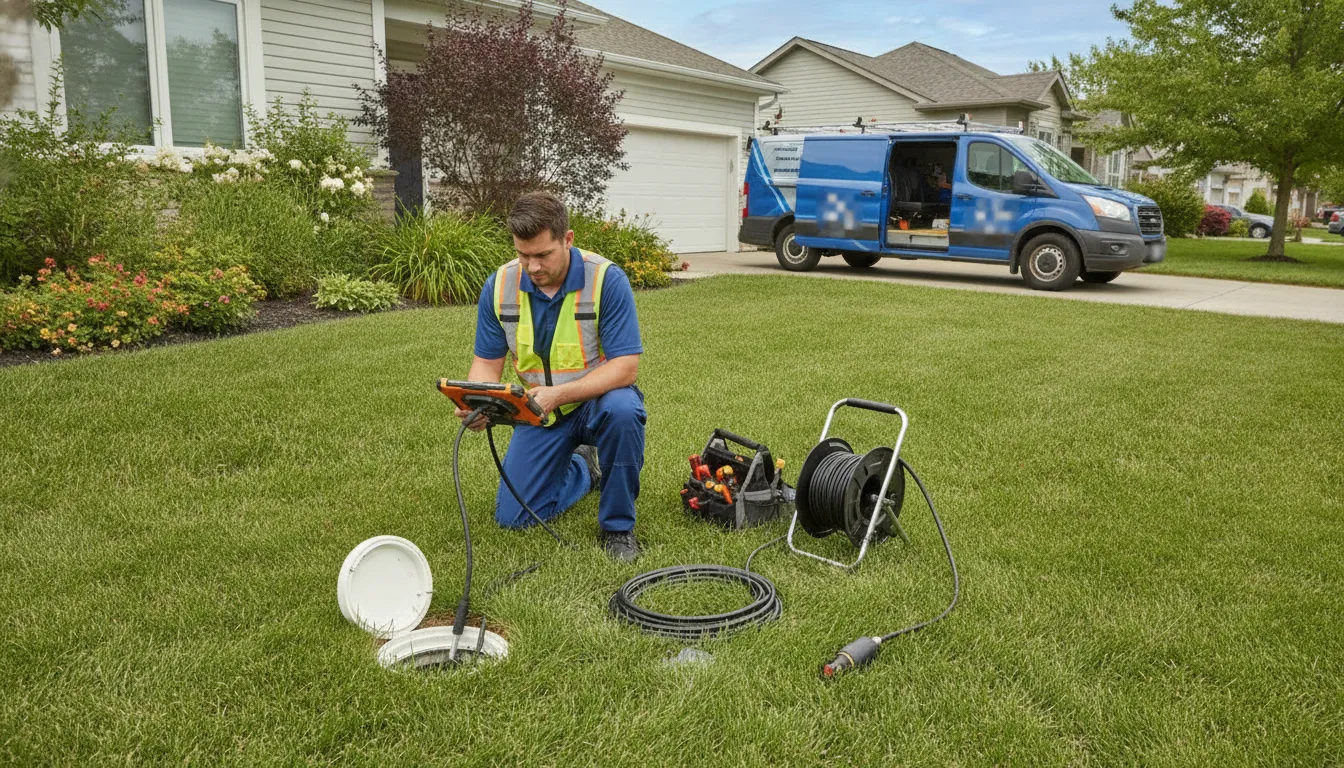
Before any digging can begin, you need to know exactly where the leak is. Guesswork can lead to a torn-up yard and unnecessary expenses. That’s where professional leak detection comes in. Plumbers use specialized equipment, like acoustic sensors and small cameras, to pinpoint the source of the problem with incredible accuracy. While this service has its own fee, it’s a smart investment. Paying for precision upfront saves you from the much higher cost of digging in the wrong spot and prolonging the repair process. It’s the first step in getting the job done right and efficiently.
Putting Your Yard and Driveway Back Together
Once the pipe is fixed, you’re left with the aftermath of the excavation. Restoring your property is a significant cost that many homeowners overlook. If the leak was under your driveway, you’ll need to budget for concrete or asphalt repair. If it was in the yard, you’re looking at costs for new sod, soil, and possibly replanting. These restoration expenses can range from a few hundred to several thousand dollars, depending on the extent of the digging. This is one reason why discussing less invasive repair options with your plumber is so important, as it can minimize the damage to your property.
What About Your Landscaping?
Beyond just replacing grass, you might need to restore more intricate landscaping. Did the repair team have to dig near a prized flower bed, remove shrubs, or disrupt an irrigation system? The cost to repair or replace these features adds up. The accessibility of the leak plays a big role here; a pipe buried under a custom stone patio will be far more expensive to get to (and restore) than one under an open patch of lawn. Remember, your plumber’s expertise is in pipes, not horticulture, so you’ll likely need to handle the landscape restoration as a separate project with its own budget.
Will You Need to Pay for Permits?
Depending on where you live in Metro Detroit, you may need a city permit to excavate and repair a main water line. This is a non-negotiable step to ensure the work meets local codes and safety standards. Permit fees can vary widely, typically costing anywhere from $50 to over $500. A professional plumbing company like Mr. Pipey will know the local requirements and can handle the entire permitting process for you. While they manage the paperwork, the fee itself is passed on to you and will be included in the final invoice.
Why After-Hours Repairs Cost More
A burst pipe doesn’t wait for business hours. If you need help on a weekend, holiday, or in the middle of the night, you should plan for emergency service fees. Plumbers charge a premium for dispatching a team outside of their standard hours. This extra cost covers the on-call availability that provides you with immediate help when you need it most. While it’s an added expense, paying for an emergency plumbing visit can prevent catastrophic water damage, saving you a fortune in the long run.
How Do Plumbers Find Underground Leaks?
Finding a hidden water leak sounds like searching for a needle in a haystack, but for professional plumbers, it’s a systematic process. Instead of guessing and digging up your entire lawn, we use specialized techniques and technology to pinpoint the exact location of the problem. This precise approach saves your landscaping, your time, and your money. It all starts with knowing what to look for and having the right tools for the job.
A Look at Professional Leak Detection Tools
Our first step is always a thorough visual inspection. We’ll walk your property looking for telltale signs of a leak, like patches of unusually green grass, soggy spots, or areas where the soil has started to erode. But the real magic happens when we bring out our advanced equipment. We use acoustic listening devices that can actually hear the sound of water escaping a pipe underground. We also use soil probes and electronic leak detectors that help us narrow down the source without any destructive digging. It’s a methodical process that lets us find the leak with surgical precision, ensuring we only excavate where absolutely necessary.
Leak Detection Correlators
For long or complex pipe systems, we often turn to acoustic correlators. These are highly sensitive listening devices that help us find a leak’s exact location. The process involves placing two or more sensors at different points along the pipe, like at a valve or fire hydrant. These sensors listen for the specific sound frequency that a pressurized water leak creates. By measuring the tiny difference in the time it takes for the sound to reach each sensor, the equipment can calculate the precise spot of the leak. This technology is incredibly accurate and prevents unnecessary digging, making it a go-to for complex plumbing situations.
Ground Penetrating Radar (GPR)
Think of Ground Penetrating Radar (GPR) as an ultrasound for your yard. This advanced tool allows us to see what’s happening underground without digging a single hole. The GPR unit sends radar waves into the ground, which bounce off buried objects and send back signals. This creates a map of what’s below, showing us the location of pipes, voids, and disturbed soil. It’s especially useful for finding leaks in non-metallic pipes, like PVC, and for identifying cavities in the soil that form when water washes it away. Using GPR is a key part of our expert plumbing solutions because it helps us plan the repair with maximum precision.
Infrared Thermography
Sometimes, the best way to find a water leak is by looking for temperature changes. Infrared thermography uses a special camera that detects differences in heat on the ground’s surface. When water from an underground pipe leaks, it changes the temperature of the soil around it. An infrared camera can spot these cooler or warmer patches, which are invisible to the naked eye. This method is particularly effective for finding leaks in hot water lines, but it can also identify leaks in cold water pipes, especially on dry days. It’s a non-invasive and highly effective way to confirm a leak’s general area before bringing in other tools to pinpoint it.
Tracer Gas Detection
When a leak is very small or difficult to hear, tracer gas detection is an excellent method. For this technique, we first drain the water from the leaking pipe and fill it with a safe, non-toxic gas, usually a mix of hydrogen and nitrogen. Since this gas is much lighter than air, it escapes through the crack in the pipe and rises to the surface. We then use a sensitive gas detector to scan the area above the pipe. The detector will sound an alarm when it finds the escaping gas, revealing the exact location of the leak. This highly accurate method is perfect for finding those stubborn, hard-to-locate leaks that could otherwise lead to an emergency plumbing situation.
How Pro Detection Saves You Money
Hiring a professional for leak detection might seem like an extra cost, but it’s one of the smartest investments you can make. An experienced plumber can accurately diagnose the issue the first time, preventing the costly trial-and-error of a “dig and see” approach. Guessing where a leak is can lead to multiple holes in your yard, damage to your driveway, and hours of wasted labor. Professional detection minimizes the disruption to your property and ensures the repair is focused and efficient. You end up paying for a solution, not just for the search.
The Cost of Guessing vs. Knowing
Ignoring an underground leak or trying to find it yourself can lead to far greater expenses down the road. An unchecked leak can cause your water bill to spike, erode the soil supporting your home’s foundation, and create serious structural damage. In the worst-case scenarios, it can even lead to sinkholes. When you weigh the cost of professional detection against the potential for thousands of dollars in property damage, the choice is clear. Knowing exactly where the problem is allows for a swift, effective repair that protects your home and your wallet. If you suspect a leak, it’s always best to contact a professional right away.
When Is It Time to Call a Professional?
Knowing when to handle a home project yourself and when to call in a pro is key. While you might be comfortable fixing a running toilet, an underground pipe leak is a different story entirely. These hidden problems can cause serious damage if they aren’t addressed quickly and correctly. Trying to tackle it on your own can easily turn a manageable issue into a major headache. Recognizing the warning signs and understanding the risks will help you make the right call and protect your home.
Signs You Have a Leaking Underground Pipe
Your home often gives you clues when something is wrong beneath the surface. If you notice any of these signs, it’s time to pay attention. Look for soggy or unusually green patches in your yard, especially if it hasn’t rained recently. Another major red flag is an unexplained spike in your water bill; if your habits haven’t changed, that water is going somewhere. You might also experience a sudden drop in water pressure throughout your home. These symptoms point to a potential leak in your main water line that needs a professional diagnosis.
Sudden Foundation Cracks
A leak underground can do more than just waste water; it can threaten the very structure of your home. When water seeps into the soil around your foundation, it can wash away the dirt that provides crucial support. This erosion causes the ground to shift, putting immense stress on your home’s foundation. If you suddenly notice new cracks appearing in your foundation walls, basement floor, or even in the drywall inside your home, it could be a direct result of an underground leak. This is one of the most serious signs, and it requires immediate attention from a professional to prevent further, more costly structural damage. It’s a clear signal that you need an emergency plumbing assessment right away.
Unexplained Warm Spots on Your Floor
Here’s a subtle clue you might not think to look for. If you have a concrete slab foundation or a basement and you notice a specific spot on the floor that feels unusually warm to the touch, you could be standing right over a leak. This is a classic sign of a break in a hot water line running beneath your floor. The escaping hot water warms the concrete or flooring above it, creating a distinct warm patch. It’s an easy sign to dismiss, but it’s a direct indicator of a hidden problem. Don’t ignore it—pinpointing these kinds of issues early is key to a less disruptive and more affordable repair.
Discolored Water
If the water coming from your faucets suddenly looks brown, reddish, or cloudy, it’s a major red flag. A break in an underground water line can allow soil, rust, and other contaminants from the surrounding ground to enter your clean water supply. This not only points to a significant breach in your pipe but also poses a potential health risk for your family. Clean, clear water is a basic expectation, and any discoloration means the integrity of your plumbing system has been compromised. This isn’t an issue that will resolve itself; it requires a professional to locate the break and ensure your water is safe again.
Musty Odors or Mildew
Sometimes, your nose will notice a problem before your eyes do. A persistent musty or earthy smell in your basement or around the perimeter of your home is a strong indicator of excess moisture. An underground leak can create a constantly damp environment, which is the perfect breeding ground for mold and mildew. As health experts warn, this can be harmful to both your home’s structure and your family’s health. If you can’t find the source of that damp smell, it’s very likely coming from a hidden leak that needs to be addressed before the mold problem gets worse.
Buckling Pavement or Patios
The ground beneath your driveway, walkway, or patio should be stable. If you start to see these surfaces cracking, lifting, or buckling, an underground water leak is a likely culprit. The constant flow of water from a broken pipe saturates and destabilizes the soil, creating pressure from below that can easily shift heavy concrete or asphalt. This kind of visible damage indicates that a significant amount of water has been leaking for some time. It’s a clear sign that you need to call for professional plumbing solutions before the problem causes even more damage to your property’s hardscaping and foundation.
The Dangers of Ignoring a Leak
It’s tempting to ignore a problem you can’t see, but an underground leak is not something you can put off. Letting it go can lead to much bigger and more expensive problems down the line. That constant flow of water, even if it’s just a trickle, can slowly erode the soil that supports your home’s foundation, leading to serious structural damage. In the most extreme cases, this erosion can even create sinkholes in your yard. Beyond the risk to your property, an unchecked leak will cause your water bill to climb higher every month. Addressing the issue quickly is the best way to protect both your home and your budget from the escalating costs of water damage and complex repairs.
Mold Growth and Health Risks
One of the most serious risks of any water leak is the potential for mold and mildew. When water from an underground pipe seeps into your foundation, it can create a constantly damp environment in your basement or crawl space—the perfect breeding ground for mold. This isn’t just bad for your home’s structure; it’s a significant health concern. Mold releases spores into the air that can trigger allergies, asthma attacks, and other respiratory issues for your family. Constant moisture can lead to dangerous mold growth that compromises your home’s air quality and your well-being, making it crucial to address the source of the water promptly.
How to Confirm a Leak Yourself
If you suspect you have a leak but aren’t completely sure, there are a couple of simple tests you can do yourself before calling a professional. These quick checks can help you confirm that there’s a problem and give you valuable information to share with your plumber. You don’t need any special tools, just a few minutes to observe your water meter. Performing these tests can give you the peace of mind that you’re making the right call and not scheduling a service visit for no reason. It’s an easy first step to take control of the situation.
The Water Meter Test
This is the easiest way to check for a hidden leak. First, make sure no water is being used inside or outside your house. Turn off all faucets, the washing machine, the dishwasher, and any sprinklers. Next, locate your water meter, which is usually near the curb in a covered box. Once you find it, take a look at the dial. Many meters have a small triangle or star-shaped dial, called a leak indicator, that spins when water is flowing. If that indicator is moving, even very slowly, you almost certainly have a leak somewhere in your system.
The Shut-Off Test
If the meter test indicates a leak, this next step can help you determine if the leak is inside your home or in the underground line outside. Start by turning off the main water shut-off valve to your house. Then, go back to the water meter and check it again. If the meter has stopped moving, the leak is likely somewhere inside your home. However, if the meter is still running after you’ve shut off the water to the house, the leak is located in the pipe between the meter and your home. If that’s the case, it’s time to contact a professional to locate and fix the underground problem.
Is It an Emergency? When to Call Immediately
Ignoring an underground leak is a gamble you don’t want to take. What starts as a small issue can quickly escalate, leading to serious consequences for your property. A persistent leak causes soil erosion, which can destabilize your home’s foundation and lead to costly structural damage. In severe cases, it can even create sinkholes in your yard. If you suspect a leak, it’s best to make an emergency plumbing call right away. Acting fast not only prevents further damage but also protects your home and family from potential hazards.
Why a DIY Fix Can Cost You More
It’s natural to want to save money, but a DIY approach to an underground leak often costs more in the long run. The biggest expense in these repairs is usually the labor and equipment needed to safely access the pipe, not the pipe itself. Without the right tools, you risk causing more damage to your property or the plumbing system. A small, improperly patched leak can fail, leading to even more significant water damage inside and outside your home. Investing in a professional from the start ensures the job is done right, saving you from future repairs and unexpected expenses.
How Do You Choose the Right Plumber?
Finding the right plumber can feel like a huge task, especially when you’re dealing with the stress of a potential underground leak. You need someone you can trust to enter your home, give you a fair price, and do the job right the first time. A great plumber doesn’t just fix the problem; they give you peace of mind. The key is to look for a combination of experience, transparency, and reliability. A company that is proud of its team and its history, like a family-owned business, often has deep roots in the community and a reputation to uphold.
When you’re vetting potential plumbers, it’s about more than just finding the lowest price. You’re looking for a partner who will respect your property, communicate clearly, and stand behind their work. This means taking a little time to check their credentials, read their estimates carefully, and ask the right questions. A few extra steps upfront can save you from major headaches and expenses down the road. Think of it as an investment in your home’s long-term health. From handling an urgent crisis to providing routine maintenance, the right professional makes all the difference.
How to Read a Repair Estimate
When a plumber hands you an estimate, it shouldn’t be a mystery. A clear, detailed quote is a sign of a transparent and professional company. Look for an itemized breakdown that separates the cost of labor from the cost of materials. It should clearly describe the work to be done, so you know exactly what you’re paying for. Vague estimates can hide unexpected fees, so don’t be afraid to ask for more detail. Understanding common plumbing issues can help you spot a thorough estimate. A professional who takes the time to explain the “why” behind the repair is often more trustworthy. This clarity ensures there are no surprises when the final bill arrives.
What to Ask Before You Hire a Plumber
Before you agree to any work, it’s smart to have a list of questions ready. This is your chance to gauge a plumber’s experience and professionalism. Start with the basics: Are you licensed and insured? This protects you in case of accidents. Then, get more specific. Ask if they have experience with your exact problem, like an underground leak. It’s important to work with an experienced professional when diagnosing water leaks, as it can be challenging to identify and fix the root cause. Also, ask about their timeline and who will be performing the work. A reputable plumber will be happy to answer your questions and provide the information you need to feel confident in your decision, especially if you need emergency plumbing services.
Does Your Repair Come with a Warranty?
A warranty is more than just a piece of paper; it’s a plumber’s promise to stand behind their work. Always ask about the warranties offered on both parts and labor. A strong warranty shows that the company is confident in the quality of its materials and the skill of its technicians. Be sure to get the details in writing so you understand what’s covered and for how long. Investing in professional plumbing services can save you money in the long run, and a solid warranty is a key part of that value. It provides peace of mind, knowing that if something goes wrong, you won’t be left with another expensive repair bill.
Why You Should Get Multiple Quotes
It’s always a good idea to get at least two or three quotes for a significant plumbing repair. This helps you get a sense of the average cost for the job in your area and protects you from being overcharged. When you contact a plumber for an estimate, make sure they are quoting for the same scope of work so you can make an accurate comparison. However, remember that the lowest bid isn’t always the best choice. Consider the plumber’s experience, reviews, and the warranty they offer. Always compare prices from several local plumbers to ensure you are getting a fair deal, but weigh that against the quality and reliability you’ll receive.
Ways to Manage Your Pipe Repair Costs
An underground pipe leak is an expense no one plans for, and the final bill can feel intimidating. The good news is you have options for making the cost more manageable. Taking a proactive approach to the financial side of the repair can reduce stress and help you find a solution that fits your budget without sacrificing quality. It all starts with knowing what questions to ask and where to look for help.
Will Your Insurance Cover It?
This is usually the first question homeowners ask, and the answer can be complicated. Standard homeowners insurance policies often do not cover main water line repairs, especially if the damage is due to normal wear and tear or corrosion that happened over time. Insurance typically covers sudden and accidental damage. For example, if a contractor accidentally hits the line while digging, you might be covered. Your best first step is to review your policy or call your insurance agent directly to understand exactly what your coverage includes before you assume anything.
Adding Special Coverage to Your Policy
For extra peace of mind, you can look into adding special coverage to your homeowner’s insurance policy. This is often called a “rider” or “service line coverage,” and it’s designed specifically to protect the utility lines that run to your house, including your main water and sewer pipes. This type of add-on can be surprisingly affordable, sometimes costing less than $50 a year. It’s a small, proactive investment that can save you from a massive, unexpected bill down the road. It’s worth a call to your insurance agent to ask about this option and see what it would cost to add to your existing plan.
Checking for Plans from Your Water Company
Another great place to look for coverage is your local water company. Many utility providers in the Metro Detroit area offer optional protection plans that cover the water and sewer lines on your property. These plans work like a subscription, often costing around $10 a month for each line, and they can shield you from the high cost of an emergency repair. The best way to find out if this is available to you is to visit your water company’s website or give them a call. They can explain the details of their plans, what’s covered, and how to sign up, giving you another practical way to budget for potential plumbing issues.
Can You Finance Your Pipe Repair?
If insurance won’t cover the repair, don’t panic. Many plumbing companies understand that this is a significant and unexpected expense for families. That’s why some offer payment plans or financing options to spread the cost over time. When you’re getting estimates, make it a point to ask about what financial assistance is available. Choosing a more cost-effective repair method, like certain trenchless techniques, can also result in a lower total cost, making monthly payments more manageable. Feel free to contact us to discuss the solutions and options we can provide.
How to Talk About Payment with Your Plumber
Clear communication about money is key to a stress-free repair process. A trustworthy plumber will be transparent about costs and willing to discuss payment terms with you. When you receive an estimate, make sure you understand the payment schedule. Do they require a deposit? Is the full amount due immediately upon completion? A family-owned company that values its customers will work with you to make the process as smooth as possible. Finding a plumber you can have an open conversation with is just as important as finding one who can do the job right.
How Can You Prevent Future Pipe Leaks?
After dealing with a leak, the last thing you want is a repeat performance. The good news is that you have more control than you might think. A few proactive steps can go a long way in protecting your home’s plumbing system and saving you from future headaches and expenses. Taking a preventative approach is always less costly and stressful than reacting to a disaster. Here’s how you can stay ahead of potential problems and keep your pipes in top condition.
How Maintenance Prevents Future Leaks
Think of regular maintenance as a health check-up for your plumbing. Simple, consistent actions can catch small issues before they become major disasters. Once a season, take a few minutes to look under sinks, behind toilets, and around appliances like your water heater and washing machine for any signs of moisture or slow drips. These are often the first warnings of a bigger problem. For a more thorough evaluation, consider a professional inspection. A plumber can assess your entire system, from water pressure to valve conditions, giving you a clear picture of your home’s plumbing health and helping you create a plan for any necessary plumbing solutions.
Simple Ways to Protect Your Pipes
Here in Metro Detroit, we know how brutal winters can be, and your pipes feel it too. Uninsulated pipes in unheated areas like basements, crawl spaces, and attics are especially vulnerable to freezing. When water freezes, it expands, putting immense pressure on the pipe until it cracks or bursts. You can easily add foam sleeves to exposed pipes yourself. For outdoor faucets and more complex areas, professional pipe insulation is a smart investment. This simple step is one of the most effective ways to prevent the costly and damaging mess of a burst pipe during a cold snap.
Keep an Eye on Tree Roots and Water Pressure
Two hidden culprits behind many pipe leaks are tree roots and high water pressure. The roots of beautiful, mature trees are naturally drawn to the moisture in your underground pipes and can force their way into small cracks, causing blockages and breaks. Meanwhile, high water pressure puts constant strain on your entire plumbing system. While great for a shower, pressure above 80 PSI can wear out pipes, joints, and fixtures prematurely. A plumber can inspect your lines for root intrusion and test your water pressure. They can also advise you on gentle drain cleaning methods, as harsh chemical cleaners can corrode pipes over time, making them more vulnerable to damage.
Should You Get a Smart Water Monitor?
For an extra layer of security, consider installing a smart water monitor. This device attaches to your main water line and learns your household’s typical water usage patterns. If it detects an abnormality, like a running toilet or a slow leak you haven’t noticed, it sends an alert directly to your smartphone. The best part? Many models can automatically shut off the water supply, stopping a potential flood in its tracks. It’s a fantastic tool for peace of mind, especially when you’re at work or on vacation. A smart monitor can be the difference between a small fix and a full-blown emergency plumbing situation.
Related Articles
- Trenchless Sewer Line Replacement Cost: A 2026 Guide
- Repair a Copper Pipe Leak: A Step-by-Step Guide
- DIY Pipe Leak Repair: Your Step-by-Step Guide
- Using PVC Pipe Leak Sealant: A Complete Guide
Frequently Asked Questions
Why is there such a big price range for fixing an underground leak? The final cost varies so much because every property is unique. The biggest factor is accessibility; a pipe under your lawn is much easier and less expensive to reach than one buried under your concrete driveway or patio. Other key factors include the pipe’s material, its depth, the severity of the leak, and even the type of soil in your yard. A professional on-site inspection is the only way to get a truly accurate quote based on your specific situation.
Is a “trenchless” repair always the cheaper option? Not always upfront, but it is often more cost-effective when you look at the total expense. While the plumbing work itself might have a similar price tag to traditional methods, trenchless repairs save you a significant amount of money on restoration. Because there’s no large trench to dig, you avoid the secondary costs of rebuilding your driveway, replanting your garden, or laying new sod, which can easily add thousands to the final bill.
What’s the first thing I should do if I think I have an underground leak? First, look for the common signs: a sudden spike in your water bill, soggy spots in the yard, or a noticeable drop in water pressure. If you see any of these, your next step should be to call a professional plumber right away. Trying to find or fix the leak yourself can lead to more damage. An expert can use specialized equipment to pinpoint the problem accurately and prevent a small issue from becoming a major, costly disaster.
Will my homeowners insurance help pay for this? It depends on the cause of the leak. Most standard insurance policies cover damage that is sudden and accidental, but they typically do not cover repairs for pipes that have failed due to age, corrosion, or general wear and tear. Your best bet is to call your insurance agent and review your specific policy to understand what is and isn’t covered before any work begins.
Besides the repair itself, what other costs should I budget for? It’s smart to plan for a few related expenses. These often include the initial fee for professional leak detection, which pinpoints the problem without guesswork. You may also need to pay for city permits before the work can start. The biggest additional cost is usually restoration; budget for repairing your lawn, landscaping, driveway, or patio after the plumbing work is complete.