

While annual backflow testing is a mandatory expense for your business, the amount you pay isn’t set in stone. As a savvy property owner, you’re always looking for ways to manage costs without cutting corners on safety or quality, and this is one area where a little strategy goes a long way. There are straightforward, practical steps you can take to lower your commercial backflow testing cost and make it a more predictable part of your annual budget. From scheduling all your tests in a single visit to partnering with a trusted local expert, we’ll share actionable tips to help you save money, avoid costly fines, and turn a required task into a manageable one.
Key Takeaways
- Annual Testing is a Non-Negotiable Requirement: For most commercial properties, backflow testing is a yearly legal mandate. Staying on schedule helps you avoid steep fines and potential water shutoffs, making the routine test a smart investment in your business’s safety and continuity.
- Your Final Cost Depends on Your System’s Details: The price for testing isn’t a flat rate; it’s influenced by the number of devices you have, their specific type (like an RPZ or DCVA), and their accessibility. Knowing these details helps you budget more effectively for this essential maintenance.
- Strategic Planning Can Lower Your Expenses: You can reduce your overall cost by testing all devices in one visit, inquiring about annual service agreements, and hiring a certified professional from the start to prevent expensive mistakes and re-testing fees.
What Is Commercial Backflow Testing?
Think of commercial backflow testing as a routine check-up for your building’s water system. It’s a specialized service that ensures the water flowing into your property stays pure and safe for everyone who uses it. Backflow happens when the direction of water flow reverses, usually due to a sudden change in pressure. This reversal can pull contaminated water from sources like irrigation systems, boilers, or industrial equipment back into your clean drinking water supply.
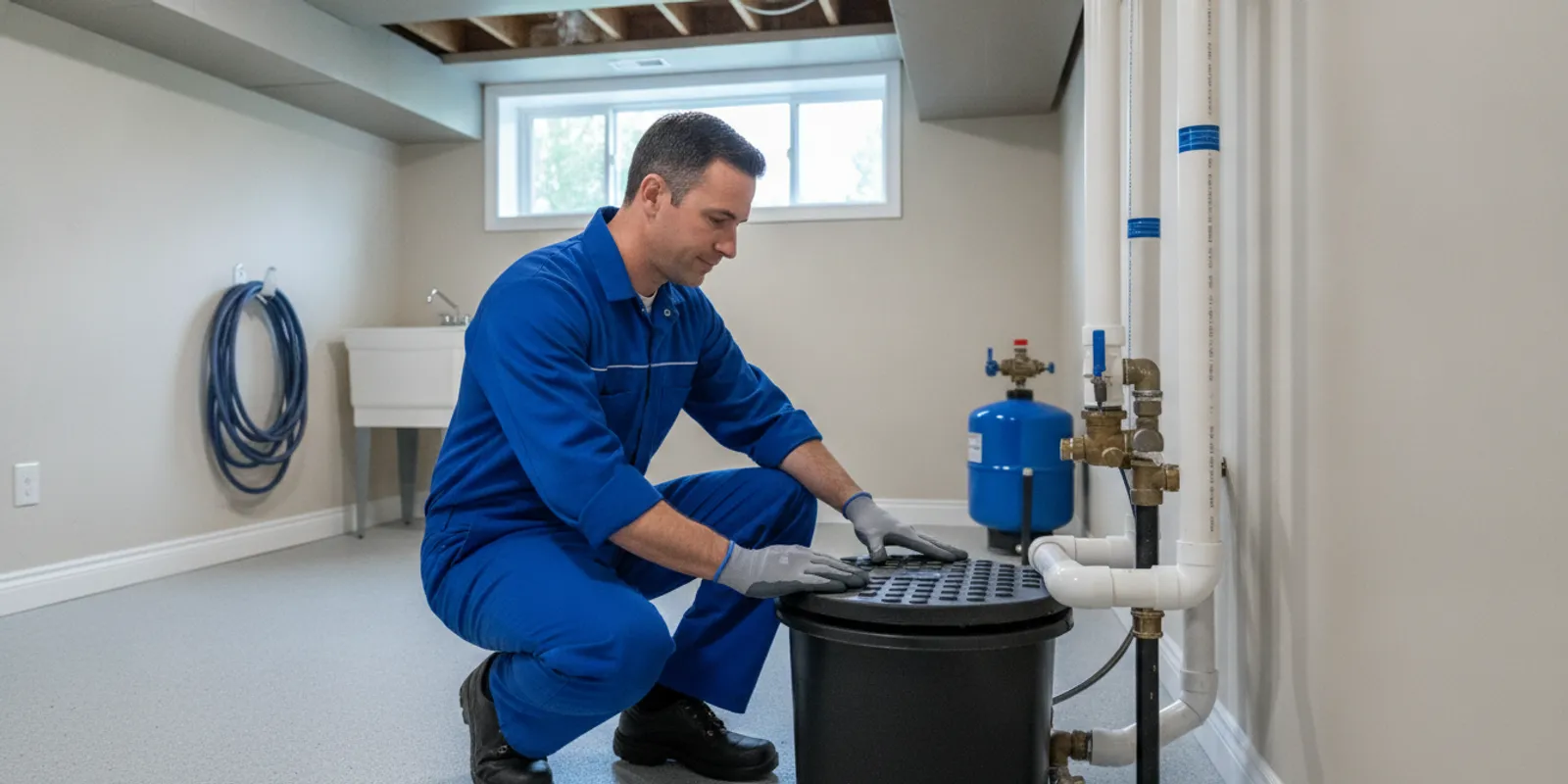
To prevent this, your plumbing system is equipped with a backflow preventer. This device is a one-way gate that stops water from flowing in the wrong direction. Commercial backflow testing is the process of inspecting and verifying that this device is working correctly. A certified professional, like the experts at Mr. Pipey, will perform a series of tests to confirm the internal seals, springs, and valves are functioning as they should. This simple, annual test is your first line of defense in protecting your water quality and maintaining a safe environment for your employees and customers. Our team is fully certified to handle backflow preventers repair and testing for all types of commercial properties across Metro Detroit.
How Backflow Puts Your Water Supply at Risk
A backflow preventer is a critical safety feature in your plumbing, but what exactly is it protecting you from? Imagine a water main breaks down the street, or a firefighter opens a nearby hydrant. This can cause a sudden, significant drop in pressure in the city’s water lines. When this happens, your building’s plumbing can act like a straw, siphoning water backward from non-potable sources. This contaminated water, potentially containing chemicals, pesticides, or bacteria, can then mix with the clean water supply, creating a serious health hazard. A functioning backflow device immediately senses this pressure change and closes, stopping the reverse flow in its tracks and keeping your drinking water safe.
Which Businesses Are Required to Test for Backflow?
If you own a commercial property, there’s a good chance you’re required to have your backflow preventer tested annually. This isn’t just a suggestion; it’s a mandate to protect public health. Businesses that pose a higher risk for contamination are almost always required to comply. This includes restaurants, medical facilities, manufacturing plants, car washes, laundromats, and buildings with fire suppression or large-scale irrigation systems. Essentially, if your property has a cross-connection where non-potable water could potentially meet the clean water supply, regular testing is a must. It’s a key part of being a responsible business owner in your community.
Staying Compliant with Commercial Property Regulations
Beyond protecting public health, regular backflow testing is essential for staying compliant with local and state regulations. Most municipalities, including those across Metro Detroit, require commercial properties to have their backflow prevention devices tested at least once a year by a certified technician. After the test, the technician submits the results directly to the local water authority to keep your property in good standing. Failing to complete your annual test can lead to serious consequences, including hefty fines, notices of violation, and even the possibility of having your water service shut off. Partnering with a trusted plumbing company helps you meet these deadlines and avoid any costly penalties. If you’ve received a notice or need to schedule your annual test, you can contact us today.
How Much Does Commercial Backflow Testing Cost?
Understanding the cost of commercial backflow testing is a key part of budgeting for your property’s maintenance. Unlike a simple, flat fee, the price can vary based on a few important factors. Let’s break down what you can expect to pay and why, so you can plan accordingly and keep your business compliant without any surprises.
Commercial vs. Residential Testing Costs
The first thing to know is that commercial backflow testing typically costs more than residential testing. This isn’t about charging businesses more; it’s because commercial properties usually have larger, more complex plumbing systems. A simple backflow device in a home might cost between $50 and $150 to test. Commercial systems, however, often start at a higher price point because the devices are more intricate and the testing process is more involved. The scale and complexity of your building’s plumbing directly influence the time and expertise required for a thorough test.
Per-Device vs. Flat-Rate Pricing
When you get a quote for commercial backflow testing, it’s often priced on a per-device basis. Many commercial properties have more than one backflow preventer. For example, you might have one for your main water line and another for your irrigation or fire sprinkler system. Each of these devices needs to be tested separately. A common pricing structure might start around $125 per device. If your property has multiple assemblies, be sure to ask if there are special rates for testing them all during a single visit, which can often save you money.
How Your Device Type Affects the Price
Not all backflow preventers are created equal, and the type of device you have is a major factor in the testing cost. Simpler devices are naturally quicker and less expensive to test. More complex systems, like Reduced Pressure Zone (RPZ) assemblies commonly found in high-hazard commercial applications, require more steps and specialized equipment to test correctly. The size of the device also matters. Testing a large, 8-inch backflow preventer for a factory will be more complex than testing a 1-inch device for a small cafe, and the price will reflect that.
What Factors Influence Backflow Testing Prices?
When you get a quote for backflow testing, you might wonder what goes into that number. The final price isn’t just pulled out of thin air; it’s based on several specific details about your property’s plumbing system. Understanding these factors can help you budget accordingly and see why one quote might differ from another. Let’s break down the main elements that influence the cost of commercial backflow testing.
The Number of Devices on Your Property
The number of backflow preventers on your property is one of the biggest factors in the total cost. A simple test on a single device will naturally cost less than testing multiple devices across a large commercial building. Businesses like restaurants, medical facilities, or apartment complexes often have several preventers connected to different systems, such as irrigation lines, fire sprinklers, and soda fountains. Each device requires an individual test to ensure it’s working correctly, so the more you have, the more time and work are involved.
Your System’s Complexity and Accessibility
Where your backflow preventer is located and how complex it is can also affect the price. A device that’s easy to get to in a basement or utility closet makes for a straightforward test. However, if a preventer is tucked away in a tight crawl space, high up on a wall, or buried in a vault, our technicians will need more time and potentially specialized equipment to access it safely. Similarly, more complex systems, like reduced pressure zone (RPZ) assemblies, require a more detailed testing procedure than simpler devices, which can be reflected in the cost of backflow preventer services.
Metro Detroit Permits and Local Fees
Depending on where your business is located in the Metro Detroit area, your local municipality might have its own rules for backflow testing. Some cities and townships require special permits or charge administrative fees for filing the test results. These costs are separate from the testing service itself but are often included in your final invoice for convenience. As a local company, we stay current on the specific requirements for communities across the region, so you don’t have to. If you have questions about your area’s regulations, feel free to contact us.
The Cost of a Failed Test
A passing grade on your backflow test is the best-case scenario, but what happens if a device fails? If a preventer isn’t working properly, it must be repaired or replaced to protect the water supply and keep your property compliant. This is an additional cost to consider. While it can feel like an unexpected expense, catching a faulty device early prevents potential contamination and saves you from much larger problems down the road. Our certified technicians can handle any necessary repairs or replacements, getting your system back in working order quickly.
A Quick Guide to Commercial Backflow Preventers
Not all backflow preventers are created equal, and that’s a good thing. Your business has unique needs, and there’s a specific device designed to meet them. The type of preventer installed at your commercial property depends on its specific “hazard level,” which is just a technical way of saying how high the risk of contamination is if backflow were to occur. For example, a restaurant kitchen or a laboratory has a much higher hazard level than a simple office irrigation system. Because of this, different businesses require different types of devices to keep the public water supply safe.
Understanding which one you have is the first step in managing your testing schedule and costs. The complexity and design of your device directly influence installation expenses and the price of your annual test. More robust devices for high-hazard environments are more intricate, requiring more time and expertise to install and certify. This is why you can’t just pick the cheapest option; you have to install the one that matches your property’s risk assessment to stay compliant and, more importantly, to ensure safety. We’re here to help you make sense of it all. Let’s walk through the most common types of commercial backflow preventers you’ll find in Metro Detroit and break down what each one means for your responsibilities and your budget.
Reduced Pressure Zone (RPZ) Assemblies
If your business is considered “high-hazard” (think commercial kitchens, hospitals, or labs), you likely have a Reduced Pressure Zone (RPZ) assembly. These are the heavy-hitters of the backflow world, offering the highest level of protection. Their complex design includes multiple check valves and a relief valve to discharge water if it senses a backflow issue. This robust protection comes at a higher price, with installation often ranging from $1,000 to over $3,500. While they are a bigger investment upfront, they are non-negotiable for facilities where contamination could pose a serious public health risk. Their complexity also means testing requires specialized knowledge.
Double Check Valve Assemblies
For businesses with medium-hazard applications, like fire sprinkler systems or large irrigation setups, the Double Check Valve Assembly (DCVA) is a common and reliable choice. As the name suggests, it uses two check valves in a series to stop contaminated water from reversing its flow. DCVAs are less complex than RPZ assemblies, which is reflected in their cost. Installation typically falls between $300 and $1,000. They provide solid, dependable protection for situations where the risk is moderate, making them a practical and cost-effective solution for many commercial properties across Metro Detroit. They are a workhorse device for a reason.
Pressure Vacuum Breakers (PVB)
You’ll often find Pressure Vacuum Breakers (PVBs) on irrigation systems, where they prevent lawn chemicals and other contaminants from siphoning back into the clean water supply. They are another great option for medium-hazard scenarios. PVBs are designed to protect against back-siphonage by letting air into the system to break the vacuum. Installation costs can vary quite a bit, from around $300 to $3,500, depending on the size and complexity of your irrigation network. While effective, they must be installed at least 12 inches above the highest point in the system, which can influence placement and installation labor.
How Your Device Type Impacts Testing and Cost
The type of backflow preventer on your property is one of the biggest factors determining your annual testing cost. A simple PVB on an irrigation line is quicker to test than a large, complex RPZ assembly in a manufacturing plant. Generally, commercial backflow tests cost more than residential ones due to the larger and more intricate systems. You can expect a test to cost anywhere from $50 to $300, though most businesses find their costs land between $50 and $150 per device. If you’re unsure what kind of device you have or what your testing should cost, our certified team can help. We provide clear, upfront pricing for all backflow preventer repair and testing.
How Often Should You Schedule Backflow Testing?
Think of backflow testing as a regular health checkup for your property’s water system. It’s not just a one-time task but an ongoing part of responsible commercial property management. Staying on top of your testing schedule is the best way to protect your water supply, keep your business compliant, and avoid unexpected problems. The frequency is pretty straightforward, but there are a few key things every business owner in Metro Detroit should know.
Meeting Annual Testing Requirements
For most commercial properties, the rule is simple: your backflow prevention devices must be tested every year. This annual inspection is required by local health and safety codes to ensure your system is working correctly and preventing contaminants from entering the public water supply. A certified professional will run checks to confirm the internal seals, springs, and valves are all doing their job. Scheduling this test annually is the most effective way to maintain compliance. Our team offers certified backflow preventer repair and testing to make this yearly task simple.
When Is Additional Testing Necessary?
While the annual test is standard, you might need an inspection outside of that cycle. The most common reason is a failed test. If a device doesn’t pass, it needs to be repaired or replaced right away, then tested again to confirm it’s fully functional. You may also need to test a device after it’s first installed or after significant plumbing work on your property. This ensures your system is secure from the start. If a failed test requires urgent attention, our emergency plumbing team can help get you back in compliance quickly.
The Hidden Costs of Skipping a Test
Putting off your annual backflow test can lead to serious financial headaches. Neglecting this requirement can result in steep penalties, with fines often ranging from a couple hundred to over a thousand dollars. In some cases, the city may even shut off your water service until you provide proof of a passed test, causing a major disruption. Beyond fines, a faulty device can fail without warning, leading to contamination and expensive repairs. The cost of a routine test is a small price to pay to avoid these much larger expenses. Don’t wait for a notice; contact us to schedule your test today.
Debunking Myths About Backflow Testing Costs
When it comes to backflow testing, a lot of misinformation can float around, especially about the cost. It’s easy to see why some business owners in Metro Detroit might put it off, but separating fact from fiction can save you headaches and money. Let’s clear up a few common myths so you can make an informed decision for your commercial property.
Myth: “It’s too expensive to test every year.”
I hear this one a lot, and it’s completely understandable to worry about another business expense. The good news is that the cost is likely much lower than you think. While prices vary, a standard backflow test is a minor operational cost, not a major financial burden. Think of it as a small investment in protecting your customers, your employees, and your business from contaminated water. When you weigh that against the potential health risks and fines for non-compliance, the annual test is a clear winner for your bottom line and your peace of mind.
Myth: “It’s just a one-time expense.”
This is a critical misunderstanding. Backflow testing isn’t a “one and done” task; it’s an annual requirement for most commercial properties. Local municipalities mandate these yearly checks to ensure your backflow preventer is still working correctly. These devices have internal seals, springs, and moving parts that can wear out or get blocked by debris over time. An annual test confirms your system is providing continuous protection. Skipping a year doesn’t just put you at risk of fines, it means your water supply could be unprotected without you even knowing it.
Myth: “My backflow preventer doesn’t need maintenance.”
It’s tempting to think that once a backflow preventer is installed, it’s good to go forever. Unfortunately, that’s not how mechanical devices work. Just like your car needs regular oil changes to run smoothly, your backflow preventer needs an annual check-up. Regular testing is the only way to know for sure that it will function properly during a backflow event. Our certified technicians can spot wear and tear before it leads to a device failure, ensuring your property stays compliant and your water remains safe.
Myth: “I can save money by testing it myself.”
While the DIY spirit is admirable, backflow testing is a job best left to certified professionals. The testing equipment itself is expensive, and without proper training, it’s easy to make mistakes that could lead to a failed inspection or even damage the device. More importantly, most municipalities require that testing be performed and documented by a licensed and certified plumber. Trying to do it yourself often ends up costing more in the long run, especially if it results in code violations. Let a professional handle your backflow preventer repair and testing to get it done right the first time.
How Can You Lower Your Backflow Testing Costs?
Backflow testing is a non-negotiable part of managing a commercial property, but the cost doesn’t have to be a source of stress. As a business owner, you’re constantly balancing necessary expenses with your bottom line, and it’s smart to look for ways to save. The good news is that you can lower your annual testing costs without ever compromising on safety or compliance. The key is to be strategic. Instead of viewing it as just another bill to pay, think of it as an opportunity to plan ahead and build a relationship with a trusted plumbing partner.
By taking a proactive approach, you can avoid the most common and costly pitfalls, like emergency fees, non-compliance fines, and the expensive repairs that result from neglect. It’s about shifting from a reactive mindset, where you’re just dealing with problems as they arise, to a preventative one. This not only helps you budget more effectively but also ensures your property’s water system remains safe and functional year-round. A little bit of planning goes a long way in turning a required expense into a manageable part of your annual maintenance routine. Here are four straightforward, actionable tips to help you lower your backflow testing costs and keep your business running smoothly.
Test All Your Devices in One Visit
If your commercial property has more than one backflow preventer, scheduling a single appointment to test all of them is one of the easiest ways to save money. Think of it like bundling your home and auto insurance. Most plumbing companies can offer a better rate when our technicians can handle everything in one trip. This approach improves our efficiency by cutting down on travel time and administrative work, and we are more than happy to pass those savings directly on to you. It’s a simple, effective way to check a major task off your to-do list while reducing the overall cost per device. Before you call, take a quick inventory of your devices so you can ask for a bundled quote for all your plumbing services.
Ask About Annual Service Contracts
Building a long-term relationship with your plumbing provider can come with some great financial perks. Many companies, including ours, value loyalty and may offer annual service contracts or maintenance plans that include discounted rates. By committing to a yearly service, you can often lock in a predictable price and protect your budget from unexpected increases. More importantly, it takes the stress out of remembering to schedule your test each year. A service contract puts the responsibility on us to remind you when it’s time for your annual testing, ensuring you stay compliant without it ever slipping your mind. Feel free to contact us to see what partnership options are available for your business.
Avoid Fines by Meeting Deadlines
This might be the most important tip of all: do not miss your testing deadline. Local water authorities are strict about compliance, and the fines they issue for late or missed tests are almost always significantly higher than the cost of the test itself. In a worst-case scenario, your water service could be disconnected until the property is brought back into compliance, leading to costly business interruptions that no one wants to deal with. Staying on top of your annual backflow preventer testing is the simplest way to avoid these expensive and completely preventable penalties. Think of the testing fee as a small investment that protects you from much larger financial headaches.
Partner with a Certified Local Expert
Hiring a certified and insured technician isn’t just about following the rules; it’s a smart financial decision that protects your investment. While an uncertified handyman might offer a tempting low price, the risks are incredibly high. An improper test can easily damage your device, lead to an automatic failure with the city, or provide inaccurate readings that leave your property vulnerable to a real backflow event. Correcting these mistakes will cost you far more in repairs and re-testing fees than you saved initially. When you partner with a trusted professional, you’re paying for the peace of mind that comes from knowing the job will be done right the first time. As a family-owned business, we pride ourselves on providing reliable, expert service that protects your property and our community.
Related Articles
- Backflow Preventer Testing: A Homeowner’s Guide
- Drain Backup in Basement? A Step-by-Step Guide
- Basement Drain Backup: Your Step-by-Step Guide
Frequently Asked Questions
I received a notice from my city about backflow testing. What should I do? Getting an official notice can feel stressful, but the solution is simple. The first step is to call a certified plumbing company, like us, to schedule your test. We handle these requests all the time. A certified technician will perform the required test, and then we will submit all the necessary paperwork directly to your local water authority on your behalf. This ensures you meet your deadline and your property remains in good standing without you having to manage the paperwork.
What happens if my backflow preventer fails its test? A failed test simply means the device isn’t working correctly and needs attention. If this happens, our technician will diagnose the problem and explain your options for repair or replacement. Addressing the issue promptly is key to protecting your water supply and staying compliant. Once the repair or replacement is complete, we will re-test the device to confirm it is fully functional and then submit the passing report to the city.
Why can’t I just hire a general handyman to do the test for less? While it might seem like a way to save money, backflow testing must be performed by a technician with a specific certification. Most municipalities, including those in Metro Detroit, will only accept test results from a licensed and certified professional. An improper test can damage the device or produce inaccurate results, leading to fines and more expensive repairs. Hiring a certified expert ensures the job is done correctly the first time, protecting your property and your budget.
Do I need to shut off the water to my entire building for the test? This is a common concern, and the good news is that we typically do not need to shut off water to the whole building. The test only requires a temporary water shut-off to the specific line the backflow preventer is on. For example, we might only need to pause water to your irrigation system. The process is usually quick, causing minimal disruption to your daily operations. Our technician will always communicate with you about the process before they begin.
How long does a typical commercial backflow test take? The time it takes to complete a backflow test can vary, but it’s usually a quick process. For a single, easily accessible device, the test itself may only take about 20 to 30 minutes. The total time can be longer if the device is in a hard-to-reach location, like a vault or a tight crawl space, or if your property has multiple devices that need to be tested during the same visit.