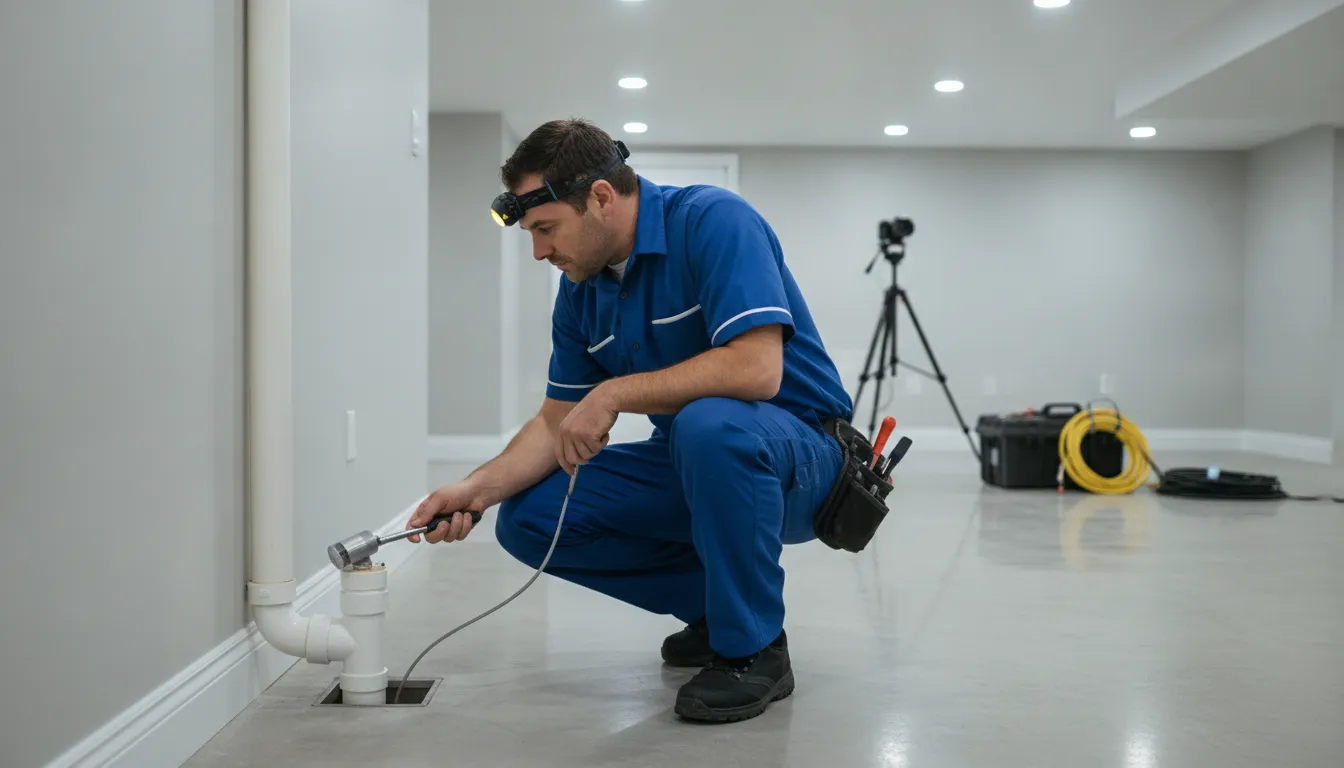


Dealing with a collapsed sewer line is a massive headache. It’s more than just a plumbing problem; it’s a major disruption that brings a lot of stress, especially when you think about the cost. As a family-owned company, we get it. We created this guide to give you clear, honest answers about the entire sewer line repair process and what you can expect to pay. We’ll walk you through the warning signs, break down the factors that influence your final bill, and help you choose a company that will treat your home with respect.
Key Takeaways
- Look beyond the per-foot price: The final cost of a sewer line repair includes more than just labor and materials. Factors like your pipe’s depth, accessibility, permit fees, and especially landscape restoration can significantly impact your total bill.
- Trenchless repair often provides better overall value: While per-foot costs can seem similar to traditional methods, trenchless options save you from the major expense and headache of restoring your lawn, driveway, and garden after the job is done.
- Always start with a camera inspection and a detailed quote: A trustworthy contractor will use a camera to accurately diagnose the problem before giving you a price. Insist on a line-item estimate that breaks down all costs so there are no surprises.
What Is a Collapsed Sewer Line?
Think of your home’s sewer line as the main highway for all your wastewater. Every flush, shower, and dishwashing cycle sends water and waste out of your house through this single, crucial pipe. A collapsed sewer line happens when that pipe breaks down, cracks, or completely caves in. It’s not just a simple clog that a drain snake can fix; it’s a structural failure that stops the flow of waste away from your home. When this happens, the wastewater has nowhere to go but back where it came from, which can lead to messy and unsanitary backups inside your house.
A collapse can happen for many reasons, from old age to invasive tree roots. The pipe itself might be made of older materials like clay or cast iron that have simply reached the end of their lifespan. Whatever the cause, a collapsed sewer line is a serious plumbing problem that requires immediate attention. Ignoring the signs can lead to significant property damage and health hazards. If you suspect something is wrong with your main line, it’s best to call for a professional inspection right away, as this often qualifies as an emergency plumbing situation that needs a swift response.
Is Your Sewer Line Collapsed? Look for These Signs
Your home will usually give you a few warning signs that something is seriously wrong with the sewer line. You might notice several drains are slow at once, or you hear strange gurgling sounds from your toilets after you flush. One of the most obvious red flags is a sewage backup in your basement or lowest-level bathroom. Outside, you might smell sewage in your yard or see an unusually green, lush patch of grass. This happens because the leaking sewage acts as a fertilizer. If you spot any of these signs, it’s time to call a professional to investigate the problem before it gets worse.
What Causes a Sewer Line to Collapse?
Sewer lines don’t collapse without a reason. Often, the culprit is something happening right in your yard. Tree roots are a major cause; they naturally seek out water sources and can wrap around or grow directly into pipes, eventually causing them to crack and break. Old pipes are another common issue. Materials like clay and cast iron used in older homes can become brittle and corrode over time, making them vulnerable to collapse. Shifting soil, especially with Metro Detroit’s freeze-thaw cycles, can also put immense pressure on underground pipes, leading to cracks and breaks that compromise the entire line.
How Much Does Sewer Line Repair Cost?
Facing a sewer line issue is stressful enough without the added worry of a surprise bill. While there’s no single price tag for a repair, understanding the potential costs can help you feel more in control. The national average for a sewer line repair hovers around $2,500, but this number can swing significantly based on your specific situation here in Metro Detroit. The final cost depends on the repair method, the extent of the damage, and a few other factors that often fly under the radar.
To give you a clearer picture, let’s break down the costs. We’ll look at how different repair techniques are priced, what “cost per foot” really means for your budget, and the additional expenses you should be aware of before work begins. This way, you can approach your repair project with confidence and a solid understanding of where your money is going.
Understanding the Average Cost
When you’re dealing with a collapsed sewer line, the last thing you want is a financial surprise. It helps to have a general idea of what to expect, so let’s look at the numbers. To give you a ballpark, the average cost for a sewer line repair is about $3,300, though most homeowners see costs ranging from roughly $1,400 to over $5,300. This price is often broken down per foot, which can run anywhere from $60 to $250. The final rate depends heavily on your specific situation—things like how deep your pipe is buried, whether it’s under your lawn or a concrete driveway, and the specific repair method chosen for your home all play a significant role in the final estimate.
This is where the chosen repair method really makes a difference in your total bill. For instance, a trenchless sewer repair might cost between $70 and $150 per foot, which seems comparable to traditional methods at first glance. The real value, however, comes from what you *don’t* have to pay for later. Because this less invasive approach avoids digging a huge trench across your property, you get to skip the massive, hidden expense of restoring your lawn, driveway, or garden beds. Those landscape restoration costs can easily add thousands to your project, making a trenchless option a much more cost-effective solution when you look at the big picture.
How Different Repair Methods Impact Cost
The biggest factor influencing your bill is the method used to fix the pipe. Traditional repairs, which involve digging a trench to access the entire sewer line, typically cost between $50 and $250 per foot. This method is labor-intensive and includes the cost of excavation. On the other hand, trenchless methods are less invasive and often range from $50 to $200 per foot. These modern techniques can repair the pipe from the inside out, saving your lawn and driveway from being completely dug up. For a fully collapsed line, you can expect the repair to fall somewhere between $1,300 and $2,700, depending on the severity and chosen solution. These situations often require immediate attention, so knowing your emergency plumbing options is key.
Understanding the Cost Per Foot
When you get an estimate, you’ll likely see the cost broken down “per linear foot.” This is the standard way to price sewer line jobs. For example, in some cities, costs can range from $150 to $300 per foot, and a typical home might need 30 to 40 feet of pipe replaced. While rates in Metro Detroit will vary, this gives you an idea of how quickly the total can add up. The only way to know the exact length of the damaged section is with a professional camera inspection. This diagnostic step is crucial for getting an accurate quote and ensuring you only pay for the repairs you truly need.
Don’t Forget These Hidden Costs
The per-foot price doesn’t always tell the whole story. Several other expenses can impact your final bill. For starters, most municipalities require permits for sewer line work, which can add anywhere from $100 to $1,000 to your total. The type of pipe you have also matters; older materials like clay might be more complex and costly to replace than modern PVC. If your repair involves digging, you’ll also need to budget for restoring your landscaping, driveway, or sidewalk afterward. A trustworthy plumber will outline all these potential costs in your estimate, so be sure to contact a professional for a transparent and comprehensive quote.
Yard and Landscape Restoration
Your yard is an extension of your home, and the thought of it being torn up by heavy machinery is a major source of stress. When a traditional sewer repair requires digging a long trench, the cost doesn’t stop when the new pipe is in the ground. You also have to budget for restoring your property, which can include re-sodding your lawn, replanting flower beds, and even repairing a damaged driveway or walkway. These expenses can add thousands to your final bill and are often overlooked in initial estimates. This is a key reason why trenchless repair methods often provide better overall value. By repairing the pipe from the inside, they leave your landscape virtually untouched, saving you from the significant secondary cost and headache of putting your yard back together.
What Factors Influence the Final Bill?
When you get a quote for a sewer line repair, you might wonder what goes into that final number. The truth is, several key factors can cause the price to vary significantly from one home to another. It’s not just about the length of the pipe that needs fixing. The complexity of the job, the materials involved, and even where you live all play a role in the total cost. Understanding these elements will help you make sense of your estimate and feel more confident about the repair process. Let’s walk through the main factors that will shape your final bill.
The Impact of Pipe Depth and Accessibility
One of the biggest variables in a sewer line repair is how hard it is to physically reach the damaged pipe. If your sewer line is buried just a few feet deep in an open yard, the excavation process is relatively straightforward. However, if the pipe is located deeper underground or sits beneath a driveway, a mature tree, or a custom patio, the job becomes much more complex. Deeper pipes require more extensive digging and safety precautions, while obstacles mean your plumbing team may need specialized equipment to access the line without destroying your property. These challenges add time and labor to the project, which is reflected in the cost.
How Pipe Material and Age Affect Cost
The type of pipes in your sewer system and how old they are also have a major impact on the repair cost. Older homes in the Metro Detroit area often have sewer lines made of materials like clay or cast iron. While durable for their time, these materials can become brittle and are susceptible to cracks and tree root intrusion over the years. If you have an older system, a simple patch might not be enough. Your plumber may recommend replacing a larger section with modern PVC pipes to prevent future issues. This can increase the upfront cost but is often a smarter long-term investment for the health of your home’s plumbing system.
Your Location and Local Labor Rates
Just like with any professional service, where you live matters. Labor rates for skilled plumbers can vary based on your specific city or neighborhood within the Metro Detroit area. The local cost of living, demand for experienced technicians, and regional regulations all influence pricing. A reputable company will offer fair, competitive rates based on the high-quality work they provide. As a family-owned business rooted in the community, we understand the importance of transparent pricing that reflects both our expertise and our commitment to our neighbors.
Assessing the Severity of the Damage
The extent of the damage is a critical factor in determining the final cost. A minor crack or a single joint leak can often be fixed with a targeted spot repair, which is a less invasive and more affordable solution. However, a fully collapsed line, severe corrosion, or extensive tree root damage usually requires a more comprehensive approach, like replacing the entire sewer line. A professional camera inspection is the best way to accurately diagnose the problem. This allows your plumber to see exactly what’s going on inside the pipe and recommend the most effective repair, whether it’s a small fix or a full-scale emergency service.
Required Permits and Inspection Fees
Any major plumbing work, including sewer line repair, typically requires a permit from your local municipality. This ensures the job is done correctly and meets all safety and building codes. Your plumbing contractor will usually handle the process of pulling the necessary permits, but the cost of these permits is included in your overall bill. Depending on your city, you may also need to pay for an official inspection after the work is completed. While it might seem like an extra hassle, this step protects you as a homeowner by verifying that the repair was performed to the proper standards. If you have questions about your area’s requirements, feel free to contact us.
What Are Your Sewer Line Repair Options?
Once your plumber has identified the problem with your sewer line, the next step is figuring out the best way to fix it. You generally have a few different paths you can take, from the classic excavation method to more modern, less invasive techniques. Each option comes with its own process, price tag, and impact on your property. Understanding these choices will help you have a more productive conversation with your plumbing contractor and make a decision that feels right for your home and budget. Let’s walk through the most common repair methods so you know what to expect.
The Traditional Dig-and-Replace Method
This is likely what you picture when you think of a major plumbing repair. The traditional method involves bringing in an excavator to dig a large trench along the length of the damaged pipe. This gives plumbers direct access to remove the old, broken section and install a new one. While it’s a straightforward approach, it’s also the most disruptive. Your yard, driveway, or garden beds will be dug up, leading to extra restoration costs. Depending on the pipe’s depth and location, a full replacement from your house to the street can be a significant investment and undertaking.
Trenchless Repair: Pipe Lining
If the thought of a giant trench in your yard makes you nervous, you’ll be happy to know there are other options. Trenchless pipe lining is an innovative method that fixes the pipe from the inside out. Your plumber will dig one or two small access holes to reach the sewer line. From there, they insert a flexible, resin-coated tube into the damaged pipe and inflate it. The resin hardens, creating a brand-new, seamless pipe right inside the old one. This trenchless sewer repair method is much faster and less disruptive to your property.
Trenchless Repair: Pipe Bursting
Pipe bursting is another trenchless technique that replaces your sewer line without major excavation. Like pipe lining, it only requires small access points at either end of the damaged pipe section. A new pipe is attached to a bursting head, which is pulled through the old, collapsed pipe. As it moves through, it breaks the old pipe apart while simultaneously laying the new one in its place. This Pipe Pull™ Technique is incredibly efficient for replacing pipes that are too damaged for a simple lining, all while keeping your landscape intact.
Repair or Replace? How to Decide
Deciding whether to repair a small section or replace the entire line can be tough. A simple repair might seem cheaper upfront, but if you have an older pipe with widespread issues, you could be facing another repair bill in a few years. A full replacement is a bigger investment, but it offers a long-term solution and peace of mind. The best choice depends on the age of your pipes, the extent of the damage, and your budget. Getting a professional opinion is key here, as an experienced plumber can help you weigh the pros and cons for your specific situation.
Trenchless vs. Traditional: A Cost Comparison
When you’re facing a major sewer line repair, the price tag is often the first thing on your mind. It’s easy to get sticker shock, but understanding what goes into the cost can help you make a smart decision for your home and your budget. The choice between traditional and trenchless repair methods isn’t just about the initial quote. You also have to consider the “hidden” costs, like restoring your beautiful lawn or driveway after the work is done. Let’s break down how these two approaches stack up financially, both upfront and in the long run.
The Upfront Cost: Trenchless vs. Traditional
At first glance, the per-foot costs for traditional and trenchless repairs can look surprisingly similar. Traditional dig-and-replace methods typically run from $50 to over $250 per foot. Trenchless options, like pipe lining or bursting, often fall within a comparable range of $50 to $200 per foot. However, the per-foot price is only one piece of the puzzle. The total upfront cost depends heavily on the length and depth of the pipe being replaced. While traditional methods might sometimes have a lower initial bid for the pipe work itself, that quote rarely includes the cost of putting your yard back together.
Factoring in Landscaping and Restoration
This is where the true cost difference between the two methods becomes clear. Traditional sewer repair involves digging a long, deep trench from your house to the street. That means tearing up your lawn, garden beds, walkways, and potentially even your driveway. The cost to repair that damage can be significant, often adding thousands of dollars to your final bill for things like new sod, concrete work, or landscaping. With trenchless sewer line repair, we only need to dig one or two small access points. Your yard stays intact, saving you the headache and expense of major restoration work.
Which Method Offers Better Long-Term Value?
When thinking about value, it’s important to look beyond a single repair. If your pipes are old or have multiple points of damage, a full replacement is often a smarter investment than a series of small fixes. Patching one crack today doesn’t stop another from forming next year, and those repeat service calls add up. Both traditional and trenchless replacements provide a durable, long-lasting solution that can last for decades. Trenchless methods, in particular, use modern, jointless piping that resists root intrusion and corrosion, preventing future emergencies and giving you peace of mind. Choosing a complete replacement is an investment in the long-term health of your home’s plumbing system.
Financing Your Sewer Line Repair
Exploring Payment Plans and Options
A collapsed sewer line is a major expense that most of us don’t have saved up in a rainy-day fund. The thought of a multi-thousand-dollar bill can be just as stressful as the plumbing problem itself. But before you panic, it’s important to know that you have options. You don’t have to drain your savings to get your home’s plumbing back in order. Many professional plumbing companies understand the financial strain of an unexpected repair and offer ways to make the cost more manageable, allowing you to address the problem immediately without the overwhelming burden of a large, upfront payment.
Many plumbing contractors provide flexible financing programs, often through trusted third-party lenders. These plans allow you to spread the cost of the repair over several months or even years, turning a large one-time expense into predictable monthly payments. Another route to consider is a home improvement loan from your bank or a credit union, which can sometimes offer competitive interest rates. The most important step is to ask questions. When you contact a plumbing professional for a quote, don’t hesitate to inquire about their payment and financing options. A company that truly cares about its customers will be happy to walk you through the possibilities.
How to Choose the Right Repair Company
Finding the right partner for a major repair is just as important as understanding the cost. The quality of the work, the transparency of the pricing, and the reliability of the team will determine whether this is a smooth process or a stressful one. A great plumbing company will walk you through your options, answer your questions clearly, and stand behind their work. When you’re facing a collapsed sewer line, you need an expert you can trust to handle the job correctly from start to finish. Let’s go over what to look for.
What to Look for in an Estimate
A good estimate is more than just a number at the bottom of a page; it’s a roadmap for your repair. Don’t settle for a single, vague figure. Instead, ask for a detailed, line-item estimate that breaks down every cost. This should include labor, specific materials, equipment rentals, and any permit fees. This level of transparency shows that a company is confident in its pricing and has nothing to hide. It also protects you from unexpected charges down the line. A clear estimate empowers you to compare quotes accurately and understand exactly what you are paying for before any work begins.
Pricing Red Flags to Avoid
If you’ve collected a few quotes and the prices are all over the map, it can be confusing. While some variation is normal, extremely low bids can be a major red flag. They often signal that a contractor might be cutting corners, using low-quality materials, or isn’t properly licensed and insured. On the other hand, an unusually high quote might be an attempt to overcharge. Be cautious of any company that gives you a price without a thorough inspection or pressures you to sign a contract on the spot. A professional team, like the one at our family-owned business, will always take the time to explain the costs and ensure you feel comfortable.
Key Questions to Ask Your Contractor
Before you hire anyone, it’s time to ask a few key questions to make sure they’re the right fit. A trustworthy plumber will be happy to answer them. Start by asking for a camera inspection to confirm the exact location and severity of the collapse. Then, ask them to walk you through the factors influencing your quote, like pipe depth and accessibility. You should also confirm that they are licensed and insured in your area. Finally, ask about the project timeline and whether they use their own employees or subcontractors for the work. Getting clear answers to these questions will help you choose a qualified professional for all your plumbing needs.
Decoding Warranties and Guarantees
A warranty is your assurance that the company stands behind its work. Always ask about the warranties offered on both labor and materials. Find out exactly what is covered and for how long. A solid warranty provides peace of mind, knowing that if something goes wrong with the repair, you won’t be left paying for it all over again. Reputable companies also often have a satisfaction guarantee, which shows their commitment to customer service. When you’re dealing with a stressful situation like a collapsed sewer line, knowing you have a reliable emergency plumbing service that guarantees its work can make all the difference.
Common Myths About Sewer Repair Costs
When you’re facing a major plumbing issue like a collapsed sewer line, misinformation can add a lot of unnecessary stress. Sorting out the facts from fiction helps you make clear, confident decisions for your home and your budget. Let’s walk through some of the most common myths about sewer repair costs so you know exactly what to expect.
Myth: My Insurance Will Cover Everything
It’s a common assumption that your homeowner’s insurance will foot the bill for a sewer line repair, but that’s rarely the case. Most standard policies only cover damage from sudden and accidental events, not issues that develop over time like corrosion, tree root intrusion, or general wear and tear. Unfortunately, these slow-developing problems are the most frequent causes of sewer line failure. Before you assume you’re covered, it’s a good idea to review your policy or talk to your agent about adding specific service line coverage, which can help with excavation and repair costs.
What Standard Homeowners Insurance Covers
While most sewer line problems aren’t covered by a standard policy, there are a few specific exceptions. Your homeowners insurance might step in if the damage is caused by a “covered peril”—a sudden and unexpected event. This could include things like a fire, an explosion, or even vandalism if someone intentionally damages your pipes. In some cases, if a vehicle crashes and hits the line or if there’s a sudden ground collapse like a sinkhole, your policy may also provide coverage. The key word here is “sudden.” Insurance is designed to protect you from unforeseen disasters, not from the slow march of time.
Common Exclusions in Standard Policies
Unfortunately, the most common culprits behind a collapsed sewer line are usually excluded from standard insurance policies. Issues that develop gradually, such as pipes getting old and rusty, tree roots slowly growing into the line, or soil shifting over time, are typically considered maintenance-related problems. Your policy also likely won’t cover damage from poor installation, pests, or general neglect. This is why it’s so important to understand what your homeowners insurance actually includes and to stay on top of preventative maintenance to catch potential issues before they become catastrophic failures.
Optional Endorsements for Better Coverage
If you’re worried about being left with a massive bill, there is some good news. Many insurance companies offer an add-on to your policy called “Service Line Coverage” or “Buried Utility Lines Coverage.” This optional endorsement is specifically designed to protect the underground pipes and wires on your property, including your main sewer line. It can help pay for the excavation, repair, and restoration costs if your line breaks accidentally from issues like tree root invasion or wear and tear. This extra coverage is often very affordable and can provide between $10,000 and $20,000 in protection, making it a worthwhile conversation to have with your insurance agent.
Myth: I Can Fix This Myself
The internet is full of DIY tutorials, but a collapsed sewer line is not a weekend project. Attempting this repair yourself can lead to much bigger problems, from violating local plumbing codes to causing further damage to your property. Professionals have the specialized equipment and expertise to diagnose the issue correctly and perform the repair safely. Handling a sewer line involves significant health and safety risks that just aren’t worth it. It’s always best to rely on a licensed plumber who can provide a full range of plumbing solutions and ensure the job is done right the first time.
The Dangers of Deep Excavation
Digging a trench might sound simple, but the reality is far more complex, especially when you’re going deep. A sewer line buried just a few feet down is one thing, but many are located far deeper, sometimes under obstacles like your driveway or a favorite tree. Deeper trenches require specialized safety precautions, like shoring, to prevent the walls from collapsing—a serious and potentially fatal risk. This isn’t a task for a rented trencher and a shovel. Professionals have the right equipment and training to manage these hazards safely, ensuring the job site is secure for everyone and that your sewer line repair is handled correctly from the start.
Risk of Hitting Other Utility Lines
Your yard is home to a hidden network of utility lines, including gas, water, and electricity. Accidentally hitting one of these while digging can create a dangerous and expensive emergency. Sewer pipes are often buried much deeper than homeowners expect, sometimes 8 to 12 feet underground, placing them near these other critical lines. A professional crew knows how to identify and work around this underground infrastructure. They coordinate with local utility locators to map out exactly where everything is before a single shovel hits the ground, preventing a plumbing problem from turning into a much bigger disaster. This is a crucial step in any professional plumbing project.
Permits, Codes, and Potential Fines
Any major plumbing project, including a sewer line repair, requires a permit from your local city or township. This isn’t just bureaucratic red tape; it’s a system designed to protect you. Permits ensure that the work is performed to current safety and building codes, which is critical for your home’s integrity and your family’s well-being. A licensed contractor will handle the entire permitting and inspection process for you. Attempting the work without a permit can lead to hefty fines, orders to redo the entire job, and major headaches if you ever decide to sell your home. If you have questions about your area’s requirements, it’s always best to contact a professional.
Myth: Repairing Is Always Cheaper Than Replacing
While a spot repair might seem like the most budget-friendly option upfront, it isn’t always the most cost-effective choice in the long run. If your sewer line is old or has a history of problems, patching one spot might just be a temporary fix before another section fails. Over time, the cost of multiple small repairs can easily add up to more than a full replacement. A professional assessment can help you understand the overall condition of your pipes and decide whether a targeted repair or a complete replacement offers better long-term value for your home.
Sewer Repairs When Buying or Selling a Home
Discovering a collapsed sewer line during a home inspection can feel like a deal-breaker, but it doesn’t have to be. Whether you’re buying your dream home or selling the one you’ve loved for years, a major plumbing issue is a significant hurdle. However, it’s also a common point of negotiation in real estate transactions. Understanding your options and how to approach the situation can help you protect your investment and keep the deal moving forward. With the right information and a clear plan, you can handle this challenge confidently and ensure the problem is solved correctly for the long term.
Seller Credit vs. Seller Repair: What’s Best for the Buyer?
When a sewer issue comes up, you generally have two choices: ask the seller to fix it before closing or negotiate for a credit to cover the cost of the repair. Most real estate professionals and experienced homeowners suggest asking for a credit or a price reduction. This approach puts you, the buyer, in control. You get to choose your own trusted plumber and oversee the work, ensuring it’s done to your standards. When a seller handles the repair, they may be motivated to find the cheapest, quickest fix, not necessarily the best long-term solution. If you do agree to let the seller manage the repair, it’s wise to specify your terms in the contract, such as requiring a reputable company and a long-term warranty on the work.
Getting Quotes and Navigating Lender Requirements
Before you can negotiate, you need a clear understanding of the problem and the cost. The first step is always a professional camera inspection to accurately diagnose the issue and determine the extent of the damage. Once you know what you’re dealing with, you can get detailed quotes from licensed plumbers. These estimates will likely break down the cost “per linear foot,” which is standard for sewer line jobs. Don’t forget to account for additional expenses like municipal permits, which can add a few hundred to a thousand dollars to the total. It’s also important to remember that some mortgage lenders may require major issues like a collapsed sewer line to be repaired before they will finalize the loan, so having a solid quote and a plan is essential.
When Is It a Plumbing Emergency?
It can be tough to tell the difference between a minor annoyance and a full-blown crisis brewing beneath your floors. While a slow drain might just need a quick cleaning, some issues are red flags for a much bigger problem, like a cracked or collapsed sewer line. Acting fast is key to protecting your home from serious, and seriously expensive, damage. Knowing the warning signs helps you make the right call when every minute counts.
Warning Signs You Can’t Ignore
If you notice any of these issues, it’s time to stop guessing and call a professional. A cracked or collapsed pipe is more than an inconvenience; it’s a hazard that can lead to sewage backups and structural damage. Keep an eye out for multiple drains in your home running slow, foul sewage odors that you can’t locate, or strange gurgling sounds coming from your toilets and drains. You might also see signs outside, like a patch of lawn that’s suddenly extra green and lush, soggy spots in the yard, or even an unwelcome increase in rodents and insects. These are all signals that your sewer line is compromised and requires immediate emergency plumbing attention.
What to Expect from Emergency Service Costs
Let’s be honest: no one likes surprise expenses. An emergency sewer line repair can be a significant investment, with costs ranging anywhere from $1,000 to over $20,000, depending on the extent of the damage. A traditional repair, which involves digging a trench to access the pipe, typically costs between $55 and $250 per linear foot. While effective, this method can leave your landscaping in disarray. Modern trenchless methods, like pipe lining, often cost more per foot but save your yard from excavation. The final bill depends on the specific problem, but addressing it quickly is the best way to prevent even costlier water damage and contamination issues down the road. If you’re facing a potential emergency, get in touch for a clear estimate.
How to Prevent Sewer Line Problems
The best way to deal with a collapsed sewer line is to never have one in the first place. While some issues are unavoidable, a little proactive care can go a long way in protecting your pipes and your wallet. Taking a few simple steps can help you avoid the stress and expense of a major repair. Think of it as preventative maintenance for one of your home’s most critical systems. Here’s how you can keep your sewer line flowing smoothly for years to come.
Proper Drain Maintenance to Avoid Clogs
The health of your main sewer line starts with what you put down your drains every day. It’s easy to forget, but your pipes aren’t a trash can. Things like grease, coffee grounds, and fibrous food scraps should never go down the kitchen sink. Grease is especially harmful because it cools and solidifies inside your pipes, creating stubborn blockages that trap other debris. In the bathroom, be mindful of hair and only flush toilet paper. Products marketed as “flushable” wipes, along with paper towels and cotton swabs, don’t break down properly and are a leading cause of serious clogs. These simple habits are your first line of defense in maintaining a healthy plumbing system.
The Value of Regular Inspections and Service Plans
Even if you’re careful about what goes down the drain, you can’t control everything that happens underground. Tree roots, shifting soil, and the natural aging of pipes can all lead to problems you can’t see. This is where regular professional inspections make a huge difference. A video camera inspection allows a plumber to get a clear look at the inside of your sewer line, identifying small cracks, root intrusion, or blockages before they cause a catastrophic failure. Catching these issues early can save you a significant amount of money and prevent the need for an emergency repair. It’s a small investment that provides invaluable peace of mind, especially for older homes in our Metro Detroit neighborhoods.
Related Articles
- Trenchless Sewer Line Replacement Cost: A 2026 Guide
- Sewer Line Camera Inspection Cost: A Price Guide
- No-Dig Sewer Line Repair: A Homeowner’s Guide
- Trenchless Sewer Replacement: A Complete Guide
Frequently Asked Questions
How can I tell the difference between a simple clog and a collapsed sewer line? A simple clog usually affects just one fixture, like a single slow-draining sink or a toilet that won’t flush properly. A collapsed sewer line, on the other hand, is a problem with the main artery of your plumbing system. You’ll notice issues across your entire home, such as multiple drains backing up at once, gurgling sounds from toilets when you use the sink, or sewage odors in your basement or yard. If the problem is widespread, it’s a strong sign you’re dealing with a main line issue.
Is a camera inspection really necessary before I get a quote? Yes, absolutely. A camera inspection is the only way for a plumber to see exactly what’s happening inside your pipes. Without it, any quote is just a guess. The inspection pinpoints the exact location and cause of the problem, whether it’s a crack, a tree root intrusion, or a full collapse. This diagnostic step ensures you get an accurate and fair estimate for the specific work needed, saving you from paying for unnecessary repairs.
How long will a sewer line repair take? The timeline really depends on the repair method and the complexity of the job. A trenchless repair, like pipe lining or bursting, is often completed in just one or two days because there’s minimal digging. A traditional dig-and-replace repair can take several days for the excavation and pipe work, plus additional time afterward to restore your lawn or driveway. Your plumber will give you a specific project timeline along with your estimate.
Are trenchless repairs as durable as the traditional dig-and-replace method? Yes, they are incredibly durable. The materials used in trenchless methods create a seamless, joint-free pipe within your old one. This new pipe is resistant to corrosion and root intrusion and is expected to last for 50 years or more. In many ways, it creates a stronger, more resilient pipe than the original, offering a fantastic long-term solution without having to tear up your entire yard.
What can I do to prevent this from happening again? While you can’t prevent issues caused by shifting soil or old age, you can take a few proactive steps. Be mindful of what goes down your drains; avoid flushing anything other than toilet paper and human waste. If you have large trees, find out where your sewer line runs and avoid planting new ones nearby. Finally, consider having a professional camera inspection every few years, especially in an older home, to catch potential problems before they become a crisis.