
Dealing with a clogged drain is a reactive task, but what if you could be proactive instead? Preventing clogs is almost always easier and cheaper than fixing them after they’ve caused a backup. By making a few small adjustments to your daily habits, you can protect your pipes from the common culprits of blockages, like grease, hair, and food scraps. This guide is all about shifting from damage control to prevention. We’ll share simple, actionable tips to keep your drains flowing freely, so you can avoid the stress and expense of an emergency call. And for those times when a clog happens anyway, you’ll know exactly when to call a professional clogged drain plumber in Madison Heights, MI, for help.
Key Takeaways
- Practice proactive drain care: Simple habits like using drain catchers for hair and keeping grease out of the sink are the best ways to prevent common clogs and protect your plumbing from long-term buildup.
- Recognize serious warning signs: If you notice multiple slow drains, foul odors, or gurgling noises, it’s a sign of a bigger problem. These symptoms often indicate a main sewer line clog that DIY methods can’t fix.
- Choose professional tools for tough clogs: For stubborn or recurring blockages, a professional plumber offers a real solution. Tools like hydro jetting and sewer cameras clean the entire pipe and diagnose the root cause, unlike temporary chemical fixes.
What Causes Clogged Drains in Madison Heights?
A slow or completely blocked drain is one of the most common plumbing headaches, but what’s actually causing the problem? While some clogs are simple fixes, others point to bigger issues lurking in your pipes. In Madison Heights, we see a few common culprits behind stubborn drain problems. Understanding what’s happening inside your plumbing is the first step to finding the right solution and preventing it from happening again. From everyday buildup to issues specific to our area’s infrastructure, let’s look at what’s blocking your pipes.
Hair and Soap Scum
If you’re standing in a puddle of water by the end of your shower, you’re likely dealing with a clog made of hair and soap scum. In bathroom sinks and tubs, shed hair easily washes down the drain, where it gets tangled and trapped. Soap scum then binds all that hair together, creating a dense, sticky blockage that water can’t pass through. Over time, this buildup gets worse, leading to slow drains and eventually a complete standstill. While you can try to clear it yourself, a persistent clog often needs a professional touch to fully remove the blockage without damaging your pipes.
Grease, Fats, and Food Scraps
In the kitchen, the number one enemy of your drains is grease. When you pour cooking fats, oils, or greasy food residue down the sink, it cools and solidifies inside your pipes. This creates a thick, waxy layer that catches food scraps and other debris, quickly forming a stubborn clog that’s tough to break down. This is a frequent issue not just in homes but also for local restaurants and businesses. The best defense is to avoid putting grease down the drain in the first place. If you’re already facing a greasy blockage, our team has the right tools to handle these tough plumbing solutions.
Intrusive Tree Roots
For many homeowners in Madison Heights, the beautiful, mature trees lining our streets can pose a hidden threat to sewer lines. Tree roots are naturally drawn to the moisture and nutrients inside your pipes. They can work their way into tiny cracks, especially in older clay pipes, and once inside, they expand and create a dense root ball that blocks flow. This can lead to severe backups and even pipe damage. A root intrusion isn’t a DIY fix; it requires specialized equipment to cut through the roots and clear the line, which is why you should call for emergency plumbing if you suspect a tree root problem.
Hard Water Mineral Buildup
Did you know Madison Heights has hard water? This means our water has a high concentration of minerals like calcium and magnesium. Over the years, these minerals can build up inside your pipes, forming a hard, crusty scale. This process, known as calcification, gradually narrows the diameter of your pipes, restricting water flow and making clogs more likely. It can also affect the efficiency of your water heater and other appliances. While you can’t change the water, regular drain maintenance can help manage mineral buildup before it causes a major blockage.
Old or Deteriorating Pipes
Many homes in our community were built between the 1950s and 1970s, and a lot of them still have their original plumbing. Pipes from that era were often made of cast iron or clay, which can corrode, rust, and deteriorate over decades. As these old pipes break down, their rough, uneven interior surfaces snag toilet paper, waste, and other debris, leading to frequent clogs. In some cases, the pipes can crack or collapse entirely, causing a serious plumbing emergency. If you live in an older home and experience recurring clogs, it might be time for a professional to inspect your pipes.
Signs You Need a Plumber for a Clogged Drain
A slow drain can feel like a minor annoyance, but sometimes it’s your home’s way of telling you something more serious is going on. While a simple plunger can handle some clogs, certain signs point to a deeper problem that DIY methods just can’t fix. Knowing when to step back and call a professional can save you from a much bigger headache, like water damage or a sewage backup. It’s easy to put off calling for help, hoping the problem will resolve itself, but ignoring these warning signs often leads to more complex and expensive repairs down the road. Understanding the difference between a simple clog and a major blockage is key to protecting your home. If you notice any of the following issues, it’s a good idea to get an expert opinion before a small problem becomes a full-blown emergency.
Multiple Slow Drains
One slow drain in the bathroom might just be a clump of hair. But what if your kitchen sink, shower, and toilet all start draining sluggishly at the same time? This isn’t a coincidence; it’s a major red flag. When multiple fixtures are acting up, the blockage is likely not in the individual pipes but deep within your home’s main sewer line. This central pipe carries all the wastewater from your house to the municipal sewer. A clog here affects everything upstream, which is why you’ll see problems all over the house. Ignoring this can lead to a complete blockage, so it’s best to have a professional assess your plumbing system sooner rather than later.
Gurgling Noises and Foul Odors
Your drains shouldn’t talk back to you. If you hear gurgling sounds coming from your pipes after you flush a toilet or run the sink, it’s a sign that air is trapped in the system. A blockage is preventing air from venting properly, forcing it to bubble back up through the water. Even worse is a persistent foul odor that smells like sewage wafting from your drains. This means waste isn’t flowing away as it should and is instead decomposing inside your pipes. These symptoms, especially when they appear in multiple areas, strongly suggest a main line problem that needs professional attention. Don’t just get used to the smell; contact a plumber to find the source.
Frequent Backups
Are you constantly battling a sink or shower that backs up? If you find yourself reaching for the plunger every few weeks only for the problem to return, you’re likely dealing with a stubborn clog that you can’t fully remove on your own. Chemical drain cleaners can sometimes offer a temporary fix, but they often fail to clear the entire obstruction and can even damage your pipes over time. When water consistently comes back up instead of going down, it means the blockage is significant. This cycle of recurring clogs is a clear sign that you need a professional with the right tools to eliminate the problem for good and prevent a full-blown plumbing emergency.
Sewage Coming Up Drains
This is the most urgent and unpleasant sign of a severe clog. If you see raw sewage or dark, murky water backing up into your shower, bathtub, or floor drains, you have a serious problem. This indicates a complete blockage in your main sewer line, and the wastewater from your home has nowhere to go but back inside. Not only can this cause extensive and costly water damage, but it also poses a significant health risk to your family due to the bacteria and pathogens in the sewage. This situation is not a DIY project. You need to call for emergency plumbing services immediately to protect your home and your health.
DIY Fix or Call a Pro?
When you notice a drain slowing down, it’s natural to want to handle it yourself. A little DIY spirit can go a long way, and sometimes a simple fix is all you need. But how do you know when you’re facing a minor inconvenience versus a problem that needs a professional plumber? Knowing the difference can save you from a much bigger headache down the road. Let’s walk through when to put away the plunger and pick up the phone.
When DIY Methods Aren’t Enough
We’ve all been there. The shower drain starts pooling, so you try a drain snake or a cleaner designed to dissolve hair and soap scum. Often, that does the trick. But if you’ve tried these home remedies and the drain is still slow, or if the clog comes right back, it’s a sign of a deeper issue. Persistent clogs that don’t respond to basic methods suggest the blockage is further down the line than you can reach. Instead of repeatedly trying fixes that don’t last, it’s time to call for professional clogged drain repair. A professional has the tools and expertise to find and clear the blockage for good.
The Risks of Ignoring a Clog
Putting off dealing with a stubborn clog is a gamble. What seems like a small problem can escalate quickly. If you notice foul odors coming from multiple drains or see water backing up in your sink when the washing machine runs, you could have a main sewer line clog. Water that rises in the shower instead of draining is another red flag that shouldn’t be ignored. Letting a clog sit can lead to water damage, corroded pipes, and unpleasant backups. A minor annoyance can easily become a major emergency plumbing situation, resulting in far more stress and expense than addressing the issue early on.
How Professionals Clear Clogged Drains
When a plunger or a simple drain cleaner doesn’t cut it, it’s time to call in the pros. Professional plumbers have specialized tools that can tackle even the most stubborn blockages safely and effectively. Unlike harsh chemical cleaners that can damage your pipes over time, these methods are designed to solve the root of the problem without causing additional harm. Think of it as surgery for your plumbing system, where the goal is to remove the obstruction and restore full flow.
The right approach depends entirely on what’s causing the clog and where it’s located. A seasoned plumber won’t just guess; they’ll use their experience to diagnose the issue before picking a tool. The three main weapons in their arsenal are drain snaking, hydro jetting, and sewer camera inspections. Each serves a different purpose, from breaking up a simple hairball to power-washing years of grease buildup or even finding a collapsed pipe. By using these advanced techniques, a professional can provide a long-lasting solution instead of a temporary fix, giving you peace of mind and clear, functional drains. Mr. Pipey offers a full range of expert plumbing solutions to handle any clog, big or small.
Drain Snaking
You’ve probably seen a small, handheld drain snake at the hardware store, but a professional-grade tool is in a different league. Drain snaking, also called using a drain auger, involves feeding a long, flexible metal cable into the pipe. At the end of the cable is a corkscrew-like attachment that spins to break apart or pull out the blockage. This method is incredibly effective for clogs caused by hair, soap scum, and other debris that get lodged deep inside a drain line. It’s a targeted approach that physically removes the obstruction, clearing the path for water to flow freely again.
Hydro Jetting
For more serious blockages, hydro jetting is the ultimate solution. This process uses a high-pressure stream of water to blast away anything in its path. We’re talking about pressures up to 4,000 PSI, which is powerful enough to obliterate stubborn grease, invasive tree roots, and years of mineral buildup. Unlike a snake that just pokes a hole through the clog, hydro jetting scours the entire inner surface of the pipe, leaving it almost as clean as the day it was installed. It’s a comprehensive cleaning that not only removes the current blockage but also helps prevent future ones from forming. If you’re dealing with recurring clogs, contact us to see if hydro jetting is right for you.
Sewer Camera Inspection
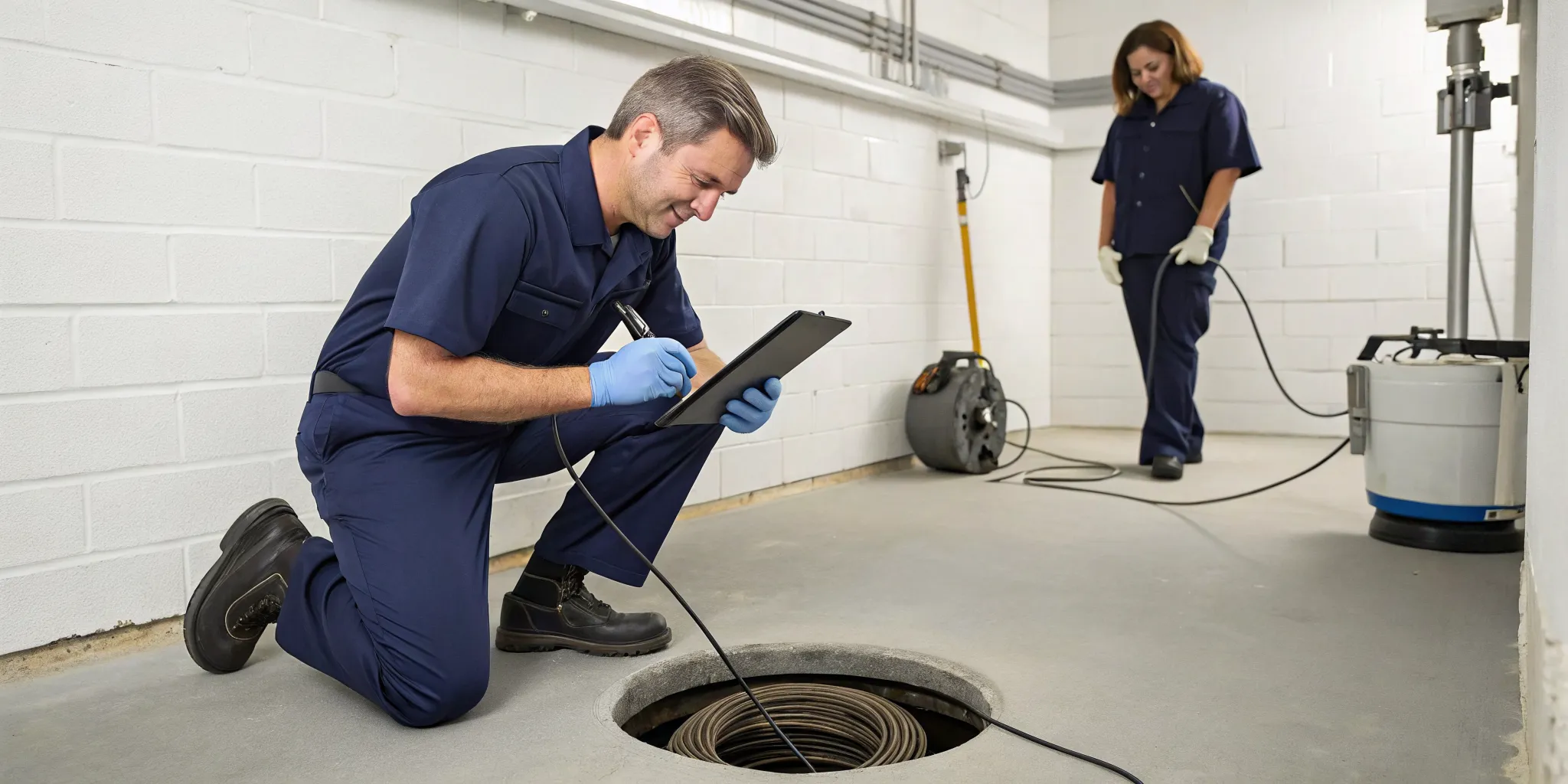
Sometimes, the biggest challenge is figuring out exactly what’s causing the problem. That’s where a sewer camera inspection comes in. A plumber will feed a small, waterproof camera attached to a flexible rod into your pipes to get a real-time look at what’s going on inside. This technology allows them to pinpoint the exact location and cause of the clog, whether it’s a buildup of grime, a rogue tree root, or even a crushed or broken pipe. A camera inspection is especially useful for diagnosing recurring issues and assessing the overall condition of your plumbing, helping you make informed decisions about repairs.
How Much Does It Cost to Unclog a Drain in Madison Heights?
Let’s be honest, when you have a clogged drain, one of your first questions is, “How much is this going to cost me?” While there’s no single price tag for a clog, understanding the costs can help you budget and choose the right professional. The final price depends on a few key things, from the clog’s location to the tools needed to clear it. Here’s a breakdown of what you can expect when you call a plumber in Madison Heights.
Typical Price Ranges
The cost to clear a drain often starts with a basic service call fee. In the Madison Heights area, you can expect the average cost for a service call to be around $60, though this can vary between companies. Think of this as the starting point. For a simple, straightforward clog in a sink or shower, the final price might not be much more than that initial fee. However, this base price covers the plumber’s travel and initial assessment. The total cost will ultimately depend on how long the job takes and how difficult the clog is to remove, which is why a transparent plumber will always assess the situation before giving you a final quote.
Factors That Influence Cost
Several factors determine the final bill for a clogged drain repair. The severity of the blockage is a major one; a small hair clog is much easier to fix than a dense grease buildup. The clog’s location also matters. A kitchen sink clog is typically more accessible and less expensive to clear than one deep in your main sewer line. Finally, the type of plumbing in your home can play a role. Older homes in Madison Heights might have cast iron or clay pipes that require more delicate handling and specialized expertise, which can affect the time and cost involved in the repair.
What Can Make the Price Go Up?
Sometimes, a clog is more than just a simple blockage, which can increase the price. If the clog is located deep within your plumbing system, a standard drain snake might not reach it. In these cases, a professional may need to use advanced equipment like a sewer camera to find the exact location of the problem or use hydro jetting to blast it away with high-pressure water. The cost will also rise if the clog is a symptom of a bigger issue, like a broken or collapsed pipe. This turns a simple clearing job into a more involved drain repair, which is a more complex and costly project.
How to Choose the Right Plumber in Madison Heights
Finding a reliable plumber in Madison Heights shouldn’t add more stress to an already frustrating situation. When your drain is clogged and you need help fast, it’s easy to just call the first number you find. But taking a few minutes to vet your options can save you from headaches and extra costs down the road. Think of it as a simple checklist to ensure you’re hiring a true professional who will get the job done right the first time. A great plumber will not only fix your immediate problem but also give you peace of mind.
Check for Licensing, Insurance, and Local Roots
Before you let anyone work on your home’s plumbing, make sure they are fully licensed and insured. This is non-negotiable. A license proves they meet state and local requirements, while insurance protects you and your property from any accidental damage. A reputable company will have no problem providing you with their credentials. We also recommend choosing a plumber with deep local roots. A family-owned business that serves the Madison Heights community is more likely to be invested in its reputation and the quality of its work, treating you more like a neighbor than just another job number.
Confirm Emergency Availability
Plumbing disasters rarely happen at a convenient time. A drain that backs up at 2 a.m. or a pipe that bursts on a holiday requires immediate attention. That’s why it’s so important to find a plumber who offers round-the-clock service. Before you commit, confirm that they have a team ready to handle calls 24/7, 365 days a year. Having a go-to company for emergency plumbing can turn a potential catastrophe into a manageable problem. You want a plumber who will answer the phone and show up when you need them most, not one who will let your call go to voicemail.
Look for Transparent Pricing and Guarantees
No one likes a surprise on their final bill. A trustworthy plumber will always provide clear, upfront pricing before any work begins. They should be able to explain the costs associated with the job and get your approval first. Be wary of any company that gives you a vague estimate or refuses to put a quote in writing. Also, look for a plumber who stands behind their work with a satisfaction guarantee. This shows they are confident in their skills and committed to providing a lasting solution, ensuring you feel secure in your investment.
Ask About Their Equipment
The tools a plumber uses can tell you a lot about the quality of their service. A modern plumbing company will invest in professional-grade equipment to diagnose and resolve issues efficiently. For clogged drains, ask if they use tools like drain snakes for simple clogs and hydro jetting for more serious blockages. The use of advanced technology, such as sewer camera inspections, allows them to pinpoint the exact cause of a problem without disruptive guesswork. A plumber with the right equipment can offer a wider range of expert solutions and complete the job more effectively, saving you time and money.
Simple Tips to Prevent Clogged Drains
A little prevention goes a long way in keeping your drains clear and your home running smoothly. Instead of waiting for a stubborn clog to disrupt your day, you can take a few simple, proactive steps. These tips don’t require any special skills, just a bit of mindfulness in your daily routine. By being careful about what goes down your drains and using some simple tools, you can avoid the stress and expense of frequent plumbing emergencies. Let’s walk through some easy habits that will protect your pipes and give you peace of mind.
Use Drain Catchers
One of the easiest ways to stop clogs before they start is by using drain catchers in your sinks and showers. These inexpensive mesh or silicone screens sit over the drain opening and trap hair, soap scum, and other debris before they can enter your plumbing. If you notice water pooling at your feet during a shower, it’s a clear sign that hair is already starting to build up. A simple drain catcher can prevent this from becoming a bigger problem. Just remember to clean them out regularly to keep water flowing freely. It’s a small task that makes a huge difference in maintaining clear drains.
Be Mindful of What You Put Down the Drain
Your drains aren’t a trash can, so it’s important to be selective about what you send down them. In the kitchen, never pour grease, fats, or oils down the sink; they solidify in your pipes and create tough blockages. In the bathroom, avoid flushing anything other than toilet paper. It’s also best to skip the harsh chemical drain cleaners. While they might offer a quick fix, they can cause serious damage to your pipes over time. If you notice foul odors or water backing up when you use an appliance, it could be a sign of a main line issue that needs professional attention. When in doubt, it’s always safer to call for emergency plumbing services.
Schedule Regular Drain Maintenance
Just like your car, your home’s plumbing system benefits from regular check-ups. Scheduling professional drain maintenance can help you catch potential problems before they turn into costly emergencies. Services like hydro jetting can thoroughly clean your pipes, removing years of accumulated grime and buildup that simple snaking can’t reach. Think of it as a reset for your plumbing. Investing in preventive maintenance is almost always more cost-effective than paying for an urgent repair. By keeping your drains in top shape, you can extend the life of your pipes and ensure everything flows exactly as it should. You can explore all our plumbing solutions to find the right maintenance plan for your home.
Mr. Pipey: Your Local Clogged Drain Experts in Madison Heights
When a stubborn clog brings your day to a halt, you need a local team you can trust to get things flowing again. At Mr. Pipey, we’re more than just plumbers; we’re your neighbors. As a family-owned business serving Madison Heights and the greater Metro Detroit area, we treat every home and business with the same care we’d give our own. We understand how frustrating plumbing problems can be, which is why we focus on providing reliable, long-lasting solutions with a friendly touch. Our commitment is to you, ensuring your plumbing issues are resolved quickly and effectively so you can get back to your routine.
Professional Drain Cleaning and Hydro Jetting
If you’re struggling with slow drains or a complete blockage, our team is ready to help. We are your go-to local plumbing company for a reason. We use proven techniques like drain snaking for common clogs and powerful hydro jetting for more serious obstructions. Hydro jetting uses a high-pressure stream of water to completely clear out grease, roots, and other tough buildup from your pipes, leaving them practically like new. Don’t let a slow drain turn into a major headache. Our professional drain cleaning services are designed to tackle the problem at its source, ensuring your plumbing system runs smoothly and efficiently.
24/7 Emergency Plumbing
Plumbing disasters don’t stick to a 9-to-5 schedule, and neither do we. A backed-up drain or overflowing toilet can happen at any time, causing stress and potential damage to your home. That’s why we offer 24/7 emergency plumbing services throughout Madison Heights. When you call us, you can count on a fast response from a skilled professional who is ready to handle the crisis. Our team arrives with the tools and expertise needed to diagnose the problem quickly and provide an effective solution, giving you peace of mind when you need it most. We’re here to help you protect your property day or night.
More Plumbing Solutions for Your Home
While we excel at clearing clogged drains, our expertise doesn’t stop there. Mr. Pipey is a full-service plumbing company dedicated to meeting all your home’s needs. From fixing a leaky faucet or running toilet to providing essential services like sump pump maintenance and backflow preventer testing, our team does it all. We believe in building lasting relationships with our clients, founded on trust and quality workmanship. As a family-owned company, we stand by our 100% customer satisfaction guarantee. When you choose Mr. Pipey, you’re choosing a reliable partner for all your plumbing projects, big and small.
Related Articles
- Clogged Drain Repair Plumbers in Southfield, MI | Mr. Pipey® Plumbing
- Drain Backup in Basement? A Step-by-Step Guide
- Sewer Line Repair 101: A Homeowner’s Guide
- Drain Cleaning in Detroit & Royal Oak MI | Mr. Pipey® Plumbing
- Basement Drain Backup: Your Step-by-Step Guide
Frequently Asked Questions
My drain is just a little slow. Can I wait to call a plumber? It’s a common question, and while it’s tempting to wait, a slow drain is often the first sign of a bigger problem. If it’s a single sink and you’ve recently noticed it, you might have a simple clog you can handle. However, if the drain is getting progressively slower, if you’ve tried basic fixes without success, or if multiple drains are slow, it’s best to call a professional. Ignoring it can allow the blockage to worsen, potentially leading to a complete backup and a much more stressful plumbing emergency.
Are chemical drain cleaners a good idea? I generally advise against using harsh chemical drain cleaners. While they might seem like a quick fix, they often don’t clear the entire clog, which means the problem will likely return. More importantly, these chemicals can be corrosive and cause long-term damage to your pipes, especially in older homes with metal plumbing. A professional can use methods like snaking or hydro jetting to physically remove the blockage safely without harming your plumbing system.
What’s the difference between drain snaking and hydro jetting? Think of drain snaking as a targeted tool for breaking up or pulling out a specific obstruction, like a clump of hair. It’s very effective for simple, solid blockages. Hydro jetting, on the other hand, is a comprehensive cleaning. It uses high-pressure water to scour the entire inside of the pipe, removing not just the main clog but also years of accumulated grease, scale, and grime. We often recommend hydro jetting for recurring clogs or for cleaning out main sewer lines.
I live in an older Madison Heights home. Should I be worried about my pipes? Living in a home with history is wonderful, but it’s smart to be proactive about older plumbing. Pipes made from materials like cast iron or clay can corrode and become fragile over decades, making them more prone to clogs and cracks. If you’re experiencing frequent backups or other recurring issues, it’s a good idea to schedule a sewer camera inspection. This lets us see the exact condition of your pipes and catch potential problems before they become a major failure.
How can I tell if my clog is in the main sewer line? A main line clog is different from a simple drain clog because it affects your whole house. The biggest clue is when multiple fixtures are acting up at once, for instance, your toilet gurgles when the washing machine drains, or water backs up into the shower when you flush. You might also notice persistent foul odors coming from several drains. These are serious signs that wastewater isn’t leaving your home properly, and you should call for professional help right away.