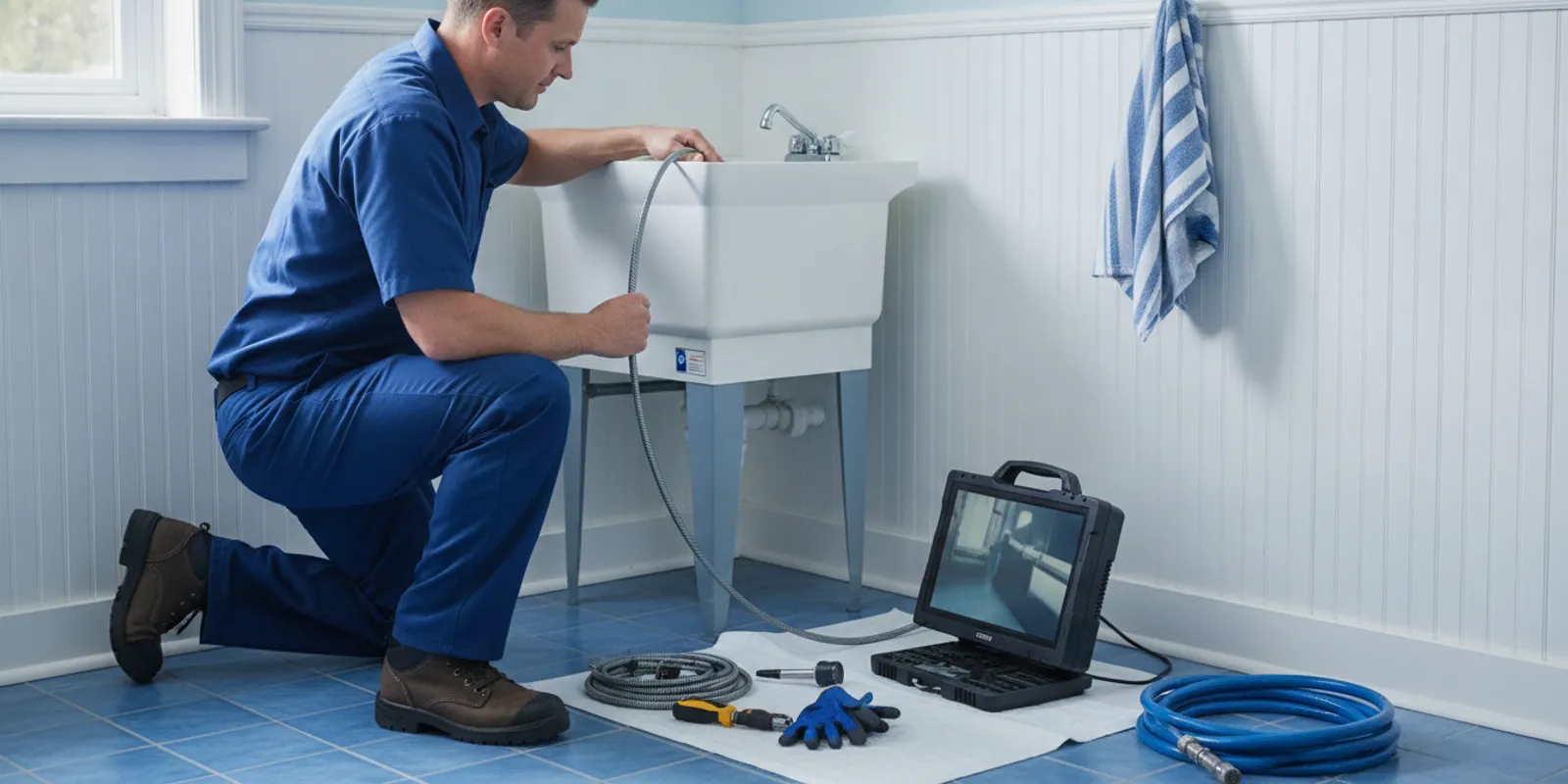
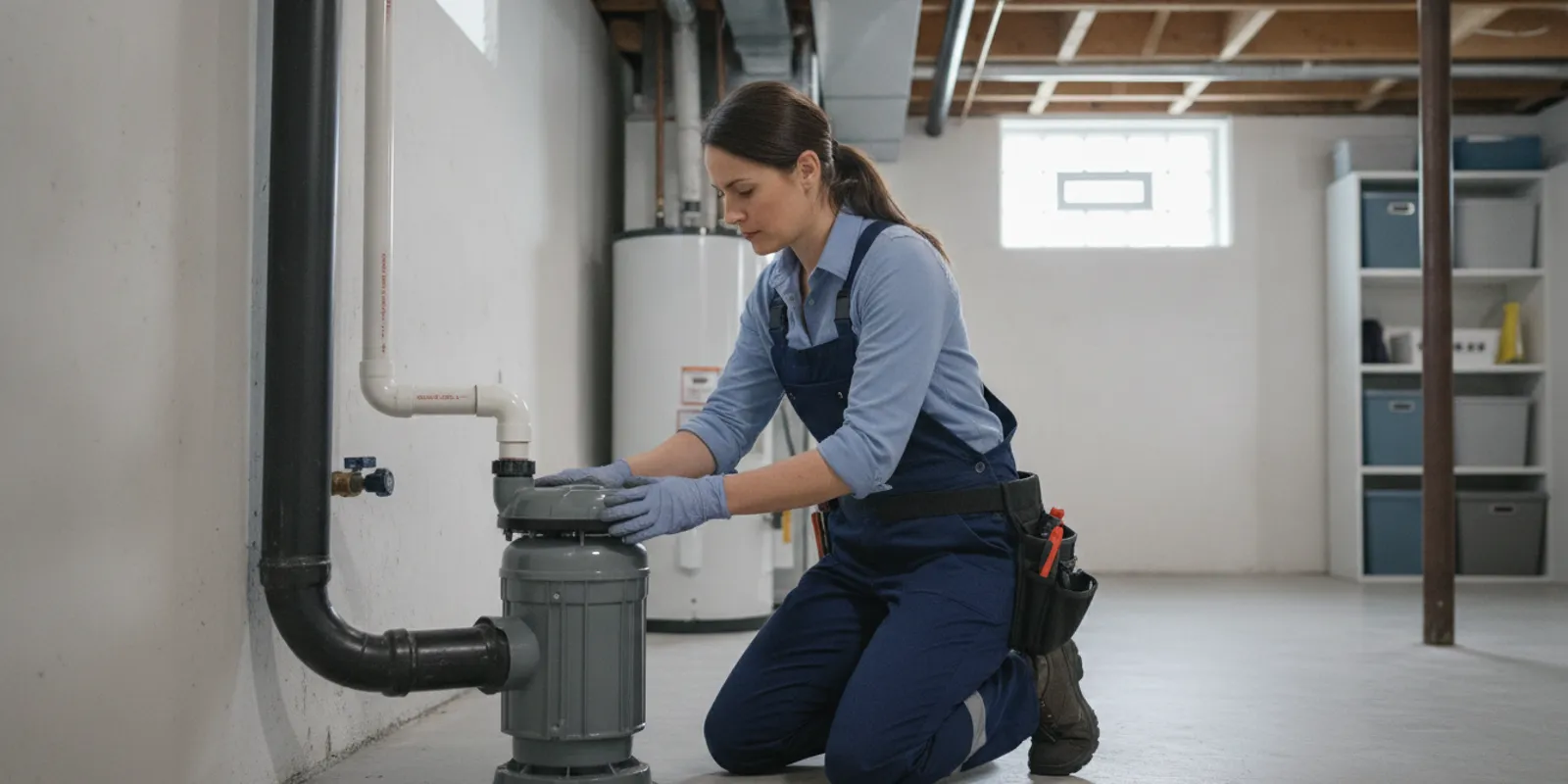
We all expect the water from our taps to be clean and safe. A critical device called a backflow preventer is the unsung hero that makes this possible, acting as a gatekeeper for your plumbing. It stops dirty water from sources like lawn sprinklers or boilers from contaminating the public water supply. But how do you know it’s working? That’s where an annual inspection comes in. This guide explains the importance of professional backflow testing in Ferndale, MI, a small step every property owner can take to protect the health of their family and the entire community from serious contamination risks.
Key Takeaways
- Prioritize water safety: An annual backflow test is a simple, non-negotiable safety check. It prevents harmful contaminants from entering your clean drinking water, safeguarding the health of your household and the community.
- Stay compliant to avoid penalties: In Michigan, yearly backflow testing is mandatory for all commercial properties and homes with irrigation systems. Following this rule helps you avoid steep fines and the potential for your water service to be shut off.
- Hire a certified expert: This is not a job for just any plumber; it must be performed by a technician with a specific ASSE 5110 certification. Working with a qualified professional ensures the test, paperwork, and any repairs are handled correctly.
What Is Backflow Testing?
Let’s be honest, “backflow testing” sounds pretty technical. But at its core, it’s a simple and essential safety check for your water system. Think of it as an annual inspection for a critical piece of plumbing equipment that protects your drinking water. This test makes sure that a special device, called a backflow preventer, is working correctly. Its only job is to keep contaminated water from flowing backward into your clean water supply.
Proper backflow preventer repair and testing is not just a recommendation; it’s a key part of maintaining public health. The process is quick, non-invasive, and gives you peace of mind that the water you and your community use is safe. A certified technician uses specialized equipment to check the pressure and valves in your backflow device to ensure it’s ready to do its job in an emergency.
How Does Backflow Happen?
Backflow is exactly what it sounds like: water flowing in the wrong direction. Your plumbing is designed to be a one-way street, bringing fresh water in. When that flow reverses, it can pull contaminated water from sources like irrigation systems, boilers, or industrial equipment back into the clean water supply. This creates a serious health hazard.
This reversal typically happens in one of two ways. The first is backpressure, which occurs when the pressure in a secondary system (like a commercial boiler) becomes greater than the pressure of the main water supply, pushing dirty water back. The second is backsiphonage. This happens when there’s a sudden drop in pressure in the main water line, like from a water main break or a fire hydrant being used nearby. This drop creates a vacuum that sucks contaminated water into your pipes.
The Risks of Skipping Your Annual Test
Putting off your annual backflow test might seem like a way to save a little time or money, but the risks are significant. The most serious danger is water contamination. If your backflow preventer fails, it can contaminate not only your own drinking water but also that of your neighbors, posing a health risk to the entire community. This is especially true for residential properties with irrigation systems or pools connected to the main water line.
Beyond the health risks, there are practical consequences. Water authorities in Michigan take backflow prevention very seriously. If you fail to complete your required annual test or don’t repair a device that has failed, you could face fines. In many cases, the water authority may even shut off your water service until the issue is resolved, which can lead to a stressful and costly emergency plumbing situation.
Who Needs Backflow Testing in Ferndale?
You might be wondering if this applies to you. According to Michigan state law, backflow testing is mandatory for many property owners. If you have a potential cross-connection where contaminated water could enter the public supply, you likely need a backflow preventer and annual testing.
This requirement generally includes:
- Commercial Properties: Nearly all businesses, from restaurants and salons to manufacturing plants and medical offices, are required to have their backflow devices tested annually.
- Irrigation Systems: If you have an in-ground sprinkler system for your lawn, state law requires it to have a backflow preventer that is tested each year.
- Properties with Fire Sprinklers: Buildings equipped with fire suppression systems must also undergo annual testing.
- Large Residential Buildings: Apartment complexes and other multi-family housing units often fall under these regulations.
If you’re unsure whether your property needs testing, our team can help you understand the requirements for your specific setup. We handle a wide range of plumbing services for both homes and businesses.
Ferndale’s Backflow Testing Requirements
Understanding the rules for backflow testing can feel a little overwhelming, but it’s all about one thing: keeping our community’s water supply safe and clean. Ferndale, like other cities in Michigan, follows specific state and local regulations to prevent contamination. For property owners, this means meeting a few key requirements to stay compliant. Knowing these rules helps you avoid fines, protect your property, and ensure you’re doing your part to maintain a healthy water system for everyone. Let’s walk through exactly what you need to know.
Michigan’s Annual Testing Rules
The state of Michigan takes water safety seriously. State law mandates that backflow prevention assemblies must be tested at least once a year. This rule applies to all commercial properties and any residential properties with a potential cross-connection, like an in-ground irrigation or sprinkler system. If you have a lawn sprinkler, this applies to you. The annual test confirms that your backflow preventer is working correctly and ready to stop contaminated water from flowing back into the public water lines. Think of it as a yearly check-up for your plumbing’s most important safety feature.
Required Certifications for Technicians
You can’t have just any plumber perform a backflow test. Michigan law requires the test to be conducted by a technician with a specific certification. These professionals have completed specialized training to properly test, repair, and certify backflow prevention devices according to state and local codes. When you hire a plumber for this job, always make sure they have the right credentials. Our team at Mr. Pipey includes fully certified technicians who are experts in backflow preventer repair and testing, so you can be confident the job is done right.
Local Water Authority Regulations
Your local water authority is responsible for enforcing these rules to protect the public water supply. They keep records of which properties have backflow preventers and track whether they’ve been tested on time. If a test isn’t completed, or if a device fails its test and isn’t repaired, the water authority has the right to take action. In some cases, they can suspend water service to the property until the issue is resolved. This is their most serious measure, used to eliminate any potential threat of contamination to the community’s drinking water.
What Happens If You Don’t Comply?
Ignoring the annual backflow testing requirement can lead to some serious headaches. Many property owners, especially those with commercial buildings, don’t realize that it’s a legal mandate. Failing to comply can result in significant fines from the municipality. Beyond the financial penalties, you also run the risk of having your water service shut off until you can prove your backflow preventer is functioning correctly. Staying on top of your annual test is the easiest way to avoid these issues. If you’re unsure about your status or need to schedule a test, get in touch with our team, and we’ll help you stay compliant.
What to Expect During a Backflow Test
If you’ve received a notice about backflow testing, you might be wondering what the process actually involves. It’s simpler and less disruptive than you might think. A certified technician will visit your property to perform a quick inspection and test on your backflow prevention device. The goal is to make sure it’s working correctly to protect your water from contamination. Knowing what happens during the test can help you feel prepared and confident that your water supply is safe. We’ll walk you through the types of devices we see, the step-by-step process, and what to expect in terms of time and cost.
Common Types of Backflow Preventers
Not all backflow preventers are the same. The type installed on your property depends on the specific needs of your plumbing system and the level of risk. For example, a commercial building with complex plumbing will have a different device than a home with an irrigation system. Common types include Pressure Vacuum Breakers (PVB), Double Check Valve Assemblies (DCVA), and Reduced Pressure Zone (RPZ) assemblies. Each one is designed to stop backflow under different conditions. A certified professional can help you select the correct backflow valve for your system and ensure it meets local codes, as these devices are required wherever there is a potential hazard to the public water supply.
The Testing Process, Step-by-Step
The testing process is straightforward and designed to be as efficient as possible. First, our certified technician will arrive and locate your backflow prevention device. We will need to temporarily shut off the water leading to the device, but it’s a brief interruption. Using a specialized test kit, we’ll connect to the test ports on your device to measure pressure levels and ensure the internal valves are sealing properly. Once the test is complete, we’ll restore your water, tag the device with the date and results, and handle submitting all the necessary paperwork to the Ferndale water authority for you. It’s a simple way to stay compliant with Michigan’s annual testing requirements.
How Long It Takes and What It Costs
We know your time and budget are important. A standard backflow test is usually very quick, often taking just 20 to 30 minutes to complete. The cost can vary depending on the type and accessibility of your device, but it’s a small price for peace of mind. While there is an expense involved, the cost of testing is minimal compared to the potential health risks and fines associated with water contamination. At Mr. Pipey, we pride ourselves on providing cost-effective solutions for our community. If you have questions about your specific needs, you can always contact us for a clear and upfront estimate.
Repair or Replace Your Backflow Preventer?
So, what happens if your backflow preventer fails its annual test? The immediate question is whether you need a simple repair or a full replacement. The answer really depends on what the technician finds during the inspection. Sometimes, it’s a minor issue with a worn-out seal or spring that can be fixed on the spot. Other times, the problem is more serious, pointing to significant wear or damage that makes a simple fix impossible.
A certified technician is the best person to diagnose the problem and explain your options. They have the tools and expertise to see what’s going on inside the device and determine the most cost-effective and safest path forward. Making the right choice is crucial, as a faulty backflow preventer can’t do its job of protecting your water from contamination. If your device fails its test, the most important thing is to address it quickly. A professional can help you decide between a repair and a full backflow preventer replacement to ensure your water stays safe and you remain compliant with local regulations. They’ll walk you through the pros and cons of each option, considering the age of your device, the cost of parts, and the long-term reliability you can expect.
Signs You Need a Repair
The most obvious sign that your backflow preventer needs attention is a failed test. If a certified technician finds that your device isn’t working correctly, they can often perform the necessary repairs right away. Many common failures are due to worn-out internal components that are relatively simple for a professional to fix. You might not even know there’s a problem until the test.
You can also keep an eye out for signs of water contamination, though these aren’t always present. If your water suddenly looks discolored, has visible rust or sediment, tastes strange, or smells like sulfur, it could indicate a backflow issue. Slow water flow can also be a symptom. If you notice any of these changes, it’s a good idea to call a plumber to investigate.
When to Choose a Replacement
While many issues can be repaired, sometimes a full replacement is the only safe option. If the body of the backflow preventer is cracked or severely corroded, or if the internal components are too damaged, a repair simply won’t be enough to guarantee its function. Age is another factor; an older device may no longer be reliable, even with new parts.
Your technician will recommend a replacement if they determine the device is too broken to repair effectively. Neglecting a failing device isn’t just a compliance issue; it can pose a serious health risk to your household and even the public water supply. Investing in a new backflow preventer ensures your property is protected for years to come and gives you peace of mind.
How to Find a Certified Backflow Tester in Ferndale
Finding the right professional for your backflow test is about more than just checking a box on your to-do list. You’re entrusting them with the safety of your water supply, and not every plumber is qualified for this specific task. While many can fix a leaky faucet, only those with specialized training can legally test, repair, and certify backflow prevention devices in our area. Taking a few extra minutes to verify a tester’s credentials ensures the job is done correctly and that your property remains compliant with local regulations. It’s a small step that provides significant peace of mind. Here’s what you need to know to find a qualified and trustworthy backflow tester in the Ferndale area.
What Credentials to Look For
When you hire a professional for backflow testing, they need more than a standard plumbing license. In Oakland County, technicians must hold two key qualifications. First, they need an ASSE Standard 5110 certification, which shows they have completed specialized training for testing backflow prevention assemblies. Second, they must also have a valid master, journey, or apprentice plumber license. These credentials are not just suggestions; they are requirements that guarantee your tester has the proven expertise to protect your drinking water from contamination. Always confirm your plumber has both before scheduling a service.
Questions to Ask Before You Hire
Before you commit, it’s wise to ask a few direct questions to feel confident in your choice. Don’t be shy about verifying their qualifications, it’s a standard part of the process for any true professional.
A few good questions to start with are:
- Are you certified to perform backflow testing in Ferndale, MI?
- Can you confirm that you hold an active ASSE 5110 certification and a valid Michigan plumber’s license?
- Do you handle submitting the test results to the local water authority for me?
A qualified technician will have no problem answering these questions and providing proof of their credentials. This simple conversation can save you from headaches down the road.
Finding a Partner for Annual Testing
Since backflow testing is an annual requirement, it’s helpful to find a reliable partner you can count on year after year. Building a relationship with a trusted local plumber simplifies the entire process. You won’t have to search for a new company each year, and they’ll already be familiar with your property’s plumbing system. At Mr. Pipey, we offer expert backflow preventers repair and testing and aim to be that dependable partner for our neighbors. We handle the testing, repairs, and paperwork, giving you peace of mind that your water is safe and you’re fully compliant.
A Simple Guide to Staying Compliant
Keeping up with local regulations for your property can feel like a chore, but when it comes to backflow testing, it’s a straightforward process. Staying compliant is not just about following the rules; it’s about protecting your family, your neighbors, and the public water supply from contamination. Think of it as a simple annual check-up for your plumbing system. With a few easy steps, you can make sure you’re always on top of the requirements, avoid any potential fines or service interruptions, and enjoy total peace of mind. Here’s a simple guide to help you manage your backflow compliance without the headache.
Keep Clear Records
One of the simplest things you can do is keep a dedicated folder, either physical or digital, for all your backflow-related documents. This includes copies of past testing reports, receipts for any repairs, and any notices you receive from your local water authority. Since requirements can vary between different Michigan municipalities, having your property’s history in one place is incredibly helpful. If you get a compliance notice in the mail and aren’t sure what it means, your records can provide important context. A certified plumber can help you understand exactly what’s needed, and having your paperwork handy makes that conversation even easier. We can help you get a straight answer about your backflow preventer repair and testing needs.
Set Annual Reminders
Michigan law requires annual backflow testing for many properties, including those with irrigation systems and all commercial buildings. It’s an easy deadline to forget, but the consequences can be serious, potentially leading to a suspension of your water service. To avoid this, set a recurring annual reminder on your phone’s calendar or a physical one in your home or office. Mark it for the same month each year so it becomes a predictable part of your property maintenance routine. An even better approach is to partner with a plumbing company that offers annual reminders. When you schedule your service with us, we can help you get on a regular schedule, taking one more thing off your to-do list.
Work with a Trusted Local Plumber
Backflow testing is not a DIY project. It must be performed by a certified technician to be valid. When you hire a professional, you’re not just getting someone to check a box; you’re partnering with an expert who can spot potential issues, perform necessary repairs correctly, and handle the official paperwork for you. A trusted plumber will ensure your device is functioning properly and that your test results are submitted to the water authority on time. As a family-owned business, we treat your property like our own. We believe in building long-term relationships with our clients, so you can count on us for reliable service year after year.
Your Partner for Backflow Testing in Ferndale
Keeping your property compliant with Ferndale’s backflow testing requirements can feel like just one more thing on your to-do list. But it’s a critical task for protecting our community’s water supply from contamination. The key is to find a reliable partner who can make the process simple and stress-free, year after year. You need a team that not only understands the technical side of testing but also values your peace of mind.
At Mr. Pipey, we treat every client like family because we’re part of the same Metro Detroit community. As a family-owned business, we’ve built our reputation on trust and reliable workmanship. We know that dealing with regulations can be a headache, which is why our certified technicians are here to handle the entire process for you. From conducting the test to managing the paperwork and submitting it to the city, we ensure you remain compliant without any hassle.
Our team is fully equipped to handle all your backflow preventer repair and testing needs. If your device fails the test, we can diagnose the problem and perform the necessary repairs or replacements on the spot, saving you time and preventing potential fines. We believe in providing cost-effective, long-lasting solutions that keep your water safe and your property protected.
Don’t let your annual backflow test become a source of stress. Let us take care of it for you. With Mr. Pipey, you can be confident that your plumbing is in expert hands. Contact us today to schedule your backflow test in Ferndale and experience the difference of working with a team that truly cares.
Related Articles
- Backflow Preventer Testing: A Homeowner’s Guide
- Plumbing Maintenance & Prevention
- A Homeowner’s Guide to Old Basement Drainage Systems
- Water Shut-off Valve Services in Hamtramck | Mr. Pipey® Plumbing
Frequently Asked Questions
I own a house in Ferndale. Do I really need to get a backflow test? For most residential properties, a backflow test is not required. The main exception for homeowners is if you have an in-ground irrigation or sprinkler system connected to the city’s water supply. State law requires these systems to have a backflow preventer that is tested annually. If you don’t have a sprinkler system, a large pool with an auto-fill line, or a similar cross-connection, you likely don’t need to worry about it.
What happens if my backflow preventer fails the test? Am I in trouble? A failed test isn’t a catastrophe; it’s simply a sign that your device needs attention. It doesn’t automatically mean you’re in trouble, but you do need to act quickly. A certified technician can diagnose the issue, which is often a worn-out seal or spring, and can usually perform the repair right away. The important thing is to get it fixed and re-tested promptly to ensure your water is safe and to avoid any potential fines or a water service interruption from the city.
Will my water be shut off for a long time during the test? Not at all. The testing process is very quick and causes minimal disruption. We only need to shut off the water leading to the backflow device itself, and only for the short time it takes to run the test, which is typically about 20 to 30 minutes. Your property’s main water supply will be restored as soon as the test is complete, so you’ll barely notice the interruption.
Why can’t my regular plumber or handyman perform the backflow test? Backflow testing is a specialized field that requires specific training and certification. Michigan law mandates that only plumbers holding an ASSE 5110 certification can legally test and certify these devices. This ensures the person performing the test has the right equipment and expertise to properly assess the device’s function and protect the public water supply. It’s a matter of both legal compliance and public safety.
I received a notice from the city about backflow testing. What should I do? First, don’t worry. These notices are standard procedure. The notice should include a deadline for you to complete the test. Your next step is to call a certified backflow tester, like our team at Mr. Pipey, to schedule an appointment. We will perform the test, and if the device passes, we handle all the paperwork and submit the results directly to the Ferndale water authority for you, making the process completely hands-off.