

We all expect the water from our taps to be clean and safe for our families. However, a sudden change in water pressure can cause a dangerous reversal in your plumbing, pulling water from a sprinkler system or boiler back into your drinking water lines. This is called backflow, and it can introduce harmful contaminants without you ever knowing. To prevent this, your property is equipped with a backflow prevention device. This is why annual backflow testing Birmingham MI is not just a local requirement, but a critical health measure for every household. It’s a simple inspection that verifies your line of defense is working perfectly. In this article, we’ll explain the process and show you how this quick check-up provides year-round peace of mind.
Key Takeaways
- Protect your water with regular testing: Backflow testing is a required safety check that ensures your plumbing’s one-way street for water is working, preventing harmful contaminants from mixing with your clean drinking water.
- Verify your tester’s credentials: This isn’t a job for just any plumber; to comply with local rules, your chosen professional must have both a current ASSE 5110 certification and a valid Michigan plumber’s license.
- The process is quick and straightforward: Don’t put it off. A standard backflow test is an affordable part of your annual home maintenance that typically takes less than an hour with only a brief water shutoff.
What Is Backflow Testing and Why Is It Important?
Think of your plumbing as a one-way street for water. Clean water comes in, and used water goes out. Backflow is what happens when that traffic flows the wrong way, allowing contaminated water to mix with your clean drinking water. Backflow testing is a simple, certified check to make sure the safety device on your pipes, called a backflow preventer, is working correctly and keeping your water safe.
This isn’t just a suggestion; it’s a crucial part of maintaining a healthy water supply for your home or business. A failed backflow preventer can introduce harmful substances into your pipes without you even knowing it. That’s why having a professional perform regular backflow preventer repair and testing is one of the most important things you can do to protect the health of your family, employees, and customers. It ensures your water is safe, clean, and flowing in the right direction.
How Backflow Happens
Backflow happens when there’s a sudden change in water pressure, causing water to flow backward into your clean water supply. Imagine a drop in pressure in the city’s main water line (maybe from a water main break or a firefighter opening a hydrant). This can create a siphon effect, pulling water from your property back into the main system. If that water is from a lawn irrigation system treated with pesticides or a commercial boiler with chemical additives, those contaminants can get into the drinking water lines, posing a serious risk.
Understanding the Health Risks
The risks associated with backflow are significant. When non-potable water enters the clean water system, it can carry a host of dangerous contaminants. We’re talking about things like bacteria, sewage, industrial chemicals, and fertilizers. According to public health officials, this kind of contamination is a major health hazard. Proper backflow protection is the only thing standing between the public drinking water supply and these undesirable, harmful substances. Regular testing ensures that this critical line of defense is always working as it should.
Who Is Responsible for Testing?
As a property owner, the responsibility for backflow prevention falls on you. Local regulations require homeowners and commercial property owners to install and maintain backflow prevention devices. It’s up to you to schedule regular tests with a certified professional to ensure your device is functioning correctly and in compliance with local codes. Think of it as a small but essential task to protect the health of your community and ensure the water coming from your taps is always safe to drink.
Birmingham’s Backflow Testing Requirements
If you live in Birmingham, you might have heard about the city’s rules for backflow testing. It can sound a little technical, but it’s a straightforward process designed to protect our community’s water supply. Understanding the local requirements is the first step to making sure your home is compliant and your water is safe. Let’s walk through exactly what Birmingham asks of its residents so you know what to expect and what to do when it’s time for a test.
What Is the Cross Connection Program?
The City of Birmingham has a Cross Connection Program that inspects residential water pipes. The program’s main goal is to prevent backflow, which is what happens when contaminated water reverses course and flows into your clean drinking water lines. A cross connection is any point where the public water system connects to a potential source of contamination, like a sprinkler system or boiler. This program helps identify those risks and ensures protective devices are in place and working correctly to keep everyone’s water pure.
Who Needs to Comply?
As a homeowner in Birmingham, you are responsible for handling any issues found during a water pipe inspection. If the city identifies a potential problem, you’ll receive a notice in the mail. This isn’t something to set aside; it means you need to take action. Your next step is to contact a certified plumber who is qualified to perform backflow preventer repair and testing. A certified professional can test your device, make any necessary repairs, and submit the paperwork to the city to confirm you are in compliance.
How Often Is Testing Required?
Backflow testing isn’t a one-and-done task. It’s a recurring part of home maintenance, much like getting your furnace checked every year. Regular testing is required to ensure your backflow prevention device is functioning properly over the long term. The exact frequency can depend on the type of device and the level of risk associated with your property. The city will typically notify you when your test is due. Staying on top of this schedule is essential for meeting local regulations and, more importantly, for the continuous protection of your family’s drinking water.
Penalties for Non-Compliance
Ignoring a backflow testing notice can lead to significant problems. The most serious consequence is the potential contamination of the public water supply, which can create health hazards for your family and your neighbors. Beyond the health risks, property owners can also be held liable if their non-compliant system causes a contamination event. The good news is that avoiding these issues is simple. By working with a certified tester to complete your required backflow testing, you can easily stay compliant, protect your community, and gain peace of mind.
What to Expect During a Backflow Test
If you’ve received a notice that it’s time for your annual backflow test, you might be wondering what the appointment will involve. The good news is that it’s a quick and straightforward process. A certified professional handles the entire inspection, so you can feel confident that your water system is being checked correctly and efficiently. The main goal is to ensure your backflow preventer is working perfectly to protect your drinking water. Think of it as a routine check-up for one of your home’s most important safety features.
A Step-by-Step Look at the Process
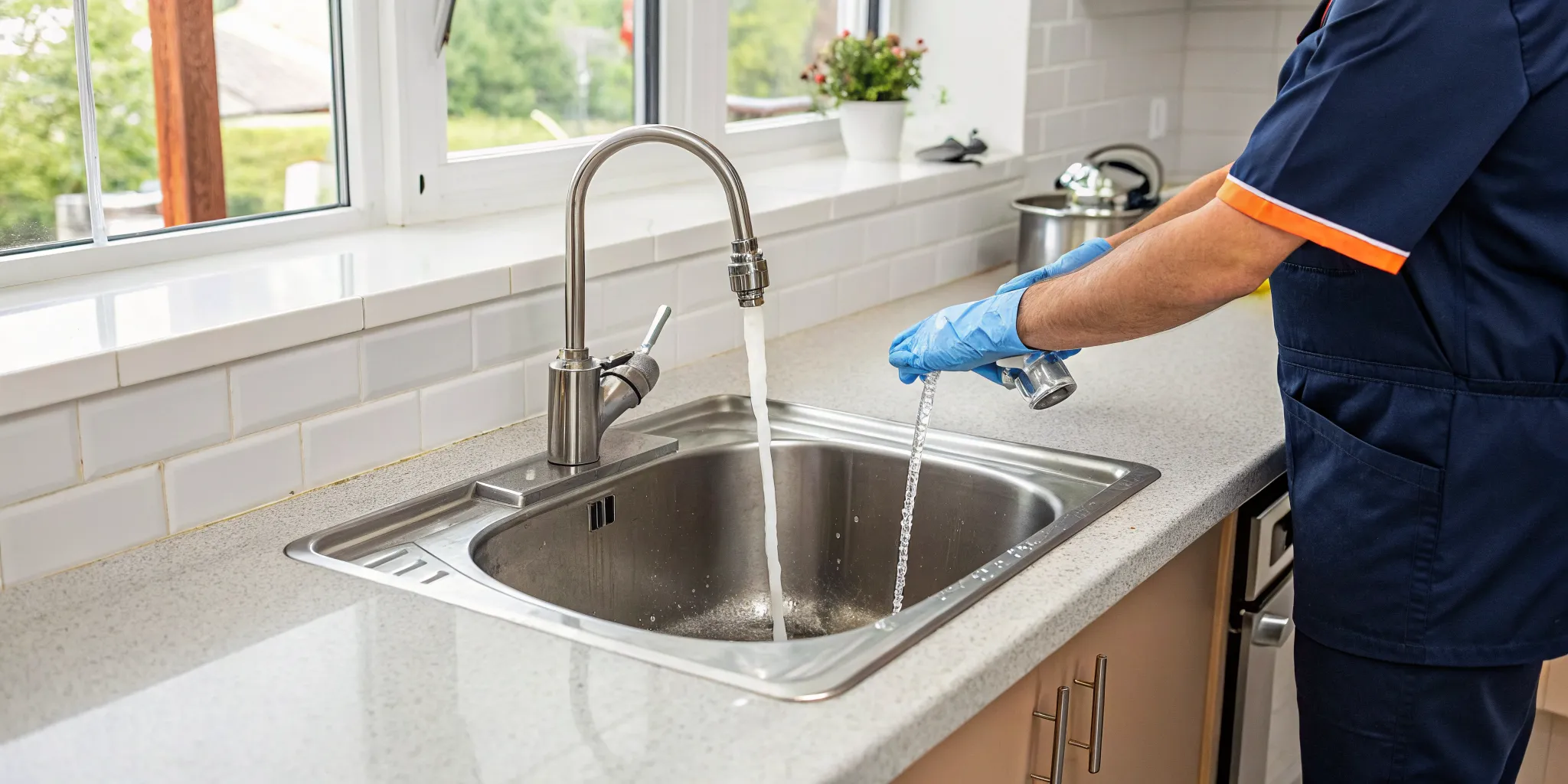
A backflow test is a certified performance check that makes sure your backflow prevention assembly is doing its job: blocking contaminated water from mixing with your clean water supply. When our certified technician arrives, they will first notify you that they need to shut off the water to the device. Then, they will connect a specialized test kit to the test cocks on your backflow preventer. By opening and closing the valves in a specific sequence, they measure pressure levels to confirm the internal check valves and relief valves are working correctly. Once the test is complete and the results are recorded, we’ll turn your water back on. Our team handles every part of the backflow preventer repair and testing process for you.
How Long Does a Test Usually Take?
We know your time is valuable, so we work efficiently to get the job done. For most residential and commercial properties, the backflow test itself is very fast, usually taking less than an hour to complete. The water to your property will be shut off for the duration of the test, which is typically around 30 minutes. It’s a minor interruption for a major safety check. If the test reveals that your device needs repairs, the appointment may take longer. However, our technician will always communicate the issue clearly, explain the necessary fix, and provide a time estimate before starting any additional work.
What Happens If Your Device Fails?
Finding out your backflow preventer failed its test can be concerning, but it’s usually a manageable issue. A failure simply means the device isn’t providing the protection it’s supposed to. Common causes include worn-out rubber seals, stuck internal components, or debris lodged inside the assembly. If your device fails, our technician will immediately identify the cause of the problem. They will explain what needs to be repaired or replaced to bring it back into compliance. Failing to maintain your device could create liability issues if a contamination event occurs, so it’s important to address any failures right away. If you need urgent help with a failed test, contact our team and we’ll be there to solve it.
Common Types of Backflow Prevention Devices
Not all backflow preventers are created equal. The type of device your property needs depends on your plumbing system and the level of risk involved. Think of it like choosing the right tool for the job; you wouldn’t use a hammer to turn a screw. Understanding the different devices helps you know what to look for and ensures your property has the right protection. If you’re ever unsure which device is right for you, our team can provide expert backflow preventer repair and testing to keep your system compliant and safe.
Pressure Vacuum Breakers
A Pressure Vacuum Breaker, or PVB, is a common sight on residential irrigation systems. Its main job is to prevent back siphonage, which happens when a drop in water pressure creates a vacuum that could pull contaminated water backward. The PVB has a spring-loaded check valve and an air inlet that opens to break the vacuum if pressure drops. While they are great for protecting against non-health hazards, like lawn fertilizers, they aren’t designed for high-hazard situations where toxic chemicals could enter the water supply. They are a simple, effective solution for specific, low-risk applications.
Double Check Valve Assemblies
A Double Check Valve Assembly (DCVA) offers a bit more protection. As the name suggests, it contains two independent check valves. It’s a “one-two punch” approach to safety; if the first valve fails, the second one is there to stop any backflow. This makes them a reliable choice for non-health hazard situations that might experience both back siphonage and back pressure. You’ll often find DCVAs installed on fire sprinkler systems and larger irrigation setups. They are a versatile and widely used device for keeping non-potable water where it belongs.
Reduced Pressure Zone Devices
When the risk of contamination is high, a Reduced Pressure Zone (RPZ) device is the gold standard. These are the heavy-duty protectors required for high-hazard applications, like commercial buildings, hospitals, or facilities using chemicals. An RPZ has two check valves plus a differential pressure relief valve in the middle. This relief valve maintains a “reduced pressure zone” and will open to discharge water if it detects a problem with either check valve. This design provides the highest level of protection, ensuring that even in a worst-case scenario, contaminated water cannot enter the public drinking supply.
Common Backflow Testing Myths
There’s a lot of confusion surrounding backflow testing, which can make it easy to put off. Let’s clear up a few common myths so you can feel confident about keeping your water safe and staying compliant with local requirements.
Myth: “It’s a one-time requirement.”
This is one of the most common misunderstandings. Think of backflow testing less like a single checkbox and more like an annual check-up for your plumbing system. Your city or township requires regular testing, usually every year, to ensure your backflow preventer is still working correctly. These devices have internal parts that can wear down over time. An annual test confirms everything is in good working order, protecting both your property and the community’s water supply. Sticking to a regular schedule is the best way to ensure you remain compliant and that your device is ready to do its job when needed.
Myth: “Only large commercial properties need it.”
While it’s true that commercial buildings require backflow prevention, this rule isn’t exclusive to them. Many homeowners need them too. If your home has an in-ground sprinkler system, a swimming pool, a fire suppression system, or even a boiler, you likely have a backflow preventer that needs testing. The risk isn’t about the size of the property; it’s about the presence of a “cross-connection” where contaminated water could potentially enter the clean water supply. Protecting our shared water is a community effort, and that includes residential properties. If you’re unsure whether your home needs a test, a certified plumber can help you find out.
Myth: “My preventer doesn’t need maintenance.”
It’s easy to assume that once a backflow preventer is installed, it’s good to go forever. However, these are mechanical devices with springs, seals, and moving parts that are constantly under pressure. Over time, debris can get lodged inside, or parts can simply wear out and fail. This is precisely why annual testing is so important. A test will catch these small issues before they become big problems that could lead to a failed device and potential contamination. If a problem is found, a professional can perform a backflow preventer repair to get it working properly again, which is much simpler than dealing with the consequences of a failure.
How Much Does Backflow Testing Cost in Birmingham?
Thinking about the cost of any home maintenance can feel a little daunting, but backflow testing is one of those essential services that is surprisingly affordable. It’s a small investment that protects your family’s drinking water and keeps you in good standing with Birmingham’s local requirements. To give you a clear picture of what to expect, let’s break down the typical costs for testing, potential repairs, and the factors that can influence the final price. This way, you can budget accordingly and move forward with confidence.
Typical Testing Costs
The good news is that a standard backflow test is not a major expense. In the Birmingham area, you can generally expect the cost for a single backflow device test to fall between $75 and $150. Many professional plumbers offer very competitive rates, with residential testing often priced around $85 and commercial testing closer to $100 per device. Considering the test ensures your water supply is safe from contamination, it’s a worthwhile and cost-effective part of your annual property maintenance routine. It’s a simple step that provides significant peace of mind.
Budgeting for Potential Repairs
While we all hope for a passing grade, it’s smart to plan for the possibility that your backflow preventer might need a little TLC. If a device fails its test, a repair will be necessary to bring it back into compliance. Most common backflow repair costs can range from $200 to $800, depending on what needs to be fixed. Minor issues, like replacing a seal or spring, might only cost between $50 and $250. Having a rough idea of these potential expenses helps you avoid surprises and ensures you can get any issues resolved quickly.
Factors That Influence Price
Several factors can influence the final price of backflow services. The type of property you own is a big one; commercial systems are often larger and more complex than residential ones, which can affect the cost. The accessibility of your backflow preventer also plays a role. If the device is in a hard-to-reach spot, it may require more time and labor. Finally, the total cost will depend on whether you just need a test or if a full repair or replacement is required. A certified plumber can give you a precise quote based on your specific situation.
What to Look for in a Certified Backflow Tester
When you need a backflow test, you can’t just call any plumber. This is a specialized job that requires specific training and credentials to protect your water supply and ensure you comply with local regulations. Choosing the right professional is the most important step you can take. A certified tester has proven they have the skills and knowledge to perform the test correctly, handle the paperwork, and make any necessary repairs if your device fails.
Before you hire someone, it’s smart to do a quick check of their qualifications. This isn’t about being difficult; it’s about being a responsible property owner. Asking a few simple questions upfront can save you from headaches down the road, like failed inspections, fines, or worse, a contaminated water system. A true professional will be happy to provide proof of their credentials. Here’s what you should be looking for to make sure you’re hiring a qualified expert for the job.
The Right Certifications (ASSE 5110)
The first thing to check for is an ASSE 5110 certification. Think of this as the gold standard for backflow testers. The American Society of Sanitary Engineering (ASSE) sets the bar for the industry, and this specific certification means the technician has completed the necessary training and passed exams to prove their expertise. They know how to properly test, inspect, and repair all types of backflow prevention assemblies. Without this certification, a tester simply isn’t qualified to perform the test, and the results won’t be accepted by the city. Always ask to see a current ASSE 5110 card.
A Valid Michigan Plumber’s License
In Michigan, a certified backflow tester must also hold a valid state plumbing license as a master, journey, or apprentice plumber. This is a critical requirement because it ensures the person testing your device is also knowledgeable about plumbing systems as a whole. A licensed plumber understands how your backflow preventer fits into your property’s entire water system and can identify other potential issues. This dual qualification provides an extra layer of assurance that the work will be done correctly and according to state and local codes. It’s the combination of the ASSE certification and a plumbing license that makes a technician truly qualified.
Why Up-to-Date Credentials Matter
Having the right certifications is one thing, but making sure they are current is just as important. Licenses and certifications expire, and a professional who lets their credentials lapse might not be current on the latest regulations or testing procedures. A technician with up-to-date credentials shows a commitment to their profession and to maintaining industry standards. This is your assurance that they are providing the best and most accurate service. When you hire a tester, don’t hesitate to check the expiration dates on their license and ASSE certification. It’s a simple step that confirms you’re working with a dedicated and trustworthy professional.
How to Hire a Certified Tester in Birmingham
Finding the right professional for your backflow test doesn’t have to be complicated. Once you know what to look for and which questions to ask, you can confidently hire a certified tester who will get the job done right. The key is to focus on proper credentials and a proven track record of reliable service. This ensures your property stays compliant with Birmingham’s regulations and your drinking water remains safe. By following a few simple steps, you can protect your home or business and gain peace of mind.
Why Choose Mr. Pipey?
When you need a certified tester, you want someone you can trust. As a family-owned company, we treat every client like a neighbor. We’re proud to serve the Birmingham community and are fully equipped to handle the city’s Cross Connection Control Program requirements. Our team understands the local regulations inside and out, ensuring your test is performed correctly and your report is submitted properly. We believe in providing honest, cost-effective solutions without sacrificing quality. Choosing Mr. Pipey means you’re partnering with a team that values integrity and stands behind its work with a 100% satisfaction guarantee. You can learn more about our commitment to our customers on our About Us page.
What to Look For in a Pro
Not every plumber is qualified to perform a backflow test. To comply with local rules, your tester must have specific, up-to-date credentials. According to the Oakland County Water Resources Commissioner, any accepted backflow test must be performed by a technician who holds two key qualifications: a valid ASSE Standard 5110 certification and a current Michigan plumber’s license (master, journey, or apprentice). These credentials prove the tester has the specialized training for backflow prevention and the foundational knowledge of plumbing systems. Hiring a properly certified professional is the only way to ensure your test results will be valid. Our technicians meet all state and local requirements for backflow preventer repair and testing.
Questions to Ask Before You Book
Before you schedule a service, a few direct questions can help you confirm you’re hiring the right professional. This small step protects you from non-compliant work and potential fines.
Here’s what to ask any company you consider:
- Are your technicians certified to the ASSE 5110 standard?
- Do they hold a valid Michigan plumber’s license?
- Can you provide a clear quote for the test and explain any potential repair costs?
- Will you handle submitting the test results to the city on my behalf?
Getting clear, confident answers to these questions is a great sign that you’re dealing with a knowledgeable and transparent company. If you’re ready to book your test, feel free to contact us with these questions and any others you may have.
Keeping Your Water Safe Is Simple
Making sure your home’s water is safe to drink is more straightforward than you might think. It all comes down to regular backflow testing. Think of backflow as your plumbing system’s one-way street suddenly getting two-way traffic. It happens when water flows backward, which can pull contaminated water from sprinkler systems, boilers, or other non-potable sources directly into your clean water supply. This reversal can be caused by a sudden drop in city water pressure or a spike in pressure within your own system.
The city of Birmingham takes this issue very seriously to protect the public water supply. The city’s Cross Connection Program is designed specifically to inspect water pipes in local homes and businesses. The program’s goal is to identify and address potential backflow issues before they can cause contamination, keeping your family and your neighbors safe.
The good news is that the testing process is quick and won’t disrupt your day. A certified professional can typically complete the entire inspection in less than an hour. By scheduling an annual test, you’re not just complying with a local requirement; you’re taking a simple but vital step to protect your household from the health risks of contaminated water. In Michigan, certified testers are also licensed plumbers, which ensures a qualified professional handles your backflow preventer repair and testing. This gives you peace of mind that your system is working correctly and your water is clean.
Related Articles
Frequently Asked Questions
Why is backflow testing required annually? Can’t I just get it done once? Think of your backflow preventer like the brakes on your car; you wouldn’t just check them once and assume they’re good for life. These devices have internal seals and springs that can wear out or get stuck over time. An annual test is a quick check-up to confirm those parts are still working correctly, ensuring your device is ready to protect your water supply at a moment’s notice. It’s a recurring part of home maintenance that keeps you compliant with local rules and your water safe.
Do I really need a backflow test if I just have a home sprinkler system? Yes, you most likely do. Any connection between your drinking water and a non-potable source, like a lawn irrigation system, is called a cross-connection. Even a simple sprinkler system can pose a risk if water treated with fertilizers or pesticides gets siphoned back into your clean water lines. That’s why many residential properties with these systems are required to have a backflow preventer and get it tested regularly.
What happens if my device fails the test? Is it a huge, expensive problem? A failed test sounds scary, but it’s usually a very manageable issue. It simply means a part inside the device, like a seal or spring, has worn out and isn’t providing the necessary protection. A certified technician can often repair it on the spot by replacing the worn components. While a full replacement is sometimes needed, most failures are fixed with a straightforward repair, getting you back in compliance quickly without a major expense.
Will the test interrupt my water service for a long time? Not at all. The entire testing process is very efficient and designed to cause minimal disruption to your day. While your water will need to be shut off for the test to be performed, it’s usually only for about 30 minutes. The entire appointment, from start to finish, typically takes less than an hour. It’s a small pause in your day for a very important safety check.
How can I be sure the plumber I hire is actually certified for this? This is a great question to ask. A qualified backflow tester in Michigan must have two specific credentials: a valid plumbing license from the state and a current ASSE 5110 certification for backflow assembly testing. Don’t hesitate to ask a company to confirm their technicians hold both. A true professional will be happy to show you their credentials, giving you confidence that the test will be performed correctly and accepted by the city.