

For a business owner, a broken underground pipe is more than an inconvenience—it’s a direct threat to your operations. The idea of digging a massive trench means rerouting customers, losing parking spaces, and potentially closing your doors for days. This is where trenchless pipe repair becomes a strategic business decision. This modern approach fixes underground pipes without the need for extensive excavation, allowing your business to continue running with minimal interruption. It protects your valuable commercial property, saves you from the high costs of restoration, and gets the job done faster, letting you get back to what you do best.
Key Takeaways
- Fix pipes without destroying your property: Trenchless repair is a modern approach that avoids the massive, destructive trenches of traditional methods. By working from small access points, it allows professionals to fix or replace underground pipes much faster and with minimal disruption to your lawn, driveway, or business operations.
- Look beyond the initial quote for the real savings: While upfront costs can be similar, trenchless repair eliminates the expensive secondary costs of rebuilding your landscape or repaving your parking lot. This makes it a more cost-effective solution when you consider the total project expense from start to finish.
- Get a permanent solution, but start with an inspection: Trenchless methods are designed to last 50 years or more, making them a long-term fix, not a temporary patch. However, it’s not suitable for every problem, like a completely collapsed pipe. A professional camera inspection is the only way to determine if it’s the right, durable solution for your specific situation.
What Is Trenchless Pipe Repair?
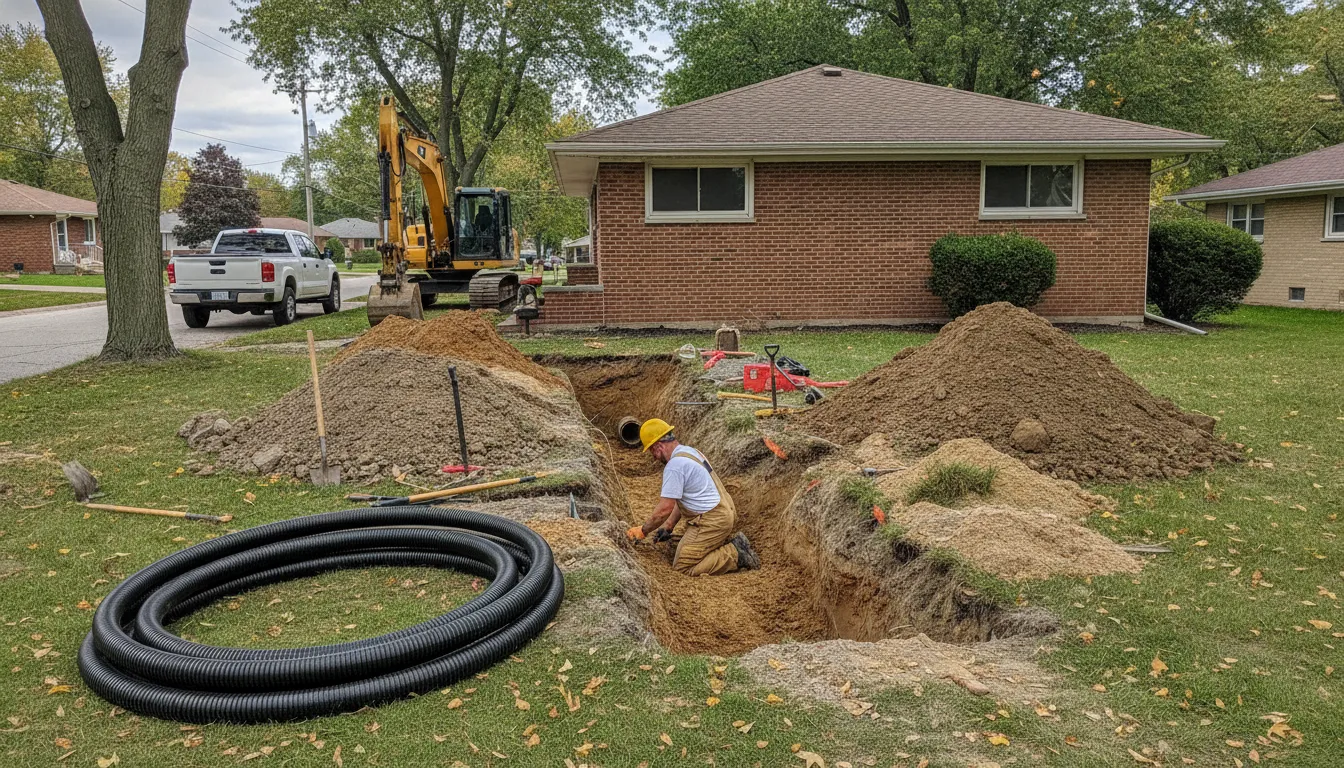
When you hear you have a problem with an underground pipe, your first thought might be of a giant trench cutting through your beautiful lawn or tearing up your business’s parking lot. For years, that was the only way to handle things, and it was a messy, disruptive process. Thankfully, there’s a modern, less invasive alternative: trenchless pipe repair. Just as the name suggests, this method allows professionals to fix or replace damaged underground pipes without extensive digging. Instead of a long, disruptive trench, the process typically only requires one or two small access points to get the job done.
This technology is a game-changer for both homeowners and commercial properties in Metro Detroit. It means your landscaping, driveway, and daily routines are left largely undisturbed. Whether you’re dealing with cracks from invasive tree roots, corrosion in an aging line, or other underground plumbing problems, trenchless methods offer a powerful solution. It’s a cleaner, faster, and often more cost-effective way to handle major issues that would otherwise cause a huge headache. By working from inside the pipe itself, we can restore its function and integrity with minimal impact on your property, saving you from the stress and expense of major excavation.
How Does Trenchless Technology Work?
The process starts with a thorough inspection. A specialized camera is sent down into the pipe to pinpoint the exact location and nature of the damage. This lets us see exactly what we’re dealing with—no guesswork involved. Once we have a clear picture, we create small access holes at the beginning and end of the damaged pipe section. From there, we use advanced tools to either repair the existing pipe from within or pull a brand-new one through it. Two common techniques are Cured-in-Place Pipe (CIPP), which creates a new pipe inside the old one, and pipe bursting, which breaks the old pipe apart while simultaneously pulling a new one into place.
Utilizing Existing Access Points
What makes trenchless repair even more efficient is that we can often work through access points that are already part of your plumbing system. Think about the cleanouts in your basement or yard—those little capped pipes that provide direct entry into your sewer line. In many situations, these existing entryways are all we need to send in our camera for a detailed look and then perform the entire repair. This means we might not have to dig at all, preserving your lawn, garden, or patio completely. By leveraging what’s already there, we can get straight to the source of the problem without any disruption to your property. A professional inspection is the first step to see if your system’s layout allows for this zero-dig approach.
How Trenchless Repair Stacks Up Against Digging
The difference between trenchless and traditional pipe repair comes down to disruption, time, and total cost. Traditional methods involve digging a large trench along the entire length of the damaged pipe, which is messy, time-consuming, and disruptive to your home or business. Afterward, you’re left with the added expense of restoring your lawn, driveway, or parking lot. In contrast, trenchless sewer repair is far less invasive. Because it only requires a couple of small holes, the repair is completed much faster and without destroying your property. While the upfront cost can sometimes be similar, trenchless methods often save you money in the long run by eliminating the need for expensive landscape and hardscape restoration.
What Types of Pipes Can Be Repaired?
One of the best things about trenchless technology is its versatility. It’s designed to work with a wide variety of pipe materials commonly found in both residential and commercial properties across our area. Whether your building has modern PVC pipes or older clay and metal lines, there’s a good chance this method can solve the problem. This adaptability makes it a practical choice for many different situations, from a home with persistent root issues to a business dealing with aging, corroded pipes. It’s not a one-size-fits-all fix, but it covers the vast majority of underground plumbing systems.
Trenchless methods are particularly effective for the types of pipes we see every day. For older homes with clay pipes, which are susceptible to cracking and tree root intrusion, we can create a new, durable pipe lining right inside the old one. The same goes for metal pipes that have started to corrode and rust over time. According to industry experts, the specific technique might change depending on the material, but the end result is a restored, fully functional pipe that will last for decades, all without turning your property into a construction zone.
Your Guide to Trenchless Pipe Repair Methods
Trenchless technology isn’t a one-size-fits-all solution. Depending on the type of pipe, its condition, and the specific problem you’re facing, a professional plumber will recommend the best method for the job. Each technique is designed to solve different issues with minimal disruption to your property. Understanding these options can help you feel more confident when discussing your plumbing needs with a specialist. Here are four of the most common and effective trenchless repair methods we use.
Cured-in-Place Pipe (CIPP)
Think of Cured-in-Place Pipe (CIPP) as creating a brand-new pipe directly inside your old one. This method involves inserting a flexible liner soaked in a special resin into the damaged pipe. Once it’s in position, we expand the liner and use heat or UV light to cure the resin, causing it to harden. The result is a seamless, joint-free pipe that is strong, durable, and resistant to corrosion. CIPP is an excellent solution for fixing issues like leaks, cracks, and root intrusion without having to dig up your yard or break through your foundation. It’s a highly effective way to restore a pipe’s function for decades to come.
Maintaining Flow Capacity
It’s a completely fair question: if you’re putting a new pipe inside the old one, won’t that make it smaller and slow things down? While the liner does take up a tiny amount of space, it often has the opposite effect on performance. Think about your old pipe—especially if it’s cast iron. Over the years, its interior has likely become rough with corrosion and scale buildup, creating friction that slows the flow of water and waste. The CIPP process replaces that rough, inefficient surface with a seamless, incredibly smooth one. This new epoxy lining reduces friction significantly, which can actually improve your pipe’s flow capacity. Plus, by sealing off cracks and joints, it prevents future root intrusion and debris buildup, ensuring your system runs smoothly for a long time. It’s a solution designed to provide a long-term fix, not just a temporary patch.
Pipe Bursting
When a pipe is too damaged to be relined, pipe bursting is the go-to replacement method. This powerful technique uses a specialized tool called a bursting head, which is pulled through the old, failing pipe. As it moves, it breaks the old pipe apart, pushing the fragments into the surrounding soil. At the same time, it pulls a brand-new, high-density pipe into place behind it. This is an ideal solution for replacing severely damaged or collapsed sewer lines and can even be used to increase the size of your pipes for better flow. It’s a common approach for urgent situations that require an emergency plumbing response.
Using Durable HDPE Pipe
The new pipe pulled into place during the pipe bursting process is typically made from an incredibly tough material called High-Density Polyethylene, or HDPE. This isn’t just any plastic; it’s engineered for extreme durability. Quality HDPE pipe is designed to last for 50 years or even longer, giving you a permanent solution you can rely on. One of its biggest advantages is that it’s installed as one continuous, seamless pipe. This design eliminates the joints and weak spots found in older piping systems, which are common entry points for invasive tree roots and the starting point for frustrating leaks. By choosing this modern material, you’re not just replacing a broken pipe; you’re investing in a stronger, more resilient plumbing system for your property.
Slip Lining
Slip lining is one of the original trenchless methods and remains a reliable choice for pipe rehabilitation. The process is straightforward: we insert a new, slightly smaller pipe (the “carrier pipe”) into the existing damaged one (the “host pipe”). Once the new pipe is in place, the space between the two is filled with grout to ensure it’s secure and sealed. This effectively restores the structural integrity of the old pipe and seals any leaks. Slip lining is a durable and cost-effective way to extend the life of your existing plumbing infrastructure with minimal fuss, making it a practical choice for many rehabilitation projects.
Understanding the Impact on Pipe Diameter
It’s a fair question to ask: if you’re putting a new pipe inside an old one, won’t that shrink the opening and slow things down? While methods like slip lining and CIPP do slightly reduce the pipe’s internal diameter, the effect on flow is actually the opposite of what you might think. The new liner creates a perfectly smooth, seamless surface. Your old pipe, on the other hand, was likely rough from years of corrosion or had joints where waste could snag. This new, slick interior allows water and waste to move much more freely, which helps strengthen the pipe and prevent future clogs. So, even with a slightly smaller diameter, you often end up with better, more reliable performance than before.
Internal Pipe Coating
For larger pipes, internal pipe coating offers a fantastic way to seal leaks and prevent future problems. This method involves spraying a thick epoxy coating onto the inner surface of the pipe. Before we apply the coating, the pipe is thoroughly cleaned and dried to ensure a perfect bond. The epoxy creates a smooth, durable barrier that seals small cracks and pinhole leaks while also protecting the pipe from corrosion and abrasion. It’s a great preventative measure that reinforces your pipes from the inside out, adding years to their lifespan and improving flow by creating a smoother interior surface.
Why Your Business Needs Trenchless Pipe Repair
When a pipe fails under your commercial property, the first thing you probably picture is a giant trench cutting through your parking lot or landscaping. For a business, that kind of disruption means more than just a mess—it means lost revenue, unhappy customers, and operational headaches. Trenchless pipe repair offers a modern alternative that sidesteps these problems entirely.
Instead of extensive digging, this technology uses small access points to repair or replace pipes from the inside. This approach delivers some major wins for business owners who need a fast, effective, and minimally invasive fix. From protecting your property value to keeping your doors open, the benefits of going trenchless are too significant to ignore. Let’s break down exactly how this method can help your business.
Keep Your Business Running Without Interruption
For any business, downtime is a dealbreaker. Traditional pipe repair can shut down your operations for days, turning your property into a construction zone with heavy machinery and open trenches. Trenchless methods, on the other hand, are designed for surgical precision. Because the work only requires a few small access points, your parking lot, walkways, and daily business can continue almost uninterrupted. This means you can avoid rerouting customer traffic or closing down completely. Our goal is to provide comprehensive plumbing solutions that let you get back to business as quickly as possible, without the logistical nightmare of a full-scale excavation.
Save Money in the Long Run
While the upfront cost of any major pipe repair is a consideration, trenchless technology is often the most cost-effective solution over the long term. Think about the hidden expenses of traditional digging: you’re not just paying for the pipe repair itself. You’re also paying to rebuild retaining walls, re-pour concrete, re-pave asphalt, and restore expensive landscaping. With trenchless methods, those secondary restoration costs are virtually eliminated. By avoiding the dig, you avoid the collateral damage, making it a smarter financial decision that protects your bottom line. When you get a clear estimate from us, we’ll help you see the full picture.
Protect Your Property and the Environment
Your commercial property is one of your most valuable assets. Trenchless repair helps you protect it. By repairing pipes from within, we can fix your plumbing issues without destroying your carefully maintained grounds, mature trees, or established hardscaping. This no-dig approach preserves your property’s curb appeal and value. It’s also a more environmentally friendly option, as it prevents soil disruption and the need to haul away and dispose of excavated earth. It’s all part of our commitment to quality and respect for your property, ensuring the solution is as clean as it is effective.
Reduced Environmental Footprint
Your property is an ecosystem of its own, with carefully chosen plants and established trees. Traditional digging can wreak havoc on that, but trenchless repair takes a much gentler approach. By working underground and avoiding a massive trench, we preserve your landscape and prevent the disruption of local soil. This no-dig method means we don’t have to haul away truckloads of excavated earth to a landfill, reducing the project’s overall carbon footprint. It’s a smarter, more sustainable way to handle major plumbing repairs, protecting both your property’s value and the local environment.
Improved Water Quality
Old, deteriorating pipes can be a source of problems you can’t see, like rust and other contaminants leaching into your water supply. Trenchless repair methods, particularly CIPP lining, address this directly by creating a new, seamless pipe within the old one. This epoxy lining is non-corrosive and creates a smooth barrier, preventing water from ever touching the aging pipe material. The result is cleaner, safer water for your home or business. Because these modern materials are incredibly durable and designed to last for decades, you also eliminate the risk of future cracks where bacteria and sediment could accumulate.
Get Faster, More Efficient Repairs
Time is money, and trenchless repairs are significantly faster than their traditional counterparts. A project that could take a week or more with digging can often be completed in just a day or two using trenchless techniques. This incredible efficiency comes from eliminating the most time-consuming parts of the job—excavation and restoration. For businesses, this speed is a game-changer. It drastically reduces the period of disruption and allows you to resume normal operations sooner. This is especially critical in emergency plumbing situations where every hour counts.
Trenchless vs. Traditional: A Cost Breakdown
When you’re facing a major pipe problem, the first question on your mind is usually, “How much is this going to cost?” It’s a fair question, and the answer isn’t always as straightforward as comparing two quotes. While traditional dig-and-replace methods have been the standard for decades, trenchless technology often presents a more cost-effective solution when you look at the big picture.
At first glance, a traditional repair quote might seem lower. But that price tag rarely includes the secondary costs that come with excavation—like rebuilding your driveway, replanting your garden, or patching up your parking lot. Trenchless repairs, on the other hand, bundle the entire process into a more predictable cost. By avoiding major digging, you sidestep a whole category of expenses and disruptions. We believe in providing cost-effective solutions that make sense for your budget, both today and down the road. Let’s break down how these costs really compare.
Breaking Down the Initial Investment
When you compare initial quotes, trenchless pipe repair can often be more affordable than you think. In fact, trenchless methods can save property owners a significant amount compared to traditional repairs that require extensive digging. This is because the primary cost driver for traditional methods is labor—the hours it takes to excavate, remove the old pipe, install the new one, and backfill the trench.
Trenchless technology drastically reduces that labor. Instead of a large crew and heavy machinery tearing up your property for days, a smaller, specialized team can often complete the repair in a fraction of the time. This efficiency translates directly into upfront savings on many projects, making it a financially smart choice from day one.
The Hidden Costs of Traditional Digging
The initial quote for a traditional pipe repair is just the tip of the iceberg. The real financial strain comes from the “hidden” costs of restoring your property after the plumbers leave. Traditional methods can lead to major disruptions and expenses because of the digging involved. Think about what’s on top of that buried pipe: your lawn, your prize-winning rose bushes, your concrete patio, or your business’s parking lot.
Restoring these features is entirely on you. The costs of resodding a lawn, hiring a landscaper, or repaving asphalt can quickly add up, sometimes even doubling the total project cost. For a business, the disruption can also mean lost revenue. These are the expenses that trenchless repairs help you avoid, protecting both your property and your wallet.
Factors That Influence the Final Price
The final price tag for a trenchless repair isn’t a one-size-fits-all number. Several key factors come into play, which is why a professional inspection is always the first step. The condition and size of the pipe are major considerations; a larger pipe or one with severe damage will require more materials and effort to fix. Where the pipe is located also matters. A line buried deep under a busy street is more complex to access than one in your backyard. The specific trenchless method we use, whether it’s pipe bursting or lining, will also influence the cost, as will the overall complexity of your pipe system, like navigating multiple bends or clearing out heavy tree root blockages. We’ll walk you through all these variables to give you a clear and accurate estimate for your specific plumbing solution.
What’s the Real Return on Investment?
A pipe repair isn’t just a quick fix; it’s an investment in your property’s infrastructure. This is where trenchless methods truly shine. The modern, durable materials used in trenchless repairs mean fewer interventions and lower maintenance expenses in the future. The seamless, joint-free liners installed with methods like CIPP are highly resistant to root intrusion and corrosion—two of the most common causes of pipe failure.
This enhanced durability means your new pipe lining can last for 50 years or more. By choosing a trenchless solution, you’re not just solving today’s problem; you’re preventing future ones. This long-term reliability makes it a smart investment that delivers peace of mind and saves you money over the life of your property. When you need a plumbing partner you can trust for the long haul, our team is here to help. You can contact us to discuss the best options for your home or business.
Common Myths About Trenchless Repair, Debunked
When new technology comes along, it’s natural for some misinformation to follow. Trenchless pipe repair is an incredible, modern solution, but it’s surrounded by a few persistent myths that can cause confusion for property owners. Let’s clear the air and separate the facts from the fiction. Understanding the truth about trenchless methods can help you make a confident, informed decision when you’re facing a major pipe problem.
As a family-owned company, we believe in being upfront and honest, so we’re here to debunk some of the most common misconceptions about trenchless technology. From cost to durability, we’ll give you the straight facts so you know exactly what to expect.
Myth: “It’s only for minor fixes.”
This is one of the biggest misunderstandings about trenchless technology. The reality is that these methods are powerful enough to handle serious issues, including cracks, corrosion, and even entire sections of collapsed pipe. Techniques like pipe bursting, for example, completely replace the old, damaged pipe with a brand-new one. While it’s true that trenchless repair isn’t a fit for every single situation—extreme damage or certain pipe materials might require a different approach—it is absolutely a robust solution for many significant plumbing problems. An expert inspection is the only way to know for sure what your pipes need.
Myth: “It’s always more expensive.”
It’s easy to see why this myth exists. Sometimes, the upfront quote for a trenchless repair can seem higher than a traditional dig-and-replace job. However, that initial number doesn’t tell the whole story. Traditional repairs come with a lot of hidden costs: digging up your lawn, tearing out landscaping, breaking up driveways, and then paying to put it all back together. For businesses, it can also mean costly downtime. Trenchless repair avoids nearly all of those extra expenses, making it a highly cost-effective solution in the long run when you factor in the total project cost from start to finish.
Myth: “It isn’t strong enough for commercial pipes.”
Actually, the materials used in trenchless repair are incredibly strong and durable. Methods like CIPP (Cured-in-Place Pipe) create a new structural pipe inside the old one that is seamless, corrosion-resistant, and often stronger than the original pipe material. These modern solutions are engineered to withstand the heavy demands of both residential and commercial plumbing systems. Whether it’s a home sewer line or a main pipe for a commercial building, trenchless technology provides a tough, long-lasting repair that you can rely on for decades to come.
Myth: “It’s just a temporary patch.”
This couldn’t be further from the truth. Trenchless pipe repair is designed to be a permanent, long-term solution. Think of it less like a patch and more like a full pipe replacement that happens underground. The new pipe lining created through methods like CIPP is a single, continuous piece with no joints or seams, which eliminates weak spots where roots or leaks could cause future problems. These repairs are built to last, with a typical life expectancy of 50 years or more, giving you peace of mind that the problem is solved for good.
Is Trenchless Repair Right for Your Property?
Trenchless pipe repair is a fantastic solution for many plumbing problems, but it’s not a universal fix. Deciding if it’s the right approach for your home or business depends on a few key factors that we carefully evaluate. The best way to know for sure is to have a professional take a look, but understanding what we look for can help you feel more confident in the process. It’s all about matching the right technique to the specific problem, your property’s layout, and even the ground your pipes are buried in.
Before any work begins, a thorough assessment is non-negotiable. We use specialized cameras to inspect the inside of your pipes to get a clear picture of the situation. This helps us determine the pipe’s material, the extent of the damage, and the overall stability of the line. A few cracks or root intrusions are often perfect candidates for trenchless methods. However, if a pipe has completely collapsed or has severe offsets, a traditional excavation might be the only way to ensure a lasting repair. The success of any trenchless project hinges on this initial inspection, which is why we take the time to get it right and explain all your options clearly. It’s part of our commitment to providing cost-effective solutions that truly solve the problem for good.
First, Check the Condition of Your Pipes
The first thing we need to figure out is what’s actually wrong with your pipe. Is it cracked? Clogged with tree roots? Or has it started to corrode? A video camera inspection gives us a firsthand look inside the pipe to diagnose the problem accurately. Trenchless methods like CIPP lining are excellent for sealing cracks and preventing root intrusion, essentially creating a new pipe within the old one. However, if the pipe is completely crushed or has a significant “belly” (a sag that collects waste), trenchless repair might not be an option. A thorough initial assessment by a skilled technician is the most important step in the entire process.
Does Location and Access Matter?
Where is the damaged pipe located? This is often the deciding factor for choosing trenchless repair. If the pipe runs under your beautiful landscaping, a newly paved driveway, a mature tree, or even the foundation of your building, digging is the last thing you want to do. Trenchless repair is the hero in these scenarios because it requires only small access points at either end of the pipe section. This method works exceptionally well for pipes in hard-to-reach areas where excavation would be disruptive, destructive, and incredibly expensive. It allows us to fix the problem without ruining the property you’ve worked so hard to maintain.
How Soil Conditions Affect Your Repair
The ground around your pipes also plays a role. Here in Metro Detroit, we see a variety of soil types, and they can affect which repair method is most suitable. For example, pipe bursting can be more challenging in very dense, rocky soil compared to sandy or loamy soil. Shifting soil or a high water table can also influence the decision. As your local plumbing experts, we’re familiar with the ground conditions in our area and can determine if they pose any challenges. We’ll factor this into our recommendation to ensure the repair is stable and will stand the test of time.
Is Your Pipe Material Compatible?
Pipes aren’t all made of the same stuff. Your property might have pipes made of clay, cast iron, PVC, or other materials, and each one reacts differently to repair methods. Some older materials, like Orangeburg (a fiber conduit pipe), can become too brittle for certain trenchless techniques. Most modern methods are incredibly versatile and compatible with common pipe materials like PVC and cast iron. Part of our inspection involves identifying your pipe material to ensure the trenchless solution we choose will bond correctly and create a durable, long-lasting seal. This is crucial for preventing future plumbing emergencies and giving you peace of mind.
How to Choose a Trenchless Repair Specialist
Choosing the right repair method is only half the battle; finding the right team to do the work is just as critical. Trenchless repair is a specialized field that requires specific skills, training, and equipment. Not every plumber has the expertise to handle these projects successfully. When you’re vetting potential specialists, you’re not just hiring a contractor—you’re investing in the long-term health of your property’s plumbing system. A great specialist will be transparent, experienced, and ready to answer all your questions. To make sure you’re hiring a true professional, focus on a few key areas. Taking the time to find a qualified expert ensures the job is done right the first time, saving you from future headaches and expenses.
Verify Licensing and Certifications
Before you even discuss the details of your project, make sure any specialist you consider is fully licensed and insured. This is non-negotiable. A valid license proves that the company meets local and state regulations and adheres to required building codes. It’s your first line of defense against shoddy workmanship. Insurance protects you and your property in the unlikely event that something goes wrong. Don’t just take their word for it—ask to see their credentials. A reputable company will be happy to provide them. This simple step ensures you’re working with a legitimate business that values professionalism and safety, like our team at Mr. Pipey.
Look for Specialized Experience and Training
General plumbing and trenchless repair are two different ballgames. You want a team that has extensive, hands-on experience specifically with trenchless technology. Ask potential contractors how many trenchless projects they’ve completed and if their technicians have received specialized training. An experienced crew will know how to handle unexpected challenges and can recommend the best trenchless method for your unique situation. They’ll have a deep understanding of the techniques, from CIPP lining to pipe bursting. A company with a proven track record in a wide range of expert plumbing solutions is more likely to have the specialized skills you need.
Ask About Their Technology and Equipment
The success of a trenchless repair heavily depends on the quality of the equipment used. The technology is constantly evolving, so you want a specialist who invests in modern, high-quality tools. Ask them about the specific equipment they use for camera inspections, pipe cleaning, and lining or bursting. It’s also important to confirm they have experience working with your type of pipe material, whether it’s PVC, cast iron, or clay. The right tools in the hands of a skilled technician make all the difference in achieving a durable, long-lasting repair. Don’t be shy about asking these technical questions; a true expert will be eager to explain their process.
Check Reviews and Understand the Warranty
What do past customers have to say? Reading online reviews and testimonials can give you honest insight into a company’s reliability, customer service, and quality of work. Look for patterns in the feedback to get a clear picture of what you can expect. Beyond reviews, a solid warranty is a must. A strong warranty shows that the company stands behind its workmanship and the materials it uses. Be sure to ask for the warranty details in writing and make sure you understand what is covered and for how long. If you have questions about our process or warranty, feel free to contact us anytime.
When Isn’t Trenchless Repair the Answer?
Trenchless technology is a game-changer for pipe repair, but it’s not a universal fix for every plumbing issue. While it’s an incredible option for many situations, there are specific circumstances where the tried-and-true traditional methods are not just better, but necessary. The goal is always to find the most effective, long-lasting solution for your specific problem. A thorough inspection by a professional is the only way to know for sure which approach is right for your property. Understanding the limitations of trenchless repair helps you ask the right questions and make a confident decision when the time comes. Let’s look at a few scenarios where digging might still be the best path forward.
When You Absolutely Have to Dig
Sometimes, the condition or type of your existing pipes makes trenchless methods impractical. For instance, if the pipe is made of certain older materials that have become brittle and have completely disintegrated, there may not be a solid “host” pipe left to repair. Similarly, if the pipe has shifted dramatically or has severe joint separation, a trenchless liner can’t correct that underlying structural problem. The surrounding soil composition can also play a role in determining the best repair method. In these cases, excavation is the only way to properly access, replace, and secure the new pipeline, ensuring it’s correctly aligned and supported for decades of reliable service.
How Severe Damage Affects Your Options
The extent of the damage is a major factor. Trenchless methods like pipe lining work by creating a new pipe inside the old one. But what if the old pipe is completely collapsed or crushed flat? In that scenario, there’s no open channel for the repair equipment and materials to pass through. The same goes for pipes with extreme blockages, like massive, solidified grease clogs or dense tree root invasions that can’t be cleared with hydro-jetting. If the pipe can’t be cleared enough to create a pathway, trenchless repair is off the table. This kind of severe damage often requires emergency plumbing services, where excavation is the most direct way to resolve the crisis.
Will It Reduce Your Pipe’s Flow Capacity?
One of the most critical aspects of your plumbing system is gravity. Your pipes need to have a consistent, downward slope to drain waste effectively. If your pipe has developed a “belly” or a dip where water and solids collect, a trenchless liner won’t fix it. The new liner will simply follow the same sag, and you’ll still have pooling water and recurring clogs. Correcting a grading issue like this requires digging down to the pipe, removing the section, and re-installing it with the proper slope. If you suspect a flow problem, it’s best to contact us for an inspection so we can diagnose the root cause and recommend the right solution.
Understanding the Risks and Potential for Failure
While trenchless pipe repair is a highly effective solution, it’s important to know that it isn’t foolproof. The success of any trenchless project hinges on the condition of the existing pipe. If a liner is installed improperly or in a pipe that’s too degraded, the repair can fail, potentially leaving you to pay for both the failed attempt and a traditional excavation. This is why a professional camera inspection is the most critical first step. It allows a specialist to confirm if your pipe is a good candidate. For example, a completely collapsed pipe or one with severe sags can’t be fixed with a liner; these situations require a different approach, often traditional digging, to ensure a permanent solution.
When the Cost Difference is Minimal
Sometimes, the initial quote for a trenchless repair might look similar to a traditional one, which can be confusing. However, the upfront price doesn’t tell the whole story. A traditional repair estimate only covers the plumbing work, leaving out the significant secondary costs of restoration. After the digging is done, you’re left with the bill for rebuilding your patio, repaving your driveway, or hiring a landscaper to fix your lawn. When you consider the total project expense, trenchless methods are almost always the more cost-effective choice because they eliminate these expensive and disruptive restoration costs, saving you money and hassle in the long run.
How to Prepare Your Property for Trenchless Repair
One of the biggest draws of trenchless pipe repair is how little it disrupts your property. But even with a no-dig approach, a little preparation can make the entire process faster and smoother for everyone involved. Knowing what to expect helps you plan ahead, whether you’re managing a household or keeping a business running. Our team at Mr. Pipey always walks you through the specifics for your property, but here’s a general guide on how you can get ready for repair day.
Think of it as setting the stage for a seamless fix. By taking a few simple steps, you help our technicians work efficiently and safely, getting your plumbing system back in top shape with minimal fuss. From the initial inspection to the final handshake, clear communication and a well-prepared site are key to a successful repair.
What to Expect During the Pre-Repair Inspection
Before any repair work begins, our first step is to perform a thorough video camera inspection of your pipes. We’ll feed a small, high-resolution camera into the pipeline to get a clear view of what’s happening inside. This isn’t just a quick look—it’s a crucial diagnostic tool that lets us pinpoint the exact location and cause of the problem, whether it’s a crack, root intrusion, or a collapsed section. This detailed view allows us to confirm that trenchless repair is the right solution and plan the most effective approach. Think of it as our way of measuring twice and cutting once, ensuring the fix is tailored to your pipe’s specific needs.
How to Get Your Site Ready for the Crew
While trenchless repair avoids large-scale excavation, our crew still needs clear and safe access to your property. We typically only need one or two small access points to perform the repair. Before we arrive, it’s helpful to clear the area around these points. This might mean moving vehicles from the driveway, relocating patio furniture, or clearing away any landscaping or equipment that could get in the way. A clear path allows our team to bring in their specialized equipment and work without any obstacles. We’ll always let you know the exact locations we need to access so you can prepare the space ahead of time.
How to Keep Your Business Running During Repairs
For our commercial clients, we know that downtime is lost revenue. The good news is that trenchless methods dramatically reduce the impact on your daily operations. Because the work is contained to small areas, you can often keep your doors open. To ensure everything runs smoothly, we recommend you inform your staff of the scheduled work and mark off the small areas where our team will be. If the work is near a customer entrance or a high-traffic zone, you might plan a temporary alternative route. We pride ourselves on working with you to create a repair schedule that minimizes disruption, a commitment that reflects our customer-first approach.
How to Measure the Long-Term Value of Your Repair
When you invest in a major pipe repair, you’re not just looking for a quick fix—you want a solution that lasts. The true value of a repair isn’t just in the upfront cost but in its durability, future maintenance needs, and overall performance for years to come. Trenchless methods are designed with this long-term value in mind, offering a permanent solution that protects your property and your wallet. Understanding how to measure this value helps you make a confident and informed decision for your home or business.
How Long Does Each Repair Method Last?
One of the biggest advantages of trenchless pipe lining is its incredible lifespan. A properly installed trenchless repair is expected to last for at least 50 years, and in many cases, even longer. Think about that—it’s a solution that could easily outlast your time in the property. This durability comes from the strong, seamless liner that creates a new pipe within the old one. Because it resists corrosion, root intrusion, and cracks, you can have peace of mind knowing your plumbing system is secure for decades. These long-lasting trenchless sewer repairs make them a reliable investment for any property owner.
How Lifespan is Tested and Verified
That 50-year lifespan isn’t just a hopeful estimate—it’s a figure backed by serious science. Manufacturers put these trenchless liners through intense testing to ensure they can stand up to decades of use. They use processes that simulate aging at a much faster rate, checking how the materials hold up over time. They also test how much internal pressure the liners can handle and how strong they are under heavy external loads, mimicking the real-world stress of being buried underground. This rigorous verification process confirms that the seamless, joint-free pipe created inside your old one is a truly durable, long-term solution, not just a quick patch. It’s engineered to eliminate the weak spots where leaks and root intrusion typically start, giving you confidence in your repair for years to come.
What Future Maintenance Will You Need?
Because trenchless repairs use modern, highly durable materials, they significantly reduce the need for future maintenance. The seamless, joint-free nature of the new pipe lining eliminates weak spots where roots can break through or leaks can form. This means fewer calls for emergency service and lower cumulative maintenance costs over the pipe’s long life. Investing in a trenchless repair is a smart financial move that prevents the cycle of patching and re-patching older pipes. It’s one of the most cost-effective sewer repairs available, saving you from the recurring expenses and headaches associated with traditional methods.
Keeping an Eye on Your Repaired Pipe
A professional repair isn’t complete until it’s been verified. To ensure the job is done right, we use a high-resolution camera to inspect the pipe’s interior both before and after the repair. The initial inspection helps us accurately diagnose the problem and confirm that a trenchless method is the best approach. Afterward, a final video inspection confirms that the liner is perfectly in place, the connections are secure, and your pipe is functioning flawlessly. This crucial step guarantees the quality of our work and ensures you receive the full long-term value of your repair.
Increasing Your Property Value
Investing in a major repair is also an investment in your property’s future. Trenchless methods do more than just fix a pipe; they actively protect and enhance your property’s value. Because this approach avoids destructive digging, your beautiful landscaping, driveway, and patio remain completely intact, preserving the curb appeal that is so important at resale. Furthermore, a new pipe lining with a 50-year lifespan is a powerful selling point. It shows potential buyers that a major, costly problem has been proactively solved with modern, expert plumbing solutions. When you choose reliable, long-lasting workmanship, you’re not just buying a repair—you’re making a smart upgrade that pays dividends when it’s time to sell.
Frequently Asked Questions
How long does a typical trenchless repair take from start to finish? One of the best parts of trenchless repair is its speed. While every project is different, most residential jobs can be completed in just one or two days. This is a huge difference from traditional excavation, which can drag on for a week or more. We can get the job done quickly because we skip the most time-consuming steps: digging a long trench and then restoring your property afterward.
Is the new pipe liner really as strong as a traditional pipe? Absolutely. In fact, it’s often even better. The epoxy-resin liners used in methods like CIPP create a seamless, joint-free pipe that is incredibly durable. This new pipe is resistant to corrosion, cracks, and tree root intrusion, which are the most common causes of failure in older pipes. It’s a modern, engineered solution designed to last for 50 years or more, giving you a reliable fix that stands the test of time.
How do I know if my pipe is too damaged for a trenchless solution? The only way to know for sure is with a professional camera inspection. Trenchless methods are incredibly effective for cracks, leaks, and root damage. However, they may not be the right fit if a pipe is completely crushed or has a severe sag, known as a “belly.” During our inspection, we’ll get a clear look at the inside of your pipe and explain all your options so you can make an informed choice.
Will this work on the old cast iron or clay pipes common in Metro Detroit homes? Yes, trenchless technology is very effective for rehabilitating the cast iron and clay pipes found in many homes and businesses throughout our area. These older materials are prone to corrosion and root intrusion over time. A trenchless liner creates a new, smooth surface inside the old pipe, sealing any existing damage and preventing future problems without having to dig up the original line.
What’s the first step if I suspect I have a pipe problem? If you’re noticing slow drains, recurring backups, or damp spots in your yard, the first step is to call a professional for a camera inspection. Guessing can lead to bigger problems down the road. A camera inspection allows us to see exactly what’s going on inside your pipes and diagnose the issue accurately. From there, we can determine the best and most cost-effective solution for your property.