

Getting a few quotes for a plumbing job can leave you with more questions than answers. Why is one estimate double the price of another? The reality is that a quote for a professional sump pump installation is much more than the pump itself. It includes labor, materials for new drainage lines, and potentially even the heavy-duty work of creating a sump pit in your concrete floor. To make an informed choice, you need to know what you’re looking at. We’ll break down the key factors that determine the final cost so you can compare quotes accurately and choose the best value.
Key Takeaways
- Understand What Drives Installation Costs: The final price isn’t just the pump; it’s heavily influenced by whether you need a new sump pit dug into your foundation and if you’re replacing an old unit or starting from scratch.
- Invest in a Quality Pump for Lasting Protection: The cheapest pump is rarely the best deal. A reliable model from a trusted brand with the right horsepower and a durable switch is your best defense against costly water damage and future replacement hassles.
- Take Simple Steps to Manage Your Budget: You can lower your overall cost by getting at least three professional quotes to find a fair price, preparing the installation area yourself to reduce labor hours, and committing to annual maintenance to prevent expensive emergency repairs.
Choosing Your Sump Pump: Types and Price Points
When you start looking at sump pumps, you’ll quickly realize there isn’t a one-size-fits-all solution. The right pump for your home depends on your basement, your budget, and how much water you typically deal with. Think of it like choosing the right tool for a job—you want the one that’s built for your specific needs. Understanding the main types of pumps is the first step to keeping your basement dry and protected. Let’s break down the most common options you’ll find and what you can expect to pay for each.
Pedestal Sump Pumps: The Above-Ground Option
If you’re looking for a reliable and budget-friendly option, the pedestal sump pump is a great place to start. These pumps are designed with the motor mounted on a column above the sump pit, keeping it out of the water. This design makes them incredibly easy to access for maintenance and repairs. They are also known for their impressive longevity, often lasting up to 30 years with proper care. While they can be a bit noisier than other types, their durability and lower price point—typically ranging from $80 to $800—make them a solid, long-term investment for many homeowners.
Submersible Sump Pumps: The Hidden Workhorse
For those who need a more powerful and quieter solution, a submersible sump pump is the way to go. As the name suggests, the entire unit sits down inside the sump pit, submerged in water. This not only helps muffle the operating noise (a huge plus for finished basements) but also keeps the pump cool and improves its efficiency. They are generally more powerful than pedestal pumps, making them ideal for areas with high water tables. The trade-off is a shorter lifespan, usually between 5 and 15 years, and a slightly higher cost, with prices ranging from $90 to $1,000.
Do You Need a Battery Backup System?
Michigan storms can be unpredictable, and a power outage is the worst time for your primary sump pump to fail. That’s where a battery backup system comes in. This isn’t a separate type of pump but rather a secondary pump that kicks in automatically when the power goes out. These systems provide invaluable peace of mind, ensuring your basement stays dry during a severe storm. While they add to the overall cost of your sump pump services, having a backup plan can save you from a major flood and the expensive repairs that come with it.
The Sump Pump Installation Process Explained
Understanding what goes into a sump pump installation helps you see where your money is going. It’s a far more involved process than just setting a pump in a corner and plugging it in. Whether you’re replacing an old unit or installing one for the first time, the process requires precision, the right tools, and a good bit of heavy lifting. A first-time installation is especially complex because it involves creating a space for the system within your basement floor. Let’s walk through what the installation actually looks like, from preparing the space to the final test run, so you know exactly what to expect when a professional arrives.
The goal of a proper installation is to create a system that works automatically and reliably to protect your home from water damage. This means every component, from the pit that collects the water to the pipes that carry it away, must be set up correctly. A small mistake, like an improperly sealed pit or a missing check valve, can lead to system failure right when you need it most. Knowing the steps involved will help you appreciate the skill required and ensure the job is done right, giving you lasting peace of mind.
Tools and Materials for the Job
A professional plumber arrives with a full toolkit designed for the job. The core components include the sump pump itself (either pedestal or submersible), a durable sump basin or liner, and PVC pipes for the discharge line. A crucial piece is the check valve, which prevents water from flowing back into the pit after it’s been pumped out. For a new installation, the plumber will also need a jackhammer to break through the concrete floor, shovels for digging, gravel to line the pit, and fresh concrete to finish the job. This collection of specialized tools is one of the main reasons many homeowners choose to hire a pro.
Preparing Your Basement for Installation
Before any work begins, the first step is to find the ideal location for the sump pump. A professional will identify the lowest point in your basement, as this is where water will naturally collect first. The spot also needs to be near a GFCI (ground-fault circuit interrupter) outlet to safely power the pump. You can help make the installation process smoother and potentially reduce labor time by clearing the designated area of any boxes, furniture, or other stored items before your plumber arrives. This gives them easy access to the workspace and helps keep your belongings clean and out of the way.
A Step-by-Step Look at the Installation
Once the location is set and the area is prepped, the hands-on work begins. A sump pump installation follows a methodical, multi-step process to ensure every part of the system functions correctly. From the heavy labor of creating the pit to the finer details of connecting the plumbing, each stage is critical for building a reliable defense against basement flooding. Here’s a closer look at the key phases of a professional installation.
Step 1: Creating and Setting the Sump Pit
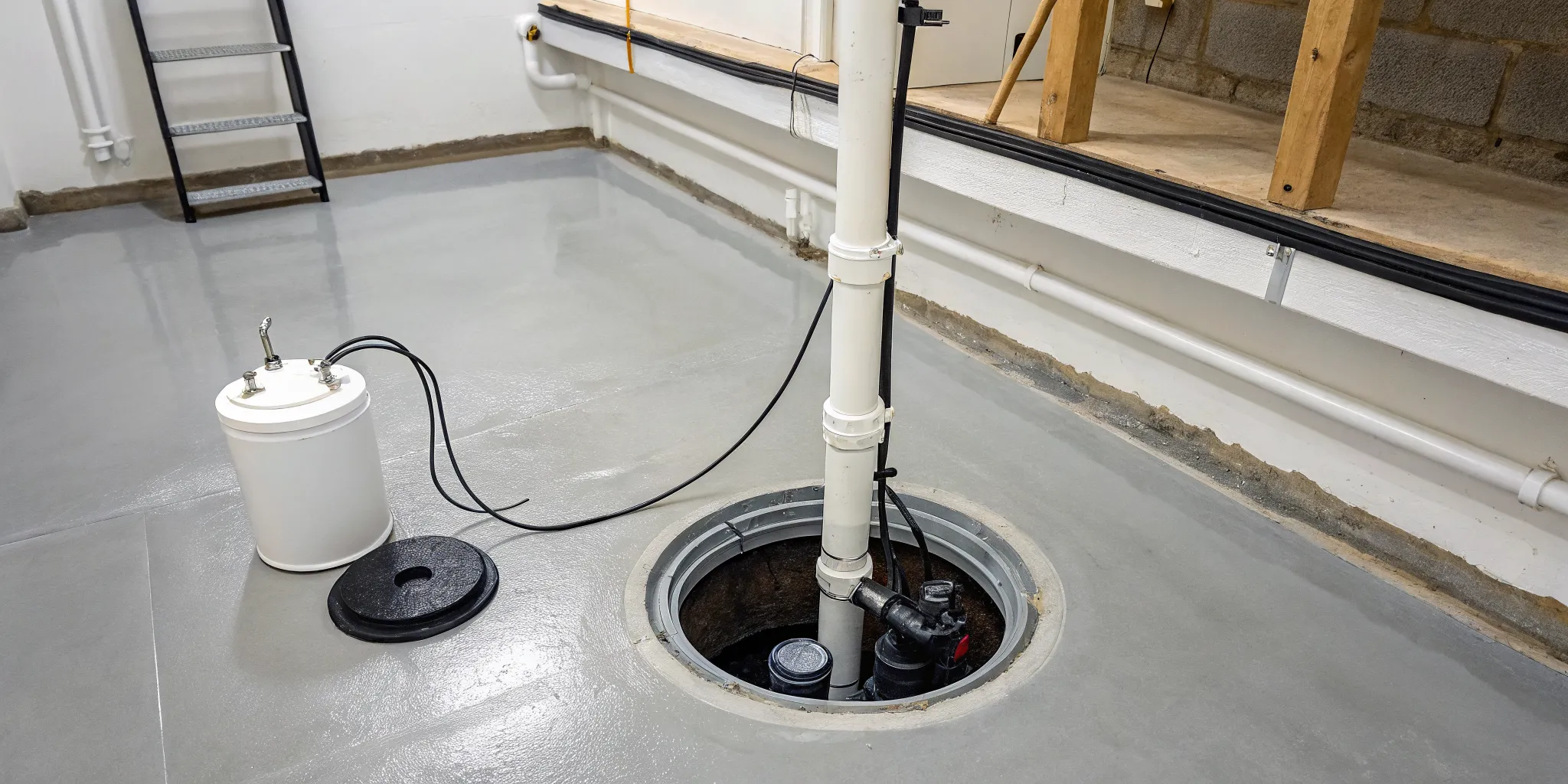
For a new installation, this is the most labor-intensive part of the job. The plumber will use a jackhammer to break through your concrete basement floor and then dig a hole for the sump pit. This pit is typically about two feet deep and 18 inches wide, and the digging can be tough work, often involving the removal of heavy soil, gravel, and rock. Once the hole is the right size, it’s lined with filter fabric and a layer of gravel before the sump basin is carefully placed inside and leveled.
Step 2: Placing the Pump and Connecting Pipes
With the basin secure, the sump pump is placed inside, and more gravel is added around it to help filter out debris. Next, the plumber will connect the PVC discharge pipe to the pump. This pipe is what carries the water out of your basement. A small hole is drilled in the pipe to act as a weep hole, preventing the pump from losing its prime. Most importantly, a check valve is installed on the discharge line. This one-way valve is essential because it stops water from flowing back down into the pit after the pump shuts off.
Step 3: Finishing with Concrete and Testing
After the plumbing is connected, the plumber will pour new concrete around the sump pit, creating a smooth, permanent seal with your basement floor. The new concrete is often sloped slightly toward the pit to help direct any surface water into the basin. The final and most important step is testing the system. The plumber will pour a few buckets of water into the pit to ensure the float switch activates the pump correctly and that the water is discharged properly. This confirms the entire system is ready to protect your home.
How Long Does Installation Take?
The time it takes to install a sump pump depends heavily on the type of job. If a plumber is simply replacing an existing pump with a similar model, the work can often be completed in an hour or two. However, a brand-new installation that requires breaking concrete and digging a new sump pit is a more extensive project. For a first-time installation, you can typically expect a professional to complete the job in about two to four hours, assuming there are no major obstacles like unusually thick concrete or hard, rocky soil.
Professional vs. DIY Timelines
While a professional can complete a new installation in half a day, a DIY approach takes significantly longer. If you’re considering doing it yourself, you should plan on dedicating at least a full weekend to the project, as you’ll need time to gather materials, break the concrete, dig the pit, and set the system. Given the precision and heavy labor involved, many homeowners find that the efficiency and expertise of a professional are well worth the investment. If you want the job done quickly and correctly, our team at Mr. Pipey offers expert sump pump services to ensure your home is protected without the hassle.
How Much Does Sump Pump Installation Really Cost?
Figuring out the cost of a sump pump installation can feel a bit like trying to predict Detroit weather—it varies. The final price tag depends on whether you’re putting in a brand-new system or just replacing an old one, the type of pump you choose, and the specifics of your home. But don’t worry, you don’t have to go into it blind. Understanding the key components of the cost will help you budget effectively and know what to expect when you get a quote. Let’s break down the average costs so you can feel confident about your investment in a dry basement.
New Install vs. Replacement: What’s the Price Difference?
The biggest factor in your total cost is whether you need a completely new system or a simple replacement. Installing a sump pump for the first time is a bigger job, typically averaging around $1,400, with a broad range from $500 to $4,000. This is because a new installation may require cutting into your concrete floor to create a sump pit and running new plumbing lines. On the other hand, if you’re just swapping out an old, tired pump for a new one, the process is much simpler. A straightforward sump pump replacement is more affordable, usually costing between $350 and $1,000.
What You’ll Pay for Professional Labor
When you hire a professional, you’re paying for their expertise, time, and the peace of mind that the job is done right. Labor for a sump pump installation typically runs between $300 and $800. Most plumbers charge by the hour, often between $45 and $75 per hour, so the final labor cost will depend on how complex your installation is. A simple replacement in an easily accessible basement will be on the lower end of that scale. However, if the job requires extra work like drilling or navigating a tricky crawl space, the time and cost will naturally increase. This is why a clear, upfront quote is so important.
The Price of the Pump and Other Materials
Beyond labor, you have the cost of the pump itself and any necessary materials. The sump pump unit can range from $150 to over $1,500. Pedestal pumps, which sit above the sump pit, are more budget-friendly, usually costing $150 to $400. Submersible pumps, which operate quietly underwater in the pit, are more powerful and typically priced between $300 and $900. The most significant material cost comes if you need a new sump pit dug through a concrete floor. This alone can add $2,500 to $5,000 to your project, which is why it’s so important to get a detailed professional estimate.
Why Your Sump Pump Installation Quote Might Vary
When you get a quote for a sump pump installation, you’ll notice the final price is more than just the cost of the pump itself. Several factors related to your home’s specific layout and existing infrastructure play a huge role in determining the total cost. Understanding these variables will help you see exactly what you’re paying for and why one quote might differ from another. Think of it like this: every home has its own unique plumbing puzzle, and the installation process is tailored to solve it.
The main things that influence your final bill are the type of foundation you have, the condition of your sump pit, your home’s current electrical and plumbing setup, and even your location. A straightforward replacement will always be more affordable than a brand-new installation in a basement that needs significant work. A professional plumber will assess these elements before giving you an accurate estimate. Our team at Mr. Pipey always provides a clear breakdown of costs so you know exactly what to expect from our sump pump services.
How Your Foundation Impacts the Price
The type of foundation your home has and how easy it is for a plumber to work in the space are major cost drivers. A home with a full, unfinished basement offers plenty of room to work, while a tight crawl space can make the job much more difficult and time-consuming, increasing labor costs. The material of your foundation also matters. For example, cutting through a thick concrete slab is a much bigger job than working with a dirt floor. As experts at Mr. Handyman note, the difficulty of the installation is one of the primary reasons total costs can range so widely, from a few hundred to a few thousand dollars.
The State of Your Sump Pit (and Why It Matters)
Your sump pit—the basin that collects water before it’s pumped out—is another critical piece of the pricing puzzle. If you have an existing pit that’s in good shape, you’re already ahead of the game. However, if you don’t have one, a plumber will need to create it. This is where costs can really climb. According to This Old House, the process of digging a new pit through a concrete floor can add a staggering $2,500 to $5,000 to your bill. That’s because it requires heavy-duty tools, significant labor, and careful work to avoid damaging your foundation. A clean, properly sized, and accessible sump pit will make the installation smoother and more affordable.
Will You Need New Wiring or Pipes?
A sump pump needs two things to work: a power source and a place to send the water. Ideally, you should have a dedicated ground-fault circuit interrupter (GFCI) outlet near the sump pit. If you don’t, an electrician will need to install one, which is an added cost. Similarly, a discharge pipe needs to be installed to carry water away from your foundation. If your home isn’t already set up with the necessary plumbing, a plumber will need to run new pipes. This can increase labor costs significantly, especially if it involves drilling through walls or navigating complex plumbing systems.
Don’t Forget Local Permits and Fees
Where you live can also affect the final price tag. Labor rates for skilled trades vary from one city to another, and costs are often higher in major metropolitan areas. In fact, you can expect labor costs to be up to 30% higher in big cities compared to more rural locations. On top of that, your local municipality might require a permit for plumbing work like a sump pump installation. These permits come with their own fees and can add to your overall project cost. It’s always a good idea to ask your plumbing contractor if any permits are needed for the job so you can factor that into your budget.
Which Sump Pump Brands Give You the Best Value?
Walking down the hardware store aisle can feel overwhelming with so many sump pump brands to choose from. How do you know which one will keep your basement dry without breaking the bank? Value isn’t just about the sticker price; it’s about finding a reliable pump that will protect your home for years to come. Based on our experience helping homeowners across Metro Detroit, we’ve found that focusing on brands with a proven track record for performance and durability is the best approach.
Sump Pump Brands We Trust
When it comes to reliability, a few names consistently stand out. Brands like Zoeller, Wayne, and Liberty Pumps have earned their reputations by building durable, high-performance products. We often see these brands lasting for years in our clients’ homes. Other dependable options include Superior Pump and Basement Watchdog, which offer a great mix of features and solid construction. Choosing a trusted brand is the first step in a successful sump pump installation, giving you peace of mind that you’re starting with quality equipment that’s built to handle Michigan’s wet seasons.
What to Look for in Warranties and Performance
A good warranty is a great sign that a manufacturer stands behind its product. Brands like Wayne are known for offering excellent performance at a budget-friendly price point, with many of their most popular models costing less than $400. They manage to provide strong, effective pumps without a premium price tag. When you’re comparing models, look at the gallons per hour (GPH) rating to ensure it can handle your home’s needs. A solid warranty, often ranging from one to five years, protects your investment and shows the company’s confidence in its pump’s durability and long-term performance.
Why Real Customer Reviews Matter
Hearing from other homeowners can provide valuable insight into a pump’s real-world performance. Customer reviews often highlight the specific strengths of different brands. For example, you’ll frequently see Zoeller pumps praised for their incredible longevity, with many lasting over a decade. Meanwhile, Wayne often gets recognized for its innovative and user-friendly features. Reading reviews helps you understand what to expect and confirms that you’re choosing a reliable model. A dependable pump is your best defense against water damage and costly emergency plumbing situations down the road.
Don’t Forget These Hidden Sump Pump Costs
When you get a quote for a new sump pump, it’s easy to focus on the price of the unit and the basic installation fee. But the number on that initial estimate might not tell the whole story. Several other factors can influence the final bill, and being aware of these potential “hidden” costs ahead of time can save you from sticker shock later. From preparing the site to hauling away the old equipment, a few extra expenses can pop up during the installation process.
Understanding these variables helps you budget more accurately and ask the right questions when you get a quote. A trustworthy plumber will be transparent about what their estimate includes, but it never hurts to be informed. We’ll walk through some of the most common costs that homeowners overlook, so you can feel confident that you have a complete picture of your investment. This way, you can ensure your home is protected from water damage without any financial surprises.
The Cost of Digging and Site Prep
If you’re installing a sump pump for the first time, your basement floor won’t have a dedicated spot for it. This means a plumber will need to create one. The process often involves jackhammering a hole in your concrete foundation to create a sump pit where the pump will sit. This is a labor-intensive job that requires precision to avoid damaging your home’s structural integrity. The cost for this kind of excavation and preparation can add a significant amount to your final bill. A professional assessment is key to understanding the full scope of work, which is why it’s best to rely on experienced sump pump services.
Adding a Sump Pit Liner and Drainage System
Once the pit is dug, it needs a liner. This perforated basin holds the sump pump and allows groundwater to seep in while keeping mud and gravel out, which could otherwise clog and damage the pump. The cost of the liner itself, along with the necessary PVC drainage pipes that carry water away from your foundation, can sometimes be itemized separately from the main installation fee. Investing in a quality liner and properly installed drainage is crucial for the system’s longevity. A failure in these basic components can quickly lead to a flooded basement and the need for emergency plumbing repairs.
Budgeting for Cleanup and Disposal Fees
A sump pump installation can be a messy job, creating debris like concrete chunks, dirt, and old piping. While most professional plumbers include cleanup as part of their service, it’s always a good idea to confirm. Some companies may charge an extra fee for hauling away the debris and disposing of your old sump pump. Depending on local regulations, there might also be environmental fees associated with the disposal of old equipment. Asking about these costs upfront ensures there are no surprises. A company that values its customers will be transparent about these details from the start, which is a core part of our commitment to you.
Getting Your Basement Ready for the Installers
Here’s a hidden cost you have some control over: labor time. If the area where the sump pump needs to be installed is cluttered with boxes, furniture, or other stored items, the plumbing team will have to spend time clearing it out before they can even begin working. That extra time translates to extra labor costs on your bill. You can easily save some money by preparing the space yourself. Before the plumbers arrive, make sure the installation area is clean and accessible. This simple step helps the job go faster and smoother, which is better for everyone involved. When you’re ready for a clear and comprehensive quote, contact us to schedule a visit.
Must-Have Features in a Sump Pump
Choosing a sump pump isn’t just about picking one off the shelf. The right features can be the difference between a dry, protected basement and a water damage nightmare. When you’re investing in a sump pump, you’re really investing in peace of mind. Think of it like insurance for your home’s foundation, working silently in the background until the moment it’s needed. To make sure you’re getting the best protection, there are a few non-negotiable features to look for.
It’s easy to get lost in technical specs, but it really boils down to three key areas: how much water it can move, how reliably it turns on, and how it communicates with you. A powerful motor is useless if the switch fails, and even the best pump can’t help if a power outage takes it offline without you knowing. Focusing on a combination of power, durability, and modern conveniences will help you select a pump that works hard for you when you need it most, keeping your home safe and dry through every Michigan storm. Let’s look at what makes a great sump pump.
How Much Pumping Power Do You Need?
The heart of any sump pump is its motor, and its power is measured in horsepower (HP). This isn’t just a technical spec—it directly determines how much water the pump can move and how quickly. A pump with a higher HP can handle a larger volume of water, which is essential for basements prone to significant flooding. For most homes in the Metro Detroit area, a 1/3 or 1/2 HP pump is sufficient. However, if your home is in a high water table area or has had serious water issues before, a more powerful pump is a wise investment. The goal is to match the pump’s capacity to your home’s needs so it can effectively manage water without being overworked. Our team can help you assess your situation and recommend the right sump pump services for your specific needs.
Choosing Between 1/3 and 1/2 HP Pumps
A 1/3 HP pump is the standard for many homes, working perfectly for basements with average water tables that only see occasional dampness. It’s a cost-effective and efficient choice for handling typical rainfall. However, if your home is in an area known for a high water table or you’ve dealt with significant water issues in the past, upgrading to a 1/2 HP pump is a smart move. The extra power allows it to move a larger volume of water much faster, which can be a real basement-saver during a heavy Michigan downpour. Think of it as an affordable insurance policy—the slightly higher upfront cost provides greater peace of mind and ensures your pump isn’t overworked during a storm. Choosing the right power level is a key part of our professional sump pump services, as it ensures your system is perfectly matched to your home’s needs.
Don’t Overlook the Switch Type
A sump pump is useless if it doesn’t know when to turn on. That’s where the switch comes in. This small but mighty component detects rising water levels and activates the pump. The most common type is a float switch, which rises with the water to trigger the motor. Because this part is constantly working, its quality and durability are critical. A cheap or flimsy switch is often the first point of failure, leaving your basement vulnerable. Look for pumps with solid, well-constructed switches that are protected from debris. A reliable switch ensures your pump activates exactly when needed, preventing an overflow that could lead to an emergency plumbing situation.
Smart Sump Pumps: Are They Worth It?
Technology has made its way into just about everything, and sump pumps are no exception. Many modern pumps now come with smart features that give you an extra layer of security. These pumps can connect to your home’s Wi-Fi and send alerts directly to your smartphone if high water is detected, the power goes out, or the pump fails a self-check. This remote monitoring is incredibly valuable, especially if you’re away from home on vacation or at work. Instead of discovering a problem hours later, you get an immediate notification, giving you time to act before serious damage occurs. If you’re interested in these advanced options, feel free to contact us to discuss the latest models.
Getting the System Specifications Right
Beyond the pump itself, the physical setup of your sump pump system is critical to its success. The size of the pit and the placement of the discharge line might seem like minor details, but they are the foundation of a system that works effectively. Getting these specifications right from the start ensures your pump can do its job efficiently, protecting your home from water damage and extending the life of the equipment. A professional installation focuses on these details to create a reliable, long-term solution, not just a quick fix. Let’s cover the two most important measurements that every proper installation should meet.
Standard Sump Pit Dimensions
The sump pit is more than just a hole in the ground; it’s the collection point for all the water your system will manage. For a sump pump to work correctly, this pit needs to be the right size. A typical sump pit should be about two feet deep and at least 18 inches wide. This size isn’t arbitrary—it’s designed to allow enough water to collect before the pump kicks on, preventing it from cycling on and off too frequently, which can burn out the motor. A properly sized pit also ensures there’s enough room for the float switch to move freely without getting stuck. This is a fundamental part of a professional installation that protects your investment.
Proper Discharge Pipe Placement
Once the water is pumped out of the pit, it has to go somewhere. The discharge pipe is responsible for carrying that water safely away from your house, and its placement is crucial. The pipe should extend at least 10 feet away from your home’s foundation. If the water is released too close, it will simply soak back into the ground and find its way back to your foundation, creating an endless cycle that overworks your pump and fails to solve the problem. Directing water far away from your home is essential to keep your basement dry and prevent soil erosion around your foundation. This is a key detail our team at Mr. Pipey focuses on during our sump pump services to ensure a lasting solution.
Costly Sump Pump Installation Myths to Avoid
When it comes to sump pump installation, a little bit of misinformation can cost you a lot. It’s easy to fall for common myths that sound logical but can lead to overspending or choosing the wrong equipment for your home. To protect your basement and your wallet, it’s crucial to separate fact from fiction. Let’s walk through some of the most persistent—and costly—myths about sump pump installation so you can make an informed decision for your Metro Detroit home. Understanding these truths will help you find a reliable solution that keeps your basement dry for years to come.
Myth: Every Installer Charges the Same
It’s a common misconception that installing a sump pump comes with a standard price tag. In reality, the cost can swing quite a bit. The final price depends on several key factors, including the type of pump you choose (like a submersible vs. a pedestal model), how complex the installation is, and even where you live. The total cost to install a new sump pump typically ranges from $500 to $3,000. A simple replacement will be on the lower end, while a brand-new installation that requires digging a sump pit and running new plumbing will be more expensive. Always get a detailed quote that reflects your home’s specific needs.
Myth: Your Initial Quote is the Final Bill
Receiving a quote can feel like the final step, but it’s important to remember that not all quotes are created equal. Prices can vary dramatically from one company to another. For instance, some homeowners have reported that large national chains often charge significantly more than local, family-owned plumbing companies, sometimes even double the price. This is often due to their higher advertising and overhead costs. When you get a quote, make sure it’s itemized so you know exactly what you’re paying for—from the pump itself to labor and any additional materials. This transparency helps you avoid surprises and compare offers accurately.
Myth: The Cheapest Pump Will Save You Money
While it’s tempting to grab the cheapest sump pump off the shelf, this can be a costly mistake in the long run. The initial savings might be wiped out by higher energy bills or premature failure. When choosing a pump, it’s better to opt for models that balance power consumption with efficiency to keep operating costs down. Quality doesn’t always mean breaking the bank, either. For example, brands like Wayne offer a range of sump pumps from $150 to over $1,000, with many reliable models sitting in the $200 to $400 range. Investing in a dependable pump from the start saves you from future headaches and replacement costs.
Important Safety, Legal, and Financial Considerations
Installing a sump pump is about more than just picking the right model and getting it in the ground. To do the job right, you also need to think about the electrical safety in your basement, the local rules for water discharge, and how this project fits into your overall financial picture. These considerations are just as important as the pump itself because they ensure your system is safe, compliant, and properly insured. Taking a few moments to understand these key areas will protect both your home and your budget, giving you complete confidence that your basement is secure from every angle.
The GFCI Outlet: A Non-Negotiable Safety Feature
Water and electricity are a dangerous combination, which is why a sump pump should never be plugged into a standard wall outlet. For your safety, it must be connected to a Ground Fault Circuit Interrupter (GFCI) outlet. You’ve probably seen these in your kitchen or bathroom—they’re the ones with the little “test” and “reset” buttons. A GFCI is a smart, life-saving device that constantly monitors the electrical current. If it detects even a tiny imbalance, like the kind that could happen if water comes into contact with the pump’s wiring, it instantly shuts off the power, preventing a dangerous electric shock. This isn’t just a recommendation; it’s a critical safety requirement for any sump pump installation.
Where to Discharge Water (and Where Not To)
Once your sump pump collects water, it has to send it somewhere—but you can’t just point the pipe in any direction. There are important rules about where the water can go. It is often illegal to connect a sump pump’s discharge line to your home’s sanitary sewer system. Doing so sends clean groundwater to a treatment plant that is designed for wastewater, overwhelming the system and potentially causing sewer backups in your neighborhood. Instead, the water must be discharged outside, at least 10 to 20 feet away from your home’s foundation, or into a storm sewer if your municipality allows it. A professional plumber will know the local codes and ensure your system is compliant, protecting both your home and your community.
Does Homeowners Insurance Cover Water Damage?
Many homeowners assume their insurance policy will cover any and all water damage, but the reality is much more complicated. A standard homeowners policy typically covers damage from sudden and accidental events that originate *inside* your house, like a burst pipe or a washing machine overflow. However, it usually *excludes* damage caused by groundwater seepage or flooding from the outside—the very issues a sump pump is designed to prevent. If your sump pump fails and your basement floods, you may not be covered. It’s a good idea to call your insurance agent and ask about adding a specific “water backup” or “sump pump failure” rider to your policy for extra protection. This small addition can save you from a massive financial headache.
Checking for Local Credits and Rebates
Installing a sump pump is a smart investment in your home, and in some cases, your local government might agree. To encourage homeowners to be proactive about flood prevention and reduce the strain on municipal storm drains, some cities or counties offer rebates or credits for sump pump installations. These programs aren’t available everywhere, but it’s worth taking a few minutes to check. You can usually find information by searching on your local municipality’s website for terms like “stormwater management program” or “basement flooding credit.” Finding a local program could help offset some of the installation cost, making this essential home protection project even more affordable.
How to Save Money on Sump Pump Installation
Installing a sump pump is a smart investment to protect your home, but that doesn’t mean it has to break the bank. With a little planning, you can make sure you’re getting the best value for your money without sacrificing quality. A few strategic steps can lead to significant savings on the final bill, giving you peace of mind about both your basement and your budget. It’s all about being an informed homeowner and knowing where you can cut costs and where it pays to invest. From doing your homework on local plumbers to a bit of light prep work, here are some practical ways to save on your sump pump installation.
Always Get at Least Three Quotes
One of the most effective ways to manage your installation cost is to get several professional quotes. Don’t just go with the first plumber you find. We recommend getting at least three different estimates from reputable, licensed plumbers in the Metro Detroit area. This allows you to compare not just the price, but also the proposed equipment, warranty, and scope of work. A lowball offer might be tempting, but it could signal subpar materials or an inexperienced crew. When you request a quote, ask for a detailed breakdown so you can see exactly what you’re paying for. This process helps you find a fair price and a contractor you feel confident in.
Save on Labor by Prepping the Area
You can often trim labor costs by doing some simple prep work before the plumber arrives. The area where the sump pump will be installed needs to be clear and accessible. Take some time to move any boxes, furniture, or stored items out of the way. Sweep the floor and remove any debris from the immediate vicinity. This might sound small, but it saves the plumber time, and since labor is typically billed by the hour, that saved time translates directly into money saved for you. It’s an easy, no-cost step you can take to make the installation process smoother and more affordable.
How a Better Pump Saves You Money Later
While it’s tempting to choose the cheapest sump pump on the shelf, this is one area where spending a bit more upfront can save you a fortune down the road. A high-quality, reliable sump pump is less likely to fail when you need it most, protecting you from thousands of dollars in potential water damage, mold remediation, and foundation repairs. More durable models also tend to be more energy-efficient, which helps lower your utility bills over the pump’s lifetime. Think of it as an investment in your home’s safety. A well-made pump from a trusted brand is a core part of our sump pump services because we know it provides lasting value and security.
Should You Repair or Replace Your Sump Pump?
When your sump pump starts acting up, you’re faced with a big question: should you repair it or replace it entirely? It’s a common dilemma for homeowners, and the right answer can save you from a water-damaged basement and a lot of stress. The best choice depends on your pump’s age, the type of problem it’s having, and the potential costs. An older unit with a major mechanical failure is probably ready for retirement, while a newer pump with a minor switch issue might just need a simple fix. Ignoring the problem isn’t an option, as even a small amount of water can lead to mold growth and structural damage.
Making an informed decision starts with understanding the warning signs that your pump is on its last legs and comparing the costs of a repair versus a full replacement. If your pump is struggling to keep up or showing clear signs of wear, it’s time to weigh your options carefully. A reliable sump pump is your home’s best defense against flooding, so addressing any issues quickly is key to protecting your property and your peace of mind. Our team can help you diagnose the problem and figure out the most cost-effective solution with our expert sump pump services.
Warning Signs Your Sump Pump is Failing
Your sump pump will usually give you a few hints before it fails completely. If you notice any of these red flags, it’s a strong indicator that a replacement is on the horizon. Keep an eye out for issues like basement flooding, a sudden spike in your energy bills, or visible rust on the unit. You should also pay attention to strange noises like grinding or rattling, which often point to a failing motor. If you see water in the motor or the pump is running constantly, even in dry weather, it’s time to call a professional. An aging pump—typically one that’s over seven years old—is also a prime candidate for replacement before it has a chance to fail.
Comparing the Cost: Repair vs. Replace
Often, the decision comes down to your budget. A straightforward repair is usually the more economical choice upfront, with costs typically ranging from $150 to $500 for issues like a broken switch or float. This can be a great option for a newer pump with a minor problem. However, if your sump pump is older or showing multiple signs of wear, replacement is often the better long-term investment. Replacing an old sump pump generally costs between $350 and $1,000. While it’s a higher initial cost, a new, efficient unit gives you peace of mind and can prevent more expensive water damage down the road. The best way to know for sure is to get a quote from a trusted plumber.
Your Sump Pump is Installed. Now What?
Getting a new sump pump installed is a huge step toward protecting your basement from water damage. But the story doesn’t end once the installation crew leaves. Like your car or your furnace, your sump pump requires a little attention to keep it running smoothly for years to come. Thinking about future costs isn’t always fun, but a little planning now can save you from a major headache and a much bigger bill later.
The two main things to budget for are routine maintenance and the possibility of future repairs. Proactive care is always more affordable than a reactive fix, especially when you’re dealing with potential flooding. A well-maintained pump is your best defense against a water-logged basement. At Mr. Pipey, we believe in empowering homeowners with the right information, so you know exactly what to expect after your sump pump services are complete. Let’s break down what that ongoing care looks like.
Planning for Yearly Maintenance Costs
Think of annual maintenance as a yearly check-up for your sump pump. This is the single best thing you can do to extend its lifespan and ensure it works when you need it most. We recommend having a professional inspect your system once a year, ideally before the spring thaw or rainy season begins. During a maintenance visit, a technician will clean the pump and pit, test the float switch and check valve, and make sure the discharge line is clear. This simple, preventative step helps catch small issues before they turn into costly emergency plumbing situations. A little upkeep goes a long way in giving you peace of mind.
The Ongoing Costs of Owning a Sump Pump
Even with perfect maintenance, parts can wear out over time. Common issues include a stuck float switch, a clogged intake, or motor problems. The good news is that many repairs are relatively straightforward and much cheaper than a full replacement. Fixing a broken pump can often cost between $150 and $500, depending on the issue. If your pump is fairly new, a repair is usually the most cost-effective choice. However, if your unit is older and facing a major repair, it might be smarter to invest that money in a new, more efficient model. We can help you weigh the costs and make the best decision for your home.
Preventing Common Sump Pump Problems
A sump pump is a powerful tool, but it can’t do its job if it’s clogged, frozen, or working against itself. A few simple preventative measures can keep your system running reliably, helping you avoid a flooded basement and an unexpected call for emergency plumbing. By understanding the common points of failure, you can take proactive steps to protect your pump and your home. These small efforts are an investment in the longevity of your system and your peace of mind during the next big storm.
How to Stop Your Pump from Clogging
The most common reason a sump pump fails is a clog. Over time, dirt, gravel, and other debris can get sucked into the pump, jamming the intake screen and stopping it from working. The best way to prevent this is through regular, simple maintenance. At least once a year, take a few minutes to clean out the sump pit, removing any sediment or debris that has collected at the bottom. You should also clean the pump’s intake screen to ensure water can flow freely. This quick check-up helps your pump work efficiently and can prevent a costly failure when you need it most.
Protecting Your Discharge Line from Freezing in Michigan Winters
In Metro Detroit, our winters pose a unique threat to sump pump systems. The discharge line, which carries water away from your foundation, can freeze solid, creating a blockage that sends water backing up into your basement. To prevent this, ensure the pipe is installed with a slight downward slope so gravity can help clear the water out completely. For extra protection, consider installing a specialized ice guard at the end of the pipe. Taking these steps is crucial for preventing a winter water disaster and the need for an emergency frozen pipe repair.
The Importance of a Quality Check Valve
The check valve is a small but critical component of your sump pump system. This one-way valve, installed on the discharge pipe, prevents water that has been pumped out from flowing back into the sump pit after the pump shuts off. Without a functioning check valve, your pump will have to work much harder, cycling on and off to pump out the same water repeatedly. This extra strain can shorten the pump’s lifespan. When installing a new system, it’s worth investing in a high-quality brass check valve, which is more durable and quieter than cheaper plastic alternatives.
A Sump Pump as Part of a Broader Drainage Strategy
While a sump pump is an essential defense against basement flooding, it’s most effective when it’s part of a larger water management plan. A sump pump’s job is to remove water that has already made its way to your foundation. The best long-term solution is to stop as much water as possible from getting there in the first place. This means addressing exterior drainage issues, such as ensuring your gutters are clear, the ground around your home is graded away from the foundation, and your exterior weeping tile is functioning correctly. By improving your home’s overall drainage, you reduce the workload on your sump pump system, extending its life and providing a more comprehensive defense against water damage.
Frequently Asked Questions
How often should I test my sump pump, and how do I do it? It’s a great habit to test your sump pump every few months, and definitely before the start of the rainy spring season. The easiest way to do this is to slowly pour a bucket of water into the sump pit. Watch to make sure the float switch rises with the water level and activates the pump. The pump should turn on, drain the water, and then shut off automatically. This quick check ensures everything is working correctly before a big storm hits.
Is a battery backup system really worth the extra cost? Think of a battery backup as an insurance policy for your basement. The worst time for your sump pump to fail is during a severe storm, which is exactly when power outages are most likely to happen. A battery backup system automatically takes over if the power goes out, ensuring your basement stays dry when it’s most vulnerable. For the peace of mind it provides during unpredictable Michigan weather, we believe it’s an invaluable investment.
My basement only gets a little damp sometimes. Do I really need a sump pump? Even a small amount of dampness is a sign that groundwater is making its way into your home. While it might seem minor now, that moisture can lead to mold, mildew, and damage to your foundation over time. A sump pump is a proactive solution that addresses the root of the problem by collecting and redirecting that water away from your home, preventing a small issue from turning into a major, expensive flood.
Can I save money by installing the sump pump myself? While it can be tempting to tackle the installation yourself, this is one job best left to the professionals. A proper installation involves not just plumbing but also electrical work, and a mistake in either can be dangerous and costly. An incorrectly installed pump can fail when you need it most, leading to the very flood you were trying to prevent. Hiring a professional ensures the job is done safely and correctly, giving you confidence that your home is protected.
How long should a good sump pump last? The lifespan of a sump pump really depends on its quality, how often it has to run, and how well it’s maintained. On average, you can expect a quality submersible pump to last around 10 years. A pedestal pump, because its motor stays out of the water, can sometimes last even longer. Regular maintenance is the key to getting the most life out of your unit, no matter which type you choose.