

A single faucet dripping once every second can waste more than 3,000 gallons of water each year. This constant noise is often more than just a pest that keeps you awake. It signals a hidden cost that adds up on your water bill.
Need professional help right away? Call Mr. Pipey at (313) 900-0700 to schedule professional leaking faucet repair with Detroits trusted plumbing experts.
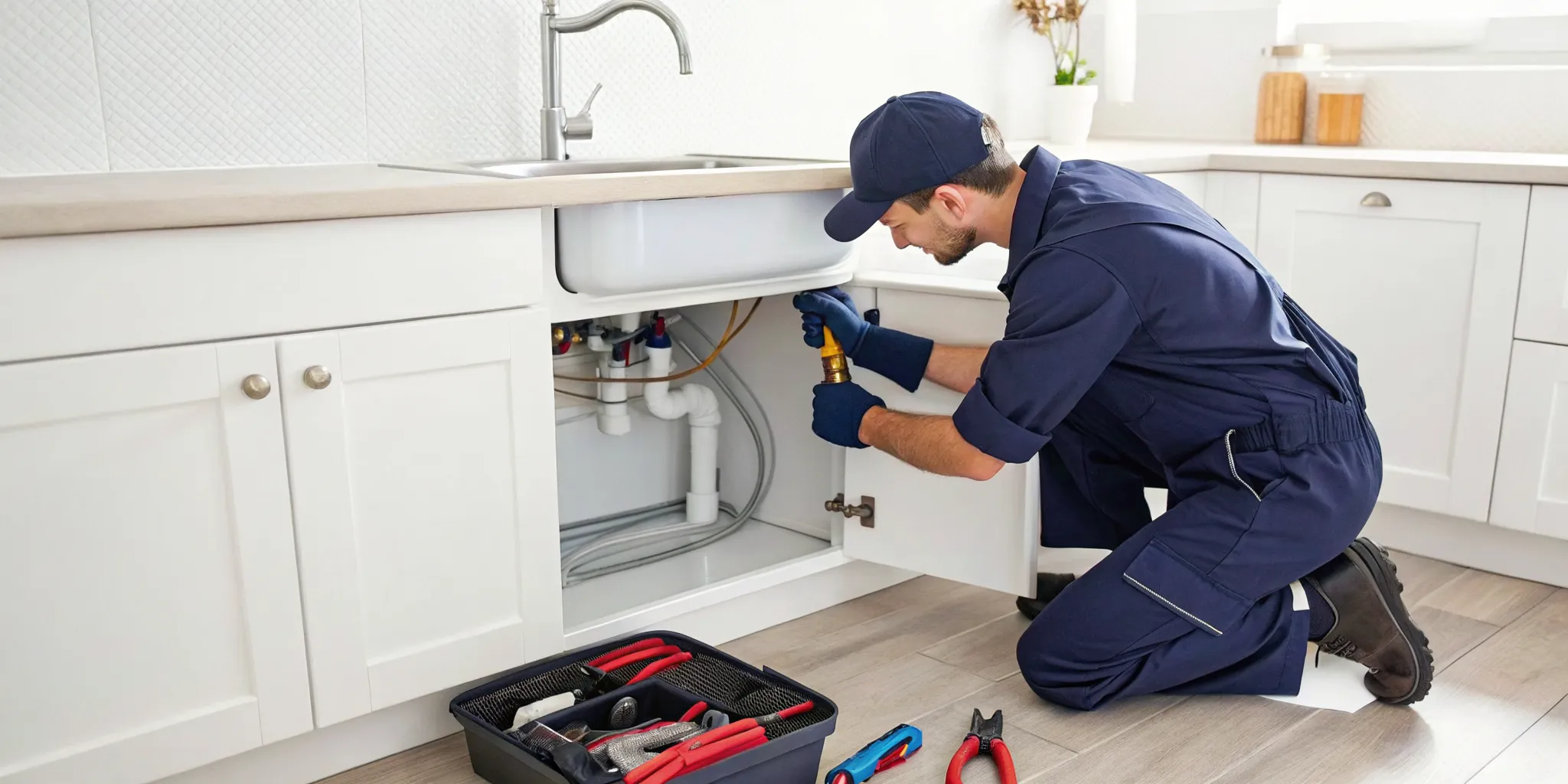
Good leaking faucet repair starts with knowing if you should do the work yourself or call a pro to check your home for hidden plumbing issues. Most kitchen or sink drips happen because small parts inside like rubber seals or gaskets have worn out or gotten dirty from hard water over time. Per the EPA, fixing house leaks can save you 10 percent on your water bill and stop 3,000 gallons of waste from the drain each year. You can often fix a small drip with a simple wrench and new parts from a local hardware store in your town. But you should call a licensed expert for big pipe cracks or hidden leaks to prevent costly water damage and keep your house safe.
Before you pick up your tools or call a plumber, you need to find the source of the problem. Knowing What is the most common cause of a leaky faucet? is the best way to start your search for a real fix. You can begin this process by asking
Leaking Faucet Repair: What is the most common cause of a leaky faucet?
The most common cause of a leaky faucet is a worn-out rubber washer, gasket, or O-ring inside the faucet handle assembly. Over time, these small seals harden, crack, or become corroded by mineral buildup from hard water. Allowing water to slowly seep through even when the faucet handle is completely shut off.
A dripping tap can waste a lot of water and drive up your bills. Finding the root of the drip is the first step in professional faucet repair services. Most drips happen because a small part inside the faucet assembly has failed. These parts wear down over time due to use and the flow of water. Knowing which part to check can save you time and money when you start your repair.
Worn out washers and O-rings
The most frequent cause for a drip is a worn out rubber washer or O-ring. In many taps, a rubber seal stops the flow of water when you turn the handle off. Over time, these seals can get hard or crack. Dripping faucets are typically caused by a worn washer or seal inside the faucet body. Swapping these small parts is often enough to stop the leak for good.
O-rings are another common point of failure, mainly in taps with a spout that swings. These rings seal the gap between the faucet body and the spout. If the ring gets loose or worn, water will leak out from the base of the spout when the tap is on. You can usually find a new O-ring at a local store for just a few cents.
Damage to the valve seat
The valve seat links the faucet and the spout in the compression tool. Over time, mineral buildup from hard water can grow on this seat. This grit creates a rough face that stops the washer from making a tight seal. Dripping faucets often result from worn washers or damaged valve seats causing leaks. If the seat is bad, you may need to clean it or replace it to stop the drip.
Old gaskets and seals
Gaskets and other seals inside the faucet body can also fail as they age. Water pressure and heat can cause these parts to break down after years of use. Faucets typically leak because the washers, O-rings, or gaskets inside are worn out or damaged. Checking these seals is a key part of any home fix. If you see water pooling near the handle, a loose or broken seal is likely the cause.
Understanding your faucet type: Compression, cartridge, ball, and ceramic disc
The four main faucet types are compression, cartridge, ball, and ceramic disc faucets. Compression faucets use traditional rubber washers, cartridge and ceramic disc faucets use replaceable cartridges with sliding discs. And ball faucets use a single rotating metal or plastic ball with ports to control water temperature and flow.
Before you start a leaking faucet repair, you must know what kind of fixture you have. Faucets fall into four main groups: compression, cartridge, ball, and ceramic disc. Each type uses a different way to stop and start the flow of water. Knowing which one is in your sink helps you buy the right parts and use the best tools for the job.
How compression faucets work
Compression faucets are the oldest type and are common in many older homes. They usually have two separate handles for hot and cold water. These units use a rubber washer that you tighten down against a metal seat to stop the water. When you turn the handle, it squeezes the washer to seal the flow. Over time, these washers can wear out or get hard, which leads to a steady drip. You can often fix these leaks by simply replacing the old washer with a new one.
The role of cartridge and ball faucets
Cartridge faucets come in both single and double handle styles. They use a plastic or brass cylinder that slides or turns to control how much water comes out. If your sink starts to leak, you may need to replace the entire unit inside. For more complex issues, referencing a DIY leak repair methods guide or calling an expert can ensure the new parts fit well. Ball faucets are also common in kitchens and have a single handle that moves over a ball-shaped cap. This ball has slots that line up with the water inlets to control the temperature and flow.
Durable ceramic disc faucets
Ceramic disc faucets are a modern choice known for being very tough. They use two smooth, flat discs that slide against each other to form a tight seal. These discs are very hard and do not wear down as fast as rubber parts. Because they use polished ceramic discs , they rarely leak from the spout. But if the seals under the discs fail, you might see water pooling around the base of the handle. Most of these units are high quality and can last for many years with very little care.
How to stop your faucet from dripping: A step-by-step DIY repair guide
To stop your faucet from dripping, you must shut off the water supply, disassemble the handle, remove the worn washer or O-ring, and install new matching parts. Preparing the area with basic tools and closing the drain prevents small parts from being lost during your repair.
Gather your tools and prep the area
Most people find a dripping tap to be a big pain. It wastes water. Also, the sound may keep you up at night. But you do not have to be a pro to fix it. Most dripping faucet repair tasks are simple for you to do. You can finish the job with just a few common tools. This can save you money and stop the drip for good.
Before you start, you must get ready. You will need a wrench, some screwdrivers, and a shop knife. You should also buy new O-rings and washers. Having the right parts on hand makes the work go fast. Most faucet leaks happen because parts like O-rings or gaskets wear out. You can find these small parts at any local shop.
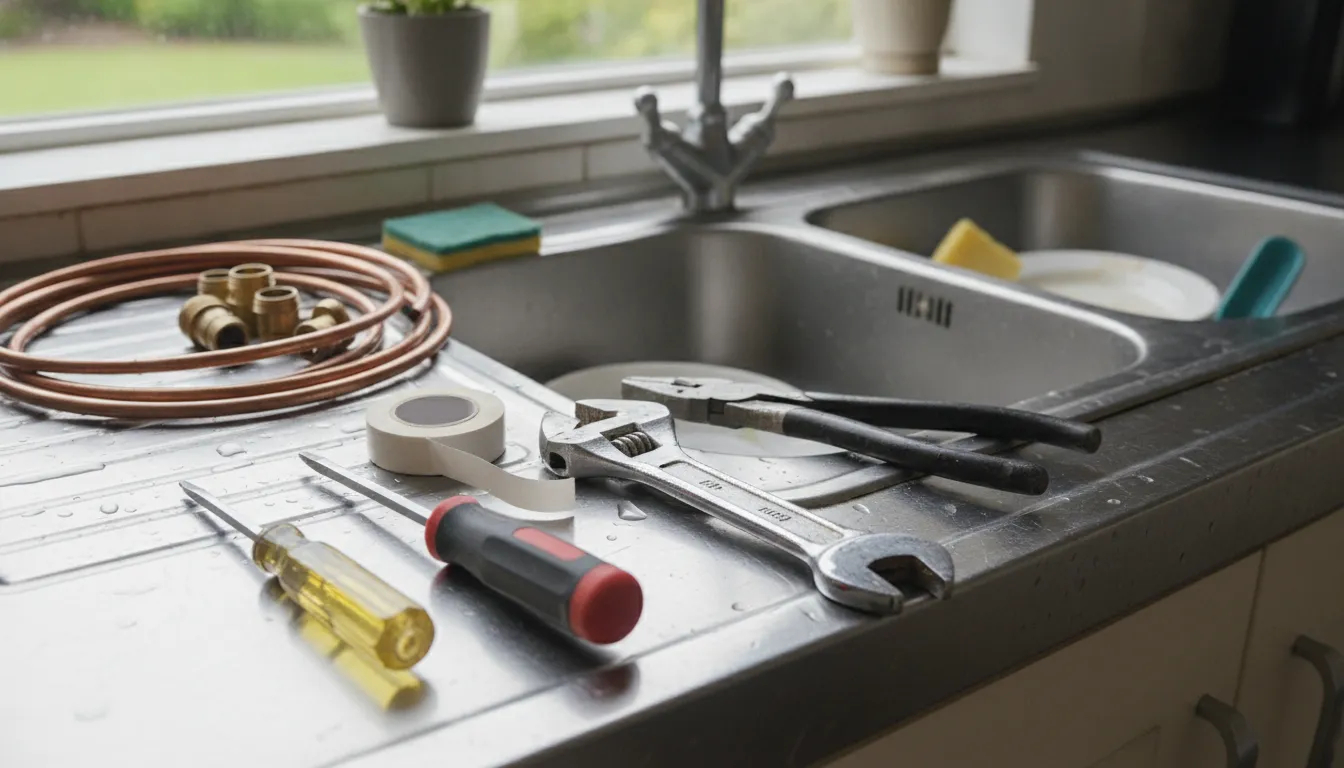
Safety is key when you work on pipes. You must always shut off the local water supply first. Look for the stop valves below your sink and turn them until they are tight. This stops water from spraying while you work. It is also a good idea to put a rag or plug in the drain. This stops small screws from falling down the pipe.
Follow these steps to fix the leak
Once the water is off, you can open the faucet to let any left water out. Then you can start to take it apart. Take your time. Keep track of where each piece goes. You may want to take a photo of the parts as you remove them. This helps you put them back in the right way later.
- Remove the handle cap: Use a small screwdriver to find the screw hidden below.
- Loosen the handle screw: Unscrew the fastener and lift the handle off the faucet body.
- Unscrew the packing nut: Use your wrench to remove the packing nut or the cartridge from the tap.
- Pull out old parts: Remove the old washer or O-ring and check it for signs of wear or cracks.
- Put new parts in place: Install the new components and make sure they fit tight and flat.
- Reassemble the faucet: Put the faucet back together in the same order you took it apart.
- Turn water back on: Turn the water back on slowly and check for any leaks around the base.
Why you should fix leaks fast
A small drip might not seem like a big deal, but it adds up to significant waste over time. Taking care of leaks quickly prevents unnecessary water loss and keeps your monthly utility bills manageable. Simple, proactive maintenance is a smart way to protect both your home and your budget.
Taking care of small leaks now stops big problems later. If a leak gets worse, it could cause water damage to your wood or floors. Most minor leaks are easy to fix on your own. But if you see a big leak or a broken pipe, you may need an expert plumber . For most cases, this guide will help you get the job done right and keep your home dry.
Why is my faucet leaking after being shut off?
A faucet leaks after being shut off primarily due to damaged internal components, mineral buildup on the valve seat, or excessively high household water pressure. If the metal valve seat accumulates hard water deposits, or if water pressure exceeds 80 PSI, water will slip past even brand-new rubber washers and seals.
It is a pain to hear a constant drip in your sink. You turn the handle hard, but the water does not stop. A faucet maintenance check is often needed when you hear a steady drip. You might also see water flow when the tap should be off. This issue usually points to a part that has failed or a seal that is worn out.
Worn out rubber washers
Most homes use compression faucets. These use a small rubber washer to block the flow of water. When you turn the handle off, it presses the washer down to seal the pipe. Over time, these parts can get hard or wear down. Then the washer can no longer make a tight seal. This lets water slip past, leading to a drip even when the handle is tight.
Experts at the University of Missouri say a worn washer is a common cause of a drip. Swapping this one small part can often stop the leak. It is a simple fix that saves water and money. This keeps your sink dry and cuts your bill.
Mineral buildup on the valve seat
Sometimes the metal part the washer hits, called the valve seat, is the problem. Minerals from your water can build up on this surface. This buildup makes the seat rough. The rubber washer cannot form a full seal on a rough seat. This leaves tiny gaps where water escapes.
A bad valve seat can also tear a new washer fast. If a new washer does not stop the leak, the seat may be the issue. Cleaning or fixing the seat can restore the seal. This ensures the water stays shut off. If you cannot fix it, you may need a pro plumber to check the system.
High water pressure issues
High water pressure puts extra stress on every seal in your plumbing. This can cause a leak even if the parts are still in good shape. The force of the water may be too strong for the seals to hold back. Checking your water pressure is a good first step if you have leaks in many spots.
The EPA notes that fixing common leaks can save people about 10 percent on their water bills. A pressure regulator can help keep the flow at a safe level. This protects your faucets from wear and prevents future drips.
How much does a plumber charge to fix a leaky faucet in Metro Detroit?
In Metro Detroit, a plumber typically charges between $150 and $450 to fix a leaky faucet, with most repairs taking 1 to 2 hours. The exact cost depends on whether you need a simple washer replacement or a complete faucet assembly swap, as well as parts availability and urgent service requirements.
Most people in Metro Detroit find that the cost to fix a leaking faucet falls between $150 and $450. The final price mostly depends on how hard the job is and what parts the plumber needs. While a simple drip might be a quick fix, a faucet with many valves can take more time. Fixing these leaks early is smart since a small drip can waste over 3,000 gallons of water every year.
Common cost levels for repairs
Labor and dispatch fees are typically the largest part of a professional repair bill. A standard service call often covers the initial inspection and minor repairs like replacing a worn washer. However, if the job requires specialized tools, rare replacement parts, or complete faucet disassembly, the overall cost will increase depending on the fixtures involved.
Fixing versus swapping your faucet
At times it makes more sense to buy a new faucet than to fix an old one. If your faucet is over ten years old, the inner parts might be hard to find. A new model can save you money on water and give you a fresh look. New units often use less water while keeping the flow strong. This means the swap could pay for itself over time through lower bills. But if you have a high-end unit that is only a few years old, a repair is often the better path. Looking at the cost of a new unit and work against a simple fix can help you decide.
| Service Type | Average Cost | Job Time | Best Choice For |
|---|---|---|---|
| Standard Repair | $150 – $450 | 1 – 2 hours | Newer faucets with minor leaks. |
| Full Swap | $250 – $600+ | 2 – 4 hours | Old, worn, or low-grade units. |
| Urgent Work | $200 – $500+ | 1 – 2 hours | Main valve leaks or night calls. |
The value of flat-rate plumbing help
One way to avoid price shocks is to pick a team that offers flat-rate pricing. This means you pay one set price for the job, no matter how long it takes. Some shops also skip the extra fees for work done on nights or weekends. This plan makes it easy to set your budget. You can learn more about our family-owned plumbing team and how we keep your costs clear and fair. Upfront pricing gives you peace of mind when a leak happens at an odd hour.
A good plumber will walk you through the steps and show you why a part is failing. They should also check the rest of your sink for other issues. In Metro Detroit, water rates can be high, so stopping a leak fast is key to saving money. By hiring a pro with a solid price plan, you make sure the job is done right the first time without hidden fees.
Should you fix a leaky faucet yourself or call a professional?
You should try a DIY fix for simple drips caused by worn washers, but you should call a professional plumber for hidden pipe leaks or complex cartridge replacements. Professional leaking faucet repair ensures correct installation without risking costly water damage, pipe cracks, or voiding manufacturer warranties in your home.
Choosing between a quick fix and a phone call can be tough. Many people want to save money and handle fixing home plumbing leaks on their own. While some leaks are simple, others can show deeper issues in your home’s pipes.
Wasting water is not just bad for the earth; it is also hard on your wallet. Knowing when to pick up a tool and when to call for help will save you time and stress. A small drip today can turn into a big flood tomorrow if you do not handle it right.
When to try a DIY fix
Small drips often come from worn parts like seals or rings. If you have basic tools like a wrench and a driver, you might be able to stop the leak yourself. You can often find the parts you need at a local shop for just a few bucks.
If the drip stops when you tighten a nut or swap a worn washer, a DIY fix is likely all you need. It is a rewarding way to learn about your home’s fixtures while keeping immediate repair costs low.
Before you start, make sure you shut off the water under the sink. This stops a small repair from turning into a big mess. If the job seems easy and you feel safe doing it, give it a try. But keep in mind that forcing a stuck part can break the whole faucet. If things do not come apart fast, you may want to stop and think about your next step.
Signs you need a professional
Some plumbing jobs are too big or too risky for a homeowner. You should call a pro if you see water pooling under the sink or inside your walls. Major leaks that involve the main shut-off valve also need an expert’s touch.
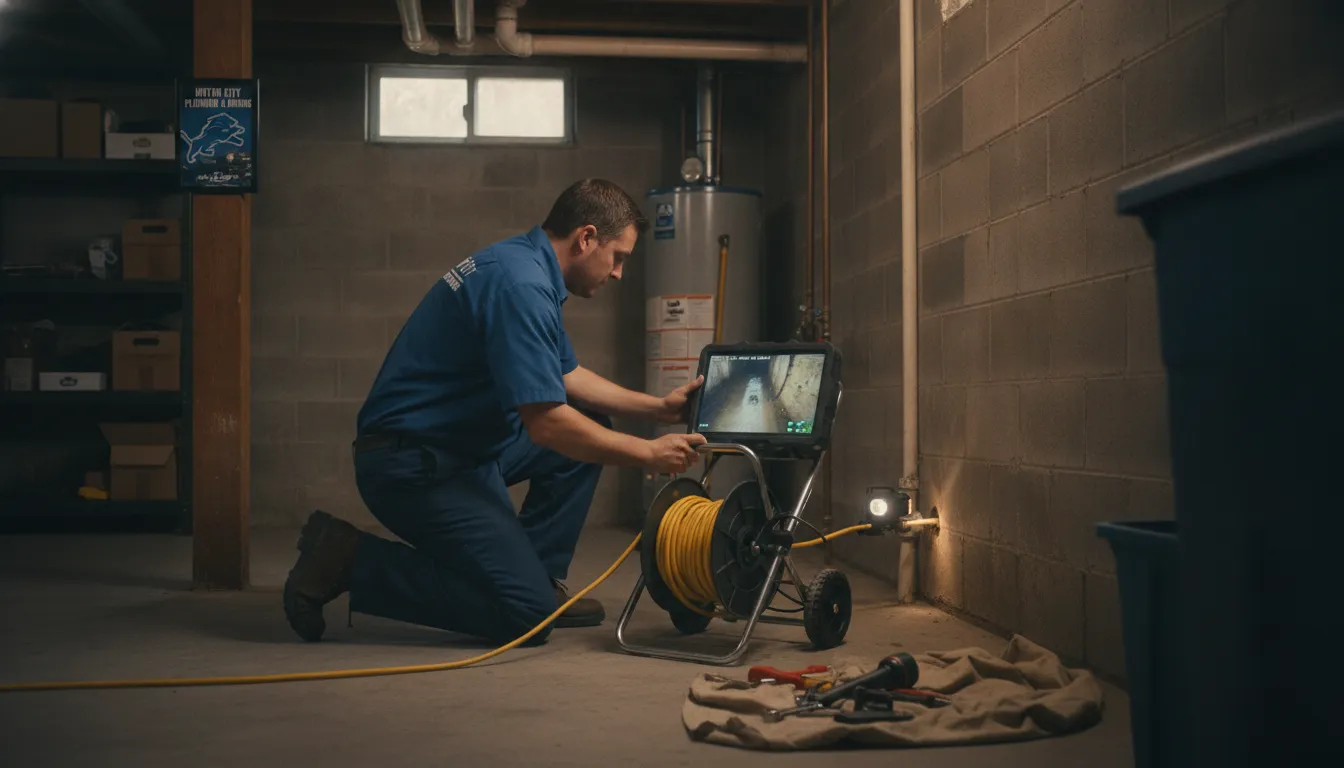
At Mr. Pipey, we use camera inspections to find hidden leaks that are not easy to see. If you lack the right tools or the leak keeps coming back, it is time to get help. Trying to fix a deep pipe issue without the right training can lead to costly water damage.
Also, if you live in an older home, the pipes may be thin or weak. Working on old metal can cause cracks that you cannot fix with tape or glue. Pros have the gear to handle these tricky spots without making them worse. If you are not sure where the water is coming from, a pro can find the source fast. It is better to spend a little now on a pro than to pay a lot later for mold or floor repairs.
The benefits of expert service
A licensed plumber brings peace of mind that a DIY fix cannot match. All our pros are licensed and insured in Michigan, which protects your home from sudden damage. We serve many areas in Metro Detroit, including Wayne, Oakland, Macomb, Washtenaw, and Livingston counties.
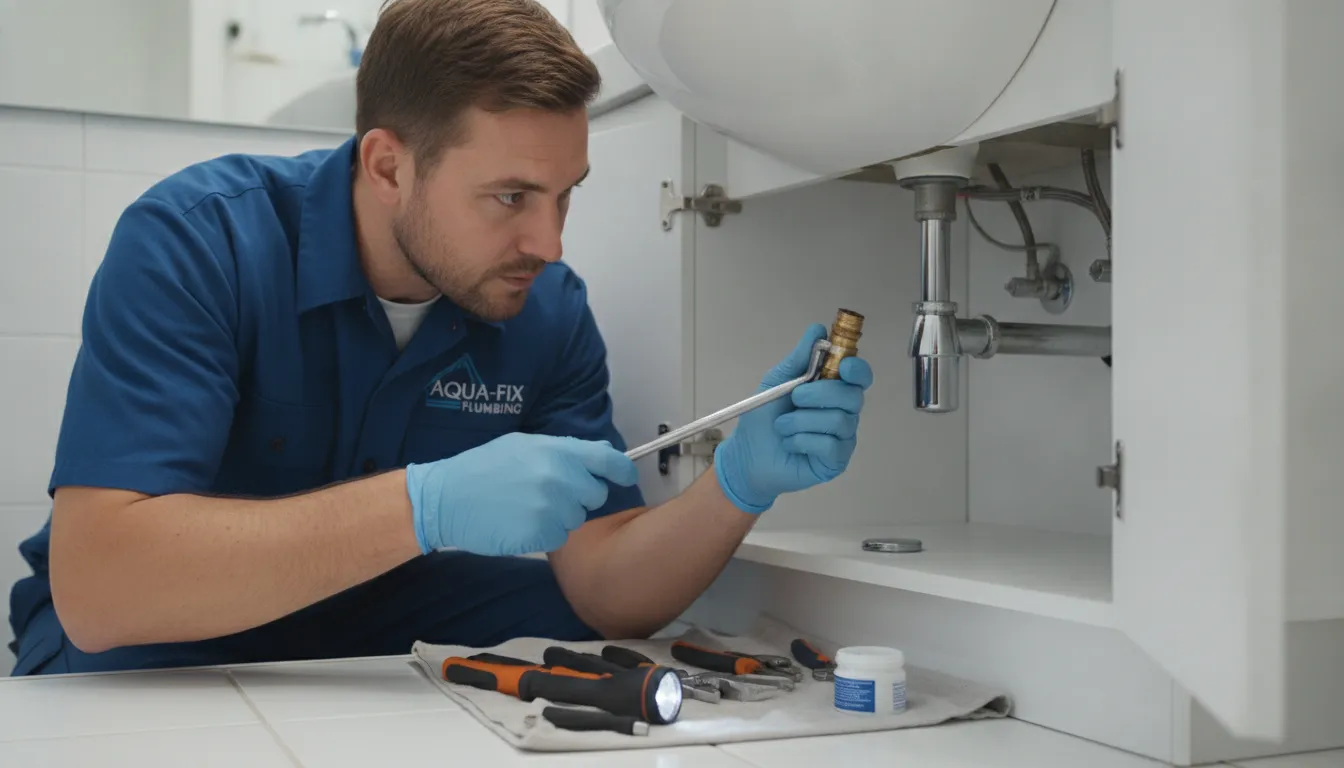
Choosing a pro means the job gets done right the first time without any guesswork. We know the local codes and make sure every repair is up to date and safe for your family. We offer 24/7 help and flat-rate pricing so you never have to worry about hidden fees.
For big jobs, we provide clear upfront estimates and complete home plumbing assessments. We treat every house like our own and make sure your plumbing stays in top shape. Whether it is a small drip or a burst pipe, we are here to help you day or night. Hiring a pro ensures your home stays dry and your water bills stay low.
Frequently Asked Questions
How much water can a single dripping faucet waste?
You might be surprised by how much water a single drip wastes. A faucet that drips once every second can waste over 3,000 gallons of water in one year. Based on facts from the EPA , this is equal to the water used in more than 180 showers. Across the country, household leaks waste nearly 1 trillion gallons of water every year. Fixing these drips helps save our water supply and keeps your bills low.
How can I find a plumbing leak if I do not see it?
If you hear water running but do not see a leak, you may have a hidden problem. You can use tools that find odd water use in your home. These tools help stop water waste and damage. Pros like Mr. Pipey Plumbing also use special cameras to check pipes. This tech helps find leaks behind walls or under floors without breaking anything. This is the best way to stop damage you cannot see.
Does Mr. Pipey charge extra for night or weekend calls?
No, you do not have to worry about extra fees for late-night or weekend help. Mr. Pipey Plumbing offers 24/7 fast service across the region. Based on the Mr. Pipey faucet repair page, they use upfront, flat-rate pricing with no extra charges for night work. This means the price you are given is the price you pay, even for fast repairs. This helps you get your plumbing fixed quickly without a shock when the bill comes.
What counties does Mr. Pipey serve in Metro Detroit?
Mr. Pipey provides plumbing help for homes all across the Metro Detroit zone. The team serves Wayne, Oakland, Macomb, Washtenaw, and Livingston counties. They offer a full range of help from simple faucet fixes to major pipe repairs. Based on the Mr. Pipey service area page, their licensed plumbers are ready to help at any time. They treat every home with care and make sure every job is done the right way.
Ready to stop that faucet leak and save on your water bill?
A leaking faucet wastes over 3,000 gallons of water each year, which raises your bills and can cause rot in your bathroom or kitchen cabinets. If you wait to fix a small drip, it can lead to mold growth or a major pipe burst that costs much more to repair. When you request a fix now, it stops the waste and keeps your home safe so you can save money and avoid a leak.
Ready to book an expert faucet repair? Call (313) 900-0700 to talk to a local plumber and get your sink fixed today. Our licensed and insured team serves all of the local area and we are ready to help you with your plumbing right now.