
Frozen pipes that burst in a Metro Detroit winter need fast action. Water damage from a major leak spreads fast and can ruin your floors in a single hour. You need a fast response to stop the flood.
This emergency plumbing guide shows you how to handle burst pipes, sewage backups, and gas leaks to prevent major property damage and protect your Detroit family. It covers how to shut off your main water valve and what steps to take before calling for local emergency plumbing services at your home. Mr. Pipey offers a 24/7/365 response model with flat-rate pricing to help you avoid a total loss of water or other serious health and sanitation risks.
Emergency Plumbing Guide: What Qualifies as a Plumbing Emergency?
A plumbing emergency is any urgent issue that causes or threatens significant property damage or health risks. Burst pipes, sewage backups, and gas leaks all require immediate professional attention to keep your Metro Detroit home safe and dry.
Knowing when to call for help is the first step in any emergency plumbing situations. A plumbing emergency is an urgent issue that could lead to big property damage or health risks. It can also cause a major stop in your home water and waste services. While a slow leak may feel like a crisis, a true emergency needs a pro to act right away to keep your home safe.
Threats to Your Property
Burst pipes are one of the most common causes of water damage in Detroit homes. A broken supply pipe can spray many gallons of water per minute into your home. This level of flood needs quick care to prevent harm to your floors and walls. If water sits for too long, you may also face mold growth. If mold covers more than 10 square feet, the EPA recommends following professional cleanup rules to protect your air quality.
Risks to Your Health
Sewage backups are another top priority for homeowners. When sewer lines fail, raw waste can flow back into your sinks, tubs, or basement and may require sewer line repair to resolve. This waste often carries germs that cause stomach illness. According to the National Institutes of Health, sewer overflows can pollute water sources with harmful germs. If you see sewage coming into your home, you must treat it as a serious health hazard and call for help now.
Safety Hazards and Service Loss
Gas leaks and a total loss of water also count as emergencies. If you smell gas, you should leave your home at once and call your gas provider. A gas leak is a fire risk and a threat to your life. Also, if your home has no water at all, you cannot wash your hands or flush your toilets. This lack of service makes a home hard to live in and needs a fast fix. Any issue that stops you from using your water system safely is a reason to call an expert.
Immediate Steps to Take When a Pipe Bursts in Your Home
When a pipe bursts, shut off the main water valve, turn off your water heater, check for gas leaks, then call a licensed plumber. Move furniture away from the water and use towels or a wet-dry vacuum to soak up standing water while you wait for help to arrive.
When a pipe bursts or a drain spills, you must stay calm and act fast. Every second that passes lets water soak deep into your floors and walls. A quick response is the best way to limit damage and keep repair costs low. Following a clear emergency plumbing guide will help you handle the crisis while you wait for a local expert to arrive at your home.
Stop the source of the flood
The first goal in any home crisis is to stop the flow of water. If you do not shut it off, a broken pipe can spray hundreds of gallons of water into your rooms in just a few minutes. This fast flooding can ruin your carpets, walls, and even the base of your house. You should know where your main water valve is before a problem starts so you can find it fast in the dark or during a rush.
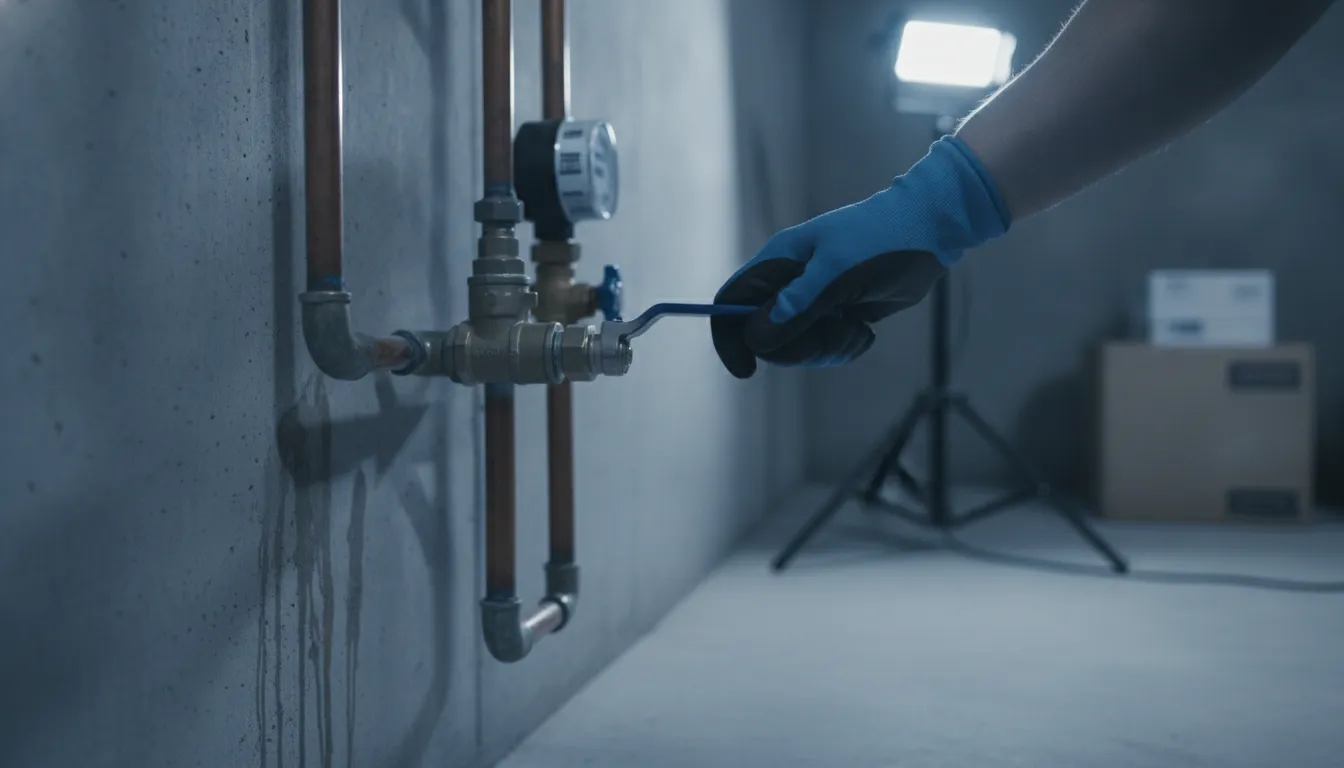
- Shut off the main water valve. Find the main shutoff valve for your home and turn it all the way to the right. This stops all water from entering your pipes and is the most vital step in any emergency plumbing situations.
- Turn off your water heater. Once you stop the main water flow, turn off the power or gas to your heater. If the tank stays hot without new water coming in, it can build up too much pressure or fail.
- Check for gas leaks. Safety is your main goal during a crisis. If you smell a “rotten egg” scent or hear a hiss, leave the house now and call your local gas company to report the leak.
- Call a plumbing expert. Once the site is safe, call a local team you trust. Mr. Pipey provides 24/7 emergency service with flat-rate pricing for people across the Metro Detroit area.
- Open your faucets. After the main valve is shut, open the lowest faucets in your home. This drains the water that is still sitting in your pipes so it does not leak out through the break in the line.
- Clear the area. Move all furniture, rugs, and tech devices away from the wet spots. Lifting items off the floor can prevent long term stains and stop power shorts that could lead to fires.
- Soak up the standing water. Use a wet-dry vacuum or old towels to remove as much water as you can. The faster you remove the liquid, the less likely you are to deal with warped wood or peeling paint.
- Avoid harsh drain liquids. Never pour store-bought cleaners into a clogged drain or a pool of water. These liquids can damage your pipes and cause burns if they splash onto your skin during the repair.
Protect your property and safety
After you control the water, you must focus on health risks and cleanup. Sewage backups are dangerous because raw waste can carry harmful pathogens into your home. These germs can cause serious illness if you touch them or breathe in the fumes. If your main sewer line has failed, you may need a trenchless sewer line repair to fix the pipe without destroying your yard.
Mold is another big threat that starts to grow within 24 to 48 hours of a leak. You must dry out your home as fast as you can to stop spores from spreading. As per the EPA, you should ask for help from a pro if mold growth covers more than 10 square feet of space. Keeping the air moving with fans and using a dehumidifier will help protect your family’s health.
Do not wait to start the cleanup process. While you wait for your plumber to arrive, take photos of the damage to help with your home cover claim. Working with a local team like Mr. Pipey ensures you get help from people who know Detroit homes and the common issues caused by our cold winters. Staying active during the first hour of a crisis is the best way to get your life back to normal fast.
How to Shut Off Your Main Water Valve
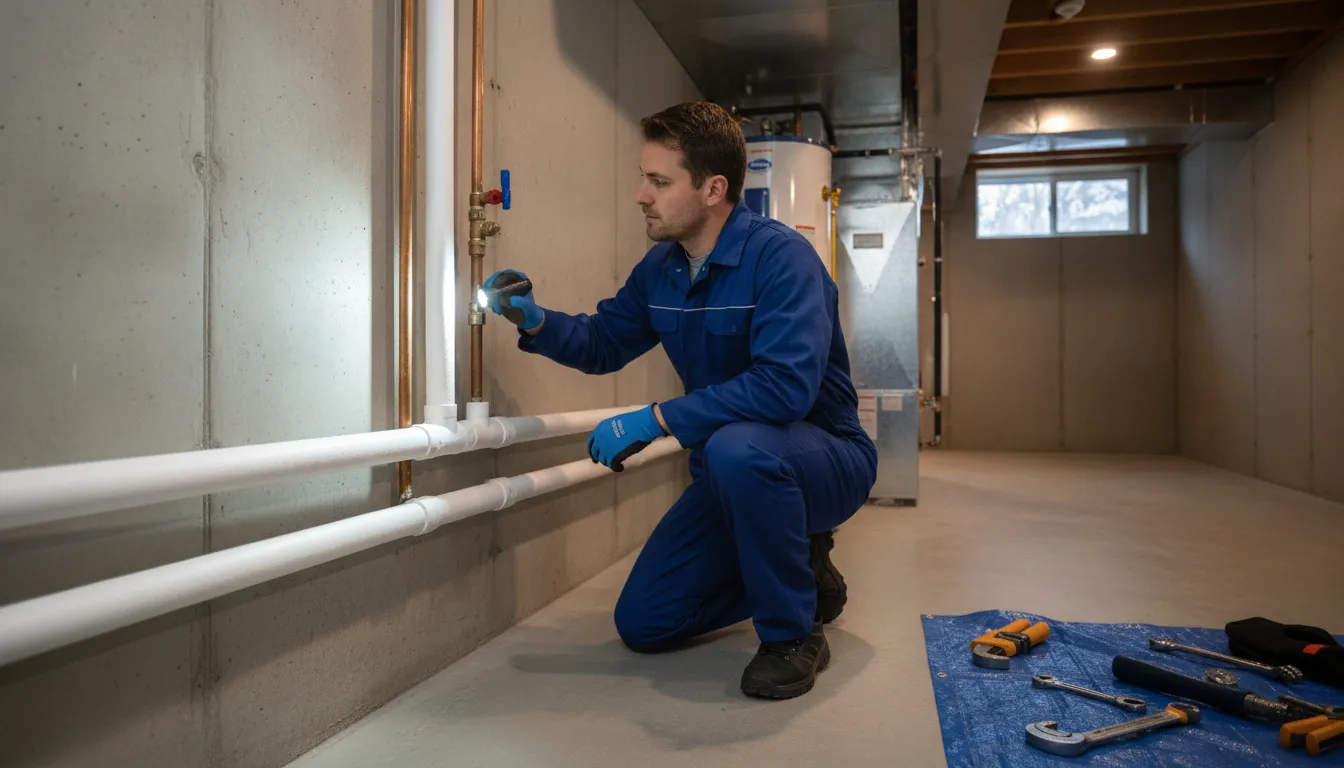
Your main water valve is usually in the basement near the front wall, close to the water meter. Ball valves use a lever handle that turns perpendicular to the pipe to shut off water. Gate valves use a round knob that turns clockwise to close.
Every owner needs to know how to stop the water flow to their home. This is the first step in any plumbing leak repair job. When a pipe bursts, water can flood your rooms in minutes.
Knowing where the main valve is helps you act fast. You can stop the flood before it causes big harm to your house.
Finding Your Main Water Valve
The main water valve is often near the spot where water enters your home. In many Detroit houses, you will find it in the basement. Look for it on the wall that faces the street.
It is usually close to the water meter. If your home has a crawlspace, the valve might be tucked away there. Check near the front wall or the water heater if you do not see it in the basement.
In some cases, the valve is outside your home. Look for a round or square cover on the ground near the street. This is called a curb box.
You might need a special tool to reach the valve inside. It is best to find this spot before a crisis hits. Walk around your yard and check these spots now so you are ready for an emergency.
Knowing Your Valve Type
Most homes use one of two valve types. The first is a ball valve. This valve has a straight lever handle. When the handle is in line with the pipe, the water is on.
To shut it off, turn the lever so it is at a right angle to the pipe. This simple turn stops the flow for the whole house. Ball valves are very common in newer homes because they are easy to use.
The second type is a gate valve. This one looks like a small wheel or a round knob. To close a gate valve, turn the wheel to the right. Keep turning until it will not move anymore.
This is often called “righty-tighty.” Gate valves can be hard to turn if they are old. Be careful not to force it too hard. If the valve is stuck, you may need an expert to help you close it.
Why Fast Action is Vital
Stopping the water fast keeps your repair costs low. Water can ruin floors and walls in a very short time. It can also lead to mold growth.
Mold can start to grow in as little as 24 to 48 hours. If water damage is left alone, it creates a health risk for your family. Fast action is the best way to keep your home safe and dry.
If a leak causes a large mold problem, you must follow safety rules. The EPA tells owners to get expert help if mold covers more than 10 square feet. A quick shut-off at the main valve is the most vital step in any emergency plumbing guide. Once the water is off, you can call a plumber to fix the pipe.
Common Emergency Scenarios and How to Handle Them
Burst pipes need an immediate main valve shut-off. Sewage backups require evacuating the affected area and calling a plumber. Gas leaks demand leaving the building immediately and contacting your gas company before a plumbing professional.
Every plumbing emergency needs a fast response. Quick action can stop a small leak from turning into a big flood. You should know how to react to the most common issues. Some tasks are safe to do on your own, but most need help from a pro. Knowing the right steps will help you stay calm and keep your home safe while you wait for a plumber to arrive.
Burst pipes and main line leaks
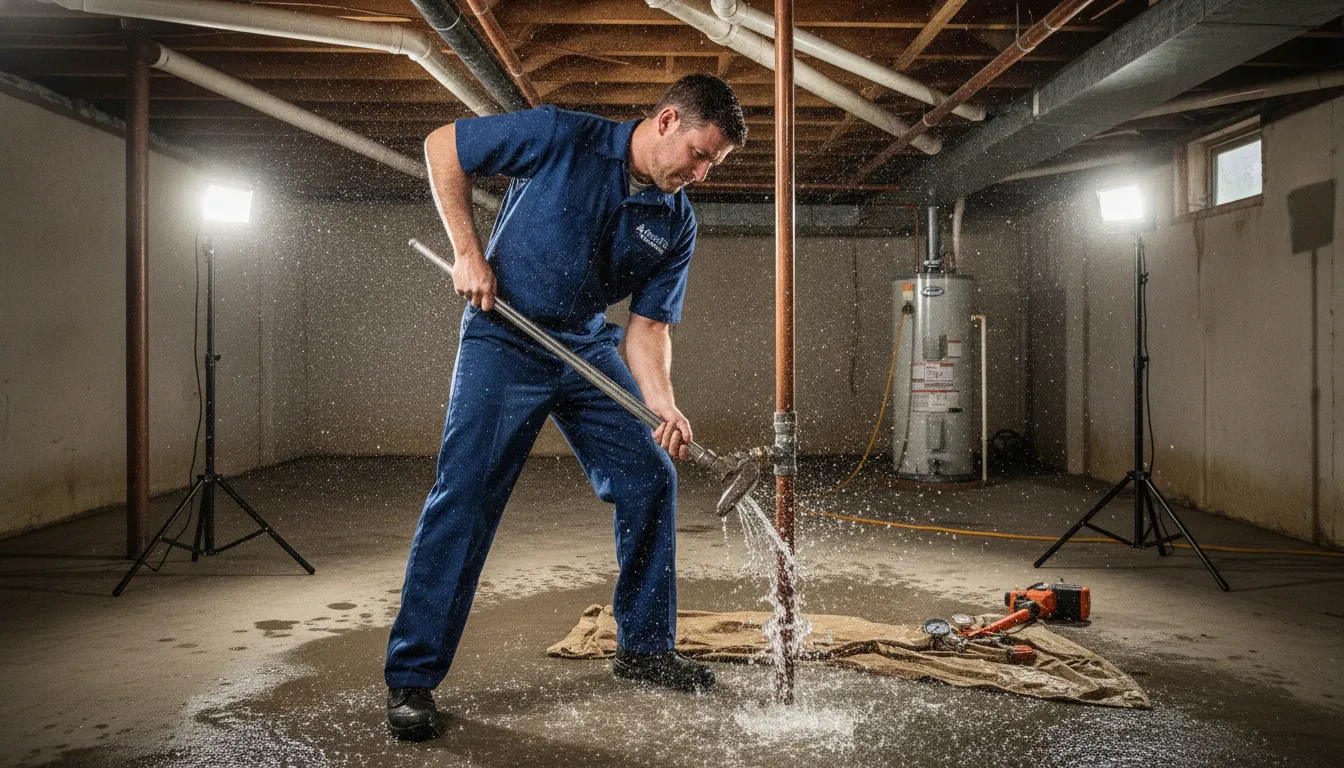
A burst pipe is a major crisis. It can spill hundreds of gallons of water every minute into your home. This level of flooding will lead to high repair costs if you do not act fast. The first step is to turn off your main water valve to stop the flow. After the water is off, open your faucets to drain the rest of the lines. This reduces the pressure in your pipes and limits the spill.
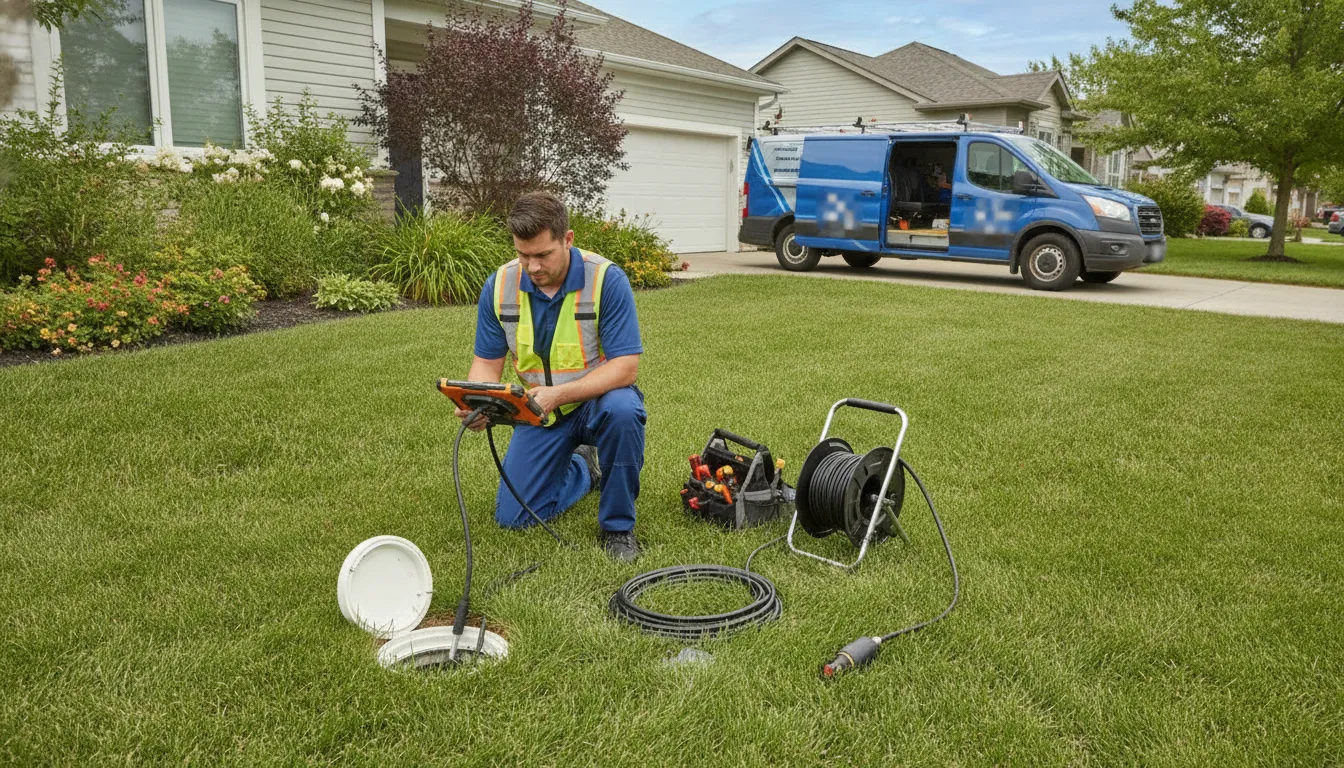
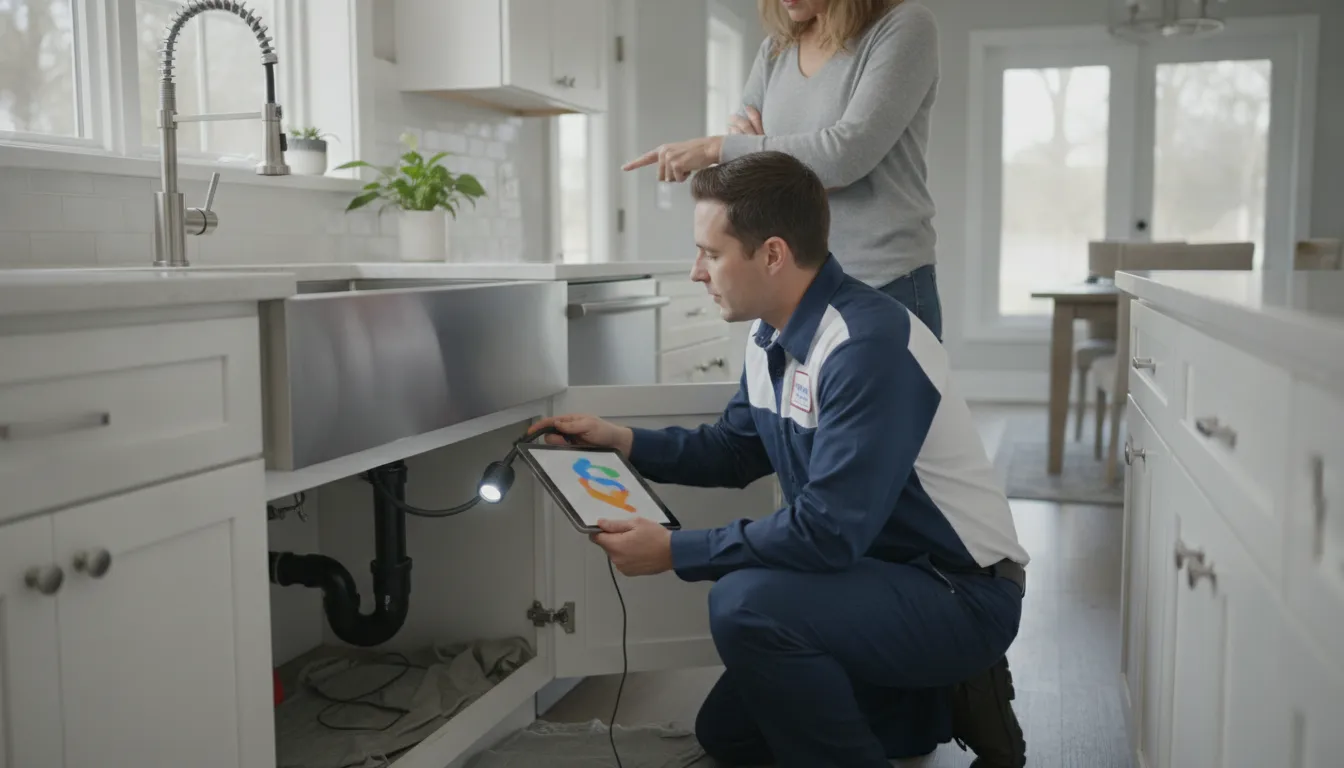
Finding the exact spot of a leak can be hard. Mr. Pipey uses tools like HydroScrub drain jetting and acoustic leak detection to find the break. These high-tech methods help fix the issue without tearing up your whole yard or house.
Sewage backups and health risks
A sewage backup is more than just a mess. It is a serious health threat to your family. Untreated waste can carry harmful pathogens that cause illness. If you see sewage coming out of your drains, do not flush the toilet or use any water. Move your family away from the area to avoid contact with the waste. You should call for help as soon as you spot a backup to prevent the risk of mold growth.
Gas leaks and safety protocols
If you smell gas, your safety is the top goal. You must leave your home right away. Do not turn on any lights or use your phone until you are outside. Once you are safe, call your gas company and an expert plumber. Mr. Pipey can find the leak and repair it to make your home safe again. Gas leaks are one of the most urgent emergency plumbing situations for any homeowner.
| Scenario | Immediate Action | Do NOT | Call Plumber? |
|---|---|---|---|
| Burst Pipe | Shut off main valve | Wait for a small leak to stop | Yes |
| Sewage Backup | Evacuate the area | Flush toilets or use sinks | Yes |
| Gas Leak | Leave building fast | Touch any light switches | Yes |
| Clogged Drain | Use a plunger | Pour chemicals down the pipe | If slow |
When to Call a Professional Emergency Plumber
Call a professional plumber immediately if you have no water, smell gas or sewage, see water stains spreading on walls, or cannot stop a leak after shutting off the main valve. Professional 24/7 services provide flat-rate pricing with no overtime fees.
Knowing when to call a pro is key to saving your home from water damage. Some small leaks can wait until morning, but big issues need help right now. A team offering emergency plumbing services should be on your speed dial for times when water is out of control. If a leak does not stop after you close the main valve, you have a true crisis. The same is true if you smell gas or sewage in your home.
Signs you need immediate help
You should call for help if you have no hot water or see new water stains on your walls. A sewage smell often means a pipe has backed up, which creates major health risks for your family. Untreated sewage can carry germs that cause gut illness, according to the National Institutes of Health. If you smell gas, leave the house at once and call your gas company before you call a plumber. Other signs like low water pressure or gurgling drains also show that your system needs a pro to look at it.
Benefits of professional emergency service
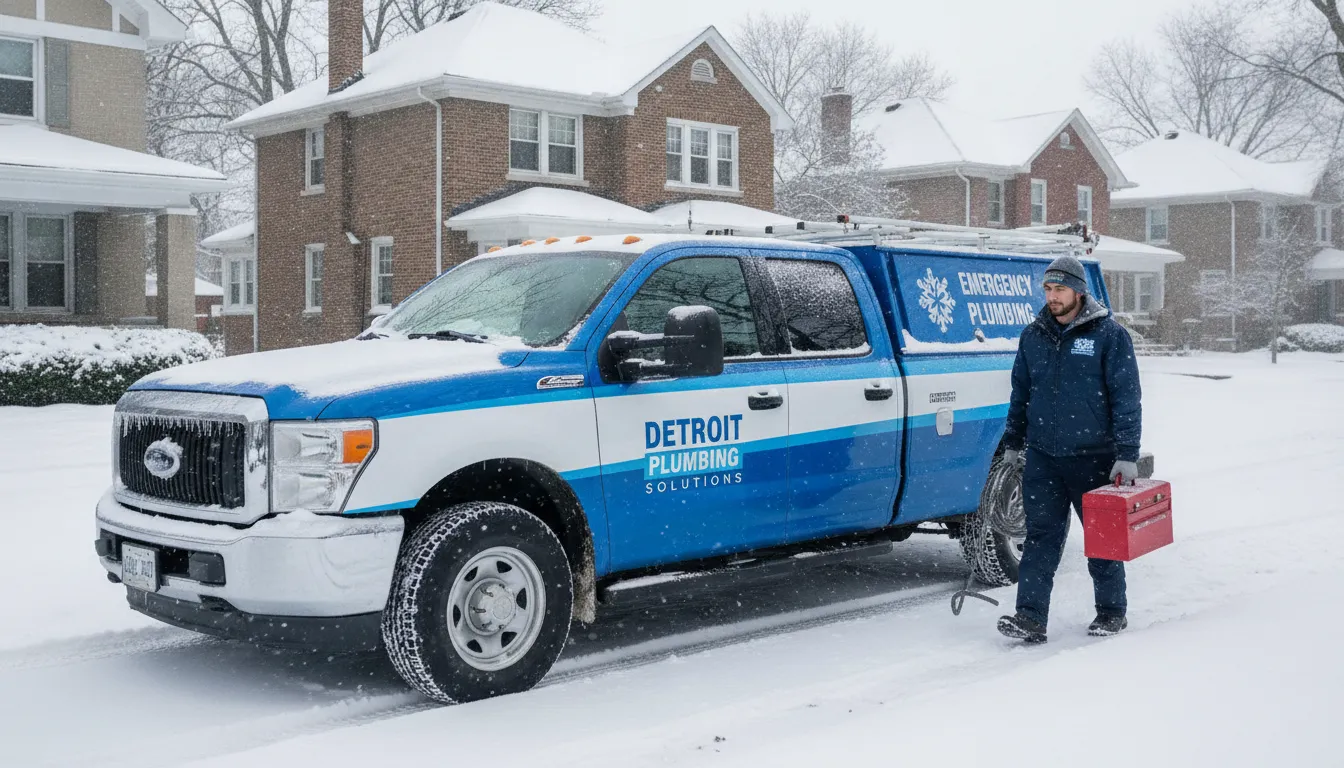
Calling a local pro gives you peace of mind during a stressful time. Mr. Pipey serves Metro Detroit with a 24/7 team that works every day of the year. We provide emergency plumbing services with flat-rate pricing and no overtime fees for night or weekend calls, so you never have to wait for a fair price. A pro also has the right tools to find the source of the leak fast without tearing up your whole home.
Advanced tools for fast results
Modern plumbers use tech to solve your pipe problems with less mess. Mr. Pipey uses tools like acoustic leak sensors and cameras to find hidden breaks inside your walls. Our teams also use HydroScrub drain jetting to clear out tough clogs that cause pipes to burst. These high-tech methods save you time and money on repairs. If you face a plumbing crisis in Detroit, call Mr. Pipey at (313) 900-0700 for fast and expert help.
Frequently Asked Questions About Emergency Plumbing in Detroit
What qualifies as a plumbing emergency?
A plumbing emergency is any urgent issue that could lead to property damage or health risks. This includes burst pipes, sewage backups, and gas leaks. According to Mr. Pipey, these situations require fast action to keep your home safe and dry. If a problem stops you from using your water or poses a safety threat, you should call for professional help right away.
How much does an emergency plumber visit cost?
The cost of a service call can vary based on the time and the type of repair needed. Many shops charge extra fees for nights or weekends. However, some local experts provide help without these added costs. Mr. Pipey offers 24/7 service with flat-rate pricing and no overtime charges for homeowners in Metro Detroit. This helps you get fair pricing even when a pipe bursts in the middle of the night.
What should I do if a pipe bursts in my home?
You must act fast to stop water damage. First, find your main water valve and turn it off. Next, turn off your water heater to prevent it from burning out. Open your faucets to drain the rest of the water from the lines. Finally, call a pro. A single burst pipe can leak hundreds of gallons of water in one minute, which can lead to costly repairs if not fixed quickly.
How fast can an emergency plumber arrive?
Arrival times depend on where you live and the time of day. In Metro Detroit, many teams offer 24/7 response. Mr. Pipey provides emergency service around the clock with flat-rate pricing to help limit water damage. Getting a pro to your site quickly is vital for stopping leaks and finding the source of the break using advanced tools like acoustic leak detection.
When is it safe to clean up water damage myself?
Small spills are safe for most people to clean up with towels or a wet vac. But you should be careful with large floods or sewage leaks. If mold growth covers more than 10 square feet, the EPA suggests you talk to a pro. Raw sewage is also dangerous because it carries germs that can make you very sick, so it is best to let experts handle big messes.
Ready to fix your burst pipes in Metro Detroit today?
Leaving a burst pipe alone allows water to soak into your floors, which causes wood rot and bad mold in just a few days. Take action now to stop the leak before it gets worse, as starting the repair work right away keeps your home safe from water damage. Our local team stays ready at all hours to help you with flat-rate pricing and no extra fees for late calls or any weekend visits.