
Your sump pump is making strange noises. Or worse, it’s gone completely silent. Your first thought is a flooded basement, but the second is always, “How much is this going to cost?” The final price tag isn’t a simple, one-size-fits-all number. The total cost to replace a sump pump depends on the type of pump you need, the complexity of the installation, and even local labor rates. This guide gives you a clear, straightforward breakdown of all the expenses, so you can feel confident and prepared for the final bill.
Sump Pump Replacement Cost at a Glance
Quick answer: Most sump pump replacements cost $400 to $1,200 for the pump and professional installation. A simple pump swap usually lands near the lower end, while battery backup systems, pit work, discharge-line repairs, or electrical updates can raise the total. For Metro Detroit homeowners, Mr. Pipey can inspect the setup, explain the options, and provide upfront pricing before work begins.
Need a replacement before the next storm? Contact Mr. Pipey for a sump pump quote in Metro Detroit.
Key Takeaways
- Look Beyond the Pump’s Price Tag: The final cost for a sump pump replacement is influenced by the pump type you choose, local labor rates, and the complexity of the job. Expect the total project to fall between $400 and $1,200, which covers both the unit and professional installation.
- Professional Installation is Your Best Insurance: Hiring a qualified plumber ensures your sump pump is installed safely, meets local codes, and is correctly sized for your home. This helps you avoid common DIY mistakes that can lead to electrical hazards or a flooded basement down the line.
- A Little Maintenance Goes a Long Way: You can extend your pump’s lifespan and prevent emergency failures with simple care. Routinely test your pump by pouring water into the pit, keep the pit clear of debris, and schedule an annual inspection to catch problems early.
What’s the Real Cost to Replace a Sump Pump?
When your sump pump starts showing signs of trouble, one of the first questions that probably pops into your head is, “How much is this going to cost me?” It’s a completely valid question, and the answer isn’t always a simple one. The final price tag for a sump pump replacement depends on several key factors, like the type of pump you need, the complexity of the installation, and even where you live. But don’t worry, we can break down the typical costs to give you a solid idea of what to expect. Understanding the numbers ahead of time can help you budget for the repair and feel confident you’re making the right choice for your home’s protection.
What’s the Average Cost Nationwide?
So, let’s talk numbers. Nationally, the average cost to replace a sump pump is about $530. Of course, that’s just a starting point. Most homeowners find themselves paying somewhere between $400 and $1,200 for the entire job. This price range typically covers the cost of the new pump itself plus the professional labor required to remove the old unit and install the new one correctly. The final cost within this range often depends on the specific model you choose and how much work is involved in the installation.
Professional Labor and Repair Costs
When you hire a professional, you’re paying for more than just a new pump; you’re investing in peace of mind. The labor portion of a sump pump replacement typically runs between $255 and $377. This cost covers the expertise needed to remove your old unit, ensure the new one is perfectly sized for your home’s needs, and install it according to local safety codes. Hiring a qualified plumber is your best defense against the common mistakes that can happen with a DIY job, like improper wiring or a poorly seated pump, which could lead to electrical hazards or the very basement flood you’re trying to prevent. It ensures the job is done right the first time, saving you from more significant, more expensive headaches later on.
DIY Material Costs
If you’re comfortable with plumbing and electrical work, tackling the replacement yourself can definitely save you money on labor. The primary cost will be the new sump pump, which can range from a basic model around $100 to a more robust unit costing $300 or more. For ultimate protection, especially during power outages, you might consider a high-quality pump with a battery backup system, which could run closer to $1,000 for the materials alone. While the DIY approach can cut your total cost, it’s important to weigh the savings against the risks and ensure you have the right tools and knowledge to complete the job safely and effectively.
Why Your Zip Code Matters for Cost
Where you call home plays a surprisingly big role in the final cost of your sump pump replacement. Local labor rates, the cost of living, and even the availability of certain parts can cause prices to vary significantly from one city to the next. For example, a replacement in one part of the country might be a few hundred dollars cheaper than the same job somewhere else. Here in Metro Detroit, our local market conditions will ultimately determine the final price. That’s why the best way to get an accurate number is to get a quote for your specific sump pump service.
Breaking Down Your Sump Pump Replacement Cost
When you get a quote for a sump pump replacement, you’ll notice the final price is more than just the cost of the pump itself. Several key factors influence the total bill, from the type of equipment you choose to the specifics of your home’s setup. Think of it like any home improvement project—the details matter. A straightforward swap of an old pump for a new one will naturally cost less than a project that requires digging a new pit or rerouting pipes.
Understanding these variables will help you budget accurately and see exactly where your money is going. The main cost drivers include the type of sump pump you select, how complex the installation is, local labor rates in the Metro Detroit area, and whether any extra repairs or adjustments are needed to get the job done right. A professional plumber will walk you through these details during an inspection, but having a little background knowledge yourself is always a good idea. It helps you ask the right questions and feel confident in the sump pump services you choose.
How Pump Type Affects the Price Tag
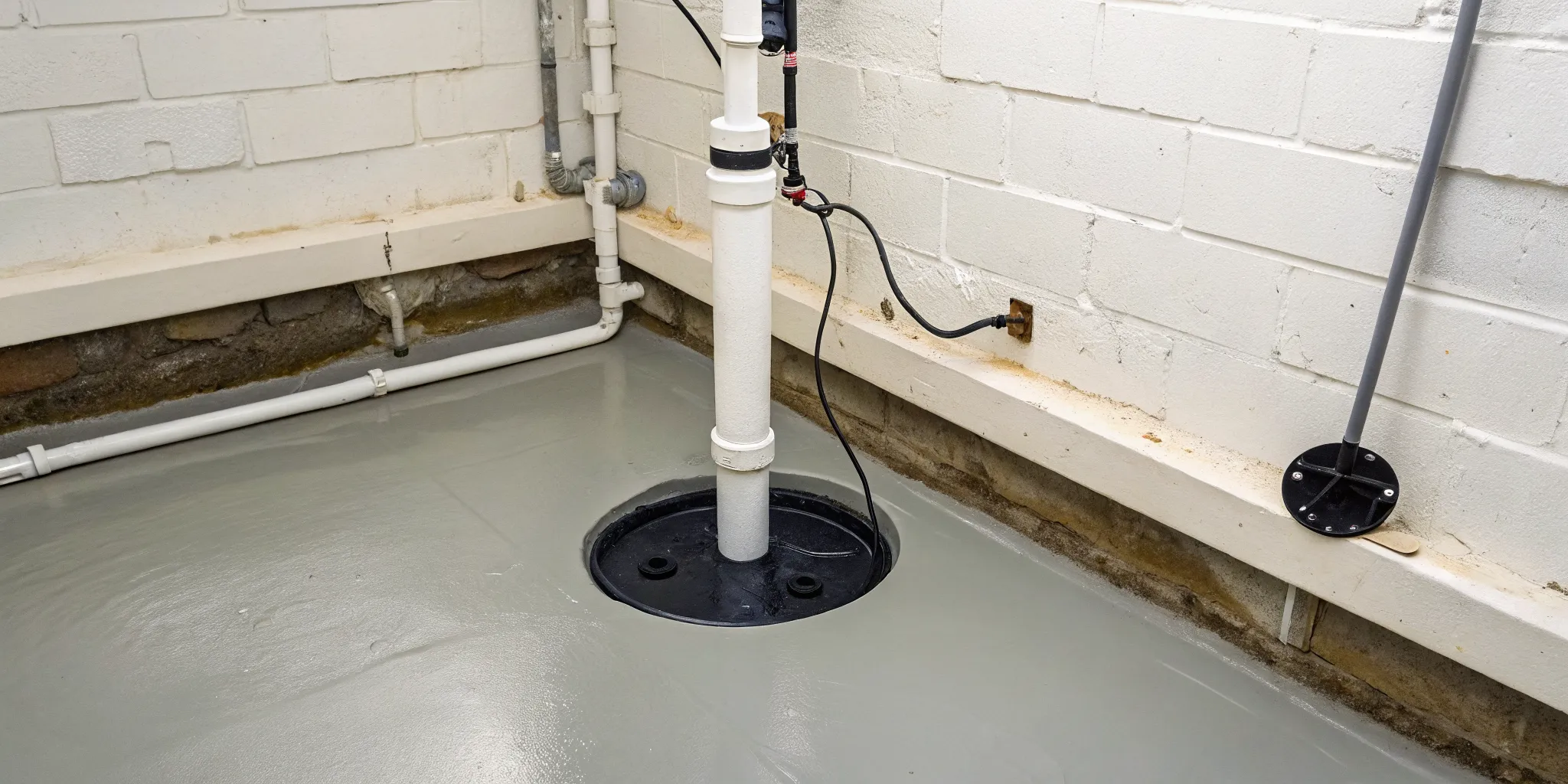
The first major decision you’ll make is choosing the right type of sump pump for your basement. The two most common options are pedestal and submersible pumps, and they come with different price tags. Pedestal pumps are the more budget-friendly choice, typically costing between $60 and $170. They sit above the sump pit, which makes them easier to access for repairs but also noisier and less powerful.
On the other hand, submersible pumps sit directly inside the sump pit, making them quieter and more powerful. They are better at handling solids and debris, but they cost more, usually ranging from $100 to $400. Your choice will depend on your budget, the amount of space you have, and how much water your basement typically handles.
Is It a Simple Swap or a Complex Job?
Not all sump pump replacements are created equal. A simple one-for-one swap in an easily accessible pit is a relatively quick job. However, if your situation is more complicated, the cost will reflect that. For example, if you’re installing a sump pump for the first time, the plumber will need to excavate a pit and install a drainage system, which is a much bigger project.
Other factors that add complexity include working in a cramped crawl space, needing to drill through a concrete foundation for a new discharge line, or upgrading the electrical wiring to support the new pump. These challenges require more time, tools, and expertise, which will increase the final cost of the installation.
How Long Does a Replacement Take?
Time is definitely a factor when you’re dealing with a failing sump pump. You want the job done quickly and correctly to get your basement protected again. For a simple, direct replacement where the new pump fits right into the existing setup, a professional plumber can often complete the work in about 30 to 60 minutes. This quick turnaround is possible when the plumbing and electrical connections are already in place and in good condition. However, if the job is more complex, it might take a bit longer, potentially two to four hours. This could happen if the discharge pipe needs to be rerouted or if the old pump is difficult to remove. When you schedule your sump pump service, a professional can give you a more precise time estimate after assessing your specific situation.
Factoring in Local Labor Costs
The cost of labor is a significant part of any professional plumbing job. In the Metro Detroit area, hourly rates for a licensed plumber can vary, but professionals typically charge between $45 and $200 per hour. A standard sump pump replacement is often a quick job, usually taking just an hour or two to complete.
However, for more complex installations or if unexpected issues arise, the job will take longer, and labor costs will be higher. When you get a quote, it should clearly break down the estimated labor time and material costs. This transparency helps you understand the full scope of the work and ensures there are no surprises on the final bill.
Will You Need Additional Repairs?
Sometimes, replacing a sump pump reveals other issues that need attention. For instance, the plumber might discover that the existing discharge pipe is clogged, cracked, or improperly graded, preventing water from flowing away from your foundation. Or, the sump pit itself might be damaged and need to be relined or replaced.
In other cases, you might need to add a new dedicated electrical outlet or upgrade your drainage system to handle heavy water flow. These additional repairs are crucial for ensuring your new pump works effectively and protects your home from flooding. If you find yourself dealing with a sudden failure and water damage, you may need emergency plumbing to address the immediate problem before the replacement can begin.
Comparing Sump Pump Types (and Their Costs)
When you start shopping for a new sump pump, you’ll quickly find there isn’t a one-size-fits-all solution. The right choice depends on your home’s specific needs, how much water you typically deal with, and your budget. Understanding the main types of pumps is the first step to making a smart investment in protecting your basement from water damage. Let’s break down the most common options you’ll encounter and what you can expect to pay for each. At Mr. Pipey, we can help you select and install the perfect model for your Metro Detroit home, ensuring you get reliable protection. Our team is always ready to provide expert sump pump services tailored to your needs.
The Affordable Option: Pedestal Pumps
Think of a pedestal pump as an upright model. The motor sits on a pedestal above the sump pit, out of the water, with a hose that runs down into the pit to pump water out. The biggest advantage here is cost and accessibility. Because the motor isn’t submerged, it’s easier to service and tends to have a longer lifespan. Home service experts at Angi note that these pumps are the more affordable option, typically costing between $60 and $170. They’re a solid choice for smaller basements or areas that don’t see a lot of heavy water flow. The trade-off is that they are often louder and less powerful than submersible models.
The Powerful Choice: Submersible Pumps
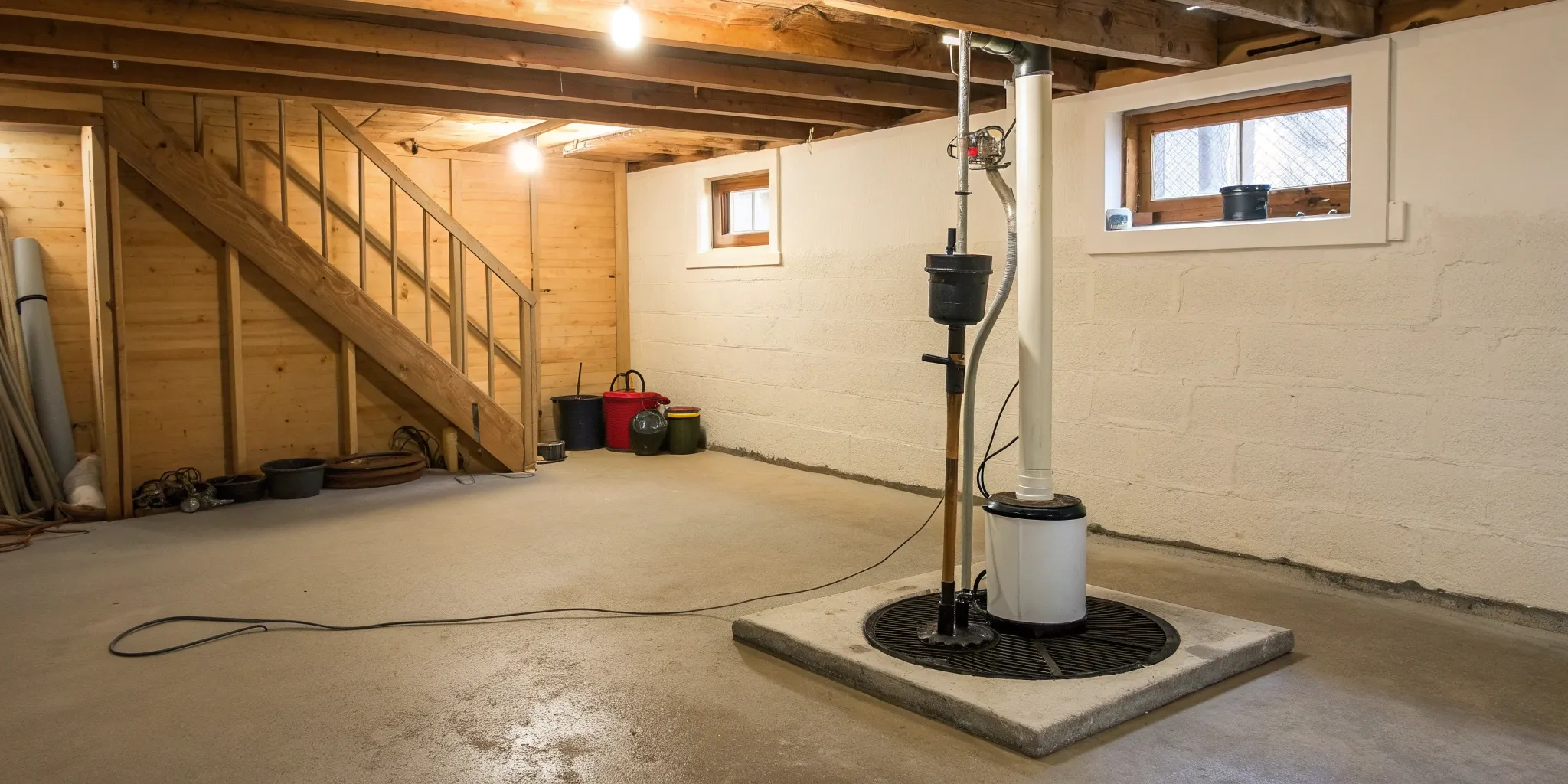
As the name suggests, a submersible sump pump is designed to sit completely underwater inside the sump pit. This design makes them much quieter and more powerful, allowing them to handle a higher volume of water—a huge plus during a heavy Michigan downpour. Since they’re hidden in the pit, they’re also out of sight and out of the way. According to This Old House, submersible pumps generally cost between $90 and $1,000, depending on the horsepower and features. While they are more efficient, repairs can be more complex since the entire unit needs to be removed from the pit for service.
For Peace of Mind: Battery Backup Systems
What happens if the power goes out during a severe storm? That’s when a battery backup system becomes your basement’s best friend. This secondary pump kicks on automatically when your primary pump loses power, ensuring you stay protected when you need it most. A battery-powered backup can cost between $200 and $600, providing crucial peace of mind. Some homeowners opt for a water-powered backup, which uses your home’s water pressure to operate and can run indefinitely. These systems are a great alternative if you’re concerned about battery life, though they come at a slightly higher price point.
How Long Do Battery Backups Last?
A battery backup is a fantastic safety net, but it’s important to know its limits. During a power outage, a new, fully charged battery can typically run your sump pump for about 5 to 7 hours of continuous pumping. If the pump only needs to kick on occasionally, that same battery could last anywhere from one to three days, giving you a solid window of protection. However, the battery itself won’t last forever. You’ll generally need to replace the battery every 3 to 5 years to ensure it holds a reliable charge. Think of it like the battery in your car—even if you don’t use it constantly, it loses its ability to hold a full charge over time. Regular testing is a key part of any good sump pump service plan to make sure your backup system is ready to go when a storm hits.
What Are the Hidden Costs of Sump Pump Replacement?
When you’re budgeting for a new sump pump, it’s easy to focus on the price of the unit itself. But the final bill often includes several other factors that are just as important for a successful installation. From the labor involved to potential electrical upgrades and even city permits, understanding these additional costs will give you a much clearer picture of your total investment. Let’s break down what else you should keep in mind.
The Cost of Hiring a Professional
This is where a significant portion of your budget will go, and for good reason. While the pump is the star of the show, the quality of the installation determines how well it protects your home. According to This Old House, the cost for a professional installation can range from $500 to $4,000, with an average around $1,400. This price reflects the expertise needed to ensure the pump is positioned correctly, the float switch is calibrated, and the discharge pipe is properly routed. Hiring a pro from a trusted company like Mr. Pipey for your sump pump services gives you peace of mind that the job is done right the first time.
Do You Need an Electrician?
Your sump pump needs a reliable power source to function, especially during a storm. This usually means having a dedicated Ground Fault Circuit Interrupter (GFCI) outlet installed near the sump pit to prevent electrical shock in a damp environment. If you don’t already have a suitable outlet, you’ll need to hire an electrician or a qualified plumber to install one. The labor for this, combined with the plumbing work, can range anywhere from $300 to $4,000, depending heavily on your home’s existing setup. It’s a crucial step for safety and proper operation, so it’s not something you want to overlook.
Will You Need a Permit?
Depending on where you live in Metro Detroit, your city or township might require a permit for plumbing or electrical work, even for a sump pump replacement. This is to ensure the installation meets local building codes and safety standards. According to Harris Plumbing, these permit fees can add another $50 to $300 to your total project cost. The good news is that when you work with a professional plumbing company, we typically handle the entire permitting process for you. It’s one less thing for you to worry about, ensuring your project is fully compliant from start to finish.
Costs for New Pits or Drainage Lines
What if you’re installing a sump pump for the first time and don’t have a sump pit? This is where costs can increase significantly. Creating a new pit involves breaking through your basement’s concrete floor, excavating the hole, and then patching the concrete. This is a labor-intensive job that can add $2,500 to $5,000 to the project. Additionally, a proper drainage system needs to be installed to carry water from the pump away from your home’s foundation. A professional will ensure the discharge line is properly sloped and terminates in a safe location to prevent the water from flowing back toward your house.
Protecting Your Investment: Alarms and Insurance
Once your new sump pump is in place, a couple of extra steps can safeguard your investment and your home. Think of it as an extra layer of security. First, consider a sump pump water alarm. These affordable devices are your first line of defense, sounding a loud alert when the water level in your sump pit rises too high. This warning gives you precious time to act before a flood occurs. It’s also wise to review your homeowner’s insurance policy. Many people are surprised to learn that standard policies often exclude damage from sump pump failures. To be fully covered, you may need to add extra ‘water backup’ coverage. Taking these two proactive measures ensures your new system and your basement are truly protected.
Before You Call: Simple Troubleshooting Steps
When your sump pump stops working, it’s easy to feel a wave of panic. But before you pick up the phone, there are a few simple checks you can perform that might solve the problem in minutes. Often, the issue is something minor that you can fix yourself, saving you the time and cost of a service call. Taking a moment to run through these basic troubleshooting steps can give you peace of mind and a better understanding of what’s going on in your basement. If these tips don’t get your pump running again, you’ll know for sure that it’s time to call in a professional for expert sump pump services.
Check the Power Source
It might sound too simple, but you’d be surprised how often a sump pump issue comes down to a lack of power. First, make sure the pump is still securely plugged into its outlet; vibrations can sometimes work the plug loose over time. If it’s plugged in tight, your next stop is the circuit breaker box. Look for a breaker that has tripped to the “off” or middle position. To reset it, flip the switch completely off and then back on again. As plumbing experts at Thornton & Grooms point out, confirming the pump has power is a crucial first step that can prevent an unnecessary service call. This quick check takes just a minute and can often be the fix you need.
Inspect the Discharge Pipe and Inlet Screen
If the power is on but water isn’t going anywhere, a clog is the likely culprit. Start by checking the discharge pipe where it exits your home. This pipe can easily get blocked by leaves, dirt, or other outdoor debris, preventing water from being pumped away from your foundation. Next, you’ll want to look at the pump’s inlet screen, which is the grate at the bottom that filters out debris. For safety, always unplug the pump before reaching into the pit. Clear away any mud, small stones, or gunk that might be blocking the screen. Keeping these two areas clear is essential for your pump to work effectively and can often resolve a backup.
Know the Signs: Is It Time to Replace Your Sump Pump?
A sump pump is one of those things you don’t think about until you desperately need it. But waiting for a major storm to find out yours isn’t working is a recipe for a flooded basement. The good news is that most sump pumps give off warning signs before they fail completely. If you know what to look and listen for, you can catch a problem early and replace your unit before disaster strikes. Here are a few key indicators that your sump pump might be on its last legs.
How Old Is Your Sump Pump?
Like any hardworking appliance, sump pumps don’t last forever. Most have a typical lifespan of about 10 years. If you know your pump is getting close to that decade mark—or if you have no idea how old it is because it came with the house—it’s smart to start thinking about a replacement. Being proactive can save you from a middle-of-the-night emergency during a downpour. A newer model will not only give you peace of mind but will likely be more energy-efficient, too. If you’re unsure about your pump’s condition, our team can help you assess it as part of our professional sump pump services.
Understanding Sump Pump Lifespan and Warranties
It’s also helpful to know the difference between a pump’s expected lifespan and its warranty. Most sump pumps have a typical lifespan of about seven to ten years. After that, you’re living on borrowed time. While the machine might still seem to be working, its internal components are wearing down, making it less efficient and much more likely to fail when you need it most. The manufacturer’s warranty, however, is usually much shorter—typically only one to three years. This means that for the majority of the pump’s life, you are responsible for the full cost of replacement. Thinking of the 10-year mark as a firm expiration date is a smart way to protect your home and avoid the high cost and stress of a sudden basement flood.
It Runs All the Time (or Barely at All)
Is your sump pump running all the time, even when it’s not raining? Or does it turn on and off every few minutes? This constant cycling is a major red flag. It often points to a faulty float switch or an improperly sized pump for your basin, forcing the motor to work overtime. This extra wear and tear can cause the pump to burn out prematurely, leaving your basement vulnerable when you need protection the most. If you notice your pump’s behavior has changed, it’s a clear sign that something is wrong. Don’t wait for it to fail completely; it’s best to have a professional diagnose the issue.
Causes of Constant Running
A sump pump that never shuts off is working way too hard, which can quickly lead to an overheated and worn-out motor. This non-stop action is often a symptom of a deeper problem. It could be something as simple as a stuck float switch, where debris is holding it in the “on” position. Another common culprit is a broken check valve, which is supposed to prevent water from flowing back into the pit after being pumped out. If this valve fails, your pump is just cycling the same water over and over. In some cases, the issue is more serious, like a constant water source from a hidden pipe leak or an unusually high water table. If you suspect a persistent water issue, it’s crucial to have a professional diagnose the source to prevent further damage to your foundation and your pump.
Reasons for Erratic Cycling
If your pump is turning on and off in short, strange bursts, it’s known as erratic cycling. This puts a lot of stress on the motor and can shorten its lifespan significantly. This issue can stem from a few different problems. A failed check valve might be letting just enough water back into the pit to trigger the float switch repeatedly. The float switch itself could also be set too low, causing the pump to kick on before the pit is full and then shut off right away. Sometimes, the pump simply isn’t powerful enough for the job, struggling to move the amount of water or push it the required distance. Whatever the cause, erratic cycling is a clear signal that your system needs a professional inspection to prevent a complete failure.
You See Rust or Hear Strange Noises
Sometimes, your sump pump will give you obvious physical clues that it’s in trouble. Take a look at the unit itself. Do you see any rust or corrosion? Are there visible cracks in the housing? These are signs that the pump is deteriorating and may not be able to handle its job much longer. You should also listen for any unusual sounds. A healthy sump pump should run relatively quietly, so loud grinding, rattling, or clanging noises often mean there’s a mechanical problem with the motor or impeller. These are not issues you should ignore, as they almost always signal an impending failure that could require emergency plumbing services.
What Do Loud Noises Mean?
Those strange sounds coming from your basement aren’t just background noise—they’re your sump pump’s way of crying for help. Loud grinding, rattling, or clanging noises are serious red flags that often point to a mechanical problem with the motor or the impeller, which is the fan-like part that pushes water out. These sounds should never be ignored, as they typically mean a component is loose, broken, or struggling to work. Think of it as an early warning that a complete failure is on the horizon. Addressing the issue promptly can prevent a small repair from turning into a major flood and a call for emergency sump pump services.
The Pump is Clogged or Blocked
One of the most frequent culprits behind a noisy or malfunctioning sump pump is a simple clog. If your sump pit is uncovered, it’s easy for dirt, leaves, small toys, or other debris to fall in and get sucked into the pump. When this happens, the debris can jam the impeller, preventing it from spinning and moving water out of the pit. This not only stops the pump from doing its job but can also cause the motor to overheat and burn out completely. A blocked pump is a serious issue that can quickly lead to a flooded basement, especially during a heavy rainstorm when you need it working the most.
Common Causes of Clogs
So, what exactly causes these blockages? The most common issue is an uncovered sump pit that allows debris to enter the system freely. Another cause can be the water itself; if your groundwater has a high sediment content or contains “bacterial iron,” a reddish, slimy substance, it can build up over time and clog the pump’s inlet screen or internal parts. The impeller can also become damaged or clogged, which will lead to overheating and eventual motor failure. The good news is that you can prevent many of these problems with regular maintenance, like keeping the pit clear and having a professional inspect the system annually. If you’re concerned about potential clogs, it’s always a good idea to schedule an inspection.
Should You DIY or Hire a Pro?
When your sump pump is on the fritz, the thought of tackling the replacement yourself can be tempting. It seems like a straightforward way to save some money, right? But before you head to the hardware store, it’s important to weigh the pros and cons. While a DIY project can feel empowering, a sump pump is your basement’s last line of defense against water damage. Getting it wrong can lead to a much bigger, more expensive mess than you started with.
Let’s break down what you should consider when deciding whether to do it yourself or call in a professional.
Comparing the Costs: DIY vs. Professional
On the surface, DIY seems cheaper. You’re only paying for the pump itself, not the labor. However, professional installation often provides more value than you’d think. Nationally, a professional sump pump replacement can range from $400 to over $1,200. That price doesn’t just cover the new unit; it includes the expertise to select the right size and type of pump for your home, ensure it’s installed correctly, and test it to make sure it works. When you hire a team like ours for sump pump services, you’re paying for the peace of mind that the job is done right the first time, protecting your home from potential flooding.
If you are not sure whether your pump needs repair or replacement, Mr. Pipey can inspect the system and explain your options with upfront pricing.
Staying Safe and Up to Code
Sump pump installation involves two things you should never mix casually: water and electricity. A mistake during installation can create a serious electrical hazard. Professionals are trained to handle these connections safely. Plus, there are local building codes and regulations to consider. An improper installation might not pass an inspection, which can cause headaches if you ever decide to sell your home. A licensed plumber knows the specific requirements for Metro Detroit and ensures your system is fully compliant, keeping your home safe and up to code. It’s a detail that’s easy to overlook but crucial for your family’s safety.
Costly DIY Mistakes to Avoid
We’ve seen firsthand how a simple DIY project can turn into a costly disaster. Some of the most common mistakes include choosing the wrong size pump for the basement, setting it up in the wrong spot, or failing to install the discharge pipe with the proper slope. An incorrect slope can cause water to flow back toward your foundation, forcing the pump to overwork and burn out prematurely. Another frequent oversight is skipping a battery backup system, which leaves your basement vulnerable during a power outage. These errors can lead to a flooded basement and thousands of dollars in damage, turning a money-saving project into a major emergency plumbing situation.
A Quick Guide to DIY Sump Pump Replacement
If you’ve weighed the options and feel confident tackling this project yourself, being well-prepared is the key to success. A sump pump replacement can be a manageable DIY job if you have the right tools and a clear plan. This guide will walk you through the essential steps to get your new pump installed and running correctly. Remember to always prioritize safety, and if at any point you feel unsure, don’t hesitate to pause and call in a professional. It’s always better to be safe than to risk a mistake that could lead to water damage.
Tools You’ll Need
Before you start, gather all your tools and materials in one place. This will save you from making multiple trips to the hardware store mid-project. You’ll need a new sump pump, ideally with the same horsepower and size as your old one to ensure a proper fit. You may also need some PVC pipe and an adapter if you have to cut the old discharge line. While you can often reuse the existing check valve, it’s a good idea to have a new one on hand just in case. Finally, make sure you have a screwdriver, a pair of pliers or a wrench, and a bucket or shop vac to remove any remaining water from the pit.
Step-by-Step Installation Process
First things first: safety. Go to your circuit breaker and turn off the power to the sump pump, then unplug the unit itself. Next, disconnect the pump from the discharge pipe, which is usually attached to a check valve. Be ready for some water to drain out. Once it’s disconnected, lift the old pump out of the pit and take a moment to clean out any mud or debris from the bottom of the basin. Prepare your new pump by attaching the necessary adapter and a short piece of discharge pipe. Lower it into the pit, making sure the float switch can move freely without hitting the sides. Finally, reconnect the main discharge pipe to the check valve, plug the pump in, and restore power. You can find a great visual walkthrough at Lowe’s to follow along with.
Helpful DIY Tips
Here are a few extra tips to make the process go smoothly. Before you take anything apart, snap a few photos of the current setup with your phone. This creates a helpful visual guide for when you’re putting everything back together. It’s also a great idea to watch a few online videos of a sump pump replacement to familiarize yourself with the process. And don’t forget the final, most important step: testing. Pour a bucket of water into the pit to ensure the pump activates, drains the water, and shuts off correctly. If you run into any trouble or the job feels more complex than you expected, our team at Mr. Pipey is always here to help with professional sump pump services.
What Happens to Your Basement When the Sump Pump Fails
A failed sump pump doesn’t just mean a wet floor. In Metro Detroit, where clay soil holds water and spring snowmelt can push groundwater levels up fast, a pump that stops working at the wrong moment can set off a chain of problems that goes well beyond the sump pit itself. Understanding what’s at risk helps you see why prompt replacement — and the right replacement — matters so much.
Here’s what typically follows a pump failure:
- Water pools on the basement floor. The most immediate consequence. Without the pump removing groundwater, it rises through the pit and spreads across the floor. Even a few inches of water can damage drywall, flooring, stored belongings, and mechanical equipment like water heaters and furnaces.
- The basement floor drain backs up. When groundwater accumulates faster than it can escape, pressure builds in the drainage system. This often pushes water back up through the basement floor drain — a sign the whole drainage network is overwhelmed. If you’ve ever noticed standing water in your basement floor drain after a storm, a failing or undersized sump pump is usually the reason.
- Mold and mildew take hold quickly. Moisture in a basement creates ideal conditions for mold growth within 24–48 hours. Once mold spreads into wall cavities or subflooring, remediation costs can easily exceed the cost of the sump pump replacement many times over.
- Foundation walls take on water pressure. Sustained groundwater pressure against basement walls can cause efflorescence (white mineral deposits), wall cracks, and in severe cases, structural shifting — especially in older Metro Detroit homes with poured concrete or block foundations.
The sump pump is the last line of defense, but it doesn’t work alone. If your pump failed during a backup event and you also noticed sewage odors or drain backups throughout the house, that’s worth investigating separately — it may point to a sewer line issue rather than just the pump. Our guide on what to do when your sewer backs up walks through how to tell the difference and what steps to take first.
Upgrading at the Same Time: Is a Battery Backup Worth Adding?
If you’re already paying for labor and a new pump, the conversation will almost always turn to battery backup — and it should. Adding a battery backup system at the time of replacement is significantly cheaper than installing one as a separate job later, and the timing makes sense: you’re already mid-project, the plumber is familiar with your setup, and your pit is accessible.
The case for doing it now is simple. Your sump pump works hardest during severe storms. Severe storms in Michigan are also the most likely time for power outages. A battery backup kicks on automatically the moment your primary pump loses power, keeping water out of your basement for 5–7 hours of continuous pumping — or longer if the pump only runs intermittently. It requires zero action from you, which is the whole point when it’s 2am and the power is out.
The cost of adding a battery backup at the same time as a replacement is typically $200–$600 on top of the base project, depending on the system. That’s a fraction of what a single basement flood event costs in cleanup, drying, and repairs. We cover the full pricing picture — including which battery types last longest and what combination systems cost — in our detailed breakdown of sump pump replacement with battery backup costs. If you’re on the fence, that article is worth reading before you commit to a pump-only replacement.
At Mr. Pipey, we’ll always walk you through both options with honest recommendations based on your basement’s actual water volume, your home’s storm exposure, and your budget — not a one-size-fits-all upsell.
Simple Ways to Make Your Sump Pump Last
A new sump pump is a significant investment in protecting your home from water damage. The good news is that with a little routine care, you can extend its lifespan and ensure it’s ready to work when you need it most. Think of it like changing the oil in your car—a few simple steps can prevent a major, costly breakdown down the road. By staying on top of maintenance, you not only get more value out of your pump but also gain invaluable peace of mind. These three habits are the key to keeping your sump pump in top condition for years to come.
Test It Before You Need It
You don’t want to discover your sump pump has failed during a torrential downpour. That’s why testing it a few times a year is so important. The easiest way to do this is to pour a bucket of water into the sump pit. The water should raise the float switch, which will activate the pump. Watch to make sure the pump turns on quickly, removes the water from the pit, and shuts off automatically once the job is done. If it hesitates, makes strange noises, or doesn’t turn on at all, you know there’s a problem. Catching an issue during a simple test allows you to schedule a sump pump service on your own terms, not in an emergency.
Keep the Sump Pit Clean and Clear
Over time, dirt, gravel, and other small debris can find their way into your sump pit. If this gunk gets sucked into the pump, it can clog the mechanism and cause the motor to burn out. To prevent this, take a few minutes every three or four months to inspect the pit. Clear out any debris you see and make sure the pump’s inlet screen isn’t blocked. This simple cleaning routine ensures water can flow freely into the pump, allowing it to operate efficiently and reducing unnecessary strain on the motor. A clean pump is a happy, long-lasting pump.
The Value of an Annual Professional Check-Up
While your own tests and cleanings are crucial, having a professional inspect your sump pump annually is the best way to catch underlying problems. A trained plumber can check the electrical components, inspect the check valve, and identify wear and tear that might not be obvious to the untrained eye. This yearly check-up is a small investment that can prevent a catastrophic failure during the next big storm. At Mr. Pipey, we treat your home like our own. You can contact our team to schedule a maintenance visit and ensure your sump pump is ready to protect your basement, no matter what the weather brings.
Mr. Pipey’s Sump Pump Services
At Mr. Pipey, we know a reliable sump pump is your home’s best defense against a wet basement. Our team is here to make the process stress-free with comprehensive sump pump services for our neighbors across Metro Detroit. Whether you need a routine inspection, an emergency repair, or a full replacement, we have the expertise to get the job done right. We’ll help you select the perfect pump for your home’s needs and budget, ensuring it’s installed safely and correctly the first time. As a family-owned business, we treat your home like our own, providing transparent pricing and workmanship you can trust. If you’re worried about your sump pump, don’t wait for the next storm. Contact our team today for peace of mind.
Protect your basement before the next heavy rain. Contact Mr. Pipey for sump pump replacement, backup pump options, and emergency plumbing support across Metro Detroit.
Updated Sump Pump Replacement Costs for 2026
If you’ve been putting off a sump pump replacement, here’s what to expect from labor and equipment costs heading into 2026. Prices have shifted modestly from prior years due to material and labor market changes. Here’s the current breakdown for Metro Detroit homeowners.
2026 Labor Rates
- Plumber hourly rate: $75–$150/hr (most sump pump replacements take 1–3 hours)
- Standard swap-out (pump + labor): $400–$900
- With basin work or discharge-line repair: $900–$1,500
- Battery backup add-on: $200–$500 additional
Should You Repair or Replace in 2026?
The repair-vs-replace calculation hasn’t changed, but costs have. As a general rule: replace if your pump is 7+ years old or if the repair estimate exceeds 50% of the cost of a new unit. A new submersible pump runs $150–$400 for the unit alone; add labor and you’re looking at $400–$900 all-in for a straightforward swap. Spending $300 to repair a 9-year-old pump rarely makes financial sense.
If your pump is under 5 years old and the fix is minor (float switch, discharge check valve), a repair can absolutely be the right call. Mr. Pipey can assess your pump and give you an honest recommendation before any work begins.
Factors That Move the Price in 2026
- Pump type: Pedestal pumps ($300–$700 installed) vs. submersible ($500–$1,200 installed)
- Regional labor rates: Metro Detroit plumbers typically fall mid-range nationally
- Basin condition: Cracked or undersized pits add $200–$600
- Permits: Some municipalities require a permit for pump replacement; add $50–$150 if so
For a comprehensive look at your entire basement waterproofing setup, including the sump pump basin, it’s worth having a plumber evaluate the full system when they’re already on-site. If your home has older plumbing, it’s also a good time to check your water shut-off valve replacement needs while labor is already on the clock.
Frequently Asked Questions
How can I tell if my sump pump needs to be replaced or just repaired? That’s a great question. A good rule of thumb is to consider the pump’s age and the nature of the problem. If your pump is approaching the 10-year mark, replacement is often the smarter long-term investment. For newer pumps, issues like a stuck float switch can sometimes be a simple fix. However, if you hear loud grinding noises or see visible rust, those are usually signs of serious internal wear that point toward a full replacement being necessary to avoid a sudden failure.
Why does the cost of a sump pump replacement vary so much? The final price tag has a lot of moving parts. The biggest factors are the type of pump you choose—a basic pedestal model versus a more powerful submersible one—and the complexity of the job. A simple swap-out will cost less than a project that requires digging a new pit or running new electrical lines. Local labor rates here in Metro Detroit also play a role, which is why a personalized quote is the best way to get an accurate number for your specific situation.
Is a battery backup system worth the extra cost? In my opinion, absolutely. Think about when your sump pump works the hardest: during a heavy storm. Unfortunately, that’s also the most likely time for a power outage. A battery backup system is your insurance policy against a flooded basement when the power goes out. It kicks on automatically, giving you crucial protection and peace of mind when you need it most. It’s a relatively small added cost for a huge amount of security.
Can I just replace my old sump pump with the exact same model? You could, but it might not be your best option. Your home’s needs may have changed over the last decade, or there might be a more efficient and reliable model available now. A professional can assess your basement’s water situation and make sure your new pump is properly sized. An incorrectly sized pump can cycle too often or not be powerful enough, leading to premature failure and putting your home at risk.
Besides replacing it, what’s the most important thing I can do for my sump pump? Regular testing is key. A few times a year, just pour a bucket of water into the pit to make sure the pump kicks on, clears the water, and shuts off properly. This simple five-minute check helps you catch problems before they turn into emergencies. It also helps to peek into the pit every few months and clear out any dirt or debris that could clog the pump’s intake.