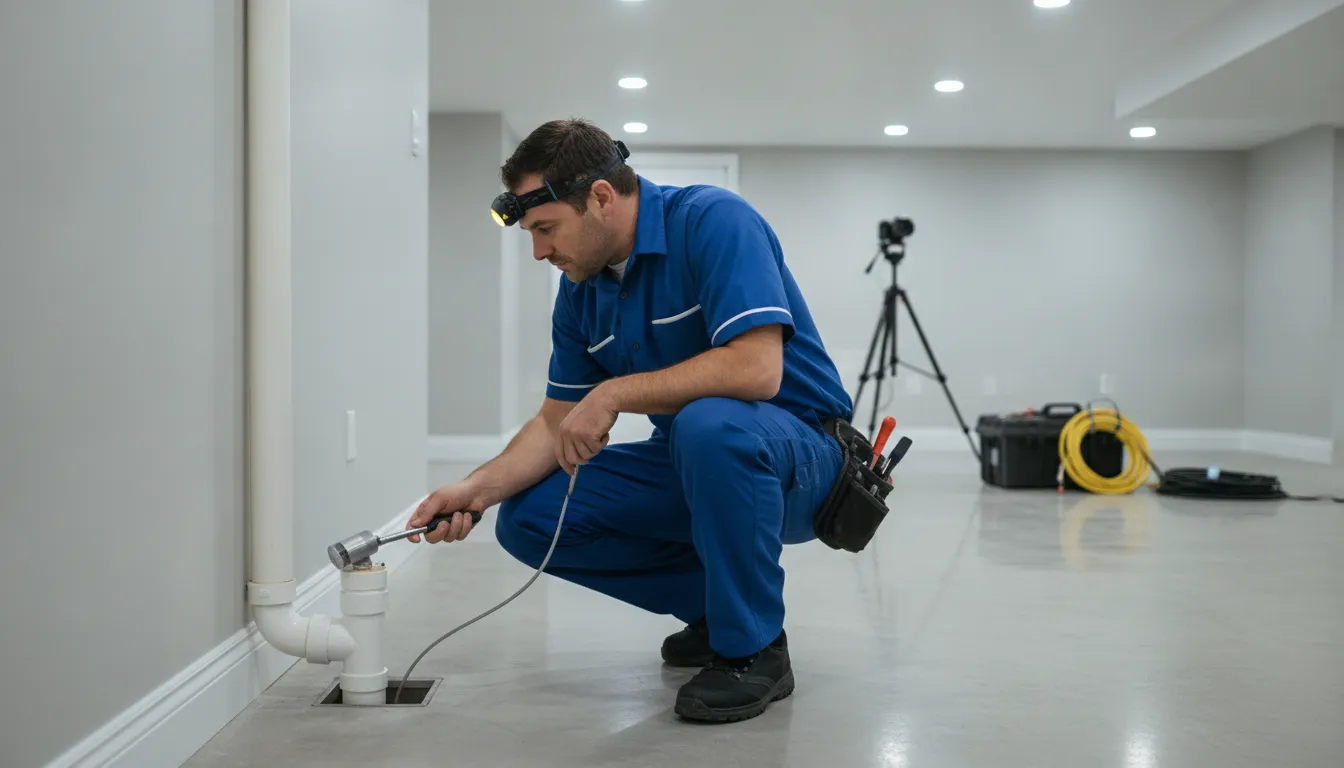


Here in Michigan, we know how to handle a winter storm, but is your home’s plumbing ready? Freezing temperatures put immense pressure on your pipes, and a sudden burst can lead to catastrophic water damage in minutes. When you’re facing a frozen pipe or a failed sump pump during a blizzard, you can’t afford to wait until morning. You need an immediate response from a professional you can trust. Having a reliable 24 hour plumber Birmingham MI on speed dial is not a luxury; it’s a necessity. This article will cover the essential steps for preventing and handling these cold-weather crises.
Key Takeaways
- Take immediate action in an emergency: First, identify if it’s a true emergency like a burst pipe or sewer backup. Then, your top priority is to shut off the main water valve to minimize damage before calling for help.
- Prevent disasters with simple maintenance: You can avoid many stressful emergencies by taking proactive steps. Insulating pipes for winter, testing your sump pump, and scheduling routine inspections will keep your system healthy.
- Vet your plumber before you’re in a panic: Look for a licensed, insured professional with clear pricing and great local reviews. Having a trusted 24/7 plumber’s number ready saves you from making a frantic decision later.
What Is a 24-Hour Emergency Plumber?
Let’s be honest, plumbing disasters rarely happen at a convenient time. They seem to have a knack for showing up on weekends, holidays, or in the middle of the night. A 24-hour emergency plumber is a professional who is on call anytime, day or night, to handle those urgent problems that simply can’t wait. Think of them as the first responders for your home’s plumbing system. When you’re facing a crisis, you need someone who can get there fast and get the job done right, no matter the hour.
Unlike a standard appointment, an emergency call is all about speed and efficiency. These plumbers are prepared to tackle the worst-case scenarios immediately. This immediate availability is crucial for preventing a small issue from turning into a full-blown catastrophe. While emergency plumbing services have different rates for after-hours calls, the cost of a quick repair is almost always less than the price of fixing extensive water damage, dealing with mold remediation, or replacing ruined belongings. Having a trusted professional on speed dial provides peace of mind, knowing you’re prepared for whatever your pipes might throw at you.
Common Plumbing Emergencies
Some plumbing problems are minor annoyances, but others are true emergencies. The most common situations that require an immediate call include “burst pipes, overflowing toilets, and backed-up drains.” These issues can cause significant water damage to your floors, walls, and furniture in a very short amount of time. A frozen pipe in the middle of a Michigan winter, a failed sump pump during a heavy storm, or a sudden sewer backup are all scenarios that demand a rapid response.
These situations require immediate attention to protect your property and restore safety to your home. If you’re dealing with uncontrolled water, strange gurgling noises from your drains, or a complete loss of water pressure, it’s best to treat it as an emergency and call a professional right away.
Why 24/7 Availability Is Key
A plumbing emergency won’t wait until morning, and neither should your plumber. The most critical aspect of emergency service is 24/7 availability. A truly reliable plumber dispatches a technician 365 days a year, ensuring you get help when you need it most. Waiting even a few hours can mean the difference between a quick fix and a major renovation project. Water can seep into your home’s structure, leading to mold growth and costly structural repairs.
That’s why our team at Mr. Pipey is always ready to respond. We believe in a customer-first approach, which means being there for you during the most stressful moments. Quick action minimizes damage, saves you money on potential secondary repairs, and gets your life back to normal faster.
Plumbing Emergencies You Can’t Ignore
Some plumbing problems are minor annoyances, but others are full-blown emergencies that can’t wait. Knowing the difference can save you from extensive water damage, costly repairs, and a whole lot of stress. If you experience any of the following issues, it’s time to call for professional help right away. These situations can quickly escalate, and a fast response is key to protecting your home and family.
Burst and Frozen Pipes
During a Michigan winter, the threat of frozen pipes is very real. When water inside a pipe freezes, it expands, creating immense pressure that can cause the pipe to crack or burst. A burst pipe can release hundreds of gallons of water into your home, leading to severe structural damage, ruined belongings, and potential mold growth. These issues can cause major disruptions and lead to incredibly high repair costs. If you notice a lack of water from a faucet or suspect a pipe is frozen, it’s crucial to call for professional frozen pipe repair before it turns into a watery disaster.
Sewer Backups and Clogged Drains
There are few plumbing problems more unpleasant than a sewer backup. When a main sewer line is blocked, it can cause raw sewage to back up into your home through drains, toilets, and showers. This isn’t just a mess; it’s a serious health hazard that introduces harmful bacteria into your living space. A single clogged drain is one thing, but if you have multiple drains backing up, hear gurgling sounds from your toilets, or notice a foul odor, you likely have a main line clog. This is a true emergency that requires immediate, professional attention to clear the blockage and sanitize the affected areas.
Sump Pump Failures
Your sump pump is your first line of defense against basement flooding. It works quietly in the background, waiting to pump out groundwater during heavy rains or snowmelt. If it fails, your basement can flood in a matter of minutes, causing thousands of dollars in damage to your foundation, furnace, water heater, and personal belongings. Regular maintenance is important, but if a storm is rolling in and you discover your sump pump isn’t working, you have an emergency on your hands. Getting immediate sump pump services can prevent a catastrophic flood and protect your home’s lower level.
Overflowing Toilets
An overflowing toilet is a nightmare for any homeowner. While a simple clog can often be fixed with a plunger, a toilet that continues to overflow or won’t flush properly might signal a deeper problem in the drainpipe or sewer line. This can quickly lead to water damage on your floors and subfloors, creating a messy and unsanitary situation for your family. Because these problems can be so disruptive, it’s a relief to know that 24/7 service is available. Don’t let a malfunctioning toilet cause a major headache; prompt toilet repair can resolve the issue and restore peace to your household.
Backflow Issues
Backflow is a serious but often misunderstood plumbing emergency. It occurs when the flow of water in your pipes reverses, which can pull contaminated water from the ground, irrigation systems, or other sources into your clean drinking water supply. This contamination can introduce dangerous chemicals, pesticides, and bacteria, posing a significant health risk to your family. Issues with your home’s water pressure or a broken water main nearby can cause backflow. If you notice discolored water or a change in water pressure, it’s vital to call for professional backflow preventers repair and testing to ensure your water is safe to drink.
Your First Steps in a Plumbing Emergency
A plumbing emergency can feel overwhelming, but a few quick, calm actions can make a huge difference. Before you even pick up the phone, taking these initial steps can help protect your home from serious water damage. Think of it as first aid for your house. By knowing what to do in those first few minutes, you can keep a bad situation from getting much worse while you wait for professional help to arrive. Here’s your game plan.
Step 1: Shut Off the Water
Okay, this is the most important first step. Before you do anything else, you need to stop the flow of water. Find your home’s main water shut-off valve and turn it clockwise until it’s completely closed. This valve is often located in the basement, a utility closet, or near your water heater. If the problem is contained to a single fixture, like an overflowing toilet, you can use the smaller shut-off valve for that specific area. These are usually found on the wall or floor behind the fixture. Stopping the water source is your top priority to prevent further damage.
Step 2: Contain the Damage
With the water shut off, your next job is damage control. Grab every bucket, pot, and towel you can find to catch drips and soak up standing water. If the leak is significant, try to create a barrier to keep the water contained in one area. Move any furniture, rugs, electronics, or other valuables out of the affected zone to keep them safe and dry. The faster you can get the water up, the less chance there is for it to seep into your subfloors and drywall. This is especially critical with issues like a sump pump failure, where water can accumulate quickly.
Step 3: Attempt a Safe, Temporary Fix
If you feel confident and the situation seems manageable, you might be able to apply a temporary fix. For a very small leak in a pipe, for example, you could use plumber’s tape or epoxy putty to create a temporary seal. However, your safety is what matters most. Don’t attempt any repairs that seem complex, involve electrical components, or make you feel uncomfortable. A temporary patch is only meant to slow the leak until a professional arrives. If you have any doubt, it’s always best to wait for an expert. Your plumber would rather you be safe than risk injury or making the problem worse.
Step 4: Call a Professional Plumber
Once you’ve shut off the water and contained the immediate mess, it’s time to call for backup. Contact a professional plumber right away, even if you think you’ve stopped the leak. A temporary fix is just that, temporary, and there could be an underlying issue that needs an expert diagnosis. When you call, be ready to describe the problem clearly. For homeowners in Metro Detroit, having a reliable team on standby is key. Mr. Pipey offers emergency plumbing services 24/7 to handle these exact situations, ensuring you get fast, effective help when you need it most.
How to Choose a 24-Hour Plumber
When water is spraying from a pipe or your basement is flooding, your first instinct is to call the first plumber you find on Google. I get it. But taking just a few minutes to find the right professional can save you from a much bigger headache down the road. A plumbing emergency is stressful enough without adding an unreliable or overpriced technician to the mix. The best 24-hour plumbers are not just available; they are also qualified, transparent, and trusted by your community. Knowing what to look for ahead of time can help you make a clear-headed decision, even when you’re in a panic. Here are the key things to check before you hire an emergency plumber to ensure you get the help you need without any regrets.
Licensing and Insurance
First things first, never hire a plumber who isn’t licensed and insured. This is non-negotiable. A license proves they have the training and knowledge to meet state requirements, while insurance protects you and your home from any accidental damage. Think of it as your safety net. Reputable companies make this information easy to find and will happily provide it if you ask. At Mr. Pipey, we believe in complete transparency because we want you to feel confident in the person working in your home. Our team is fully licensed and insured, and we treat every client like family. Don’t be afraid to ask for credentials; a true professional will expect it.
Quick Response and 24/7 Service
When a company advertises 24/7 service, it should mean they are ready to act at any hour. A true emergency plumber won’t send your call to voicemail at 2 a.m. They should have a system in place to answer your call and dispatch a technician quickly. A company’s reputation often speaks volumes about its reliability. Look for a plumber with a proven track record of showing up promptly and getting the job done right. When your home is at risk, you need a team you can count on to be there when they say they will. That’s why having a go-to emergency plumbing service you trust is so important.
Upfront Pricing
The fear of a surprise bill is real, especially during an emergency. A trustworthy plumber will be transparent about their pricing from the start. While it’s hard to give a final quote over the phone without seeing the problem, they should be able to explain their rates, including any after-hours fees or service call charges. Some plumbers charge by the hour, while others may have a flat rate for specific jobs. Asking about the cost structure upfront helps you avoid sticker shock and ensures there are no hidden fees. A professional will walk you through the potential costs before starting any work.
Positive Local Reviews
What are your neighbors saying? Online reviews are an invaluable tool for vetting a plumber. Look for recent feedback on sites like Google and Yelp to get a sense of other customers’ experiences. Pay attention to comments about the plumber’s professionalism, communication, and ability to solve the problem effectively. Do they show up on time? Do they explain the issue clearly and clean up after themselves? Consistent positive reviews are a strong indicator that you’re dealing with a reliable company. When you find a plumber who consistently earns praise from your community, you can feel more confident making that call.
What Does an Emergency Plumber Cost?
When you’re dealing with a burst pipe or an overflowing toilet, the last thing you want to worry about is a surprise bill. Understanding how emergency plumbing costs are calculated can give you peace of mind and help you make a clear-headed decision when time is of the essence. While every situation is different, most pricing structures follow a similar pattern.
The cost of an emergency plumber depends on a few key things: the time of your call, the nature of the problem, and the plumber’s specific pricing model. A trustworthy professional will always be upfront about their rates, ensuring you have all the information you need before they begin work. Let’s walk through what you can expect to pay for a 24-hour plumber so you know exactly what to look for.
Standard vs. After-Hours Rates
The biggest factor in the cost of an emergency call is timing. Plumbers have standard business hours, and any service outside of that window, including nights, weekends, or holidays, will come at a premium. Generally, you can expect standard plumbing rates to fall between $75 and $150 per hour. For an emergency plumbing call, that rate often increases, typically ranging from $150 to $400 per hour. While this might seem steep, this after-hours rate covers the immediate availability of a skilled professional who can prevent thousands of dollars in water damage. Paying a higher hourly rate for a few hours is much better than paying for drywall replacement, new flooring, and mold remediation later.
Factors That Influence Cost
Beyond the time of day, several other elements will influence your final bill. A transparent plumber will always discuss these with you upfront. Most companies charge a service call fee, which is a minimum charge (usually between $50 and $200) for the plumber to come to your home and diagnose the problem. The complexity of the job itself is another major factor. A simple fix for an overflowing toilet will cost less than a major repair for a burst pipe that has flooded your basement. The specific parts and materials needed for the repair will also be added to the total cost. Your location can also play a role, as rates can vary slightly by neighborhood.
Available Discounts and Financing
Don’t hesitate to ask about your options when you call. While the priority is fixing the problem, a good company understands that budget is a real concern for homeowners. When you get a quote, ask if the initial service fee is waived or applied to the total repair cost if you decide to move forward with the work. Some companies may offer discounts for seniors or veterans, so it’s always worth inquiring. As a family-owned business, we pride ourselves on providing cost-effective solutions and transparent pricing. You can always contact us directly to get a clear explanation of our rates before we even start working.
How to Prevent Plumbing Emergencies
An ounce of prevention is worth a pound of cure, and that’s especially true for your home’s plumbing. While it’s great to know who to call when a pipe bursts, it’s even better to avoid that frantic, middle-of-the-night call altogether. Taking a few proactive steps can save you from the stress, mess, and expense of a full-blown plumbing emergency. Many of the most common disasters, from frozen pipes to flooded basements, can be stopped in their tracks with a little bit of foresight and maintenance. Think of it as protecting your investment and your peace of mind. By paying attention to your pipes, drains, and appliances, you can keep your plumbing system running smoothly for years to come. Here are a few key areas to focus on to keep your home safe and dry.
Insulate Your Pipes
Living in Michigan, we all know how harsh our winters can be. Those freezing temperatures are tough on your home’s plumbing. Insulating your pipes is one of the most effective ways to prevent them from freezing, which is a common cause of plumbing emergencies. When water freezes inside a pipe, it expands and can cause the pipe to crack or burst, leading to serious water damage. Take some time to inspect pipes in unheated areas like your basement, crawl space, or garage. This small, inexpensive step can save you from a major headache and costly frozen pipe repair down the road.
Maintain Your Sump Pump
Your sump pump is your first line of defense against a flooded basement, but it only works if it’s ready to go when you need it. Regular maintenance of your sump pump is crucial to ensure it functions properly during heavy rains or flooding. Before a big storm is in the forecast, it’s a good idea to test it. Simply pour a bucket of water into the sump pit to make sure the pump turns on, removes the water, and shuts off correctly. You should also keep the pit clear of any dirt or debris that could clog the pump. For complete peace of mind, consider professional sump pump services to keep your system in top condition.
Schedule Routine Inspections
You take your car for regular tune-ups, so why not do the same for your home’s plumbing? Scheduling routine inspections can help identify potential plumbing issues before they become emergencies, saving you time and money. A professional plumber can spot the subtle signs of trouble that you might miss, like minor corrosion on pipes, hidden leaks, or incorrect water pressure. Catching these problems early is almost always less expensive and less disruptive than dealing with the aftermath of a system failure. A quick inspection can give you a clear picture of your plumbing’s health and help you plan for any needed repairs before they become urgent. You can contact us to schedule a check-up for your home.
Related Articles
Frequently Asked Questions
What really counts as a plumbing emergency? A good rule of thumb is to consider any issue that poses an immediate risk to your property or health an emergency. This includes any kind of uncontrolled water flow, like a burst pipe, a sewer line backing up into your home, or a failed sump pump during a storm. If a problem can cause significant water damage in a short amount of time or introduces unsanitary conditions, it’s best to treat it as an emergency and call for help right away.
My leak seems small. Is it okay to wait until morning to call? Even a small, slow leak can cause serious problems over time. Water can seep into your walls, floors, and foundation, leading to mold growth and structural damage that is far more expensive to fix than the initial leak. While it might be tempting to wait, a small drip can also be a sign of a much larger issue, like a pipe that is about to burst. It’s always safer and more cost-effective in the long run to address any leak as soon as you notice it.
I can’t find my main water shut-off valve. What should I do? First, don’t panic. In most homes, the main shut-off valve is located where the main water line enters the house, which is typically in the basement, a crawl space, or a utility closet near the front of your home. It usually has a round wheel handle or a lever. If you still can’t find it, or if it’s stuck, focus on containing the water with buckets and towels. When you call us, let us know you couldn’t turn off the water, and we can walk you through it or make it our first priority upon arrival.
Why does emergency plumbing cost more than a standard appointment? The higher rate for after-hours service covers the cost of having a skilled, licensed plumber on standby 24/7, including nights, weekends, and holidays. It ensures we can get a professional to your door quickly, no matter the time. Think of it as paying for immediate availability. This rapid response is crucial for preventing a small problem from turning into a catastrophe, and the cost of an emergency call is almost always less than the cost of extensive water damage repairs.
What’s the most important thing I can do to prevent a plumbing emergency? Regular attention is the best way to prevent most plumbing disasters. If I had to pick just one thing, it would be to get familiar with your home’s plumbing system. Know where your pipes are, especially those in unheated areas that need insulation for winter. Test your sump pump before the rainy season, and pay attention to any changes in water pressure or strange noises from your drains. A little bit of preventative maintenance and awareness can save you from a lot of future stress and expense.