
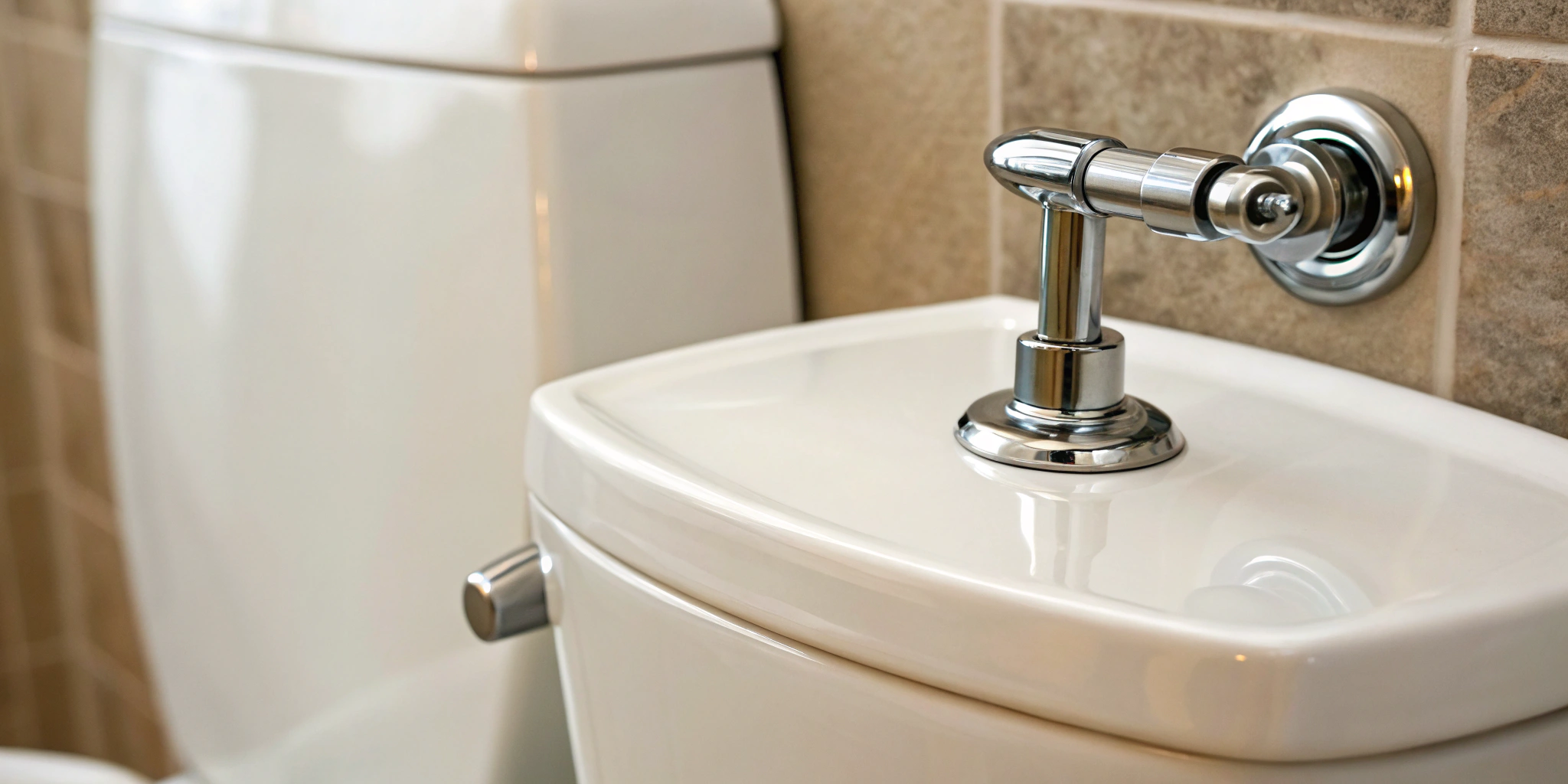
You’ve probably used one in a hotel or a newly renovated home: a toilet with a button on top instead of a handle on the side. While it looks cleaner and more modern, have you ever wondered what’s happening inside the tank? That button is connected to a toilet push button flush valve, a system that completely changes how a toilet works. Instead of a lever pulling a chain that lifts a flapper, this mechanism uses a direct connection—often a cable or air pressure—to lift the seal. This direct action provides a more consistent and powerful flush every time, with fewer moving parts that can break or get misaligned.
Key Takeaways
- Push Buttons Offer More Than Just a Modern Look: Beyond aesthetics, these systems save significant water with dual-flush options, are more hygienic, and often prove more reliable than traditional lever-and-chain mechanisms.
- Match the Mechanism to Your Toilet: Choosing the right flush valve involves more than just the button style; consider whether you need a single or dual-flush, a cable or pneumatic system, and a universal or brand-specific part for the best performance.
- DIY is Possible, Professional Help is Smart: While you can troubleshoot and replace simple parts, a professional installation guarantees a leak-free fit and proper function, saving you from potential water damage and future repairs.
What Is a Push Button Flush Valve?
If you’ve recently updated your bathroom or stayed in a modern hotel, you’ve probably seen a toilet with a sleek button on top of the tank instead of the classic side lever. That button is the visible part of a push button flush valve, a system that’s quickly becoming the new standard for toilets in homes across Metro Detroit. But it’s more than just a style upgrade. A push button flush valve is the engine inside your toilet tank that controls how water is released into the bowl.
Unlike traditional flappers and chains that can easily break or get tangled, push button systems are designed for reliability and efficiency. They provide a consistent, powerful flush every time you press the button. The biggest advantage for many homeowners is the water-saving capability. Most push button toilets feature a dual-flush system, which gives you two options: a light flush for liquid waste and a full flush for solid waste. A toilet with this feature offers two different water levels, which will ultimately save you money on your water bill. It’s a simple change that makes a big difference for both your wallet and the environment.
How Does a Push Button Flush Work?
So, what exactly happens when you press that button? It’s actually a pretty straightforward process. Instead of a lever that pulls a chain attached to a rubber flapper, a push button uses a more direct connection. When you press the button, it activates either a cable or a pneumatic (air-powered) tube. This action lifts the flush valve seal at the bottom of the tank, allowing a specific amount of water to rush into the bowl and create the flush.
This modern mechanism is not only more reliable but also easier to maintain. The flush mechanism is simpler to keep clean and doesn’t collect germs as much as a lever might. Because there are fewer moving parts to get tangled or misaligned, you’ll likely face fewer issues like a constantly running toilet. If you ever do run into trouble, the team at Mr. Pipey is always ready to help with any toilet repairs or replacements.
Dual Flush vs. Single Flush: What’s the Difference?
When you’re looking at push button toilets, you’ll see two main options: single flush and dual flush. A single-flush system has one button that releases the same amount of water with every flush. It’s simple and effective, but it’s not the most efficient option.
A dual-flush system, on the other hand, is designed for advanced water efficiency. These toilets have a two-part button—a smaller one for liquid waste (using less water) and a larger one for solid waste (using a full flush). By choosing the right flush for the job, you can significantly reduce your household’s water consumption. This is a huge plus for anyone looking to lower their utility bills and make their home a little greener.
A Look Inside: The Key Parts
While it might seem complex, a push button flush system is made up of just a few key components working together. First, you have the button assembly, or actuator, which is the part you see and press on the tank lid. This is connected by a cable or an air tube to the flush valve, a canister-like device that sits at the bottom of the tank. When the button is pressed, it lifts the seal on this valve.
A dual flushing toilet has a dual flush valve with two settings: one for the smaller flush button for liquid wastes and one for the bigger flush button for solid wastes. Finally, there’s the fill valve, which is the mechanism that refills the tank with water after each flush. Understanding these parts can help you identify problems if they arise, but you can always count on Mr. Pipey to handle all your plumbing service needs.
Why Choose a Push Button Flush Over a Lever?
When you think of a toilet, the classic side lever probably comes to mind. It’s been the standard for decades, but times are changing, and for good reason. Push button flush systems are becoming more and more popular in homes across Metro Detroit, and it’s not just about looks. While they do offer a clean, modern aesthetic, the real benefits go much deeper, touching on everything from your water bill to your cleaning routine.
Choosing a push button flush is a small upgrade that can make a big difference in your daily life. These systems are designed for efficiency, giving you more control over water usage with every flush. They are also engineered for simplicity, often with fewer internal parts that can break or wear out over time compared to traditional lever-and-chain mechanisms. If you’re considering a new toilet or just want to update your current one, understanding the advantages of a push button system can help you make a smart, practical choice for your home. From saving money to simplifying maintenance, let’s explore why so many homeowners are making the switch.
Save Water and Lower Your Bills
One of the biggest wins with a push button toilet is its impact on your water consumption and, consequently, your utility bills. Most push button systems feature a dual-flush mechanism, giving you two options: a half flush for liquid waste and a full flush for solid waste. This simple choice puts you in control of how much water you use. As one expert notes, “A toilet with a push flush feature usually offers two different water levels, which will ultimately save you money at the end of the day.” Over the course of a year, those water savings really add up, making it an eco-friendly and budget-conscious choice for any household.
Get a Sleek, Modern Look
Let’s be honest—aesthetics matter. If you’re aiming for an updated and polished look in your bathroom, a push button flush delivers. “Push-button toilets are known for their modern and sleek design,” often integrated directly into the top of the tank lid. This creates a streamlined, uncluttered appearance that complements contemporary and minimalist decor perfectly. It’s a subtle detail, but swapping out a clunky side lever for a chic push button can instantly make an older toilet feel more current. It’s an easy way to add a touch of modern elegance to your space without committing to a full bathroom renovation.
Enjoy Easier Cleaning and Better Hygiene
Anything that makes cleaning the bathroom easier is a plus, and push button flushes definitely help. Traditional levers have joints and crevices that can collect dust, grime, and germs, making them tricky to wipe down thoroughly. In contrast, a push button is typically a smooth, contained unit on a flat surface. As plumbing pros point out, “The flush mechanism is easier to keep clean and doesn’t collect germs as much as a lever might.” This simple design not only looks cleaner but is genuinely more hygienic, reducing the number of places where bacteria can hide and making your weekly cleaning routine just a little bit faster.
Count on Long-Lasting, Low-Maintenance Performance
A toilet that works reliably is something we all take for granted—until it doesn’t. Push button systems are often more durable than their lever-based counterparts because they have a more direct flushing mechanism. Traditional levers rely on a chain that can stretch, tangle, or disconnect, leading to common issues like a constantly running toilet. Push buttons, especially those with a cable-operated system, have fewer moving parts prone to failure. This means you’ll likely spend less time troubleshooting problems and more time enjoying a toilet that just works. And if you ever do run into issues, a professional toilet repair and replacement service can get things running smoothly again.
What Are the Different Types of Push Button Flushes?
When you start looking at push button flushes, you’ll quickly realize they aren’t all created equal. From the button’s placement to the technology inside the tank, there are several variations to consider. Understanding these differences is key to choosing the right system for your bathroom, whether you’re upgrading for style, aiming for better water efficiency, or simply need a replacement. The type of flush mechanism you choose can affect everything from your home’s water consumption to the overall aesthetic of your space.
Some systems are designed for sleek, modern bathrooms, while others are built for pure, simple function. You’ll find options that are cable-operated, using a direct mechanical pull, and others that are pneumatic, using a puff of air to start the flush. The choices can feel a bit overwhelming, but breaking them down makes it much easier to find the perfect fit. For example, a dual-flush model can significantly cut down on your water bill, while a pneumatic button offers more flexibility in where you can place it. Knowing these details helps you make an informed choice that matches your needs and your bathroom’s design. If you’re ever unsure about what your toilet needs, a professional can help you identify the right parts for a successful toilet repair or replacement. Let’s walk through the main types so you can feel confident in your decision.
Top, Side, or Front-Mount: Where Does the Button Go?
The most common style you’ll see is the top-mount push button, which sits right on the lid of the toilet tank. This placement offers a clean, minimalist look that works well in modern bathrooms. You’ll also find side-mount buttons, which are a great option if you’re replacing a traditional lever-style handle without wanting to replace the entire toilet. They fit into the same hole on the side of the tank, making for an easy swap. Finally, front-mount buttons are typically found on commercial toilets or pressure-assisted models where the tank design requires it. The placement is a small detail, but it can make a big difference in both the look and accessibility of your toilet.
Pneumatic vs. Cable-Operated Systems
Behind the button, there are two main technologies that make the flush happen: pneumatic and cable-operated systems. A cable-operated system is the most straightforward; it uses a physical cable to connect the button to the flush valve. When you press the button, it pulls the cable and lifts the flapper, just like a traditional chain. Pneumatic systems are a bit more advanced, using air pressure to activate the flush. Pushing the button sends a burst of air through a small tube, which triggers the valve. This technology allows for more design flexibility, as the button doesn’t need to be directly attached to the tank and can even be placed on a nearby wall for ultimate convenience.
Single Flush or Dual Flush: Which Do You Need?
One of the biggest decisions you’ll make is between a single flush and a dual flush system. A single flush toilet has one button that releases the same amount of water with every flush. It’s simple and effective. A dual flushing toilet, on the other hand, gives you two options: one smaller button for liquid waste and a larger one for solid waste. This simple feature can make a huge impact on your water usage, as you’re only using the water you actually need. Over time, the water savings from a dual flush system can lead to noticeably lower utility bills, making it a smart and eco-friendly choice for any Metro Detroit home.
Universal vs. Brand-Specific: Will It Fit Your Toilet?
When it’s time to replace a flush valve, you’ll need to decide between a universal kit and a brand-specific part. Universal kits, often made by companies like Fluidmaster, are designed to fit a wide variety of toilet models. They’re a convenient and often cost-effective option for a quick fix. However, for the best performance and a guaranteed fit, a brand-specific part made by your toilet’s manufacturer (like Kohler or American Standard) is usually the way to go. Before you buy anything, it’s a good idea to check your toilet’s model number to ensure compatibility. If you’re not sure which part to choose, you can always contact us for advice.
What to Look For in Quality and Adjustability
Not all flush mechanisms are built to last. When choosing a new push button system, look for one made from durable, corrosion-resistant materials like high-quality plastics or stainless steel. Another key feature is adjustability. A good flush valve will let you fine-tune the amount of water used for both the full and partial flush, helping you maximize water savings. And don’t forget about hygiene—a smooth push button surface is much easier to wipe clean and collects fewer germs than a traditional lever. Investing in a quality, adjustable mechanism will ensure your toilet performs reliably for years to come, saving you from future headaches and repairs.
Which Brands Make the Best Push Button Flushes?
When it comes to plumbing fixtures, the brand you choose really does make a difference. A high-quality push button flush valve isn’t just about looks; it’s about reliable performance, water efficiency, and saving you from future headaches. A well-made valve will provide a consistent, powerful flush for years, while a cheaper alternative might lead to leaks, weak flushes, or a toilet that constantly runs. Investing in a trusted brand means you’re getting a product that has been engineered for durability and effectiveness.
At Mr. Pipey, we’ve worked with countless brands over the years, so we know which ones stand up to daily use and which ones fall short. The right brand for you will depend on your specific toilet model, your budget, and whether you prioritize features like water savings or powerful performance. To help you make the best choice for your home, we’ve put together a list of the industry leaders known for making top-tier push button flush systems. These are the brands we consistently trust to deliver quality and keep our customers happy.
Our Top Picks at Mr. Pipey
After years of handling toilet repair and replacement across Metro Detroit, we’ve developed a keen eye for quality. We know which parts last and which ones will have you calling for another repair sooner than you’d like. That’s why we stick to a handful of trusted brands that consistently deliver on performance and reliability. Whether you’re tackling a DIY project or looking for the best parts for a professional installation, these are the names you can count on for a dependable push button flush.
Kohler: Reliable and Efficient
You’ve probably heard of Kohler, and for good reason. They’re a household name in plumbing because they build products that last. Kohler’s push button flush valves are designed for exceptional reliability and efficiency, giving you a powerful flush while also conserving water. Their commitment to quality engineering means you get consistent performance every time you push the button. For homeowners looking for a dependable, long-term solution from a brand with a stellar reputation, Kohler is always a top choice.
American Standard: Powerful Flushing Technology
If you’re tired of dealing with clogs, American Standard is a brand to consider. They are known for their powerful flushing technology, which is engineered to provide a strong, effective flush that helps keep your toilet bowl clean and clear. This focus on performance makes their components a favorite for anyone seeking a low-maintenance, high-power solution. With American Standard, you can count on durability and a flush that gets the job done right the first time, reducing the chances of blockages.
Toto: Innovative and High-Performing
If you love sleek, modern design and smart technology, Toto is a brand you’ll want to check out. They are recognized for their innovative and high-performing toilet systems that blend style with function. Toto’s flush valves are designed to optimize water flow, delivering an effective flush while using less water. Their dedication to advanced technology and sustainability makes them a popular choice for contemporary bathrooms. With Toto, you get a product that not only performs beautifully but also helps you conserve water.
Fluidmaster: The Go-To for Universal Replacements
If you’re planning a DIY repair, Fluidmaster is your best friend. They specialize in universal replacement parts that are designed to fit a wide range of toilets, including popular models from Kohler, Toto, and American Standard. Their flush valves are known for being easy to install and incredibly reliable, which is why they’re a top pick for both homeowners and plumbers. If you need a quick and dependable fix, Fluidmaster makes it simple. And if you start the project and find you need a hand, you can always contact Mr. Pipey for help.
How to Troubleshoot Common Push Button Problems
Even the most reliable push button flush can run into issues. The good news is that many common problems are easy to diagnose and fix yourself. From a button that won’t press to a toilet that won’t stop running, a little troubleshooting can go a long way. Before you start, it’s always a good idea to turn off the water supply to the toilet using the small valve on the wall behind it. This will prevent any accidental messes while you work. If you ever feel out of your depth, remember that our team is always here to help with professional toilet repair and replacement.
Is Your Button Sticking or Unresponsive?
When you press the flush button and nothing happens, it can be frustrating. If the button feels stuck, stiff, or completely unresponsive, the issue could be as simple as the mechanism needing a good cleaning or adjustment. Sometimes, the rods connecting the button to the flush valve just need to be re-aligned. However, if you press the button and hear no water movement at all, it might point to a more significant problem inside the tank. A broken flush valve or fill valve could be the culprit, preventing the toilet from flushing correctly.
How to Fix a Weak Flush or Running Toilet
A toilet that constantly runs is more than just an annoying sound—it’s a major water waster that can drive up your utility bills. This issue is often caused by a faulty part inside the tank. The most common reasons for a running toilet are a broken flush valve that isn’t sealing properly or a leaky fill valve that continuously lets water in. Similarly, a weak flush that doesn’t clear the bowl can be caused by a low water level in the tank or a flush valve that isn’t lifting the flapper high enough for a full flush.
Solving Leaks and Tank-Filling Issues
Discovering a puddle of water around the base of your toilet is never a welcome sight. If you spot a leak, it’s important to act quickly to prevent water damage. A leak coming from the back of the toilet often means the washer or gasket at the bottom of the fill valve has worn out and needs to be replaced. If your tank is filling very slowly or not at all, the fill valve itself might be clogged with sediment or simply broken. For any sudden or major leaks, don’t hesitate to call for emergency plumbing services.
Your Step-by-Step Troubleshooting Checklist
Ready to figure out what’s going on inside your toilet tank? Here’s a simple checklist to guide you through the process:
- Turn Off the Water: Before doing anything else, find the shut-off valve behind your toilet and turn it clockwise to stop the water flow.
- Remove the Tank Lid: Carefully lift the lid off the tank and set it aside somewhere safe.
- Inspect the Components: Look inside. Do you see any cracked or broken parts? Check the flush valve and the fill valve for visible damage.
- Check the Water Level: Is the water level too low? It should be about an inch below the top of the overflow pipe.
- Test the Seal: Press down on the flapper or seal at the bottom of the tank. If the running water stops, you’ve found your problem—the seal needs replacing.
Repair or Replace? How to Decide
Once you’ve identified the problem, you need to decide whether to repair the part or replace it. For small, inexpensive components like a flapper or a seal, a simple replacement is usually the best and easiest solution. However, if you find that a major component like the flush valve assembly is cracked or broken, you’ll need to replace the entire unit. If your toilet is older and you find yourself making frequent repairs, it might be more cost-effective in the long run to invest in a complete toilet repair or replacement.
A Simple Guide to Installing a New Flush Valve
If you’ve determined you need a new flush valve and you’re comfortable with a little DIY, here’s a basic overview of the installation process. First, make sure the tank is completely empty. You’ll need to unscrew the nuts holding the tank to the bowl to remove it. Once the tank is off, you can unscrew the old flush valve and remove it. To install the new one, slide the new seal onto the bottom of the unit, place it into the hole from inside the tank, and tighten the nut on the outside. Always follow the specific instructions included with your new part, and if you run into trouble, it’s best to contact a professional.
Where to Find a Quality Push Button Flush in Metro Detroit
Once you’ve decided to upgrade or replace your toilet’s flush mechanism, the next step is finding the right parts. In Metro Detroit, you have several options, from professional supply houses to online retailers. Knowing where to look can make all the difference in finding a durable, high-quality push button flush that fits your toilet and your needs. Here’s a breakdown of where to find the best parts and when to call in a pro for help.
Where the Pros Go for Parts
When we need parts for a toilet repair or replacement, we don’t just grab the first thing off the shelf at a big-box store. Professionals source parts from dedicated plumbing supply houses. These suppliers stock professional-grade components that are built to last, offering better reliability and performance than many consumer-grade options. We look for parts that provide real value, like dual-flush buttons that offer different water levels. This feature ultimately saves you money on your water bill, which is why it’s a popular choice for homeowners looking for efficiency and long-term savings. When you want a part that a pro would trust, a specialty plumbing supplier is the place to go.
A Look at Local Plumbing Supply Stores
For homeowners, visiting a local plumbing supply store can be a huge advantage. While you can find basic kits at large hardware chains, plumbing supply stores offer a wider selection and, more importantly, expert advice. The staff at these stores work with plumbers every day and can help you find the exact part you need for your specific toilet model. They can also explain the benefits of different systems. For example, they can show you how a push button flush is often easier to keep clean and doesn’t collect germs like a traditional lever might. Tapping into this local expertise ensures you walk away with the right part the first time.
Tips for Buying Online
Shopping online offers endless options, but it’s important to be a savvy buyer. Before you click “add to cart,” make sure the push button flush valve is compatible with your toilet’s make and model. Check the product specifications and read customer reviews carefully to gauge the quality and ease of installation. Look for features that highlight advanced water efficiency, as many button-activated toilets are designed to maximize water conservation. Buying from reputable online retailers or directly from the manufacturer’s website can help you avoid counterfeit or low-quality parts. And if you end up with a part you’re not sure how to install, our team can handle any plumbing project, big or small.
DIY Installation vs. Calling Mr. Pipey for Help
A toilet repair might seem like a straightforward DIY project, but it can quickly turn into a frustrating ordeal. An incorrect installation can lead to a weak flush, constant running, or worse, a leak that causes water damage. While you might save a little money on the installation, a single mistake could cost you much more in the long run. Calling Mr. Pipey ensures the job is done right. We’ll make sure your new push button flush is installed perfectly for a more hygienic and reliable performance. If you want to skip the hassle and get peace of mind, give us a call. We’re here to help.
Frequently Asked Questions
Can I just replace my old toilet lever with a push button? In many cases, yes. You can find conversion kits that allow you to swap out a traditional side lever for a push button mechanism. These kits often include a side-mount button that fits into the existing hole in your tank. However, the success of the swap depends on your specific toilet model. For the best performance, it’s important to ensure the new flush valve is compatible with your toilet’s design.
Is a dual-flush system really going to save me that much money? It absolutely can. While it might seem like a small change, the water savings add up significantly over time. Think about how many times your toilet is flushed for liquid waste versus solid waste. By using only the necessary amount of water for each flush, a typical family can reduce their toilet’s water use by a large margin. This translates directly to lower water bills month after month, making it a smart investment for your home.
My push button is working, but the flush seems weak. What’s the problem? A weak flush is usually caused by one of two things inside the tank. The most common issue is that the water level is too low. The water should be about an inch below the top of the overflow pipe to provide enough force for a strong flush. The other possibility is that the flush valve isn’t lifting high enough or staying open long enough. This could be a simple adjustment or a sign that the valve itself is wearing out and needs to be replaced.
Are push button toilets more difficult or expensive to repair than lever ones? Not necessarily. While the internal parts look different, the repair principles are very similar. The components themselves are generally affordable and widely available. Because these systems often have fewer moving parts that can tangle or break, like the chains in older toilets, you may find they actually require fewer repairs over their lifespan. For a professional, fixing a push button flush is just as routine as fixing a lever.
How do I know which replacement part is right for my toilet? The best way to ensure you get the right part is to identify your toilet’s make and model number, which is usually stamped inside the tank or on the back of the bowl. With that information, you can find a brand-specific replacement part for a perfect fit. Universal kits are a great option for many common models, but checking compatibility first is key. If you feel unsure, taking a few photos of the inside of your tank before heading to the store or calling a professional can save you a lot of guesswork.