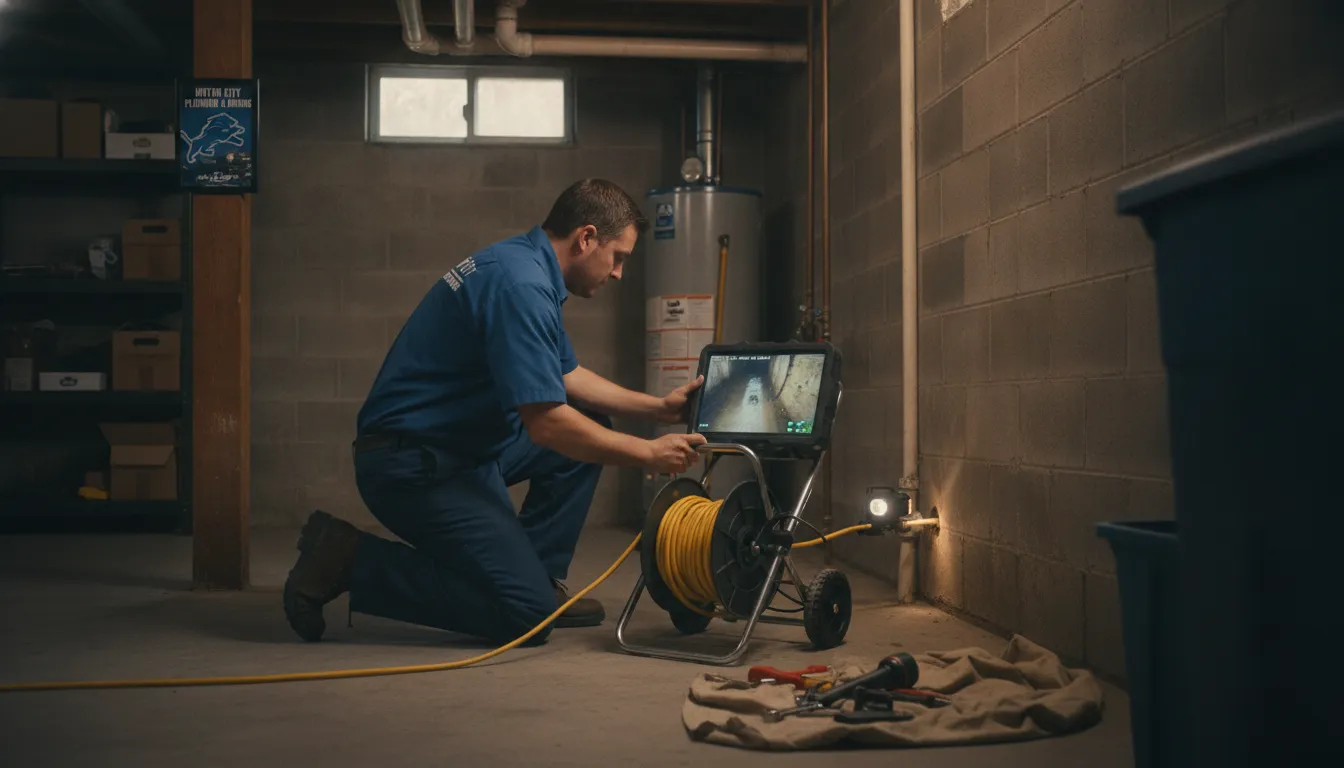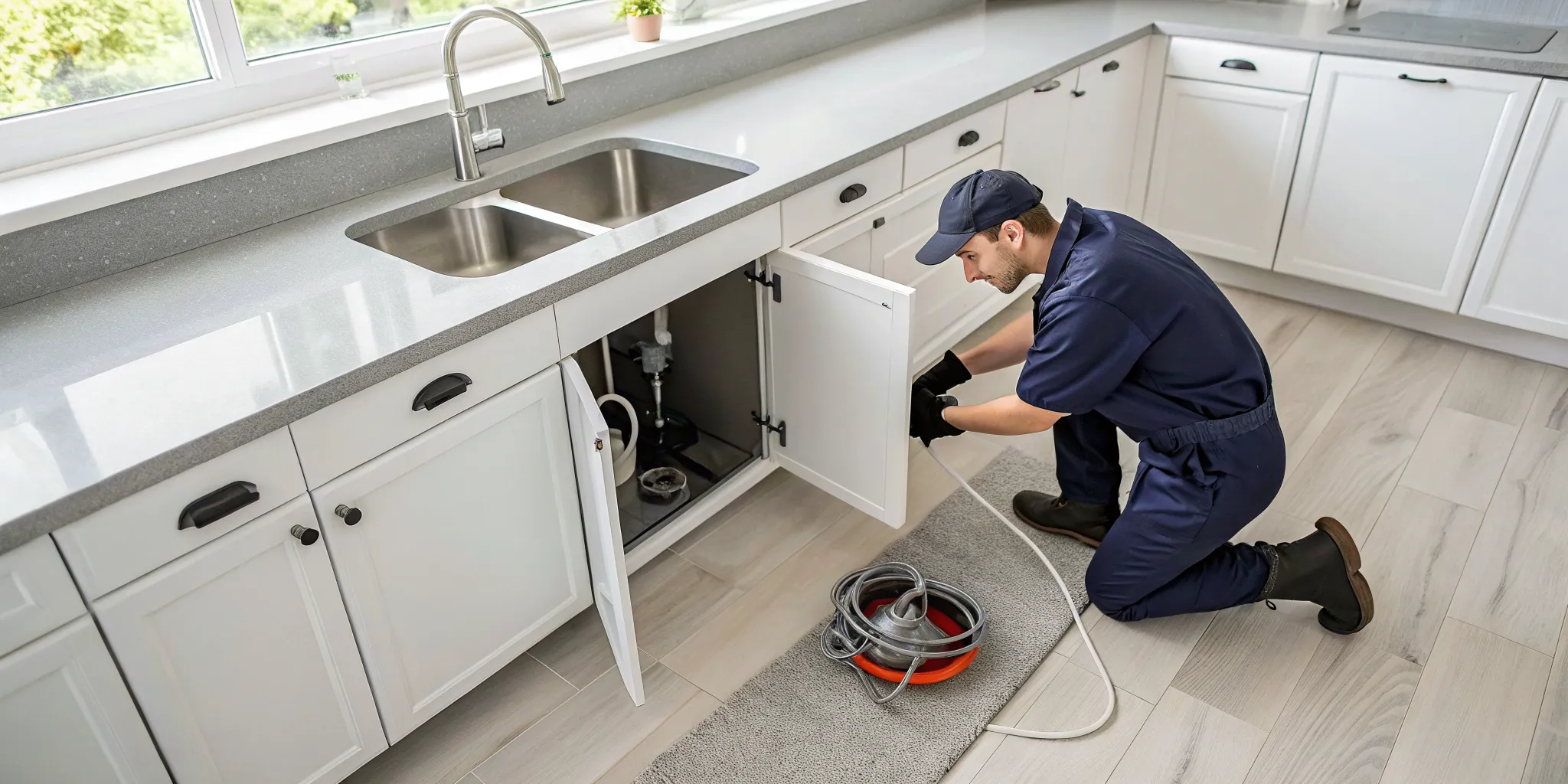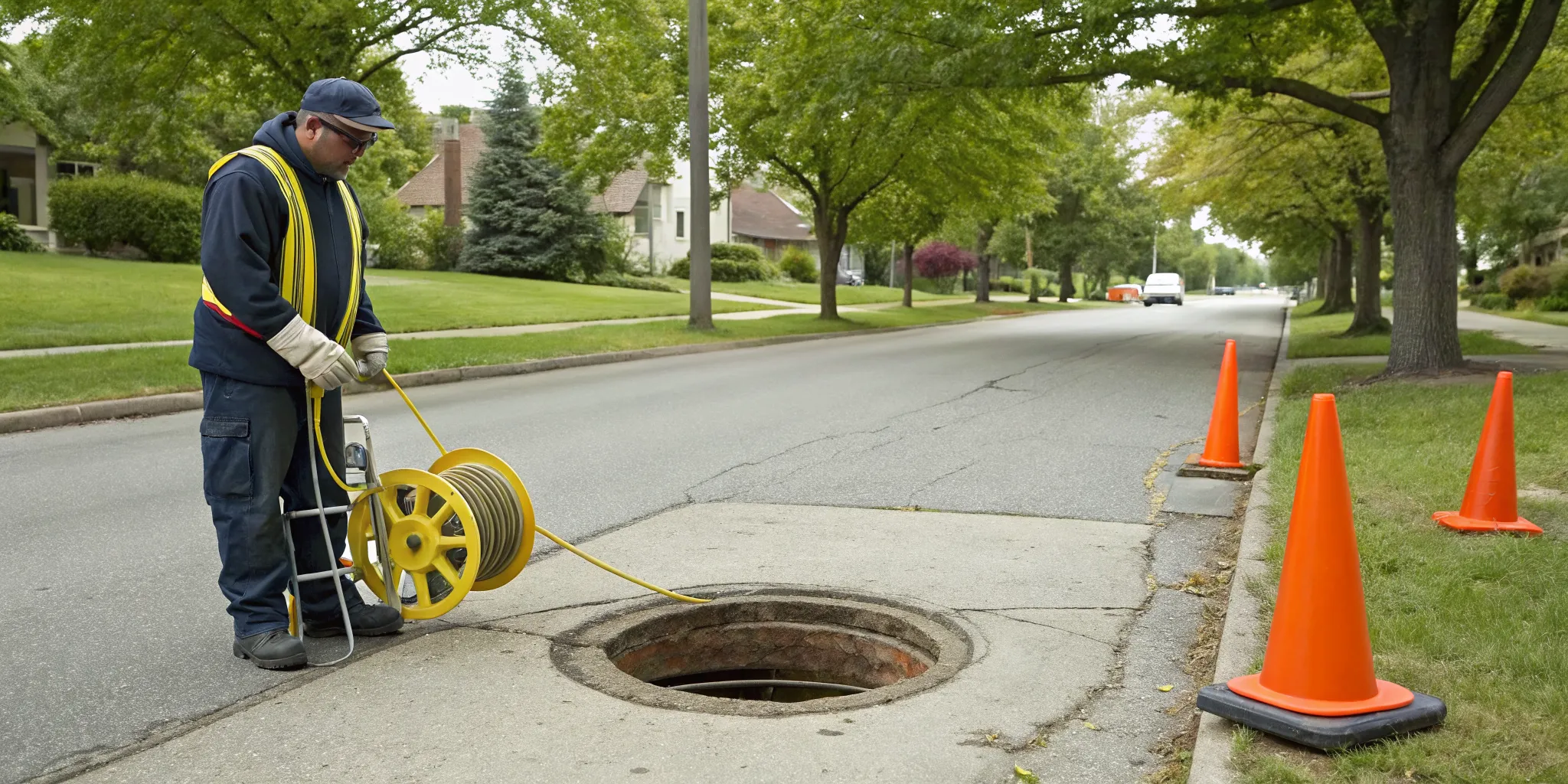

If a notice from the City of Northville about a required plumbing test landed in your mailbox, you’re probably wondering what it’s all about. Don’t worry, it’s a common requirement for many homeowners and businesses with systems like sprinklers or pools. Essentially, it’s a routine safety check to ensure your drinking water stays clean and free from contaminants. The city’s Cross-Connection Control Program is in place to protect our entire community’s water supply from accidental pollution. Understanding your role is the first step. This guide will walk you through everything you need to know about backflow testing Northville MI, from why it’s required to what you can expect during the appointment, making the process simple and stress-free.
Key Takeaways
- Know if you need an annual test: Northville requires yearly backflow testing for properties with potential cross-connections, such as irrigation systems or pools, to comply with water safety regulations.
- Prepare for a quick and easy process: The inspection is convenient and you often don’t need to be present; just ensure the technician can access the device, its water supply is on, and you have your city notice handy.
- Hire a qualified professional for testing and repairs: Your test must be done by an ASSE-certified technician, and any repairs require a licensed plumber. A failed test doesn’t always mean a replacement, as a good pro will check for simple fixes first.
What is Backflow Testing and Why Does it Matter?
Let’s start with the basics. Backflow testing is a routine safety check for your plumbing system. Its main job is to make sure that dirty water doesn’t flow backward into your clean, potable water supply. Think of it as a check-up for the gatekeeper of your water system, a special valve called a backflow preventer. This test is critical for protecting the health of your family, employees, and customers. When contaminated water gets into your drinking water, it can introduce harmful bacteria, chemicals, and other pollutants into your pipes, posing serious health risks.
For many property owners, especially businesses, regular backflow testing isn’t just a good idea; it’s often a legal requirement to maintain public water safety. A certified professional performs the test by assessing your backflow prevention device to ensure it’s working correctly. If the device fails, it needs to be repaired or replaced to keep your water safe and your property compliant. At Mr. Pipey, we handle professional backflow preventer repair and testing to give you complete peace of mind.
How Backflow Happens
Backflow occurs when the water pressure in your pipes changes unexpectedly, causing water to flow in the wrong direction. This can happen in two ways: back-siphonage, which is caused by a sudden drop in pressure in the city’s water main (like from a water main break or firefighting efforts), or back-pressure, which happens when your property’s plumbing system has higher pressure than the municipal supply. This reversal can pull contaminated water from sources like irrigation systems, boilers, or even a garden hose left in a puddle into your clean drinking water lines. This is what the city of Northville calls a cross-connection, a point where your clean water could accidentally mix with dirty water.
The Dangers of Contaminated Water
The risks associated with backflow are significant, which is why your backflow preventer is one of the most important safety devices in your plumbing system. When contaminated water enters your drinking supply, it can carry everything from fertilizers and pesticides from a lawn sprinkler system to harmful bacteria from industrial equipment. Ingesting this water can lead to severe illness. A properly functioning backflow preventer is your main line of defense against this. If the device is leaking or has worn-out parts, it can fail an inspection and, more importantly, fail to protect you. Regular testing ensures this silent guardian is always on duty.
Northville’s Backflow Testing Rules: What You Need to Know
If you live in Northville, you’ve probably heard about the city’s focus on keeping our drinking water safe. It’s a community-wide effort, and a big part of it involves something called backflow testing. The city has specific rules in place to prevent water contamination, and understanding them is the first step to making sure your home or business is compliant. It might sound complicated, but it’s pretty straightforward once you know the basics. These regulations are designed to protect everyone, ensuring the water coming from your tap is clean and safe. Let’s walk through exactly what Northville requires.
About the Cross-Connection Control Program
The City of Northville has a Cross Connection Control Program to protect our public water supply. The main goal is simple: to prevent any contaminants from flowing backward into the clean drinking water system. This isn’t just a local suggestion; it’s a mandatory program required by state law to ensure water safety for the entire community. The program involves inspecting outdoor water connections at homes and businesses to identify and correct any potential risks. Think of it as a regular check-up for the water system to keep it healthy and free from pollution.
Who Needs a Backflow Test?
Under the Michigan Safe Drinking Water Act, anyone with a potential cross-connection point is required to have a backflow test. So, what does that mean for you? If you have an irrigation or sprinkler system, an in-ground swimming pool, or even certain types of hose bibs, you likely need a test. The law exists to prevent dirty water, like runoff from a lawn treated with fertilizers or chemicals, from siphoning back into your clean water lines. Our team provides expert backflow preventer repair and testing to ensure your system is working correctly and your water stays pure.
Which Connections Require Inspection?
Inspectors are looking for any point where non-potable (unclean) water could potentially mix with your drinking water. In Northville, this typically includes a few key areas around your property. The most common connections that require inspection are underground sprinkler systems, which are a primary concern. Other systems include swimming pools, hot tubs, and even some outdoor hose spigots (also called hose bibs). Essentially, any outdoor water connection that could create a cross-connection needs to be checked by a professional to make sure it has a functioning backflow prevention device installed.
What Happens if You Don’t Comply?
Staying compliant is important, and there are clear steps to follow if an issue is found. If an inspection reveals that your backflow preventer is missing, broken, or not up to code, you will be responsible for arranging the necessary repairs. The key thing to remember is that these repairs must be performed by a state-approved, licensed contractor. After the work is done, a follow-up inspection is required to confirm that the problem has been fixed correctly. If you find yourself needing repairs, you can always contact us for reliable service to get your system compliant quickly and correctly.
How Often is Backflow Testing Required in Northville?
Keeping track of your property’s maintenance schedule can feel like a lot, but when it comes to backflow testing, the rules in Northville are pretty straightforward. This isn’t a one-time task; it’s a recurring part of responsible property ownership that plays a huge role in keeping our community’s water safe. Think of it like a regular check-up for your plumbing system to ensure it’s always protecting you and your neighbors.
The main thing to remember is the annual requirement. However, certain situations might call for an extra test outside of your yearly schedule. Understanding these rules helps you stay compliant and avoid any unexpected issues or notices from the city. We’ll break down exactly what you need to know so you can handle your backflow preventer testing with confidence and keep everything running smoothly.
The Annual Testing Rule
In Northville, your backflow prevention device must be tested once every year. This annual rule is standard practice in most cities because these devices, like any mechanical part, can wear down over time. An annual inspection ensures your preventer is working correctly and ready to stop contaminated water from flowing back into the public supply.
The process is simple: a certified tester will perform the inspection, and the results are then submitted to the local water department. This creates an official record showing your property is compliant and your device is functioning properly. It’s a routine but essential step in protecting our shared water resources.
When to Schedule an Extra Test
Besides your yearly appointment, there are a few other times you’ll need to schedule a backflow test. The Michigan Plumbing Code requires an inspection anytime the device’s function might have been affected. This is to ensure it remains effective after any changes.
You should schedule an extra test if you have:
- Repaired your existing backflow preventer.
- Replaced the old device with a new one.
- Made significant changes or additions to your plumbing system.
Basically, if the device has been touched or the system it protects has been altered, it needs to be re-certified. If you’re ever unsure whether your recent plumbing work requires a new test, it’s always best to contact a professional and ask.
What to Expect During Your Backflow Test
Knowing what happens during a backflow test can make the process feel much more straightforward. It’s a quick, non-invasive inspection that a certified professional can complete with minimal disruption to your day. The main goal is to make sure your backflow prevention device is working correctly to protect your water supply. At Mr. Pipey, we handle the entire process efficiently, so you can have peace of mind knowing your property is safe and compliant with Northville’s regulations. We’ll walk you through every step, from preparation to the final report.
Do You Need to Be Home for the Test?
One of the most convenient parts of backflow testing is that you typically don’t need to be home for the appointment. As long as our technician can access the backflow prevention device, which is usually located outside, we can complete the test without you needing to take time off work. The only requirement is that the water supply to the device is turned on before we arrive. This flexibility makes it easy to fit your annual test into a busy schedule. Just let us know where the device is located, and we’ll handle the rest. You can easily schedule your test with our team.
How to Prepare for Your Test
Preparing for your backflow test is simple and only takes a few minutes. First, make sure the water to your backflow preventer is turned on. For example, if the device is connected to your sprinkler system, the water valve for the system must be open. The sprinklers don’t need to be running, but our equipment needs to detect water pressure to perform the test accurately. Second, have your official paperwork from the city ready for our technician. This ensures we can submit the results directly to Northville authorities for you, keeping your property in compliance. Following these two steps helps our backflow preventer repair and testing service go as smoothly as possible.
Common Problems Found During Testing
During a test, our technicians sometimes find issues that could cause your device to fail. The most common problem is a leak. Even a small drip from the relief valve can indicate that internal seals are worn out and can no longer create the tight closure needed to prevent backflow. Another issue we look for is an unauthorized cross-connection, which is an improper plumbing setup that could allow contaminants to enter the clean water supply. Our certified testers are trained to identify these problems quickly and accurately. We can diagnose the cause and recommend the right plumbing solutions to get your device working perfectly again.
What Happens if Your Backflow Preventer Fails?
If your backflow preventer fails the test, don’t worry. It doesn’t automatically mean you need a costly replacement. Often, the issue is caused by debris or sediment buildup inside the device. Our first step is to clean the internal components and re-test it, which frequently solves the problem. If the device still fails, it may be due to worn-out or broken parts. In that case, our technician will explain exactly what’s wrong and provide you with a clear, upfront quote for the repair. We will never proceed with any work until you approve the cost, ensuring you stay in control. We’re always ready to handle any necessary emergency repairs to get you back in compliance quickly.
How Much Does Backflow Testing Cost in Northville, MI?
When you’re planning your annual home maintenance budget, it’s easy for small but essential tasks to slip through the cracks. Backflow testing is one of them. The good news is that the cost is usually straightforward and affordable. The final price tag depends on a few things, like whether you’re a homeowner or a business owner, and if your backflow preventer needs any repairs to pass inspection. Understanding the potential costs ahead of time helps you plan accordingly and avoid any surprises. Let’s break down what you can expect to pay for backflow testing and repair in Northville.
Typical Costs for Homes
For most homeowners in Northville, the cost for a certified backflow test is quite reasonable, typically landing around $85. This fee covers the professional inspection of your backflow prevention device. The main goal is to confirm it’s working correctly to stop contaminated water from entering your clean water supply. Think of it as a small investment for the huge peace of mind that comes with knowing your family’s drinking water is safe. This annual check is a key part of the city’s cross-connection program, designed to protect the entire community’s water quality.
Typical Costs for Businesses
If you’re a business owner, the cost for backflow testing is generally around $100 per device. The slightly higher price reflects that commercial plumbing systems can be more complex than residential ones. It’s also important to note the “per device” detail. Many commercial properties, like restaurants, medical offices, or apartment buildings, have multiple backflow preventers that each require individual testing to remain compliant. Keeping up with these tests is a critical part of maintaining a safe environment for your employees and customers. You can explore a full list of commercial plumbing solutions on our all services page.
Potential Additional Costs
Sometimes, the final bill might include more than just the testing fee. For instance, if you have a backflow preventer for a sprinkler system you no longer use, you may face an additional charge of about $100 to have the device properly disconnected and capped. More importantly, if your device fails the inspection, you’ll need to budget for repairs. These repairs must be handled by a licensed and state-approved contractor. A failed test isn’t a cause for panic; it just means a part needs to be fixed or replaced to keep your water safe, a service our team at Mr. Pipey is fully certified to handle.
How to Find a Certified Backflow Tester in Northville
Finding the right person for your backflow test isn’t like hiring a general handyman. The City of Northville requires these tests to be done by a certified professional to ensure your water supply stays safe. So, how do you make sure you’re hiring a qualified expert? It comes down to checking for the right credentials and asking a few key questions before you commit. This helps you find a reliable plumber who will do the job right the first time and keep you compliant with local rules. Taking these extra steps protects your property and gives you confidence that your drinking water is safe from contamination.
What Certifications to Look For
When you’re looking for a backflow tester, the most important credential to verify is their certification. In Michigan, testers must be certified under the American Society of Sanitary Engineering (ASSE) Standard 5110. This certification isn’t just a piece of paper; it proves the technician has completed rigorous training on how to properly test, diagnose, and report on backflow prevention assemblies. Hiring a certified professional ensures your test is performed correctly and that the results will be accepted by the city. At Mr. Pipey, our team is fully certified to handle all your backflow preventer repair and testing needs, giving you total peace of mind.
Questions to Ask Before You Hire
Once you’ve confirmed a tester is certified, asking a few simple questions can tell you a lot about their service quality. Before you schedule an appointment, ask: What happens if my device fails the test? A great company will explain their process, which often includes cleaning the device and re-testing it before suggesting costly repairs. Also, ask if their plumbers are licensed to perform any necessary repairs. This is crucial, as only licensed contractors should work on your plumbing system. These questions help you find a transparent and trustworthy partner who can handle the entire process, from testing to repairs, keeping everything simple for you. Feel free to contact us with any questions you have.
Schedule Your Backflow Test With Mr. Pipey
Making sure your home’s water is safe is a top priority, and in Northville, regular backflow testing is a key part of that. This isn’t just a suggestion; it’s a local requirement. The City of Northville’s Cross Connection Control Program helps enforce the Michigan Safe Drinking Water Act, which prevents contaminants from sources like irrigation systems from mixing with your clean drinking water. Staying compliant protects your family from potential health risks and keeps your property in line with city regulations.
Handling these annual requirements can feel like just another thing on your to-do list, but our team at Mr. Pipey makes it simple. As a family-owned company, we treat your home’s safety as if it were our own. Our certified technicians are experts in backflow preventer repair and testing, so you can trust that the job will be done right. We’ll perform a thorough inspection, handle the necessary paperwork, and explain the results clearly. If we find any issues, we’ll provide straightforward, cost-effective solutions to get your system working perfectly.
Don’t wait for a compliance notice to arrive in the mail. Taking care of your annual backflow test is a simple step that provides significant peace of mind. When you’re ready to get it checked off your list, our friendly team is here to help. Contact Mr. Pipey today to schedule your appointment and feel confident that your water supply is safe and secure.
Related Articles
- Backflow Preventer Testing: A Homeowner’s Guide
- Plumbing Maintenance & Prevention
- Water Shut Off Valve in House: A Homeowner’s Guide
- Water Shut-off Valve Services in Hamtramck | Mr. Pipey® Plumbing
Frequently Asked Questions
I have a sprinkler system but I barely use it. Do I still need a backflow test? Yes, you do. The requirement for a backflow test isn’t about how often you use your sprinkler system; it’s about the fact that the system creates a potential connection between the public water supply and outside contaminants. Even if it’s off most of the time, the connection still exists. The test is a legal requirement in Northville to ensure that if a backflow event happens, your preventer will do its job and keep things like lawn fertilizers or bacteria out of our drinking water.
What happens if I just ignore the notice from the city? Ignoring the notice isn’t the best path, as compliance is mandatory under state and local law. If an inspection reveals a problem that isn’t fixed, or if you don’t get your required annual test, the city will continue to send notices. Eventually, this can lead to further action to ensure the public water supply is protected. It’s much easier and less stressful to simply schedule the test with a certified professional and get it taken care of.
If my backflow preventer fails the test, does that mean I have to buy a whole new one? Not at all. A failed test doesn’t automatically mean a big, expensive replacement is needed. Very often, the issue is just some built-up sediment or a small, worn-out internal part like a seal or spring. A professional technician’s first step is usually to clean the device and re-test it. If a repair is needed, it’s often a simple and affordable fix. We always diagnose the specific problem and provide a clear quote for your approval before doing any repair work.
Why can’t my regular handyman or landscaper perform the test? This is a great question. Backflow testing requires specialized training and equipment to be performed correctly. The City of Northville and the State of Michigan require that the test is performed by a technician with a specific certification, known as ASSE 5110. This ensures the person testing your device understands exactly how it works and can accurately diagnose any issues. Using a certified tester is the only way to ensure your test results are valid and accepted by the city.
My backflow preventer is inside my basement. Do I need to be home for the test? Yes, if your backflow device is located inside your home, in a locked area, or anywhere else that isn’t freely accessible from the outside, someone will need to be home to provide access for our technician. While many devices for sprinkler systems are located outdoors, we’re happy to schedule a specific time that works for you if we need to come inside to perform the test.