
If you’ve received a notice from the city about a required plumbing test, you might be feeling a little confused. For many property owners, this notice is their first introduction to a critical safety requirement. This annual check-up is not just a suggestion; it’s a mandatory part of protecting our community’s water supply from contamination. Failing to comply can lead to fines or even a water service interruption. Our goal is to clear up the confusion and make the process simple. This article explains everything you need to know about backflow testing Madison Heights MI, from why it’s required to how to find a certified professional and stay compliant year-round.
Key Takeaways
- Annual Testing Is Mandatory for Many: If you own a commercial property or have a home with an in-ground sprinkler system, you are likely required by law to get an annual backflow test. This is a necessary safety measure to protect the community’s water supply.
- Verify Your Tester’s Credentials: To ensure your test is compliant, the technician must be a licensed plumber with a specific ASSE 5110 certification. Always ask for proof of these credentials before hiring to guarantee the city will accept the results.
- Plan Ahead to Avoid Problems: A failed test requires prompt repair to avoid fines or a water shutoff. Scheduling your test early gives you a valuable time buffer to handle any unexpected repairs without the stress of a looming deadline.
What Is Backflow Testing?
Think of backflow testing as a safety check for your water supply. It’s a straightforward process where a certified professional tests your plumbing system to make sure that contaminated water isn’t flowing backward into your clean, drinkable water. This is a vital preventative measure that protects the health of your family, employees, and customers by ensuring your water remains safe and free from harmful pollutants.
A special device, called a backflow preventer, is the hero here. It’s designed to stop this reversal from ever happening. The test simply confirms that this device is working exactly as it should. For many properties in Madison Heights, this isn’t just a good idea; it’s a requirement to keep everyone who uses the public water supply safe.
What Causes Backflow?
Backflow happens when the normal, one-way direction of water reverses, creating a path for contaminants to enter your clean water lines. This isn’t a common, everyday occurrence, but it can happen due to unexpected changes in water pressure. There are two main causes for this pressure change.
The first is backpressure, which occurs when the pressure in your property’s plumbing system becomes greater than the pressure of the city’s water supply. This can happen in systems with boilers or pressure-treated chemical tanks. The second cause is backsiphonage. This happens when there’s a sudden drop in the city’s water pressure, which creates a vacuum that sucks water backward from your pipes. A water main break or even a firefighter opening a nearby hydrant can cause this to happen.
Why Backflow Is a Serious Health Hazard
The reason backflow is taken so seriously is that it poses a direct threat to public health. When water flows backward, it can pull dangerous contaminants into the drinking water supply. This non-potable (undrinkable) water can contain anything from fertilizers and pesticides from a lawn irrigation system to chemicals, detergents, and even human waste from a commercial or residential property. Once these substances enter the clean water lines, they can cause serious illness.
This is why having a properly functioning backflow prevention device is so critical. These devices are your first and most important line of defense, protecting not only your property but also the entire community’s water system from contamination. Regular testing ensures this crucial safety barrier is working correctly, giving you peace of mind.
Do You Need Backflow Testing?
Figuring out if you need backflow testing can feel a little confusing, but it’s an important part of protecting your water supply and staying compliant with local rules. For many property owners in Madison Heights and across Metro Detroit, it’s not just a good idea; it’s a legal requirement. A backflow preventer is your main line of defense against contamination, and testing ensures it’s ready to do its job. If the device fails, you could be facing health risks and potential fines.
Understanding the requirements, knowing what to look for, and clearing up common misconceptions will help you stay on top of your property’s plumbing health. Let’s walk through what you need to know.
Which Properties and Systems Require It
In Michigan, annual backflow testing is mandatory for certain properties and systems to protect the public water supply. If you own a commercial property of any kind, you are required to have your backflow preventer tested each year. For homeowners, the most common system requiring a test is an in-ground lawn irrigation or sprinkler system. Other systems that often need testing include fire suppression systems, large boilers, and any direct connection to the municipal water line, known as a cross-connection. If you’re unsure whether your property falls into these categories, our team can help you figure out your specific obligations for backflow preventers repair and testing.
Warning Signs of a Failing Backflow Preventer
While annual testing is the only way to officially certify your device, there are a few warning signs that can signal a problem. Keep an eye out for discolored or cloudy water, which could mean contaminants are getting into your pipes. You might also notice strange smells, like sulfur, coming from your faucets. Other red flags include sudden drops or fluctuations in water pressure, visible water leaks, or slow drainage. If you see any of these issues, it’s best to call for help right away. These symptoms can point to a failing backflow preventer, and you’ll want to get it inspected to prevent a bigger problem. A quick response can be critical, so don’t hesitate to call for emergency plumbing services.
Common Myths About Backflow Testing
A few common myths can cause confusion around backflow testing. One is that it’s only for large, industrial properties. In reality, many residential homes with systems like lawn sprinklers require the same annual testing as commercial buildings. Another misconception is that a simple check valve is the same as a backflow preventer. While a check valve helps direct water flow, it isn’t a testable or failsafe device. A true backflow preventer is a specialized assembly designed to protect drinking water from contamination, and it’s the only device that meets legal requirements. As a family-owned company, we believe in giving you clear, honest information to keep your home and community safe.
Backflow Testing Requirements in Madison Heights
Keeping up with local regulations can feel like a chore, but it’s essential for protecting our community’s water. Madison Heights has specific requirements for backflow testing to prevent contamination, and understanding them helps you stay compliant, avoid penalties, and ensure the water you and your neighbors use is safe. Let’s walk through what you need to know to make the process simple and straightforward.
Understanding Local and State Rules
Michigan has statewide rules that form the foundation for local requirements. State law mandates annual testing for any system connected to the municipal water supply that could pose a contamination risk. This typically includes commercial properties and residential homes with in-ground irrigation systems. Essentially, if there’s a “cross-connection” where non-potable water could mix with your drinking water, a backflow preventer is required and must be tested. Madison Heights follows these state guidelines to ensure every connection is secure. Our team is fully versed in these local and state codes, so we can handle your backflow preventer repair and testing with confidence.
How Often Do You Need a Test?
For most properties that require a backflow preventer, the rule is simple: you need to have it tested annually. Think of it as a yearly health checkup for your plumbing system. This isn’t just a suggestion; it’s a requirement to maintain compliance. Failing to get your device tested on time, or not repairing a device that has failed its test, can have serious consequences. The local water authority has the right to suspend water service to your property until the issue is resolved. Scheduling your annual test is a small step that helps you avoid a major disruption and ensures your system is working correctly.
Who Is Responsible for Compliance?
As the property owner, you are ultimately responsible for ensuring your backflow preventer is tested and in good working order. This means it’s up to you to hire a certified professional to perform the annual test and submit the results to the city. While it might sound like another task on your to-do list, a certified tester does the heavy lifting. They have the specialized equipment and training to manage complex plumbing systems and handle all the necessary paperwork. Your job is simply to make the call. If you’re unsure about your property’s status or need to schedule a test, you can always contact us for guidance.
What to Expect During a Backflow Test
Knowing what happens during a backflow test can take the stress out of the process. It’s a routine procedure for a certified plumber, and it’s designed to be quick and efficient while ensuring your water supply remains safe. From scheduling the appointment to understanding the results, each step is straightforward. We’ll walk you through the entire process so you feel prepared and confident that your property is in good hands. Think of it as a simple check-up for your plumbing system’s most important safety feature.
Step 1: Schedule Your Appointment
The first thing you need to do is get your test on the calendar. You’ll want to find a plumbing company with certified backflow testers on staff, as this is a specialized skill. In Michigan, only licensed plumbers with an ASSE 5110 certification can legally perform these tests. When you call to schedule, the company will ask for some basic information about your property and the backflow device. This is the perfect time to ask any questions you might have about the process or pricing. Making an appointment is simple; you can contact us at Mr. Pipey, and our team will find a time that works for you, ensuring your property stays compliant with Madison Heights regulations.
Step 2: The On-Site Testing Process
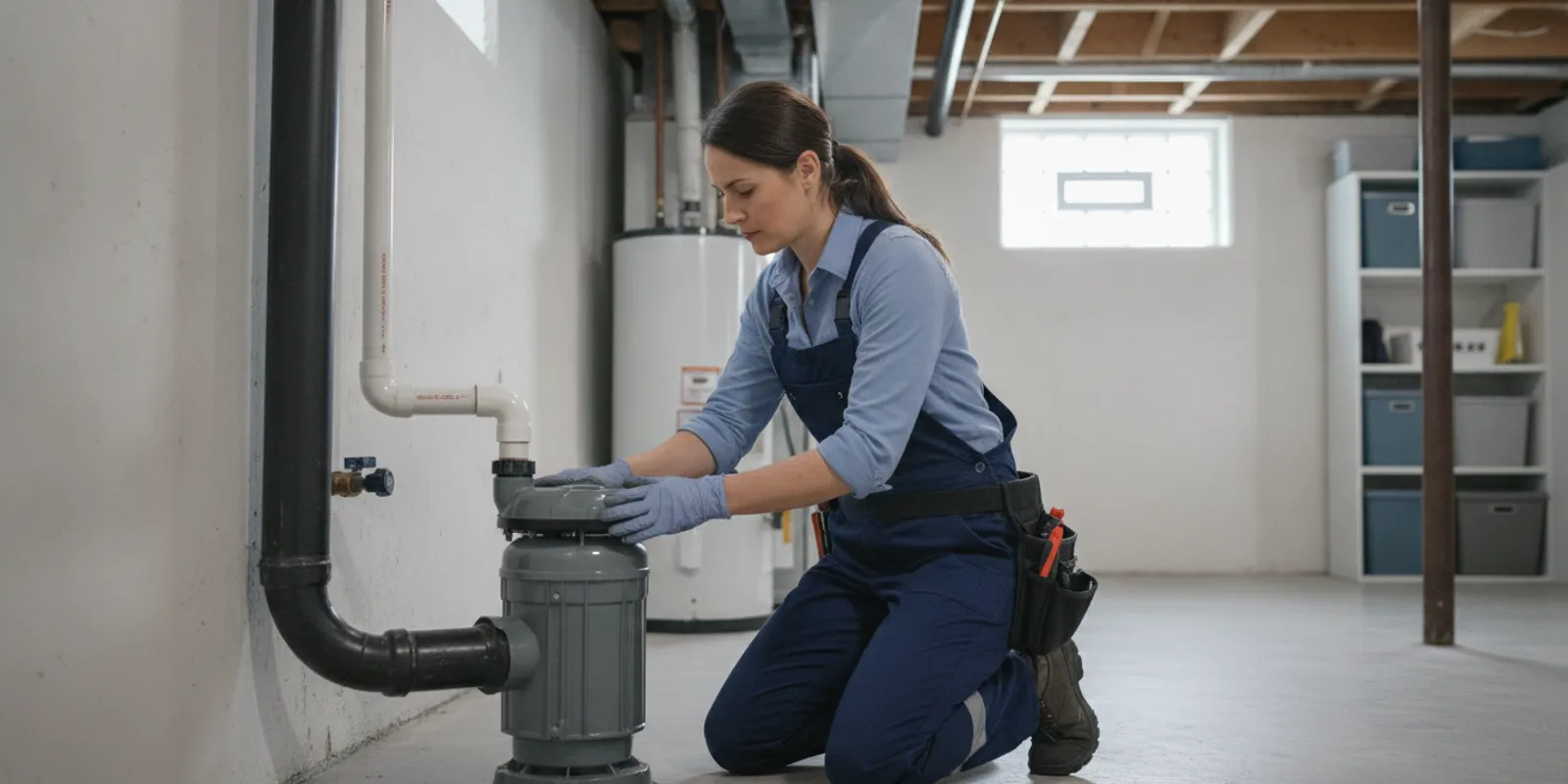
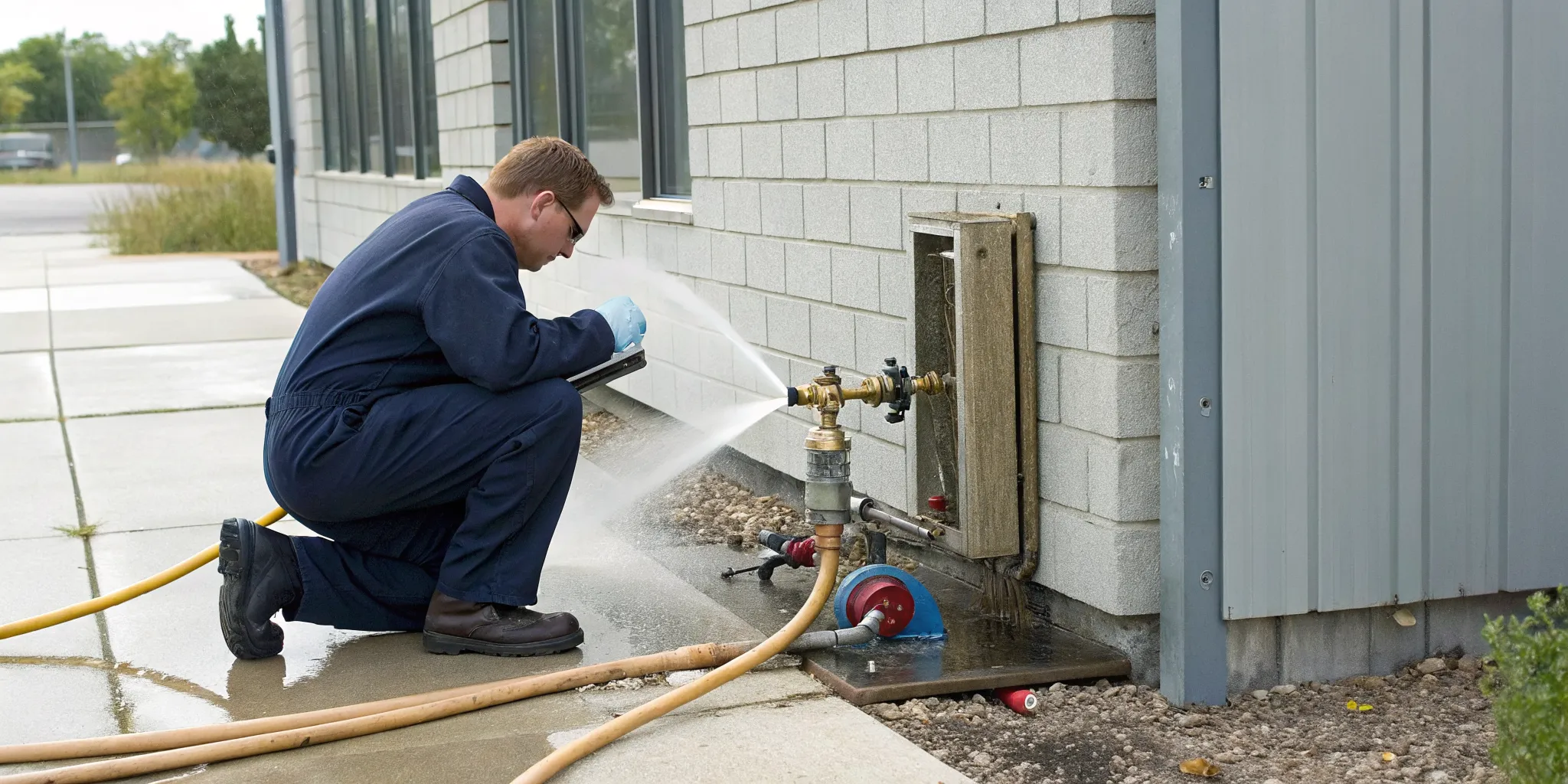
When your certified technician arrives, they will start by locating your backflow prevention device. To perform the test, they will need to temporarily shut off the water supply to that assembly, so be prepared for a brief interruption. The technician will then connect a specialized test kit with gauges to the test ports on your device. This equipment allows them to measure the pressure within the assembly and confirm that its internal valves are sealing properly and preventing any potential backflow. The entire on-site test is usually completed in under 30 minutes. It’s a precise and non-invasive procedure that provides critical information about the health of your backflow preventer.
Step 3: Review Your Test Results
Once the test is finished, your technician will immediately share the results with you. If your device passes, that’s great news. The technician will place a new tag on the assembly showing the date of the test and the passing results. More importantly, a professional plumbing service will handle all the required paperwork for you. They will complete the official test report and submit it directly to the Madison Heights water department on your behalf. This is a crucial step for maintaining compliance and gives you peace of mind. As a family-owned business, we at Mr. Pipey believe in making every step easy for our clients, which is why we manage the documentation from start to finish.
Step 4: Address Any Failures
If your backflow preventer doesn’t pass the test, don’t worry. This is a common issue, especially with older devices, but it does require prompt attention. Your technician will explain exactly why the device failed; it could be due to worn-out seals, broken springs, or other internal part failures. They will then provide you with a clear recommendation for either repairing or replacing the assembly. Failing to address the issue can lead to fines or even a water service shutoff from the city. Our team can often perform the necessary backflow preventer repairs on the spot, getting your system back into compliance quickly and protecting your water supply from contamination.
What If Your Backflow Preventer Fails the Test?
Getting a notice that your backflow preventer failed its test can feel stressful, but it’s a common issue with a clear path to resolution. A failed test simply means the device isn’t providing the protection it’s supposed to, creating a risk of contaminated water entering your clean supply. This is why local authorities take it so seriously. Addressing the failure quickly is key to protecting your family or customers and staying compliant with city regulations. The good news is that you don’t have to figure it out alone. A certified professional can diagnose the exact problem and walk you through the next steps, whether it’s a simple repair or a full replacement.
Repair or Replace Your Device?
Once a professional inspects your device, you’ll know exactly why it failed. Sometimes, the cause is minor, like a small internal part that needs replacing or a bit of debris caught in a valve. In these cases, a simple repair is all you need to get the system working correctly again. However, if the device is old, has failed multiple tests, or was installed improperly, replacement is often the smarter long-term choice. While the upfront cost is higher, a new backflow preventer gives you peace of mind and helps you avoid the recurring costs and headaches of patching up a failing unit. A certified technician can help you weigh the pros and cons to make the most cost-effective decision for your property.
How to Get Back into Compliance Fast
The fastest way to resolve a failed test is to call a certified plumbing professional right away. Don’t wait. Ignoring the issue can lead to fines or even a water service suspension from the city. A certified tester will not only perform the necessary backflow preventer repairs or replacement but will also handle all the required follow-up. This includes conducting a new test to confirm the device is working perfectly and submitting all the official paperwork to the Madison Heights water authority on your behalf. This ensures you are back in compliance without any extra work on your end. If you’ve received a failure notice, contact our team and we’ll get a certified technician out to you promptly.
How to Find a Certified Backflow Tester in Madison Heights
Finding the right professional for your backflow test is about more than just getting the job done; it’s about ensuring your property complies with local regulations and your drinking water remains safe. Not every plumber is qualified to perform this specialized test. In Madison Heights, which is part of Oakland County, testers must meet specific criteria to be considered certified. Hiring an uncertified individual could mean your test results are rejected by the city, forcing you to pay for another test and potentially face non-compliance penalties. It’s a headache you can easily avoid by doing a little homework upfront.
When you start your search, you need to look for a professional who holds the right credentials. This isn’t just a suggestion, it’s a requirement set by the county to protect the public water supply. A certified tester has proven they have the technical knowledge and skills to accurately assess your backflow prevention device. At Mr. Pipey, we believe in transparency and making sure our customers feel confident in our qualifications. Our team is fully certified to perform backflow preventers repair and testing throughout Metro Detroit, ensuring your test is handled correctly from start to finish. Before you hire anyone, it’s important to know exactly what to ask for so you can be sure you’re working with a true expert.
What Certifications to Look For
When you’re ready to hire a backflow tester, you need to confirm they have the right qualifications. According to rules from Oakland County’s Water Resources Commissioner (WRC), any test must be done by a tester with two specific credentials. First, they must hold a valid ASSE Standard 5110 certification for backflow prevention assembly testing. Second, they must also have a valid master, journey, or apprentice plumber license. These two requirements work together to ensure the person testing your system is not only trained in backflow prevention but is also a qualified plumbing professional. Don’t hesitate to ask a potential company if their technicians meet both of these standards.
How to Verify a Tester’s Credentials
Verifying a tester’s credentials is a simple but crucial step before scheduling your appointment. A reputable plumbing company will have no problem providing proof of their team’s certifications. You can ask to see a copy of their ASSE 5110 certification and their state-issued plumber’s license. As the property owner, you are responsible for hiring and paying for the test, so confirming these details protects you and ensures your test will be accepted by the Madison Heights water department. Taking a few minutes to verify this information gives you peace of mind that you’re hiring a qualified professional. If you have any questions about our team’s qualifications, feel free to contact us, and we’ll be happy to provide our credentials.
How Much Does Backflow Testing Cost in Madison Heights?
Budgeting for home and business maintenance is always a smart move, and understanding the cost of backflow testing is a key part of that. The good news is that ensuring your water is safe is quite affordable. For most residential properties in the Madison Heights area, an annual backflow test will typically cost between $45 and $150. If you own a commercial property, the price is usually a bit higher, ranging from about $85 to $300, depending on the size and complexity of your plumbing system.
Think of it as a small annual investment in the health and safety of your family, employees, or customers. When you compare it to the potential costs and health risks associated with a backflow incident, it’s easy to see the value. A certified plumbing company can give you a precise quote, but these ranges give you a solid idea of what to expect for your yearly compliance test.
What Factors Influence the Price?
If you’ve started calling around for quotes, you might notice that the prices can vary. This isn’t unusual, as several factors can influence the final cost of a backflow test. The type of backflow preventer you have installed is a major one; some devices are simpler to test than others. The overall complexity of your plumbing system also plays a role. A large commercial building with multiple connections will require a more involved process than a standard single-family home. Finally, local regulations can affect the procedure, which may be reflected in the price.
Tips for Getting a Fair Price
Getting a fair price for quality work is always the goal. A great first step is to get a few quotes from different certified companies to understand the average rate in our area. More importantly, however, is to verify a tester’s credentials. You want to be sure the person testing your system is truly qualified. A certified tester should have an ASSE Standard 5110 certification and a valid plumber’s license. You can even check the list of approved backflow prevention assembly testers provided by Oakland County. Choosing a trusted, certified company like Mr. Pipey ensures your test is done right and your property stays compliant.
How to Stay Compliant Year-Round
Keeping up with backflow testing requirements doesn’t have to be a scramble every year. With a few simple habits, you can make compliance a smooth and stress-free part of your property management routine. Staying organized and proactive helps you avoid fines, potential water service interruptions, and the last-minute rush to find a certified tester. Think of it as simple preventative care for your plumbing system and your peace of mind. By following a straightforward annual plan, you can ensure your water remains safe and your property stays on the right side of local regulations.
Keep Detailed Records
Think of it as a health record for your plumbing. Keeping a dedicated folder, either digital or physical, with all your backflow-related documents is a smart move. This includes past test reports, any repair invoices, and official notices from your local water authority. Michigan state law requires annual backflow preventer testing for many properties, so having these records on hand makes it easy to prove your compliance history. It also helps you and your technician track your device’s performance over time, making it easier to spot recurring issues. When your annual test date approaches, you’ll have everything you need in one place.
Schedule Your Test Early
Don’t wait until you get that final notice in the mail. Certified testers’ schedules can fill up quickly, especially during peak seasons like spring and summer when irrigation systems are turned on. Scheduling your appointment a month or two ahead of your deadline gives you the flexibility to choose a time that works for you. It also ensures you can book a trusted, certified professional instead of whoever is available. Plus, scheduling early provides a valuable buffer. If your device happens to fail the test, you’ll have plenty of time to handle any necessary repairs without facing penalties. You can contact us anytime to get your test on the calendar.
Coordinate Water Shutoffs
A key part of any backflow test is a temporary water shutoff. While it’s usually brief, it’s important to plan for it. If you own a commercial property, you’ll need to coordinate with employees, tenants, or managers to ensure the brief outage doesn’t disrupt business operations. For multi-family residential properties, giving tenants a heads-up is a courtesy that prevents confusion and complaints. A professional testing company will always communicate the process with you beforehand, so you know exactly what to expect and for how long. This simple step ensures the test goes smoothly for everyone involved.
Stay on Top of Maintenance
Annual testing is your first line of defense against backflow, which occurs when contaminated water reverses flow into your clean water supply. Regular testing not only keeps you compliant but also serves as a crucial maintenance check-up for your system. Catching a small issue early can prevent a much larger, more expensive repair down the road. Remember, failing to test or repair a faulty device can lead to your water authority suspending service to your property. By staying on top of your annual testing and repairs, you ensure your water is always safe and your system functions correctly year after year.
Your Partner for Backflow Testing and Repair in Metro Detroit
Keeping your water supply safe is a big responsibility, and in Metro Detroit, backflow testing is a key part of that. It’s not just about following state rules; it’s about protecting your family, employees, and community from contaminated water. We understand that figuring out these requirements can feel overwhelming, but you don’t have to handle it alone. At Mr. Pipey, we specialize in backflow preventer repair and testing, making sure your system is working perfectly and you’re fully compliant with local and state regulations.
As a family-owned business, we’re committed to treating every client like family. Our certified technicians have the expertise to handle everything from routine annual tests to complex repairs. We know that failing a test can be stressful, especially with the risk of having your water service shut off. That’s why we focus on providing clear communication and fast, effective solutions to get you back in compliance without any hassle. We’ll walk you through the test results, explain your options for repair or replacement, and ensure you get a reliable fix that lasts. When you work with us, you’re not just hiring a plumber; you’re gaining a partner dedicated to your peace of mind. If you have questions or need to schedule a test, please get in touch with our team.
Related Articles
- Backflow Preventer Testing: A Homeowner’s Guide
- Water Shut-off Valve Services in Hamtramck | Mr. Pipey® Plumbing
- Drain Backup in Basement? A Step-by-Step Guide
- Step-by-Step Sump Pump Installation in Crawl Space
Frequently Asked Questions
I’m just a homeowner, do I actually need backflow testing? That’s a great question, and the answer is maybe. While not every home requires it, you are generally required to get an annual test if you have an in-ground lawn irrigation or sprinkler system. Other residential systems that might need testing include fire suppression systems or boilers. If you’re unsure, the safest bet is to have a certified professional take a look. We can help you determine your specific requirements to ensure your home’s water is safe and you’re compliant with local rules.
What are the consequences if I skip my annual backflow test? Skipping your annual test can lead to some serious issues. Because backflow prevention is a public health matter, local water authorities enforce it strictly. If you fail to submit passing test results on time, you could face fines and official notices. In a worst-case scenario, the city has the authority to shut off your water service until you prove your system is in compliance. It’s a small task that helps you avoid a major headache.
Do I have to submit the test results to the city myself? No, you don’t have to worry about the paperwork. When you hire a professional, certified company like ours, we handle the entire process for you. After completing the test, we fill out all the necessary forms and submit them directly to the Madison Heights water department on your behalf. Our goal is to make compliance as simple as possible for you, so you can have peace of mind knowing everything was filed correctly and on time.
How long will my water be shut off during the test? The water shutoff is very brief. In order to perform the test accurately, the technician needs to temporarily turn off the water leading to the backflow device. For a standard test, this interruption usually lasts for less than 30 minutes from start to finish. Your technician will let you know before they begin, so you can plan accordingly and experience as little disruption as possible.
My backflow preventer failed its test. Do I have to replace the whole thing? Not necessarily. A failed test often means a small, internal part like a seal or spring has worn out. In many situations, a simple and affordable repair is all that’s needed to get your device working perfectly again. Your certified technician will explain exactly why it failed and give you a clear recommendation. If the device is very old or has significant damage, replacement might be the more reliable long-term solution, but we always explore repair options first.